 Uncorked Conversations
Introduction to Wine Pairings for Fresh Greens
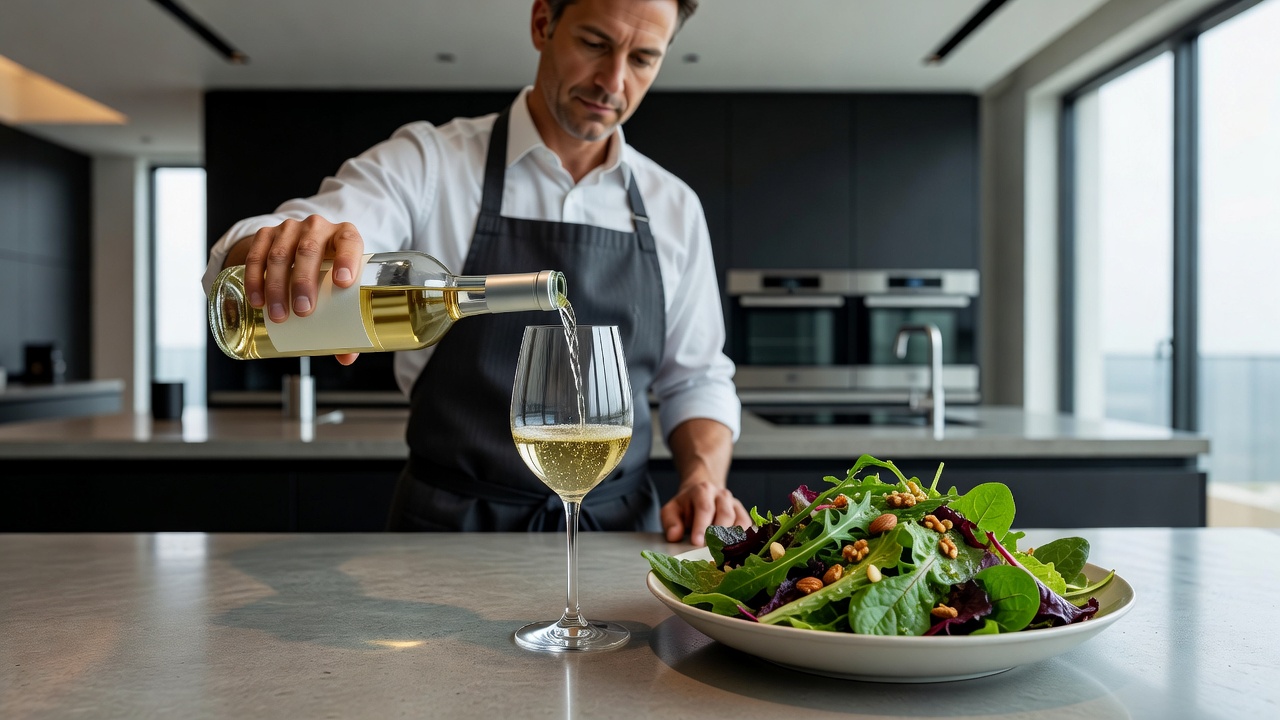
Salads and fresh greens deliver bright, delicate flavors that require wines with crisp acidity and subtle tannins to create harmonious experiences. This comprehensive 2026 sommelier guide dives deep into matching wines with various salad types, from simple leafy mixes to complex grain bowls featuring nuts, proteins, and seasonal produce. The goal is to enhance natural flavors without overpowering delicate ingredients, supporting lighter, health-conscious meals throughout the year. Proper pairings elevate textures and tastes, turning everyday salads into memorable dining moments while respecting the freshness of greens and vinaigrettes.
Understanding Acidity and Tannins in Wine Pairings
Acidity in wine acts as a palate cleanser, cutting through rich dressings and refreshing the mouth between bites of leafy greens. Wines with moderate acidity levels typically range from 5 to 7 grams per liter, providing enough structure to complement tangy vinaigrettes without overwhelming subtle vegetable notes. Light tannins add gentle grip and body, preventing the wine from tasting flat against crisp ingredients. High-tannin reds often clash with delicate greens, creating bitterness, so sommeliers recommend avoiding them unless the salad includes bold elements like aged cheeses or grilled meats. Balancing these elements ensures the wine highlights rather than masks the salad's freshness.
Pairing with Leafy Greens and Vinaigrettes
Classic Caesar salads or peppery arugula mixes pair exceptionally with Sauvignon Blanc from New Zealand, whose zesty citrus and herbal notes echo lemon-based dressings perfectly. For balsamic or raspberry vinaigrettes, a dry rosé from Provence introduces soft berry undertones that balance any sweetness while maintaining lightness. When nuts such as walnuts or almonds are added, wines with subtle herbal or mineral qualities mirror the earthiness and prevent the pairing from becoming one-dimensional. Consider spinach salads with goat cheese, where a crisp Pinot Grigio cuts through creaminess and refreshes the palate. Always test small sips alongside bites to confirm harmony.
Grain Bowls, Proteins, and Seasonal Produce
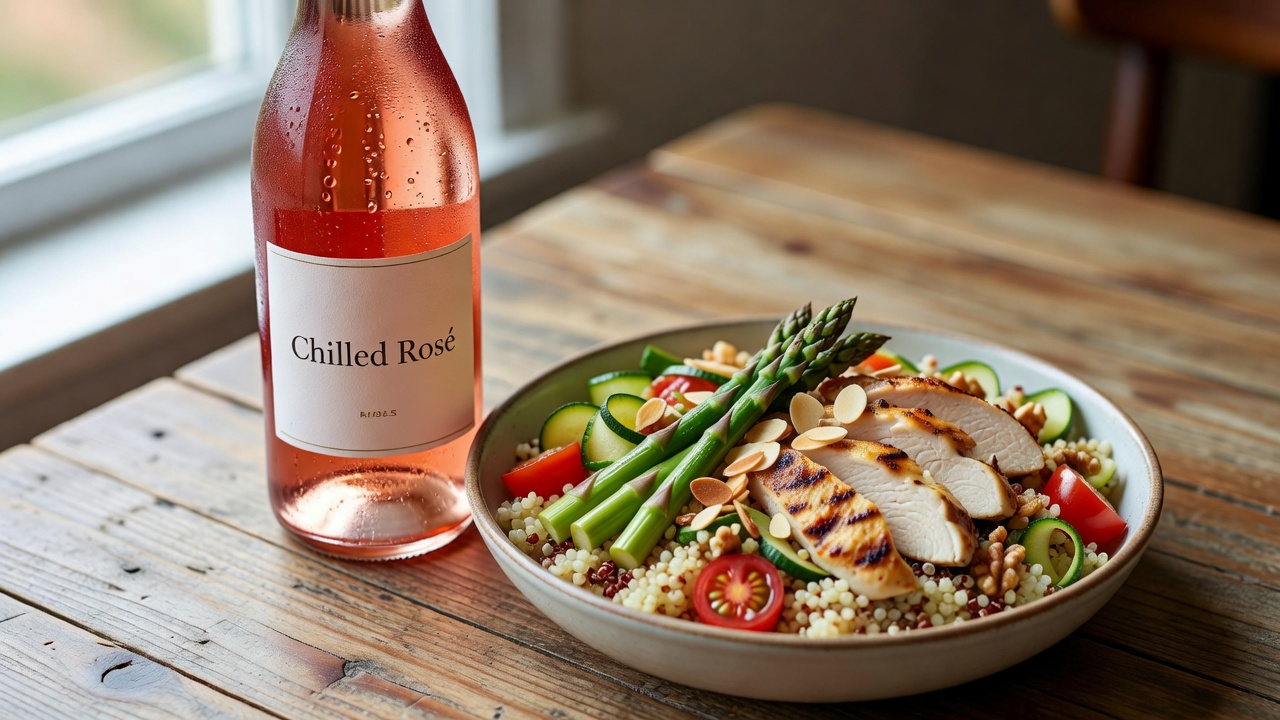
Grain bowls built on quinoa, farro, or barley with added proteins like salmon, chicken, or tofu thrive alongside Vermentino or Albariño, whose mineral-driven profiles highlight fresh vegetables and grains. Seasonal produce dictates adjustments: summer tomatoes or cucumbers call for lighter sparkling options that cleanse and invigorate, while autumn apples or roasted root vegetables benefit from slightly fuller rosés that echo natural sweetness. Proteins introduce richness that demands wines with sufficient acidity to slice through fats without heaviness. These combinations keep meals vibrant and balanced year-round.
Comparing White, Rosé, and Sparkling Wines
White wines such as unoaked Chardonnay offer body suitable for creamy or nut-based dressings, providing texture that complements hearty greens. Rosé delivers versatility across sweet and savory profiles, bridging fruit-forward salads with savory proteins through its balanced fruit and acidity. Sparkling wines like Prosecco or Cava excel with nutty or fruity salads because their effervescence lifts flavors and prevents richness from lingering. Still whites suit simple preparations, while sparkling options refresh more complex bowls. Heavy reds remain unsuitable unless the salad incorporates substantial proteins that can stand up to bolder structures.
Step-by-Step Sommelier Pairing Methods
- Identify the dominant salad flavors, including dressing, greens, and add-ins.
- Match wine acidity directly to the dressing's tang level for balance.
- Consider texture: lighter wines for delicate leaves, fuller bodies for grains and proteins.
- Test temperature—serve most whites and rosés between 8 and 10 degrees Celsius.
- Adjust for sweetness by selecting off-dry styles when fruit elements appear.
- Experiment in small pours, refining based on personal taste and meal progression.
Common Mistakes to Avoid
- Overpowering delicate greens with oaky or high-alcohol wines that mask fresh flavors and create imbalance.
- Ignoring serving temperature, which dulls acidity and reduces refreshment in chilled options.
- Pairing high-acid wines with overly sweet dressings without tasting incrementally to confirm harmony.
- Choosing heavy reds for light salads, resulting in bitterness that overwhelms vegetables and vinaigrettes.
- Overlooking protein richness, which may require slightly more structured wines to maintain equilibrium.
Practical Recipe Integrations and Examples
A kale salad with toasted almonds, dried cranberries, and lemon vinaigrette pairs beautifully with chilled Pinot Grigio, where citrus notes amplify the dressing. For a Mediterranean grain bowl featuring feta, olives, cucumbers, and chickpeas, select a Greek Assyrtiko whose minerality cuts through briny elements. Try an arugula and pear salad with walnuts alongside a sparkling rosé to lift sweetness and cleanse the palate between bites. These integrations keep meals light, flavorful, and suitable for health-conscious dining by emphasizing fresh ingredients over heavy sauces.
Health-Conscious Considerations
Many diners seek lower-alcohol wines for lighter meals, favoring sparkling options under 11 percent ABV that maintain refreshment without heaviness. Pairings that highlight vegetables and lean proteins support balanced nutrition while adding enjoyment. Choosing wines with natural acidity also aids digestion, making them ideal companions for fiber-rich salads. Focus on quality over quantity to enhance the overall experience.
FAQ on Wine with Salads
Q: Can red wine work with salads? A: Only lighter reds like Pinot Noir succeed when paired with hearty proteins or aged cheeses that stand up to gentle tannins.
Q: What about low-alcohol options for health-conscious diners? A: Opt for sparkling wines or crisp whites under 11 percent ABV to preserve refreshment and lightness.
Q: How to handle sweet elements in fruit salads? A: Pair with off-dry rosé or slightly sweet sparkling wines to match residual sugars without clashing.
Q: Are there regional wine recommendations for specific greens? A: Italian whites like Vermentino suit Mediterranean salads, while French rosés complement Provençal-style mixes.
Q: Should wine be served before or with the salad course? A: Serve alongside to allow real-time flavor adjustments and optimal temperature maintenance.
Conclusion
Mastering wine pairings for salads elevates everyday meals into refined experiences. Focus on acidity balance, experiment with seasonal ingredients, and apply the step-by-step methods for consistent results. For additional expert insights, explore resources at Wine Magazine, Decanter, and Food & Wine.

No comments yet. Be the first!