 Uncorked Conversations
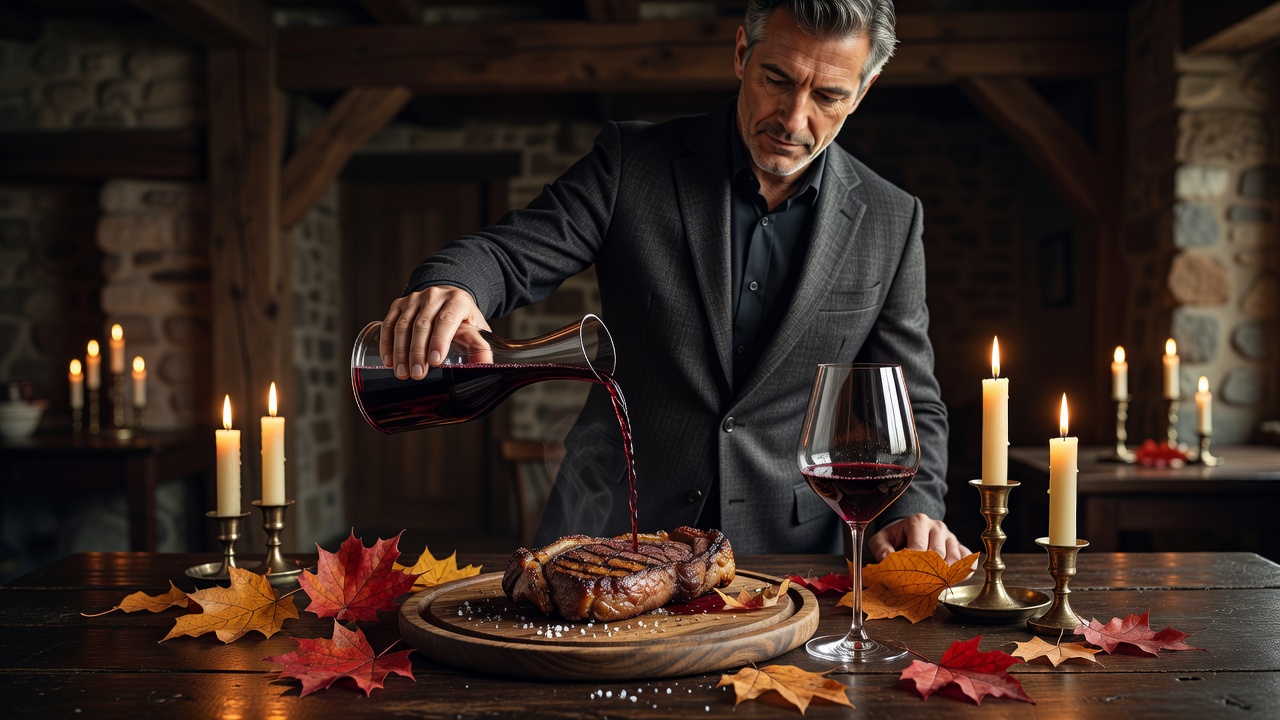
Introduction to Sommelier-Level Pairings for Game Meats
Game meats such as venison, duck, and wild boar deliver intense earthy, lean, and sometimes gamy flavors that demand thoughtful wine matches. In 2026, sommeliers continue to refine pairings that highlight these proteins while managing their low fat content and robust tannins. This guide dives deep into the science and art of matching, helping advanced home cooks and enthusiasts move beyond basic recommendations to create memorable dining experiences. Whether preparing a holiday feast or an intimate dinner, understanding how wine interacts with these meats unlocks new levels of flavor harmony.
Core Principles: Tannins, Acidity, and Fat Content
Successful pairings start with understanding how wine components interact with meat. High tannins cut through richness, while bright acidity refreshes the palate against lean cuts. Fat content in the dish guides whether you reach for fuller-bodied reds or unexpected whites with mineral edges. The protein structure in game meats often creates a drying sensation on the tongue, so wines with sufficient fruit or residual sugar can counteract this effect. Decanter regularly emphasizes these fundamentals in its expert columns, noting that balance is achieved when neither the food nor the wine dominates. Consider also the cooking method: grilled meats benefit from smoky, oaked wines, while braised preparations pair better with wines that have earthy undertones to echo the slow-cooked depth.
Step-by-Step Pairing Guide for Venison Cuts
Begin with the cut: tenderloin benefits from lighter Pinot Noir, while shank or shoulder calls for structured Syrah. Marinate with juniper and pair with wines showing herbal notes. Grill venison loin and serve alongside a medium-bodied red with moderate oak to complement char without overwhelming the meat. For a rack of venison, select a wine with firm tannins like Cabernet Franc to stand up to the richness of the bone-in preparation. When roasting a whole loin, allow the meat to rest before slicing and choose a wine that has been decanted for at least thirty minutes to soften its edges and reveal secondary aromas of leather and forest floor.
Old World versus New World Comparisons
Old World wines from Burgundy offer earth-driven elegance that mirrors venison’s forest flavors. New World options from Oregon or California provide riper fruit and softer tannins for bolder palates. The choice depends on whether you want subtlety or intensity. Old World examples often exhibit higher acidity and lower alcohol, making them ideal for leaner cuts served with vegetable-forward sides, whereas New World wines bring plush texture that works well with seared preparations finished with a compound butter. Wine Magazine highlights how regional climate differences directly influence these stylistic choices.
Pairings for Duck and Wild Boar
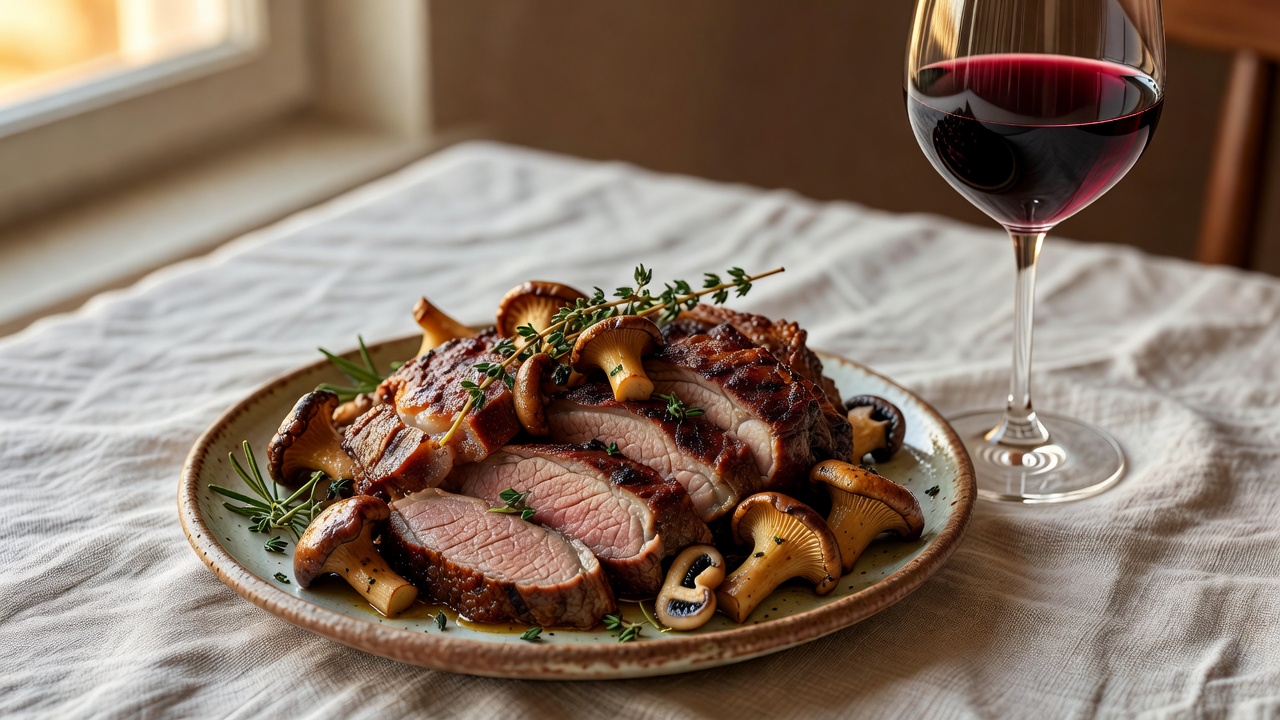
Duck breast shines with off-dry Riesling or Pinot Noir that handles crispy skin and rendered fat. Wild boar, richer and more pork-like, pairs beautifully with Barbera or Grenache for acidity that slices through gaminess. Seasonal sides like roasted root vegetables or wild mushrooms enhance these matches. For duck confit, consider a white Burgundy with subtle oak influence to complement the silky texture. Wild boar ragu over polenta calls for a robust Sangiovese that can stand up to hours of simmering and tomato-based sauces. Experiment by tasting the wine against a small piece of the prepared meat to confirm the interplay before serving guests.
Top Wine Recommendations for 2026
- Pinot Noir from the Willamette Valley – versatile for multiple game meats, offering bright cherry notes and silky tannins
- Barolo from Piedmont – ideal for aged venison roasts, delivering tar and rose petal aromatics that complement long-cooked dishes
- White Rhône blends – surprising yet effective with duck confit, where herbal and stone-fruit elements cut through richness
- Nebbiolo-based wines – structured enough for wild boar stews, with firm acidity to refresh the palate between bites
- Syrah from the Northern Rhône – excellent for grilled venison, providing pepper and olive notes that echo wild herbs
Seasonal Sides and Real-World Examples
Pair venison with butternut squash puree and a glass of earthy Burgundy. Duck works with braised red cabbage and an aromatic white. These combinations create harmony across flavors and textures. A real-world example includes serving seared duck breast with a side of sautéed wild mushrooms and a glass of Alsatian Riesling, where the wine’s slight sweetness balances the meat’s savoriness. For a winter dinner party, roast venison shoulder with root vegetables and open a bottle of Oregon Pinot Noir to let the wine’s red fruit notes play against the caramelized edges of the vegetables.
Common Mistakes to Avoid
Overlooking acidity leads to flat pairings. Choosing overly oaky wines masks delicate game notes. Always taste the wine with a bite of meat before committing to the full bottle. Additional pitfalls include serving wines that are too cold, which numbs the palate, or selecting high-alcohol wines that amplify the gaminess rather than temper it. Another frequent error is ignoring the sauce: a red wine reduction requires a different pairing than a fruit-based compote. Finally, avoid over-marinating the meat in strong acids, as this can clash with already acidic wines.
Frequently Asked Questions
Can I pair game meats with white wine?
Yes, high-acidity whites like Riesling or Chenin Blanc balance lean proteins effectively and bring unexpected brightness to rich dishes.
What about dietary preferences?
Many pairings suit gluten-free or low-carb diets when focusing on pure protein and vegetable sides, allowing flexibility for various guest needs without sacrificing flavor.
How do I store opened bottles for multiple courses?
Use a wine preserver with inert gas and keep bottles in a cool, dark place; most opened reds remain enjoyable for up to three days when properly sealed.
Are there non-alcoholic alternatives?
High-quality dealcoholized reds with good structure or tart cherry juice reductions can approximate the experience for those avoiding alcohol.
Conclusion
Mastering these 2026 sommelier pairings elevates weeknight meals and special occasions alike. Experiment with the principles outlined to discover your own signature matches and enjoy the rewarding process of refining each plate and pour.

No comments yet. Be the first!