 Uncorked Conversations
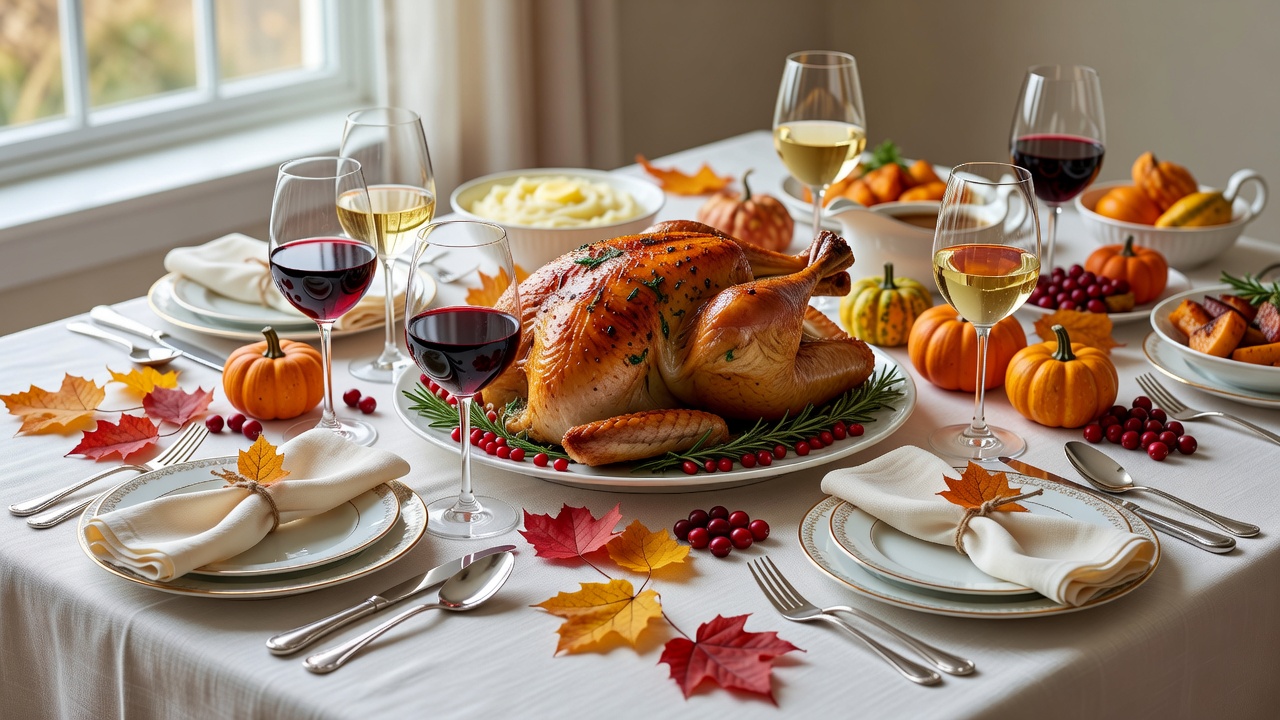
Mastering Thanksgiving Wine Pairings in 2026
Thanksgiving dinner brings together rich, savory, and sweet flavors that challenge even experienced hosts. Sommeliers focus on balancing acidity, tannins, and complementary notes to elevate each dish without overpowering the meal. This guide delivers concrete pairing logic for turkey, stuffing, cranberry sauce, and side dishes, with comparisons across wine styles and actionable examples for home entertainers. Whether you are planning a large family gathering or an intimate meal, understanding these principles helps create a seamless dining experience from appetizers through dessert.
Core Principles of Sommelier Pairings
Successful pairings start with understanding how wine components interact with food. Acidity cuts through fat and cleanses the palate, while tannins soften when paired with protein. Sweetness in food calls for wines with equal or greater residual sugar to avoid clashes. For Thanksgiving 2026, focus on versatile bottles that handle multiple courses rather than single-dish matches. Consider the overall menu weight, the dominant cooking methods such as roasting or braising, and how herbs and spices influence flavor profiles. A structured approach begins with identifying the primary protein, then layering in side dishes and sauces.
Key considerations include:
- Matching weight: Light dishes need delicate wines; roasted meats support fuller bodies that stand up to rich gravies.
- Acidity balance: Cranberry sauce’s tartness requires bright wines that refresh between bites.
- Flavor bridges: Herbal stuffing notes echo in certain varietals like those with thyme or rosemary undertones.
- Alcohol level: Moderate alcohol prevents palate fatigue during extended meals.
Perfect Wines for Roast Turkey
Turkey’s mild flavor and juicy texture pair beautifully with both white and red wines. Pinot Noir offers earthy undertones that complement herb-roasted birds, while Chardonnay provides creamy texture that mirrors gravy. Step-by-step pairing logic starts with the protein’s lean character, then layers in seasoning. Choose wines with moderate alcohol to keep the meal refreshing through multiple helpings. For example, a cool-climate Pinot Noir highlights the sage and rosemary often used in roasting, creating harmony without dominating the bird. Unoaked or lightly oaked Chardonnay works similarly by emphasizing fruit and minerality that cut through buttery preparations.
Pairing Strategies for Stuffing and Sides
Herbaceous stuffing with sage and onions benefits from wines showing similar savory notes. Rhône-style blends or Grenache-based reds echo the herbal profile while their acidity cuts through buttery elements. Mashed potatoes and green bean casserole call for wines with enough body to stand up to cream sauces. Sparkling options add celebratory lift and palate-cleansing bubbles that reset the palate after rich casseroles. Consider the texture contrast: creamy sides pair well with wines that have lively acidity, while crunchy elements like fried onions on green beans welcome wines with subtle tannins.
Wine pairings for classic sides often highlight how versatile whites and light reds handle mixed textures. Experiment by tasting a small portion of stuffing with a candidate wine to confirm the bridge between herbal notes and the wine’s aromatic profile.
Handling Cranberry Sauce and Sweet Elements
Cranberry sauce introduces bright acidity and sweetness that can clash with tannic reds. Off-dry Riesling or sparkling rosé balances the fruit while refreshing the palate between bites. Practical tip: Serve a slightly sweet wine alongside the sauce rather than trying to overpower it. This approach prevents the wine from tasting thin or bitter. When pumpkin pie or sweet potato casserole appears later, the same principle applies—choose wines with residual sugar to match the dessert’s intensity.

Red, White, and Sparkling Comparisons
Red wines like Pinot Noir and Gamay offer versatility across the table because their lighter tannins and bright fruit complement both savory and slightly sweet elements. Whites such as Sauvignon Blanc and Chardonnay provide crisp contrast that cuts through fats and enhances herbal flavors. Sparkling wines, especially Brut and extra-dry styles, add elegance and work with nearly every dish due to their high acidity and effervescence. Many hosts choose one versatile white and one light red to simplify service while covering all flavor profiles. A side-by-side comparison reveals that sparkling wine excels at palate cleansing, reds bring depth to roasted meats, and whites provide refreshing acidity for vegetable sides.
Affordable Bottle Recommendations
Look for well-reviewed bottles from established producers that remain widely available. Specific examples include entry-level Pinot Noir from California or Loire Valley whites that deliver sommelier-level quality without complexity. These selections focus on balance rather than prestige, making them ideal for large gatherings. When shopping, prioritize producers known for consistency year after year so the wine performs reliably with your menu.
Step-by-Step Pairing Logic for the Full Menu
Begin by mapping each course to a wine category. Appetizers such as cheese boards or crudités pair with sparkling wine to stimulate the appetite. The main turkey course supports either a light red or medium-bodied white. Sides receive secondary consideration based on their dominant ingredient. Finally, dessert wines close the meal on a sweet note. This logical progression keeps the evening flowing smoothly and prevents abrupt shifts in flavor intensity.
Common Mistakes to Avoid
- Choosing overly oaky wines that clash with delicate turkey flavors and mask subtle herb notes.
- Ignoring sweetness levels when cranberry sauce is present, leading to unbalanced pairings.
- Serving high-alcohol reds that fatigue the palate early in the meal.
- Overlooking serving temperature, which can mute aromas or exaggerate tannins.
- Selecting only one style of wine when the menu spans sweet, savory, and acidic components.
How to Serve and Temperature Guidelines
Whites and sparkling wines benefit from slight chilling around 45–50 degrees Fahrenheit to maintain freshness. Light reds can be served cool at 55–60 degrees to enhance refreshment and soften tannins. Decant fuller reds an hour before serving if they show any youthful edges. Prepare ice buckets for sparkling bottles and plan glassware in advance so each wine receives the proper vessel.
FAQ: Sommelier Wine Pairings for Thanksgiving
What wine pairs best with turkey? Pinot Noir and Chardonnay remain top choices for their ability to complement without overwhelming the mild meat.
Can I serve one wine for the entire meal? Yes—versatile options like dry rosé or sparkling wine handle multiple courses effectively when the menu is balanced.
How do I handle dessert wines? Late-harvest Riesling or tawny port pair well with pumpkin pie and other sweets by matching residual sugar levels.
Should wines be chilled? Whites and sparkling wines benefit from slight chilling; light reds can be served cool to enhance refreshment and fruit expression.
What if guests have different preferences? Offer a white and a red option at the table so everyone can choose according to taste.
Final Tips for 2026 Entertaining
Plan pairings around your menu’s dominant flavors rather than individual dishes. Taste wines alongside sample bites beforehand when possible. Focus on enjoyment and conversation rather than perfection. With thoughtful selections, your Thanksgiving table will feel both elevated and welcoming for all guests.
No comments yet. Be the first!