 Uncorked Conversations
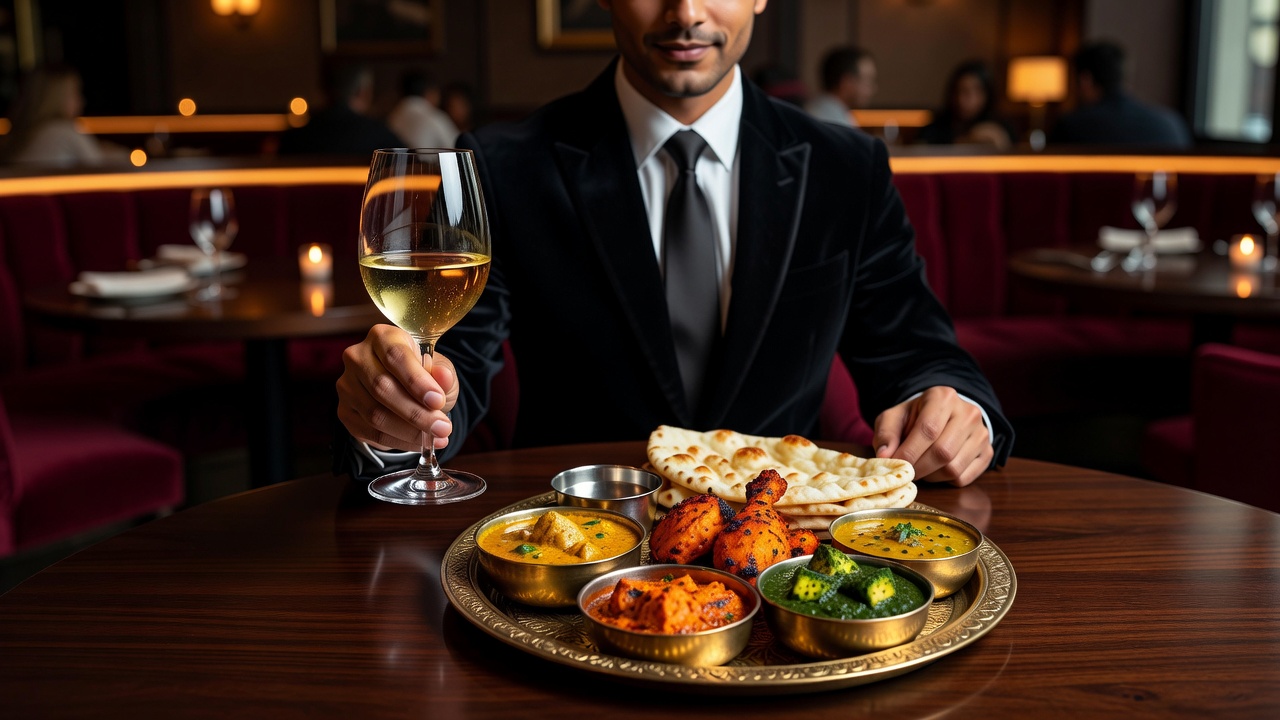
Introduction to Sommelier-Level Pairings for Indian Food
Indian cuisine presents a vibrant challenge for wine enthusiasts due to its bold spices, layered flavors, and diverse preparations. In 2026, sommeliers continue to refine pairings that balance heat, acidity, and texture with wines from around the world. This guide explores advanced techniques to create harmonious matches for curries, tandoori dishes, and vegetarian options, helping readers achieve restaurant-quality experiences at home. Understanding the interplay between spice intensity and wine structure allows for more precise selections that elevate every meal.
Whether hosting a dinner party featuring multiple regional dishes or simply enjoying a weeknight curry, the principles remain consistent. Sommeliers emphasize starting with the dominant flavor components such as cumin, chili, or coconut milk before selecting a bottle. This approach prevents common mismatches and ensures the wine enhances rather than competes with the food.
Understanding Key Flavor Profiles in Indian Dishes
Indian meals often feature cumin, turmeric, chili, ginger, and garam masala. These elements demand wines with sufficient acidity to cut through richness while avoiding tannins that amplify spice. Heat levels dictate choices: milder dishes welcome fruit-forward whites, while fiery curries benefit from off-dry or sparkling options. Regional variations add further nuance, as North Indian butter-based gravies differ markedly from South Indian coconut or tamarind profiles.
Texture also plays a critical role. Creamy dishes like korma require wines with enough body to stand alongside them, whereas dry tandoori preparations pair best with wines that offer bright acidity to refresh the palate after each smoky bite.
Acidity Matching and Heat Level Strategies
Acidity serves as the bridge between spice and wine. High-acid wines like Riesling or Sauvignon Blanc refresh the palate after each bite. For low-heat dishes, crisp acidity highlights subtle herbs. Medium-heat preparations pair well with balanced acidity that tempers but does not overwhelm. High-heat recipes call for wines with residual sugar to counteract capsaicin burn. Sommeliers often recommend tasting the wine alongside a small spoonful of the dish to calibrate the match in real time.
Another effective strategy involves considering the wine's finish. Long, lingering finishes can clash with persistent spice, so shorter, cleaner profiles tend to work better with complex Indian meals.
Varietal Recommendations by Heat Level
- Low heat: Chardonnay or Pinot Grigio for creamy sauces and vegetable kormas, where subtle oak notes complement rather than overpower delicate spices.
- Medium heat: Gewürztraminer or Chenin Blanc to complement coconut-based curries, bringing lychee and floral aromatics that echo the dish's fragrance.
- High heat: Sparkling wines or off-dry Riesling to soothe intense chili heat in vindaloos or madras, with bubbles providing a palate-cleansing effect.
Additional options include Albariño for seafood-infused curries and Grenache Blanc for vegetable-heavy plates that need a touch of earthiness.
Regional Wine Comparisons for Authentic Matches
Old World wines from France and Italy offer elegant minerality suited to delicate tandoori. New World options from Australia and California provide ripe fruit that stands up to robust spices. Sommeliers often compare Loire Valley Chenin Blanc against South African versions for their differing expressions of acidity and tropical notes. These comparisons help diners select bottles based on preference for restraint versus opulence.
Explore global standards through the International Organisation of Vine and Wine for insights into varietal adaptations. Further reading on emerging regions appears regularly on Decanter.
Step-by-Step Sommelier Pairing Process
- Identify dominant spices and heat intensity in the dish.
- Select wine acidity level to match or contrast the profile.
- Consider texture: creamy dishes need wines with body; grilled items suit lighter styles.
- Test temperature—serve whites slightly chilled to enhance refreshment.
- Adjust with small pours and note palate reactions.
- Revisit the pairing after the first course to refine future selections.
This methodical process ensures consistency across different dining scenarios and builds confidence when experimenting with new recipes.
Dish-Specific Pairing Examples
Butter chicken shines with a lightly oaked Chardonnay that echoes its tomato-cream base. Lamb biryani benefits from a spicy Syrah whose pepper notes echo the dish's aromatics. For vegetarian saag paneer, an herbaceous Sauvignon Blanc cuts through spinach richness effectively. Paneer tikka pairs nicely with a dry rosé that mirrors the yogurt marinade while providing berry undertones.
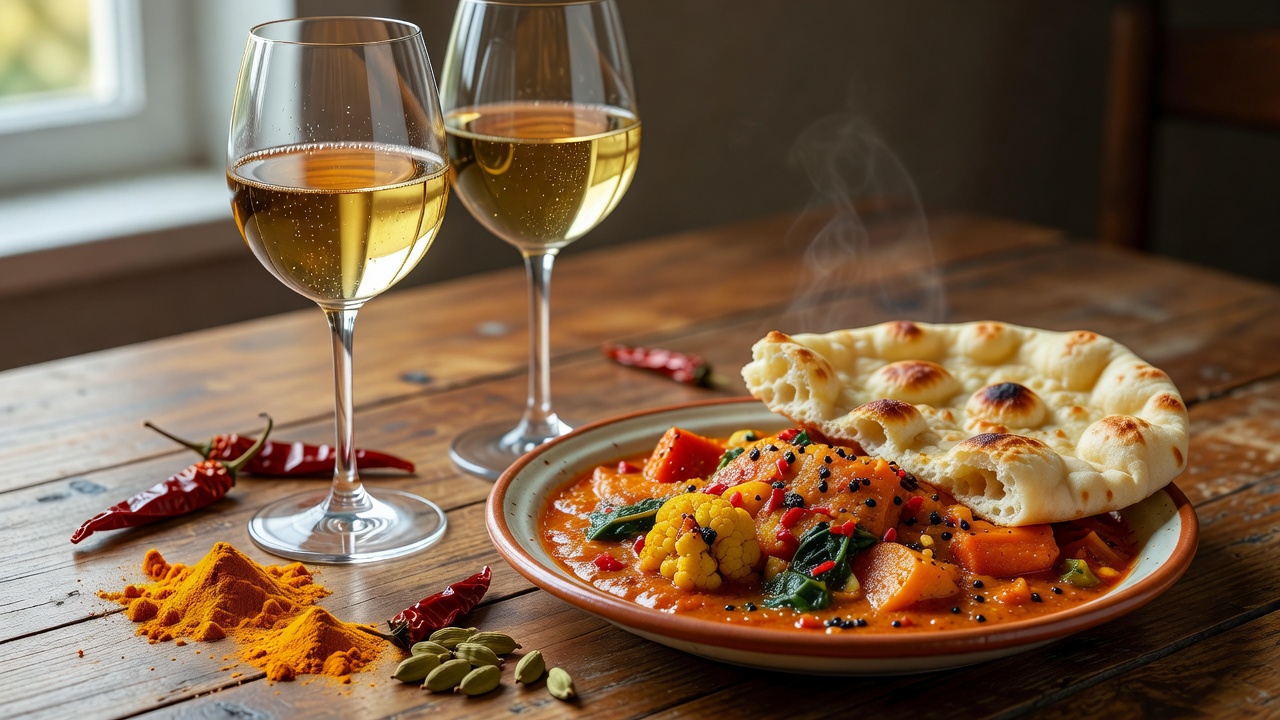
Tandoori chicken pairs beautifully with sparkling rosé, whose bubbles cleanse the palate between bites of smoky yogurt marinade. Chana masala finds balance with off-dry Gewürztraminer that highlights chickpea earthiness while softening cumin heat. Rogan josh, a rich lamb dish, works well with a medium-bodied Pinot Noir that offers red fruit without heavy tannins. Finally, a simple dal tadka benefits from a crisp Vinho Verde whose effervescence lifts the lentil flavors.
Pairing Across North and South Indian Cuisines
North Indian dishes often rely on dairy and dried spices, making them ideal for aromatic whites and light reds. South Indian cuisine, with its emphasis on rice, coconut, and fermented flavors, rewards wines with pronounced minerality such as Assyrtiko or Grüner Veltliner. Understanding these distinctions allows sommeliers to create cohesive multi-course menus that flow logically from one region to the next.
Serving Temperatures and Practical Tools
Proper serving temperature dramatically affects perception. Whites should be served between 8–12°C to preserve acidity, while light reds benefit from a slight chill around 14–16°C. Using a wine thermometer or simple fridge timing helps achieve consistency. Many enthusiasts also keep a pairing journal to record successful matches for future reference.
Common Errors and FAQ
How do I avoid overpowering tannins with spicy dishes?
Skip high-tannin reds like Cabernet Sauvignon; opt instead for low-tannin alternatives or whites with vibrant acidity.
What wine works for both meat and vegetarian Indian meals?
Versatile choices include sparkling wines or aromatic whites that adapt across protein types without clashing.
Should wines always be sweeter than the dish?
Not necessarily—balanced acidity often suffices, though residual sugar helps with extreme heat levels.
Can I pair red wine with Indian food at all?
Yes, but choose lighter reds with minimal oak and noticeable fruit such as Gamay or Barbera to avoid clashing with spice.
Is it better to serve wine before or during the meal?
Serve wine alongside the first bites so the pairing can be evaluated immediately and adjusted if needed.
Conclusion
Applying these sommelier principles elevates Indian cuisine pairings in 2026, creating memorable meals that honor both tradition and innovation. Experiment with the outlined steps to discover personal favorites and refine your wine-with-food expertise. Additional guidance can be found at Wine Magazine.

No comments yet. Be the first!