 Uncorked Conversations
Introduction to Sommelier Wine Pairings for Barbecue
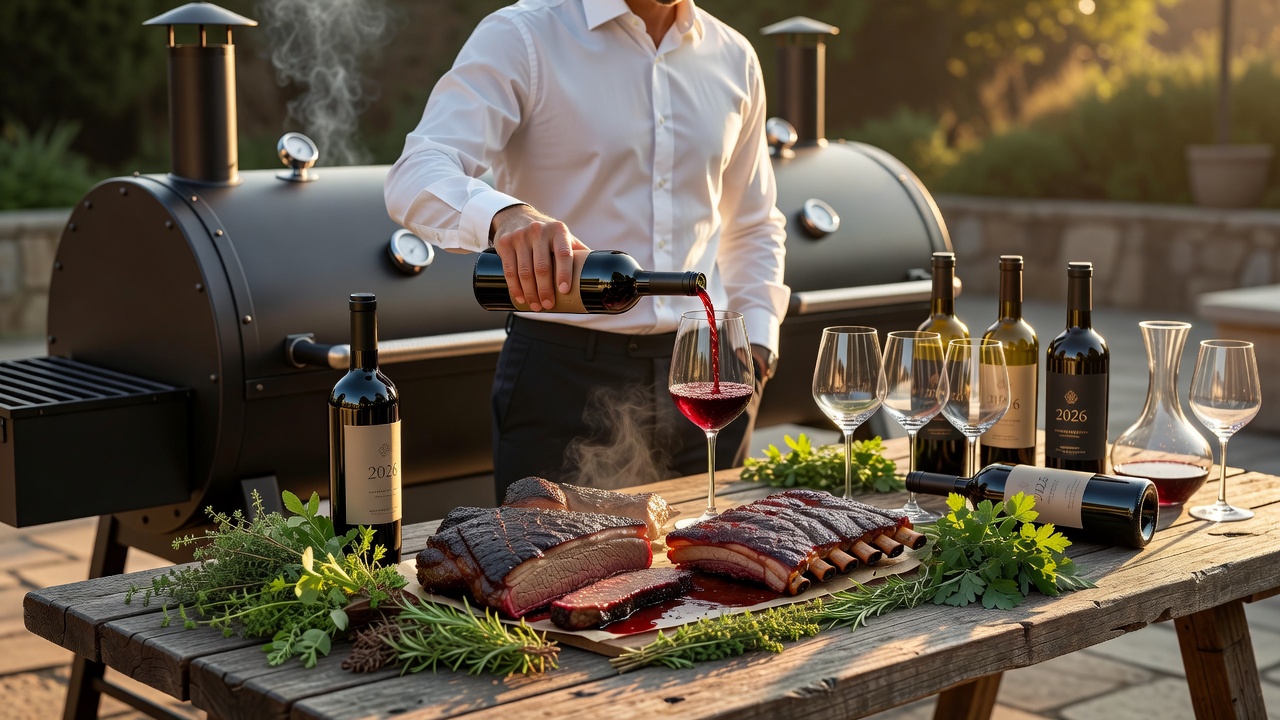
Barbecue and smoked meats deliver intense smoky flavors, rich fats, and bold spice rubs that demand thoughtful wine pairings. In 2026, sommeliers emphasize techniques that balance these elements using both classic and natural wines. Whether grilling brisket, ribs, pulled pork, or chicken, the right wine enhances every bite by cutting through fat, taming heat, and complementing smoke. This how-to guide targets search intent around wine pairings and sommelier pairings for barbecue dishes, providing concrete advice that goes far beyond basic suggestions.
Home cooks and backyard enthusiasts often struggle to find wines that stand up to the layered flavors of low-and-slow cooking. The key lies in understanding how tannins interact with marbling, how acidity cuts through rendered fat, and how fruit notes echo or contrast spice rubs. Throughout this article we explore step-by-step pairing principles, wine recommendations by BBQ style, regional variations, and common mistakes to avoid, all informed by real sommelier examples from professional kitchens and competitions.
Core Pairing Principles for Smoky, Fatty Meats
Sommeliers begin every pairing session by assessing three primary factors: fat content, spice level, and smoke intensity. Tannic reds slice through fat like a knife, refreshing the palate after each bite of brisket or ribs. High-acidity whites provide contrast to heavy sauces and spicy dry rubs, preventing palate fatigue. Sweetness in wine can clash with heat, so dry or off-dry options usually win when the rub contains cayenne or chipotle.
Follow this repeatable process at home. First, identify the dominant characteristic of the meat. Fatty cuts require wines with firm structure and moderate alcohol. Second, note the sauce or rub—vinegar-based Carolina styles need bright acidity, while tomato-based Texas sauces pair better with earthy reds. Third, consider smoke level; long-smoked meats benefit from wines with subtle oak or earthy undertones. Natural wines, fermented with minimal intervention, add complexity that mirrors wood-smoke notes and have become a major 2026 trend among sommeliers working with open-flame cooking.
Practical examples help illustrate these rules. A sommelier might pair a high-tannin Cabernet with Texas brisket because the wine’s structure cleanses the mouth after rich marbling. For Memphis-style ribs with sweet-tangy rubs, the same professional often chooses Zinfandel whose jammy fruit echoes brown sugar and paprika. These decisions are never random; they follow the same logic every time.
Wine Recommendations by BBQ Style
Each barbecue style calls for tailored selections that address its unique flavor profile. Texas-style brisket pairs beautifully with Cabernet Sauvignon or Syrah. The tannins counter the generous marbling while dark fruit notes complement the deep smoke ring. Sommeliers frequently recommend decanting these wines for thirty minutes before serving to soften edges and allow aromas to bloom.
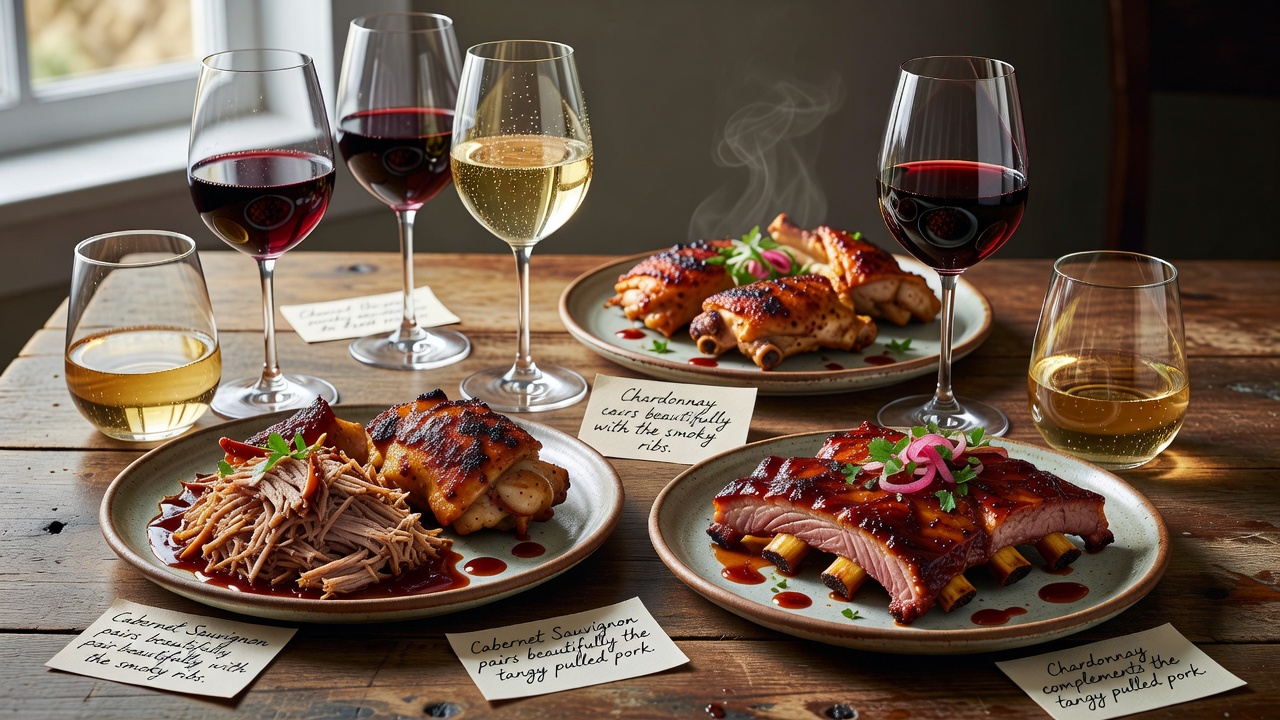
Memphis ribs shine alongside Zinfandel or Grenache, both of which handle sweet-tangy sauces without becoming overwhelmed. Carolina pulled pork benefits from off-dry Riesling or Grüner Veltliner that balances vinegar sauces while refreshing the palate between bites. Grilled chicken welcomes Pinot Noir or Sauvignon Blanc; the lighter body prevents the wine from overpowering delicate poultry flavors yet still stands up to herb rubs or light smoke.
Additional practical pairings include serving a structured Malbec with beef short ribs to highlight charred edges and caramelized bark. For smoked sausage, a peppery Syrah mirrors the spice blend. When cooking multiple meats at once, choose versatile bottles such as GSM blends that bridge beef and pork courses seamlessly.
Comparison Table: Wine Types vs. Meat Cuts
| Wine Type | Best For | Why It Works |
|---|---|---|
| Cabernet Sauvignon | Brisket, Beef Ribs | High tannins cut fat; dark fruit complements smoke |
| Riesling | Pulled Pork, Spicy Chicken | Acidity and subtle sweetness tame heat and vinegar |
| Syrah | Smoked Sausage, Lamb | Peppery notes echo rubs; full body stands up to char |
| Pinot Noir | Chicken, Turkey | Light tannins and red fruit provide elegant balance |
| Sauvignon Blanc | White Meat with Herbs | Crisp acidity refreshes after rich sauces |
Natural Wines and 2026 Trends
Natural wines continue their rise in 2026, especially among sommeliers who value minimal-intervention bottles that highlight terroir. These wines often carry subtle earthy or funky notes that pair naturally with long-smoked meats. When selecting natural reds for barbecue, look for bottles with gentle tannins and bright acidity rather than heavy extraction. White natural wines such as skin-contact varieties add texture that stands up to spice rubs.
Many professionals now incorporate low-intervention wines into backyard events because they elevate simple grilled dishes without overpowering them. The trend encourages experimentation with orange wines alongside smoked chicken or pét-nat sparklers as aperitifs before the main course begins.
Regional Variations and Expert Insights
Texas barbecue favors bold New World reds from California or Washington, while Korean-inspired smoked meats pair with aromatic whites from Alsace or the Loire Valley. In the American South, sommeliers often reach for domestic Rhône-style blends that echo the region’s love of bold flavors. International influences appear more frequently in 2026, with sommeliers introducing Italian Aglianico for spicy brisket or Spanish Tempranillo for pulled pork sandwiches.
Explore additional pairing ideas from Wine Magazine and seasonal grilling suggestions at Food & Wine. These resources provide vintage updates and technique deep-dives that complement the principles outlined here.
Serving Tips, Glassware, and Temperature
Proper serving temperature dramatically improves pairings. Chill whites to 45–50°F and serve reds at 60–65°F for summer barbecues. Use large-bowled glasses for reds to allow tannins to breathe and narrower glasses for whites to concentrate aromatics. Keep an ice bucket nearby so white wines stay crisp throughout the meal.
Common Mistakes to Avoid
- Choosing overly sweet wines with spicy rubs, which amplifies heat instead of cooling it.
- Ignoring temperature; serve whites well-chilled and reds at cool room temperature for optimal balance.
- Overlooking regional sauces—vinegar-based Carolina styles need higher acidity than tomato-based Texas sauces.
- Pairing light wines with heavy brisket, resulting in flavors that get lost.
- Forgetting to taste the wine with the meat together; always test the combination before serving guests.
- Using old or oxidized bottles that lack the freshness needed to cut through rich fats.
Practical Steps for Home Sommeliers
- Start with one bottle per meat type and taste each combination before guests arrive.
- Prepare small tasting portions of meat and wine to refine choices quickly.
- Keep backup bottles chilled or at the correct temperature in case adjustments are needed.
- Document successful pairings in a notebook for future reference and refinement.
Short FAQ Section
What wine works best with brisket?
Full-bodied reds like Cabernet Sauvignon or Malbec deliver the tannins needed to cut through rich fat while dark fruit notes complement long-smoked flavors.
Can white wines pair with smoked meats?
Yes, especially crisp whites like Riesling or Grüner Veltliner that handle spice and refresh the palate between bites of fatty or saucy meats.
Are natural wines suitable for barbecue?
Absolutely—their earthy, unfiltered character complements smoke and wood notes beautifully in 2026 pairings and add unexpected depth.
How do I adjust pairings for sweet BBQ sauces?
Opt for off-dry or fruit-forward wines to mirror the sauce’s sweetness without clashing with spice or smoke elements.
What if I am serving multiple meats at once?
Choose versatile GSM blends or medium-bodied Syrah that bridge beef, pork, and poultry courses without favoring one over another.
Conclusion
Mastering sommelier wine pairings transforms ordinary barbecue into an elevated experience. By focusing on fat, spice, and smoke while embracing 2026 natural wine trends, anyone can create harmonious matches for brisket, ribs, pulled pork, and chicken. Experiment with the principles, table, and practical steps above to discover personal favorites that make every grill session memorable and repeatable.
No comments yet. Be the first!