 Uncorked Conversations
Introduction: Mastering Grilled Vegetable Wine Pairings
Grilled vegetables bring smoky, charred flavors that transform simple produce into something special. Pairing them with the right wines enhances both the food and the drink, creating balanced experiences perfect for home entertaining. This guide provides practical, repeatable methods drawn from sommelier practices to help beginners and enthusiasts alike. Grilling caramelizes natural sugars and adds bitterness from char, which interacts with wine’s acidity, tannins, and fruit notes. Understanding these interactions allows confident selections without needing professional training. Many home cooks overlook how the intense heat changes vegetable textures and flavors, yet these changes create opportunities for exciting pairings that highlight freshness and complexity.
Whether preparing a backyard dinner or a casual gathering, selecting wines that complement grilled vegetables elevates the entire meal. The focus remains on accessible techniques rather than obscure knowledge, ensuring anyone can achieve professional-level results.
Understanding Flavor Interactions Between Charred Produce and Wine
Acidity in wine cuts through the richness of grilled items while fruitiness complements sweet charred edges. Tannins can clash with delicate vegetables, so lighter styles often work best. Sommeliers focus on matching intensity and mirroring or contrasting flavors for harmony. The Maillard reaction during grilling produces savory, roasted notes that pair well with wines showing mineral or herbal qualities. High-acid whites refresh the palate after smoky bites, while subtle reds add earthiness that echoes grilled mushrooms. Fruit-forward wines can balance any bitterness from over-charring, creating a pleasing contrast that keeps guests reaching for another bite and another sip.
Consider how the vegetable’s water content decreases on the grill, concentrating flavors and requiring wines with enough structure to stand up without overwhelming the dish. These interactions form the foundation for every successful pairing.
Matching Specific Vegetables to Varietals
Different vegetables demand tailored approaches based on their texture and flavor after grilling. Detailed knowledge of each type helps refine choices quickly.
Asparagus
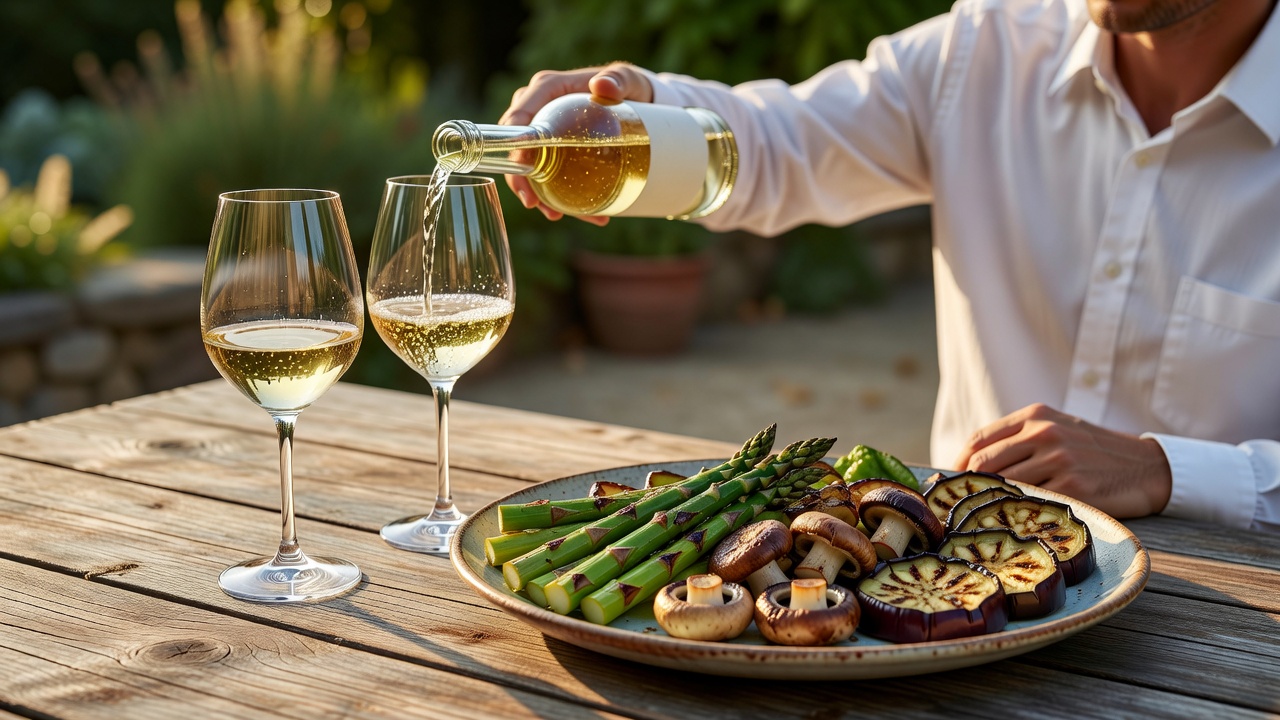
Asparagus develops a nutty, slightly bitter profile on the grill. Crisp Sauvignon Blanc or Grüner Veltliner pairs beautifully, their bright acidity balancing the vegetable’s earthiness. A touch of herbal notes in the wine echoes the asparagus spears. Additional options include Albariño for its citrus lift or a dry Riesling that adds subtle sweetness to counter any char. When asparagus is seasoned with olive oil and sea salt, the wine should emphasize clean minerality to avoid masking delicate flavors. Sommeliers often recommend serving the wine slightly chilled to enhance refreshment against the warm vegetable.
Mushrooms
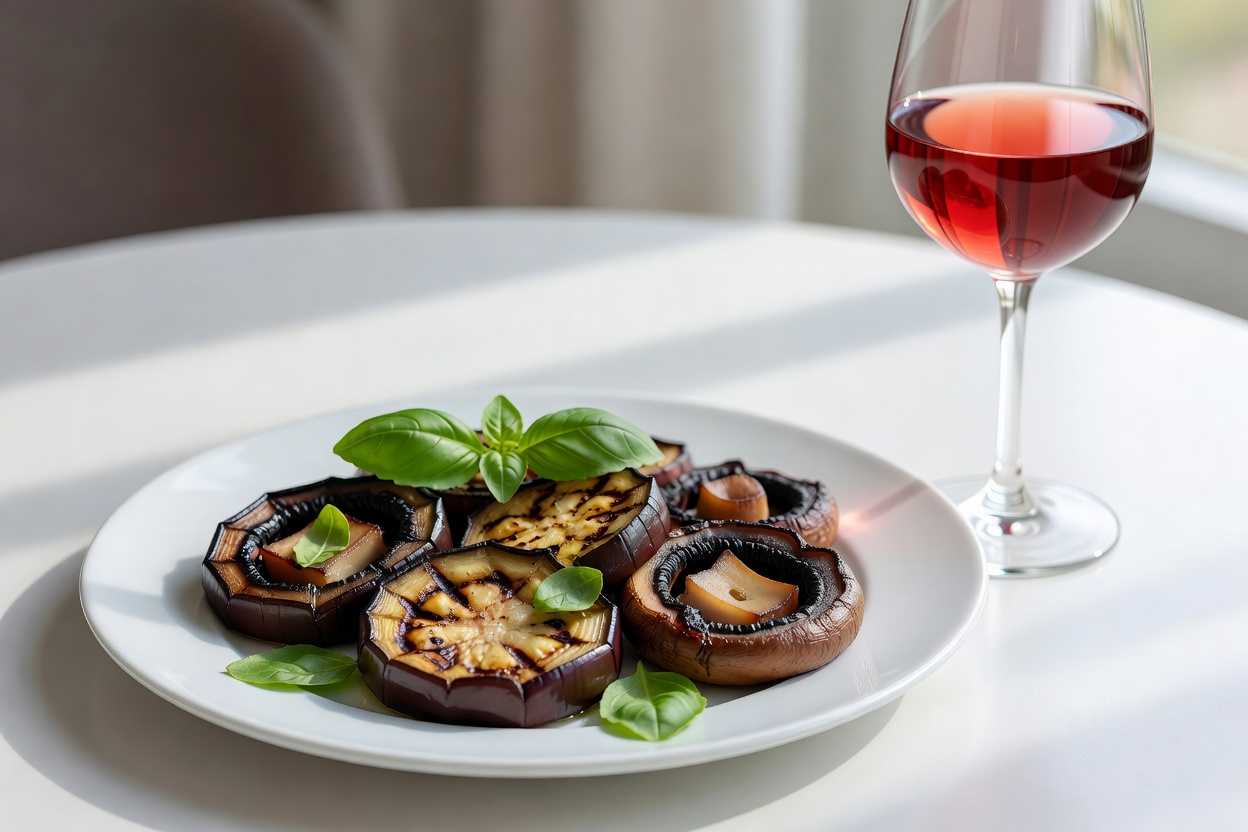
Grilled mushrooms offer umami depth. Earthy Pinot Noir or light Gamay complements this without overpowering. The wine’s subtle fruit and mushroom-like aromas create synergy on the plate. Try Barbera for its lively acidity or a Loire Valley Cabernet Franc that brings green pepper notes matching grilled caps. Portobello mushrooms, with their meaty texture, welcome slightly more structured reds while button mushrooms stay best with delicate whites. Always taste the mushrooms first to gauge the level of smoke before finalizing the bottle.
Eggplant
Eggplant absorbs smoke and becomes creamy. Medium-bodied whites like Vermentino or reds such as Barbera handle its richness while acidity refreshes each bite. Sicilian Nero d’Avola works especially well due to its savory herbal edge. Zucchini and summer squash respond nicely to unoaked Chardonnay, while bell peppers shine alongside dry Rosé for vibrant contrast. These matches demonstrate how vegetable-specific traits guide varietal selection.
Red Versus White Wine Comparisons
Whites generally suit grilled vegetables due to higher acidity and lower tannins. However, certain light reds excel with heartier options like portobello mushrooms. Compare an oaked white, which adds creaminess, against a fruit-forward red that brings freshness. Test both styles side by side to discover personal preferences. Whites such as Sauvignon Blanc provide zesty contrast to charred edges, whereas reds like Pinot Noir introduce earthy depth that mirrors the grill. The choice often depends on the meal’s other elements, such as sauces or side dishes. Experimenting reveals that some vegetables tolerate light reds surprisingly well when tannins remain soft.
Step-by-Step Selection Techniques
- Assess the vegetable’s dominant flavor after grilling—sweet, bitter, or savory.
- Choose wine acidity to match or cut richness.
- Consider weight: light vegetables need delicate wines; dense ones handle bolder styles.
- Taste progressively, adjusting based on the full dish including sauces or herbs.
- Experiment with small pours to refine the pairing before serving guests.
- Note the char level and adjust toward wines with complementary smokiness or bright fruit.
- Factor in seasoning such as garlic or herbs when narrowing options.
These steps create reliable results every time and build intuition for future pairings.
Sommelier Pairing Examples from Real Menus
Professional menus often feature grilled asparagus with Austrian Grüner Veltliner or charred mushrooms alongside Oregon Pinot Noir. One notable example pairs eggplant with Sicilian Nero d’Avola for regional synergy. These choices highlight how simple produce shines with thoughtful wine selections. At leading restaurants, chefs and sommeliers collaborate to create menus where the wine amplifies the vegetable’s natural sweetness while tempering bitterness. For deeper reading on professional techniques, explore resources from Decanter and Wine Spectator.
Seasonal 2026 Produce Tips
In 2026, focus on peak-season vegetables for maximum flavor. Summer brings abundant zucchini and peppers ideal for lighter whites. Fall mushrooms pair well with earthy reds. Always source fresh, local produce to elevate pairings naturally. Early summer asparagus benefits from crisp, high-acid wines, while late-season eggplant develops sweeter notes that welcome medium-bodied reds. Monitoring weather patterns helps predict optimal harvest times, ensuring the freshest ingredients for your pairings. Rotating selections throughout the year keeps the experience dynamic and enjoyable.
Building a Grilled Vegetable Platter for Pairing Success
Creating a balanced platter involves mixing textures and colors. Combine firm vegetables like asparagus with softer ones such as eggplant to offer varied mouthfeels. Include a range of char levels so guests can experience how different degrees of smokiness interact with the same wine. Arrange items thoughtfully and provide small tasting portions to encourage exploration of multiple pairings during one meal.
Common Mistakes and How to Avoid Them: FAQ
Q: Can I use heavy red wines with vegetables?
A: Avoid full-bodied reds with delicate items like asparagus, as tannins overpower subtle flavors. Opt for lighter varieties instead.
Q: What if the wine tastes too sweet?
A: Balance with more acidic vegetables or add a squeeze of lemon to the dish.
Q: Are there universal pairings?
A: No single wine works for every vegetable; tailor selections based on char level and seasoning.
Q: How do I handle overly charred vegetables?
A: Choose wines with pronounced fruit or slight sweetness to counter bitterness without clashing.
Q: Should wine be served at room temperature?
A: Chill whites and light reds slightly to maintain vibrancy against warm grilled items.
Conclusion
Pairing wines with grilled vegetables becomes intuitive with practice. By focusing on acidity, weight, and specific matches, anyone can create memorable combinations. Apply these methods to elevate your next gathering and enjoy the results. Continued experimentation will refine your palate and turn simple dinners into standout occasions.
No comments yet. Be the first!