 Uncorked Conversations
Introduction to Persian Wine Pairing in 2026
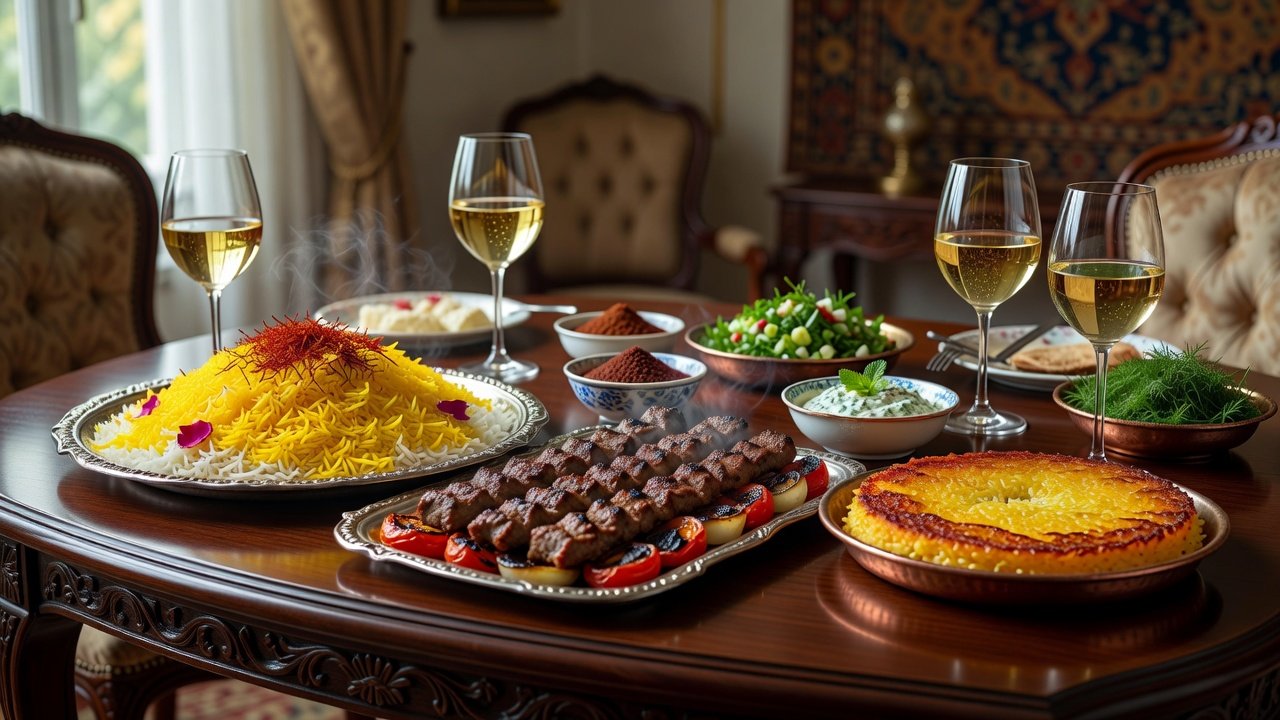
Persian cuisine stands out for its intricate balance of saffron, fresh herbs, tangy pomegranate, and grilled meats. In 2026, sommeliers are refining pairings to highlight these elements with acidity-driven wines rather than heavy tannins. This guide delivers practical recommendations for home cooks and enthusiasts seeking fresh insights beyond basic Middle Eastern pairings. The cuisine draws from centuries of tradition, incorporating influences from Central Asia and the Mediterranean, resulting in dishes that demand wines capable of refreshing the palate between bites of rich stews or crispy rice. Acidity becomes the star player, cutting through yogurt marinades and balancing the earthy depth of herbs like fenugreek and dill.
Understanding Core Flavors in Persian Dishes
Classic Persian meals revolve around bright acidity from ingredients like sumac, lime, and yogurt marinades. Grilled kebabs deliver smoky char, while tahdig offers crispy rice texture with subtle tang. Stews such as ghormeh sabzi introduce earthy herbs and dried limes. Sommeliers prioritize wines that cut through richness without overpowering delicate saffron notes. Additional flavor layers include barberries for tart sweetness in zereshk polo, walnuts for creaminess in fesenjan, and the subtle smokiness from charcoal grilling. These components create a dynamic flavor profile where wine must provide contrast rather than compete. For instance, the interplay of sweet and sour in many mains requires wines with enough residual sugar or vibrant fruit to harmonize without clashing.
Recommended Varietals for Persian Cuisine
Crisp whites like Sauvignon Blanc and Vermentino excel with herb-forward dishes. Light reds such as Pinot Noir and Gamay pair well with grilled elements. For stews, consider off-dry Riesling to balance spice and acidity. These choices reflect 2026 trends emphasizing freshness over oak influence. Expanding further, Albariño from Spain offers saline minerality that mirrors the citrus elements in many marinades, while Austrian Grüner Veltliner brings white pepper notes that echo the warm spices in kebab rubs. On the red side, Cru Beaujolais provides juicy cherry flavors that complement charred meats without overwhelming the saffron. Sparkling options like Prosecco or Cava add celebratory effervescence ideal for festive spreads featuring multiple courses.
Step-by-Step Pairing Logic
- Assess the dominant flavor: saffron calls for aromatic whites with floral and citrus aromatics to amplify rather than mask its golden hue.
- Match texture: crispy tahdig benefits from sparkling or high-acid wines that cleanse the palate after each crunchy bite.
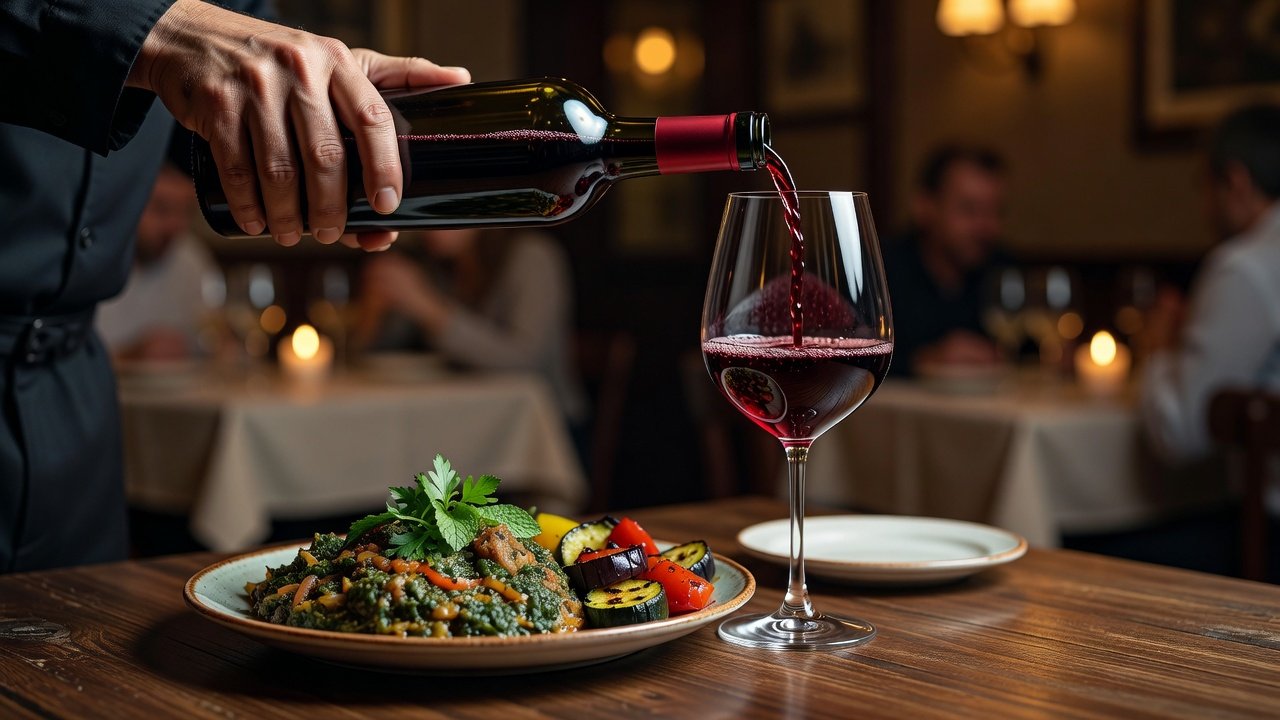
- Balance heat and tang: light reds tame grilled char while their soft tannins integrate with protein richness.
- Consider temperature: serve whites chilled to 8-10°C for optimal refreshment and reds at 14-16°C to preserve fruit vibrancy.
- Factor in accompaniments: side dishes like mast-o-khiar or torshi require wines versatile enough to bridge multiple flavor intensities across the table.
Pairing Classic Kebabs
Juicy lamb or chicken kebabs with grilled vegetables shine alongside a vibrant Pinot Noir from cooler climates. The wine's red fruit and gentle tannins complement the char while echoing herbal notes from the marinade. Real-world examples from Iranian restaurants in Los Angeles highlight how a chilled Gamay elevates saffron-rubbed beef. For koobideh kebabs, the minced meat's juiciness pairs beautifully with a Sauvignon Blanc whose grassy notes mirror fresh parsley and cilantro in the mix. Joojeh kebab, marinated in saffron and lemon, finds harmony with Vermentino that brings almond and citrus zest to the forefront. When serving multiple kebab varieties at once, opt for a versatile bottle like a dry rosé from Provence to accommodate varying spice levels and protein types.
Explore more wine pairing strategies at Wine Mag
Tahdig and Wine Matches
The golden, crispy tahdig layer demands wines with bright acidity to cleanse the palate. Vermentino or Albariño cuts through buttery rice while highlighting yogurt-based dips. Home cooks can experiment by serving a lightly chilled bottle alongside traditional zereshk polo variations. The contrast between the crunchy bottom crust and softer upper rice layers benefits from wines with lively bubbles or sharp lemon-lime acidity. A Spanish Albariño often excels here because its ocean-like salinity pairs with any seafood-infused tahdig styles, while an Italian Vermentino brings herbal undertones that align with dill or mint additions.
Stews and Bold Herb Pairings
Ghormeh sabzi and fesenjan stews feature complex herb and nut profiles. An off-dry Riesling or Chenin Blanc balances the dried lime tang without clashing with walnut richness. Comparison of options shows Sauvignon Blanc offering zesty contrast while Pinot Gris provides softer texture. Ghormeh sabzi's signature fenugreek and kidney beans create an earthy base best lifted by Riesling's petrol and apricot notes. Fesenjan's pomegranate molasses and ground walnuts call for Chenin Blanc from the Loire Valley, whose honeyed finish tempers the stew's sweet-sour tension. For those preferring reds, a light Gamay from Beaujolais Villages adds subtle earthiness that integrates with the herb intensity without dominating.
| Wine | Best With | Why It Works |
|---|---|---|
| Sauvignon Blanc | Kebabs & Herbs | High acidity cuts fat and refreshes herbal notes |
| Pinot Noir | Grilled Meats | Red fruit echoes char and complements saffron |
| Riesling | Stews | Balances tang, spice, and rich textures |
| Vermentino | Tahdig & Rice | Saline minerality enhances crispy elements |
Wine Pairings for Rice and Side Dishes
Persian rice preparations extend beyond tahdig to include fragrant basmati pilafs with raisins and almonds. These sides pair well with aromatic whites such as Gewürztraminer, whose lychee and rose petal aromatics enhance the sweet elements. Vegetable sides like borani or kuku sabzi benefit from the same crisp whites used for main herbs, ensuring continuity across the meal. When planning a full table, select two whites and one light red to cover the spectrum of rice, stews, and grilled items efficiently.
Real-World Examples from Iranian Restaurants
Establishments in major cities showcase these pairings successfully. In New York, one venue pairs ghormeh sabzi with an Austrian Grüner Veltliner that highlights the dish's green herb vibrancy. In London, sommeliers recommend off-dry Riesling with fesenjan to offset the walnut creaminess. These examples demonstrate how global wine lists adapt to Persian flavors while maintaining authenticity.
Practical Tips for Home Cooks
- Start with small pours to test pairings before committing to full glasses.
- Keep wine lists focused: three whites and two reds cover most Persian menus.
- Account for spice levels by choosing wines with residual sugar when heat is present.
- Store opened bottles properly to maintain freshness for multi-course meals.
- Experiment with food temperature: serve dishes warm but not piping hot to allow wine aromatics to shine.
- Use decanters for light reds to soften any subtle tannins before serving.
Common Mistakes and How to Avoid Them
Many enthusiasts default to heavy Cabernet with kebabs, which overwhelms saffron. Instead, lighter reds preserve balance. Another error involves ignoring temperature—warm whites mute acidity. Overlooking side dishes can also disrupt harmony; always consider the full plate rather than isolated mains. Avoiding overly sweet wines prevents clashing with the cuisine's natural tang.
FAQ
What wine pairs with zereshk polo? A crisp Sauvignon Blanc highlights barberries and saffron beautifully.
Can I use rosé? Dry rosé works well with mixed grills for its versatility across proteins.
Are there non-alcoholic options? Sparkling water with lime mimics the acidity of white wines effectively.
How do I pair wine with multiple courses? Begin with aromatic whites for starters and transition to light reds for mains.
What if my stew is very spicy? Choose off-dry whites with higher acidity to refresh between bites.
Learn additional techniques from Food & Wine experts
Read sommelier insights at Decanter
Conclusion
Mastering sommelier-level pairings for Persian cuisine in 2026 elevates every meal. By focusing on acidity, varietal choice, and thoughtful temperature control, enthusiasts create memorable dining experiences that honor both tradition and modern wine trends. With these expanded strategies, home cooks and professionals alike can confidently navigate the rich tapestry of Persian flavors.
No comments yet. Be the first!