 Uncorked Conversations
Introduction to Molecular Gastronomy Wine Pairings
Molecular gastronomy transforms classic dishes through scientific techniques, creating intense flavors and surprising textures that challenge traditional wine pairings. In 2026, adventurous home cooks and professional chefs alike seek sommelier-level results by matching wine acidity, tannins, and body to altered ingredients such as olive oil caviar or nitrogen-frozen desserts. This guide delivers practical, in-depth advice to achieve balanced pairings every time, helping readers understand how altered textures demand new approaches to wine selection while preserving the core principles of balance, contrast, and harmony that sommeliers have refined over decades.
The rise of molecular techniques has expanded the possibilities for creative dining, yet it also introduces complexities. Foams lighten dishes dramatically, spherification delivers sudden flavor releases, and gels intensify concentrations in unexpected ways. Wine pairings must therefore evolve beyond simple protein-and-tannin rules to account for these dynamic changes in the mouth.
Core Techniques in Molecular Gastronomy and Their Impact on Wine
Understanding the main techniques helps identify the right wine characteristics. Foams introduce airy lightness that can mute bold tannins, while spherification delivers liquid bursts that demand high-acidity wines to cut through. Gels concentrate flavors, requiring wines with enough structure to stand up without overwhelming delicate notes. Each method alters how flavors are perceived over time, making the timing of wine sips crucial during a meal.
Acidity acts as the primary bridge. Wines with vibrant acidity refresh the palate after intense flavor explosions from spherified elements. Tannins, meanwhile, interact differently with gels, often softening or amplifying bitterness depending on the base ingredient. Body and alcohol levels also play roles, as lower-alcohol wines tend to pair better with cold or frozen components that numb the palate temporarily.
Additional considerations include temperature interactions and aroma volatility. Molecular dishes often involve extreme temperatures, which can suppress or heighten certain wine aromas. Sommeliers recommend serving wines slightly warmer or cooler than standard to compensate for these effects.
Step-by-Step Flavor Mapping Examples
Follow this process for any molecular dish. First, identify dominant flavors and their intensity. Second, note texture changes and how they affect mouthfeel. Third, select wine attributes that complement or contrast those elements. Fourth, test the pairing in small sips and bites to refine the match before committing to a full glass.
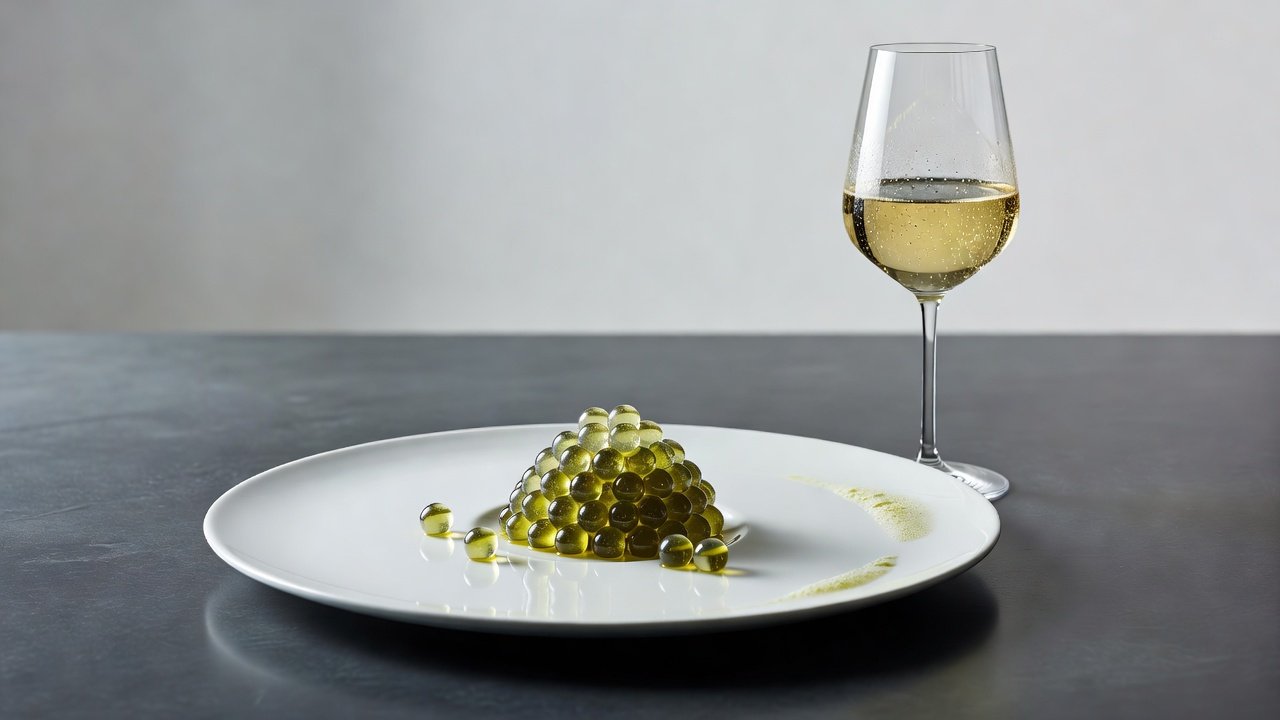
- Olive oil caviar: Pair with high-acid Sauvignon Blanc to balance richness and provide citrus lift while the spheres burst.
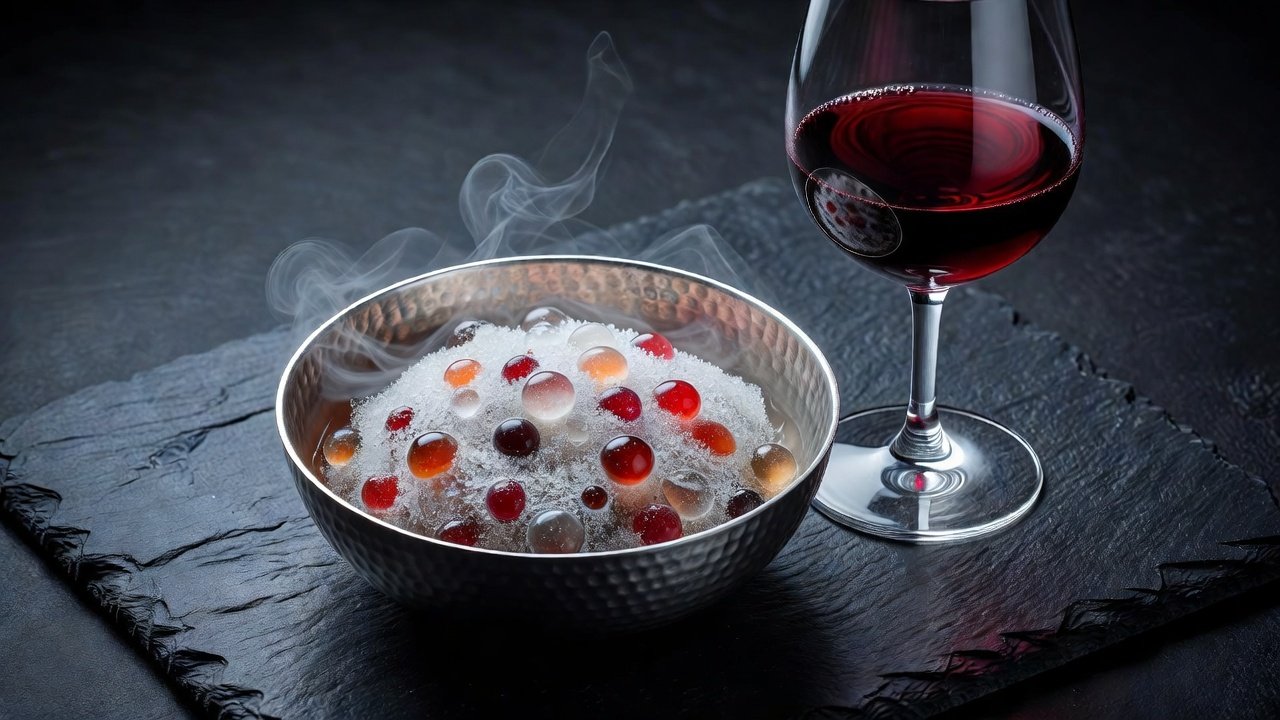
- Nitrogen-frozen herb sorbet: Choose off-dry Riesling to counter extreme cold and highlight herbal notes without clashing with icy textures.
- Deconstructed chocolate foam: Opt for medium-bodied Pinot Noir whose earthiness echoes cocoa without clashing with airiness.
- Tomato water spheres with basil: Match with a crisp Vermentino that offers herbal undertones and bright acidity to refresh after each burst.
- Espresso gel with milk foam: Select a light-bodied Gamay whose red fruit notes cut through bitterness and complement the creamy foam layer.
Practice mapping on paper before experimenting to refine choices quickly and avoid wasted wine or ingredients.
Traditional Plates Versus Deconstructed Versions
A classic steak dinner pairs well with Cabernet Sauvignon for its tannic grip on protein. When deconstructed into gels and foams, the same dish benefits from a lighter Gamay that navigates airy textures without overpowering subtle meat essences. The key difference lies in reduced fat content in molecular versions, which lessens the need for heavy tannins. Traditional plates provide steady flavor release, whereas deconstructed versions create peaks and valleys that require wines capable of pivoting between intense and delicate moments.
Comparisons reveal that deconstructed plates often require wines with brighter fruit to echo concentrated bursts rather than steady flavors found in traditional cooking. This shift encourages sommeliers to explore lesser-known varietals that offer versatility across multiple textures in a single course.
Practical Home-Kitchen Tips Using Affordable Wines
Start with versatile bottles available at most retailers. Focus on regions known for balanced acidity and moderate tannins. Chill whites slightly below room temperature to enhance refreshment against gels. Decant reds briefly to soften edges when pairing with foams. Always taste the molecular component first on its own to establish a baseline before introducing wine.
Experiment in small batches. Taste the dish alone first, then sip the wine to observe interactions. Adjust by adding a squeeze of citrus or pinch of salt to the food if the pairing feels off-balance. Keep a notebook of successful combinations for future reference, noting specific techniques used and wine characteristics that worked best. Consider investing in basic molecular tools like silicone molds or siphons to replicate restaurant effects at home without professional equipment.
Real-World Case Studies from 2026 Trends
Restaurants in major culinary cities have adopted hybrid pairings where a single course features both traditional and molecular elements. One notable example involved a spherified tomato consommé matched with a crisp Vermentino, creating a refreshing contrast that diners described as transformative. Another trend highlights low-intervention wines with natural acidity that harmonize with nitrogen desserts, reducing the perception of sweetness. A third case from a leading 2026 pop-up series paired olive oil caviar with aged white Burgundy, demonstrating how oxidative notes can elevate the richness of the spheres when acidity remains high.
These cases demonstrate how sommeliers adapt classic principles to new textures while maintaining harmony. Many establishments now train staff on texture-specific service, advising slower pours or smaller glasses to allow guests time to experience each flavor burst fully. Home cooks can replicate similar success by studying these examples and scaling techniques to smaller portions.
Common Pairing Pitfalls and FAQ
Many enthusiasts overlook how cold temperatures mute aroma, leading to mismatched intensity. Another frequent error is choosing overly oaky wines that clash with delicate foams. Overlooking the order of consumption can also ruin a pairing if a strong gel precedes a light wine.
Frequently Asked Questions
How do I pair wine with multiple textures in one dish? Prioritize the dominant texture and use wine acidity to tie elements together across the plate.
Can red wines work with spherification? Yes, when the spheres contain savory or earthy fillings that complement tannin without creating clashes.
What if the pairing tastes flat? Increase wine acidity or add brightness to the dish through fresh herbs or a touch of acid.
Are there specific regions best for molecular pairings? Regions producing high-acid whites such as the Loire Valley or cool-climate reds from Burgundy often provide reliable starting points.
Conclusion
Molecular gastronomy opens exciting possibilities for wine pairings when approached with structured flavor mapping and attention to texture. By applying sommelier principles to foams, spherification, and gels, home cooks can achieve professional results with thoughtful, affordable selections. Experiment confidently and refine based on personal taste for memorable dining experiences that blend science and tradition seamlessly.
No comments yet. Be the first!