 Uncorked Conversations
Introduction to Sommelier Wine Pairings for Italian Cuisine
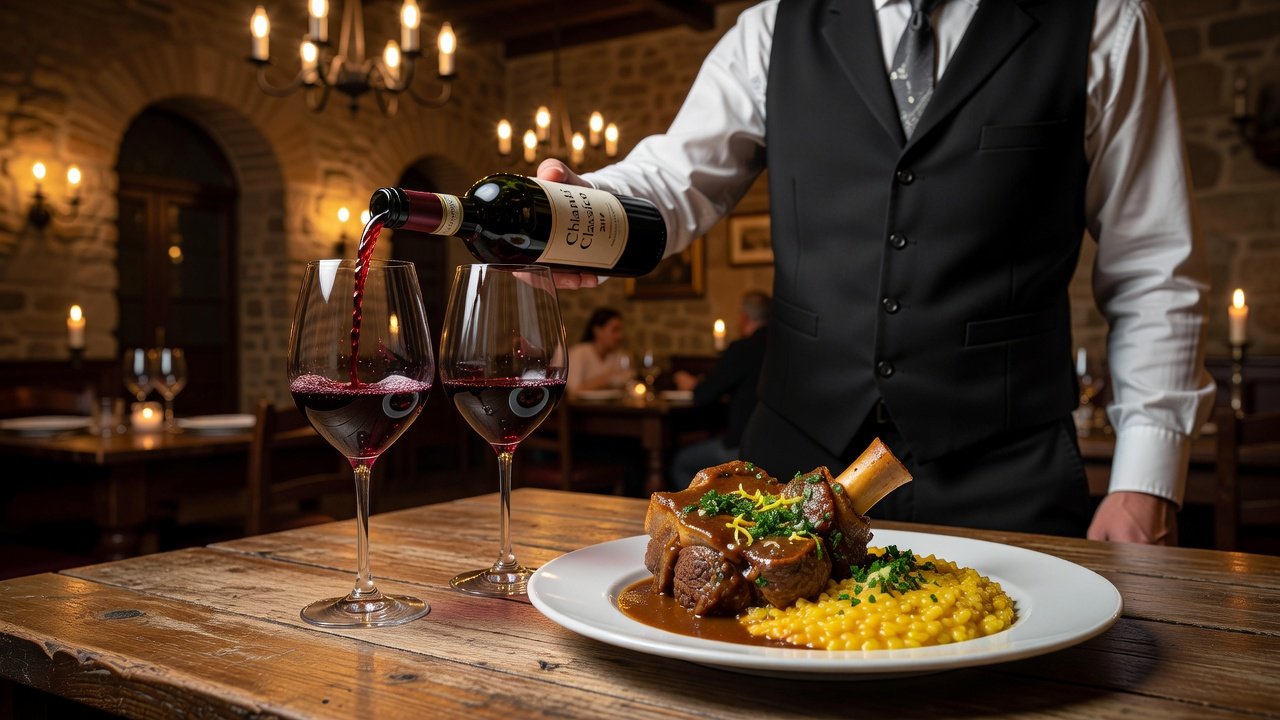
Italian cuisine reaches its full potential when expertly paired with wine, leveraging acidity, tannins, and authentic regional varietals. In 2026, sommeliers refine these matches for classics such as pasta carbonara, risotto, osso buco, and tiramisu. This comprehensive guide examines proven techniques that balance tomato acidity, creamy textures, and rich meats using wines like Chianti, Pinot Grigio, and Barolo. Effective pairings enhance rather than compete with flavors. Acidity cuts through fats while tannins complement proteins, and regional Italian wines often excel due to shared terroir with local ingredients. Home cooks and professionals alike benefit from understanding these dynamics to create memorable dining experiences throughout the year.
Core Principles of Food and Wine Pairing
Sommeliers focus on balance through acidity, body, and flavor intensity. Creamy dishes require wines with bright acidity to refresh the palate, while rich meats pair best with structured reds offering tannic grip. Tomato-based sauces demand matching acidity levels to prevent clashes. For instance, a high-acid white can lift a heavy cream sauce, whereas a tannic red tames fatty braises. Comparisons between red and white options reveal versatility: whites like Pinot Grigio deliver crispness for lighter fare, while reds like Barolo provide depth for heartier courses. These principles remain foundational in 2026 as new vintages emerge.
10 Expert Sommelier Pairings for Iconic Italian Dishes
- Carbonara with Franciacorta: The sparkling wine's bubbles cut through egg and cheese richness while its brioche notes echo the pancetta.
- Classic Risotto with Pinot Grigio: Its mineral and citrus notes complement creamy Arborio rice without overwhelming subtle saffron or mushroom elements.
- Osso Buco with Barolo: Powerful tannins and dark fruit stand up to braised veal and marrow, creating a harmonious finish.
- Tiramisu with Vin Santo: Sweetness and nutty undertones echo coffee and cocoa without overpowering the dessert's delicate layers.
- Margherita Pizza with Chianti: Sangiovese acidity matches tomato and basil while the wine's cherry notes enhance mozzarella.
- Seafood Linguine with Vermentino: Bright citrus and herbal notes enhance fresh shellfish and garlic without masking delicate seafood.
- Bolognese Ragù with Barbera: Lively acidity balances the meaty sauce and prevents the dish from feeling too heavy.
- Grilled Branzino with Soave: Light body and almond notes mirror the delicate fish flavors and lemon accents.
- Lasagna with Nero d'Avola: Full-bodied red complements layered cheeses and meats with its dark fruit and spice.
- Prosciutto e Melone with Prosecco: Effervescence contrasts the salty-sweet elements and cleanses the palate between bites.
Decanter regularly highlights similar regional matches that continue to influence modern pairings.
Sommelier Secrets: Temperature, Glassware, and Service
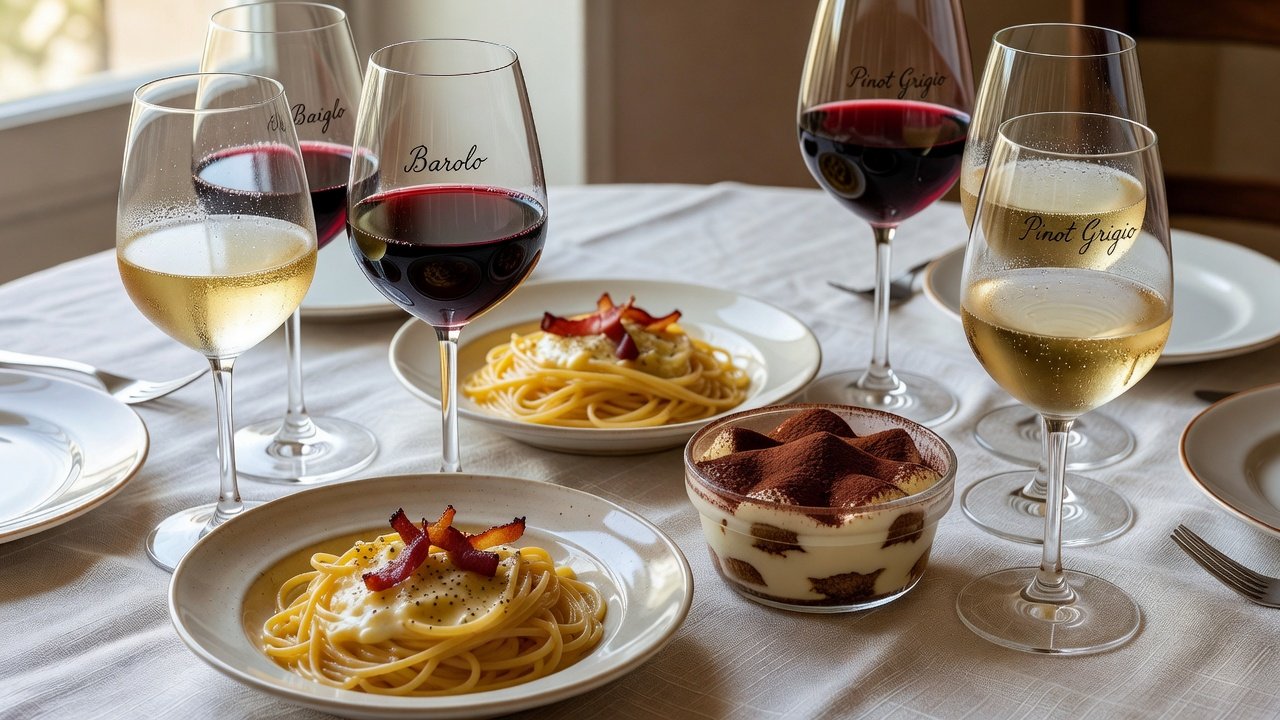
Proper serving temperature unlocks aromas and flavors. Whites should be chilled to 8-12°C, while reds benefit from 16-18°C. Over-chilling reds mutes tannins, and warm whites taste flabby. Glassware selection is equally critical: large-bowled glasses suit reds to allow aeration, while narrower glasses concentrate delicate white wine scents. Step-by-step service begins with selecting the correct glass, followed by pouring to one-third capacity, then gentle swirling before sipping. Decanting structured reds like Barolo for 30-60 minutes further softens tannins. These details elevate every meal from ordinary to exceptional.
Red Versus White: Strategic Comparisons with Examples
Reds excel with robust proteins due to tannins that cleanse the palate after each bite. Whites shine with seafood and creamy sauces thanks to refreshing acidity. For hybrid dishes like mushroom risotto, a medium-bodied red or lightly oaked white can both succeed depending on intensity. Consider carbonara: a sparkling white refreshes the richness, yet a light red can work if the egg component is not dominant. Testing both options side by side helps diners discover personal preferences while respecting classic guidelines.
Practical Tips for Home Entertainers
- Begin with a versatile white like Pinot Grigio for appetizers to set a refreshing tone.
- Match wine body to dish weight by choosing light wines for delicate flavors and fuller wines for hearty courses.
- Prepare multiple bottles for varied courses to accommodate progression through the meal.
- Offer one red and one white option so guests can select based on preference or dietary needs.
- Store wines at consistent cool temperatures to preserve quality until serving.
- Experiment with small pours during cooking to test pairings in real time.
- Account for spice levels by selecting off-dry whites when mild heat is present.
- Keep water and palate cleansers available between courses for optimal enjoyment.
These steps ensure seamless pairings at home gatherings and impress guests with professional-level attention to detail. WSET provides additional resources for developing these skills further.
FAQ: Common Mistakes in Italian Wine Pairings
What is the biggest pairing error?
Ignoring acidity levels often leads to imbalanced meals. Always match wine acidity to sauce intensity to maintain harmony.
Can I pair sweet wines with savory dishes?
Yes, but only with desserts like tiramisu. Savory courses generally need dry wines to avoid clashing flavors.
How do I choose glassware on a budget?
Invest in universal glasses that suit both reds and whites for versatility across multiple meals.
Should I always follow regional rules?
Regional matches work well but experimenting with international wines can yield surprising successes when acidity and body align.
What if a pairing feels off during dinner?
Adjust by adding a squeeze of lemon or a sprinkle of cheese to rebalance the dish toward the wine.
Jancis Robinson offers further insights into avoiding these pitfalls through structured tasting approaches.
Conclusion
Mastering sommelier pairings elevates Italian cuisine experiences. By applying these techniques with regional varietals, home entertainers and professionals alike can create memorable meals in 2026 and beyond.
No comments yet. Be the first!