 Uncorked Conversations
Introduction to Brazilian Wine Pairings
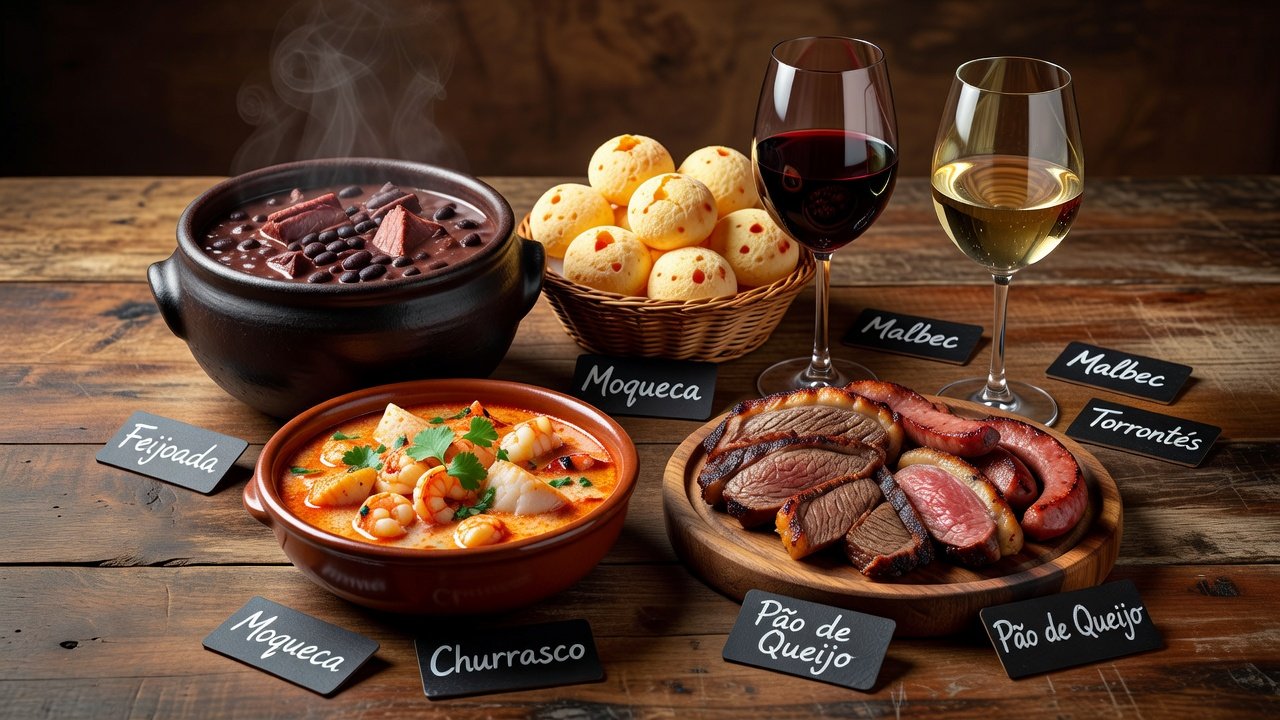
Brazilian cuisine represents a vibrant fusion of indigenous ingredients, Portuguese colonial traditions, African culinary techniques and influences from Italian, German and Japanese immigrants. This diversity produces intensely flavored dishes that demand thoughtful wine pairings. In 2026 sommeliers emphasize acidity to refresh the palate after rich stews, tannins to counter grilled fats and aromatic whites to complement coconut-based preparations. Understanding these dynamics allows both professionals and home cooks to create memorable matches that elevate iconic meals such as feijoada, moqueca, churrasco and pão de queijo.
Core Principles of Matching Wine with Brazilian Flavors
Effective pairings start with identifying the dominant characteristics of each dish: fat content, spice level, acidity and cooking method. Brazilian recipes frequently incorporate palm oil, coconut milk, garlic, lime and chili peppers, creating layers that require wines with sufficient structure. High-acidity whites cut through creamy textures while medium-tannin reds balance charred meats. Regional South American grapes often succeed because their ripeness and fruit-forward profiles align with local palates. For deeper insight into varietal characteristics, consult resources from Decanter. Temperature control also matters; whites served at 8–10 °C and reds at 16–18 °C enhance balance. Experimentation remains key because personal taste ultimately guides final choices.
Pairing Feijoada: Brazil’s National Dish
Feijoada combines black beans with multiple pork and beef cuts, slow-simmered with bay leaves, garlic and orange slices. The resulting richness and subtle smokiness call for wines offering contrast. Young Malbec from Argentina provides dark cherry notes and soft tannins that cleanse between bites of sausage and bacon. Portuguese Touriga Nacional adds violet aromas that echo the herbal elements in the stew. For a white alternative, an off-dry Riesling tempers saltiness while its residual sugar softens spice. Avoid heavily oaked wines that mask the beans’ earthiness. Serve the wine slightly cooler than room temperature to maintain freshness throughout the long meal.
Moqueca and White Wine Strategies
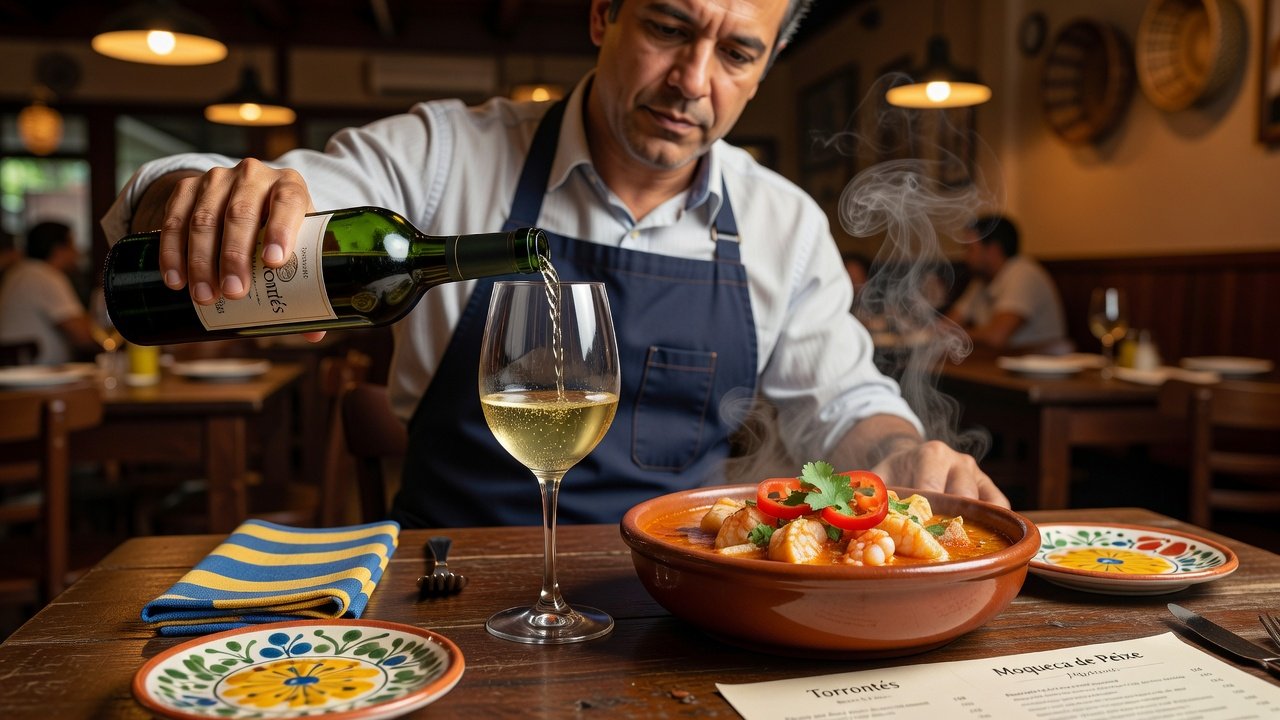
Moqueca from Bahia features fish or shrimp in a sauce of coconut milk, dendê oil, tomatoes, onions and cilantro. The creamy, spicy profile pairs best with aromatic whites that deliver bright acidity. Torrontés from Argentina’s Salta region offers floral and peach notes that refresh after each spoonful. Albariño from Spain or Chile provides saline minerality reminiscent of the dish’s coastal roots. For extra heat, choose a Grüner Veltliner whose white pepper character complements chili. Chill the bottle thoroughly and consider decanting if the wine shows any reduction. These pairings also adapt well when preparing vegetarian versions using hearts of palm.
Churrasco and Red Wine Comparisons
Churrasco involves various cuts grilled over open flames, often seasoned simply with salt or accompanied by chimichurri. Picanha’s fat cap requires wines with firm tannins such as Cabernet Sauvignon from Chile’s Maipo Valley. Linguiça sausage benefits from the spicy notes of Syrah or a medium-bodied Malbec. When chimichurri introduces vinegar and herbs, lower-tannin options like Merlot or Argentine Bonarda prevent astringency. Grilled vegetables served alongside can be matched with a versatile rosé from Provence or Argentina. Multiple glasses allow guests to experience how each wine evolves with different meats, a technique frequently demonstrated in professional tastings highlighted by Wine Magazine.
Pão de Queijo and Versatile Options
These gluten-free cheese rolls deliver a chewy texture and mild tang from Minas cheese. They pair effortlessly with sparkling wines whose bubbles cleanse the palate. Sauvignon Blanc offers citrus zest that contrasts the richness, while a young Pinot Noir provides soft red fruit without overpowering the bread. For larger gatherings, a light sparkling rosé creates an elegant starter that transitions smoothly into heavier courses.
Step-by-Step Matching Tips for Home Cooks
- Analyze the main components of the dish before selecting any bottle.
- Prioritize acidity when fat or coconut milk dominates.
- Match tannin intensity to protein and char level.
- Consider regional affinity by exploring South American grapes first.
- Taste a small portion of food with a sip of wine to confirm harmony.
- Adjust serving temperature and revisit the pairing midway through the meal.
- Keep backup bottles ready in case adjustments are needed.
Common Pitfalls and How to Avoid Them
Overly ambitious pairings often fail when high-alcohol reds amplify chili heat or when oaky whites clash with delicate seafood. Another frequent mistake involves ignoring the cumulative effect of multiple courses; starting with a heavy red leaves little room for later dishes. Home cooks sometimes overlook glassware shape, which affects aroma delivery. Using standard white wine glasses for reds can mute tannins. When adapting recipes for dietary needs, reduce salt or substitute ingredients gradually while testing wines alongside each change.
Seasonal and Budget-Friendly Adaptations
Summer calls for chilled whites and rosés that keep meals light. Winter favors fuller reds that provide warmth. Budget-conscious selections include widely available Chilean Sauvignon Blanc or Argentine Torrontés, both offering excellent value without sacrificing quality. Exploring lesser-known producers within established regions often yields surprising results that rival more expensive imports.
Conclusion
Mastering sommelier techniques for Brazilian cuisine opens a world of flavor combinations that respect tradition while embracing innovation. By focusing on acidity, tannin balance and regional varietals, anyone can create pairings that enhance every meal.
FAQ
What wine works best for spicy moqueca?
High-acidity whites such as Torrontés or Albariño tame heat while complementing coconut flavors.
Can red wine pair successfully with fish preparations?
Yes, light reds like Pinot Noir or Gamay work well when tomato or grilled elements are present.
How do I adjust pairings for vegetarian feijoada?
Emphasize acidity in the wine and consider a crisp white or light red to replace missing meat richness.
Are there reliable budget options available year-round?
South American bottles from established regions deliver consistent quality at accessible price points.
What glassware enhances these pairings?
Universal glasses or specific white and red shapes allow aromas to develop properly.
How should seasonal changes influence choices?
Lighter styles in warm months and structured reds in cooler weather maintain balance throughout the year.
No comments yet. Be the first!