 Uncorked Conversations
Sommelier Wine Pairings for Middle Eastern Cuisine 2026
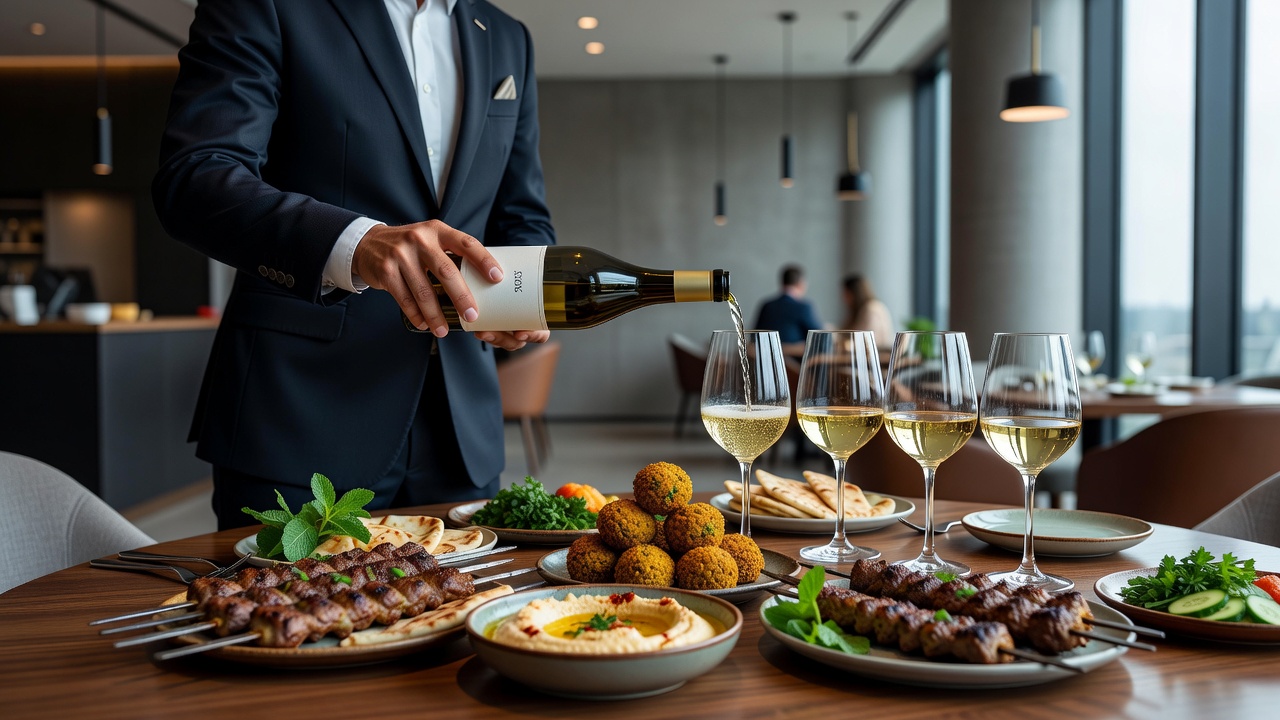
Middle Eastern cuisine delivers an explosion of flavors through bold spices like cumin and sumac, fresh herbs such as parsley and mint, smoky grilled proteins, and creamy plant-based dips. In 2026 sommeliers continue to refine pairings that tame heat while highlighting aromatic layers in dishes including lamb kebabs, chickpea falafel, and abundant mezze platters. This comprehensive guide provides expert strategies for selecting wines with vibrant acidity or restrained tannins that refresh the palate and complement regional textures and seasonings.
Understanding Flavor Profiles in Middle Eastern Dishes
Traditional recipes rely on garlic, lemon juice, chili pastes, and yogurt sauces that create layers of brightness, heat, and creaminess. Grilled meats absorb smoky char while vegetarian items such as stuffed grape leaves and roasted eggplant offer earthy depth. High-acidity wines cut through fat and refresh after spicy bites, whereas subtle tannins soften the impact of chili without overpowering delicate tahini or labneh. Understanding these interactions allows precise matching rather than generic recommendations.
Core Pairing Principles for Bold Spices and Textures
Successful pairings prioritize wines that balance richness and spice. Seek crisp acidity to counter creamy elements and light tannins to tame grilled proteins. Avoid heavily oaked or high-alcohol bottles that amplify heat or mask herbal notes. Consider serving temperature carefully: chill whites to eight degrees Celsius and serve reds at sixteen degrees to preserve aromatic freshness and prevent alcohol dominance.
Matching Varietals to Grilled Meats Versus Vegetarian Options
Grilled lamb or chicken kebabs benefit from peppery Syrah or Grenache grown in cooler climates, where savory notes echo the char and cumin marinade. Beef kofta responds well to medium-bodied Tempranillo with soft tannins that cleanse the palate between bites. Vegetarian dishes such as falafel or halloumi require wines with citrus zest and mineral edge. Assyrtiko from Greece or Albariño from Spain delivers lemon-lime acidity that slices through fried textures and yogurt dips. Stuffed vegetables pair elegantly with herbal Sauvignon Blanc whose grassy notes mirror fresh herbs in the filling.
Wine pairings benefit from understanding regional grape strengths.
Old World Versus New World Wine Comparisons
Old World wines from France, Italy, and Greece emphasize elegant acidity and earthy minerality that suit mezze spreads heavy on olives and herbs. A Sancerre or Etna Bianco provides linear freshness ideal for balancing multiple small plates. New World wines from Australia and California offer riper fruit and rounder textures suited to heavily spiced grilled meats. A Margaret River Cabernet Franc or Sonoma Coast Pinot Noir delivers plush fruit that stands up to harissa while retaining enough acidity for refreshment. Side-by-side tastings reveal how each style interacts differently with the same cumin-heavy marinade.
Step-by-Step Wine Selection Process
- Identify the dominant flavor driver: spice heat, smoky char, or creamy sauce.
- Select acidity level first to match overall richness of the dish.
- Evaluate tannin structure against protein density and fat content.
- Factor in serving temperature to maximize aromatic expression.
- Consider residual sugar to soften chili intensity if needed.
- Test the pairing with a small bite before committing to a full glass.
- Adjust based on personal tolerance for heat and preference for fruit-forward styles.
Recommended Wines for Popular Middle Eastern Dishes
Lamb shawarma thrives with a juicy Grenache-Syrah blend whose red fruit and spice notes complement the marinade. Falafel bowls succeed with Vermentino or Grüner Veltliner that cut through crisp exteriors and tahini drizzle. Mezze platters featuring hummus, baba ghanoush, and tabbouleh harmonize with chilled Assyrtiko whose saline finish echoes briny olives. Roasted cauliflower with tahini responds to an off-dry Riesling that balances sweetness against earthy char.
Real Pairing Case Studies
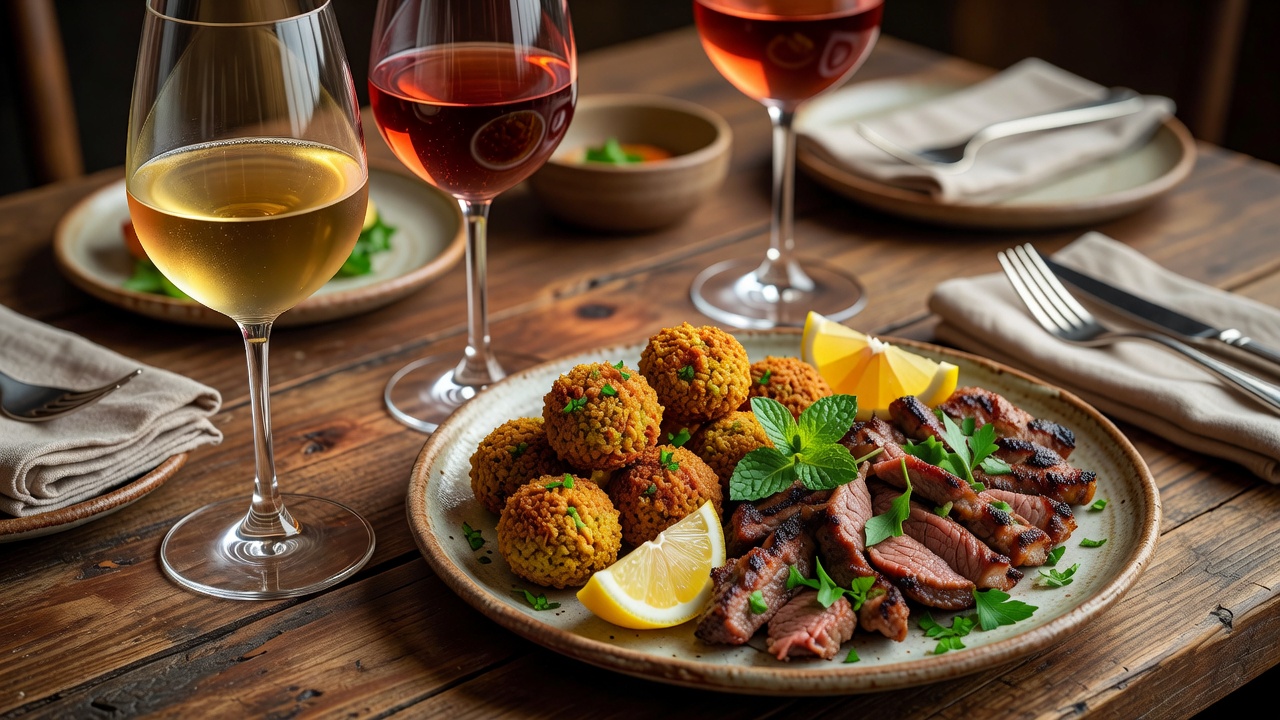
A traditional mezze spread of hummus, baba ghanoush, and herb-forward tabbouleh pairs successfully with a chilled Vermentino whose citrus and almond notes mirror lemon zest and fresh parsley. Beef kofta kebabs served with grilled onions and sumac find balance in a medium-bodied Burgundy Pinot Noir that offers red cherry fruit and forest floor earthiness to counter the char and warm spices. Crispy falafel alongside pickled vegetables and garlic sauce shines beside an Albariño whose bright acidity and slight salinity cleanse the palate after each fried bite. Grilled chicken shish tawook marinated in yogurt and garlic responds beautifully to a Loire Valley Chenin Blanc that delivers honeyed texture and vibrant acidity to cut through the creamy marinade.
Tips for Home Cooks Building Successful Pairings
Begin with versatile bottles that work across multiple dishes rather than single pairings. Keep a few chilled whites and light reds on hand for impromptu meals. Taste the wine before adding food to establish baseline flavors. Use small pours to experiment without waste. Note successful combinations in a simple journal for future reference. When hosting, offer two wine options so guests can discover their preferences through direct comparison.
Common Pairing Errors and How to Avoid Them
- Selecting overly sweet wines that clash with savory herb profiles.
- Choosing high-tannin reds for fiery dishes, which intensifies perceived heat.
- Serving whites too cold and muting delicate aromatics.
- Ignoring regional synergy such as Lebanese wines with local mezze.
- Overlooking temperature shifts during the meal that alter wine expression.
Frequently Asked Questions
What wine works best with spicy harissa dishes?
Off-dry Riesling or high-acid Grüner Veltliner tames heat while refreshing the palate between bites.
Can rosé pair with Middle Eastern fare?
Yes, dry Provençal rosé excels with both grilled meats and vegetables thanks to its bright berry and herbal profile.
How do I pair wine with mixed platters?
Start with a versatile white such as Sauvignon Blanc and move to a light red if grilled meats dominate the selection.
Which wines suit vegetarian stuffed grape leaves?
Crisp whites like Greek Assyrtiko or Italian Vermentino provide the acidity needed to balance rice and herb fillings.
Are there non-alcoholic alternatives that follow similar principles?
High-acid sparkling waters infused with citrus or herbal iced teas can mimic the refreshing role of acidic wines.
Decanter offers extensive resources on global wine styles.
Mastering these pairings transforms everyday meals into memorable experiences. Explore bottles from established producers and adjust selections based on personal taste for consistently excellent results at the table.
No comments yet. Be the first!