 Uncorked Conversations
Introduction to Food and Wine Pairing
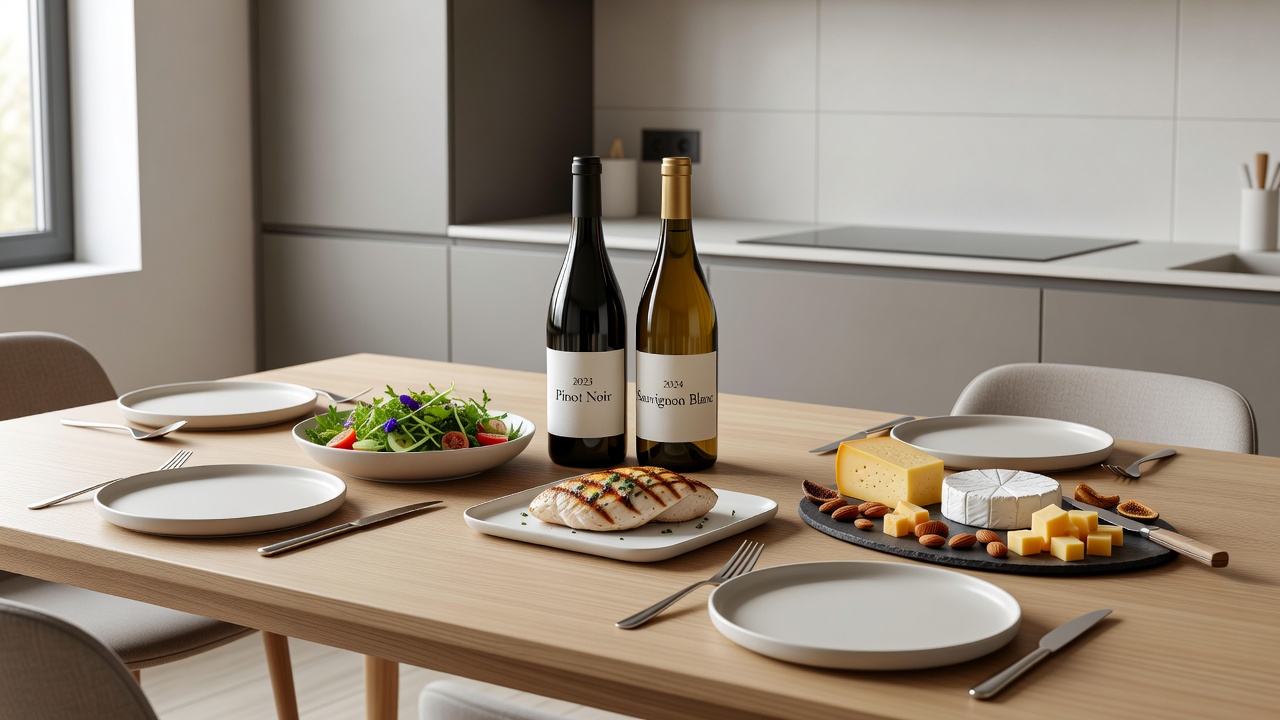
Food and wine pairing is an accessible skill that enhances everyday meals without requiring professional training. In 2026, beginners can focus on versatile varietals that pair well with a wide range of dishes, reflecting current trends toward flexible, approachable wines that suit modern lifestyles. This guide covers foundational principles, practical frameworks, and real-world examples to help you create balanced combinations at home. Whether you are hosting a casual dinner or simply elevating a weeknight meal, understanding these basics transforms ordinary eating into a more enjoyable experience. Many home cooks discover that thoughtful pairings highlight flavors in both the food and the wine, creating harmony that neither achieves alone.
Core Principles of Wine Pairing
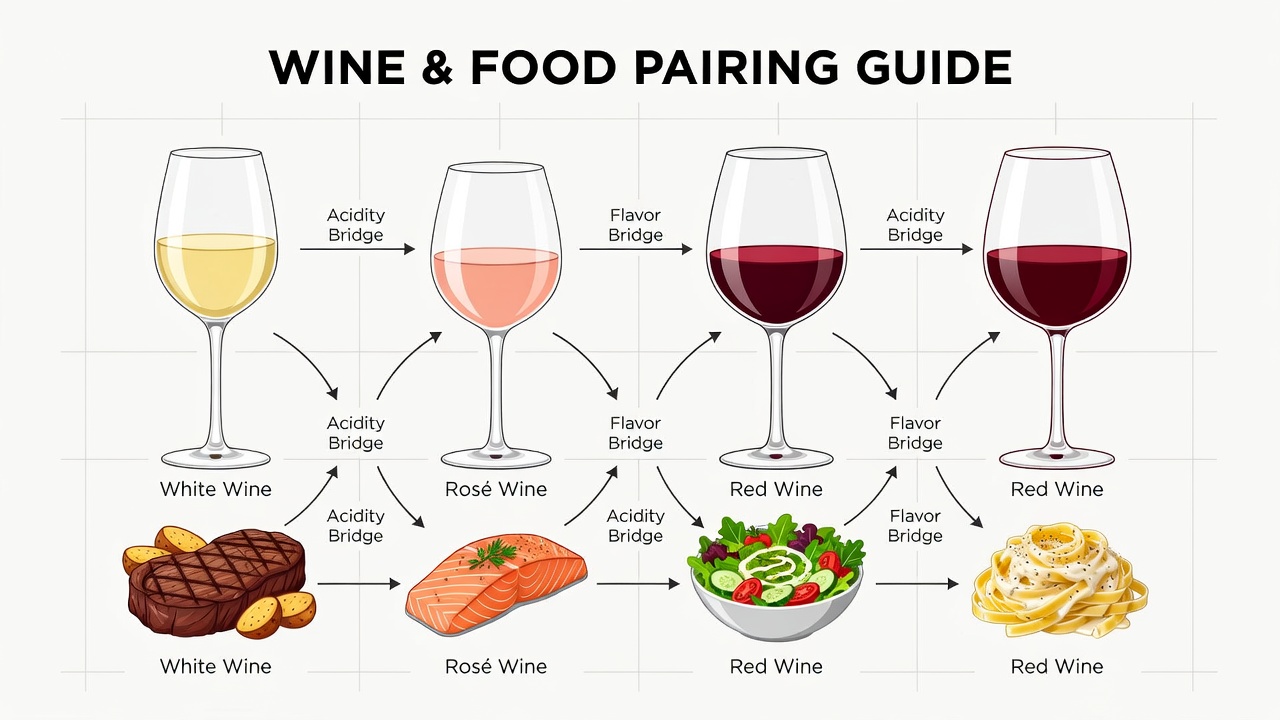
Successful pairings rely on balancing key elements in both food and wine. Acidity in wine cuts through rich or fatty foods, while sweetness in wine can complement spicy or salty dishes. Tannins in red wines work well with proteins like beef, as they bind to fats and cleanse the palate. Understanding these interactions prevents common mismatches, such as pairing high-acid wines with delicate fish that might taste metallic or flat. Another essential concept is identifying flavor bridges—shared aromas or tastes between the dish and the wine. For example, herbal notes in a Sauvignon Blanc can echo the flavors of a fresh herb salad or pesto-based pasta. Body and weight also matter: a full-bodied wine pairs better with substantial dishes, while light-bodied options suit subtle preparations. Beginners benefit from starting with these rules rather than memorizing endless combinations, as they provide a reliable foundation for experimentation. Wine Folly offers additional visual guides that illustrate these concepts clearly for new enthusiasts.
Red vs White Wine Options for Everyday Meals
Red wines like Cabernet Sauvignon or Merlot suit hearty meals such as grilled meats or pasta with tomato sauce. Their bold tannins stand up to robust flavors and help cut through richness. White wines, including Chardonnay or Pinot Grigio, pair better with lighter fare like seafood, poultry, or creamy sauces where their acidity refreshes the palate. In 2026, versatile varietals such as Pinot Noir and Riesling remain popular for their ability to complement both red and white meat dishes without overpowering them. Compare options by considering the meal's weight: match light wines with light foods and heavier wines with richer preparations. For instance, a crisp white excels alongside a lemon-herb roasted chicken, while a medium red enhances a beef stir-fry. Sparkling wines add versatility across categories due to their high acidity and bubbles that cleanse the palate between bites. Home cooks should consider the sauce or seasoning more than the main protein when deciding between red and white, as this often determines the best match.
Step-by-Step Pairing Framework
This simple process adapts sommelier techniques for home cooks and can be followed in just a few minutes. First, assess the dominant flavors and textures in your dish, noting whether it is rich, acidic, spicy, or sweet. Second, choose a wine style based on acidity, sweetness, tannins, and body to create contrast or complement. Third, test for balance by considering opposites or complements, such as pairing sweet wine with salty cheese. Fourth, adjust for personal taste and experiment in small pours before committing to a full glass. Fifth, consider temperature and glassware, as serving wine too cold or in the wrong shape can mute aromas. Repeat the process with different bottles to refine your preferences over time. This framework encourages mindful tasting rather than rigid rules.
2026 Trends: Versatile Varietals for Versatile Dishes
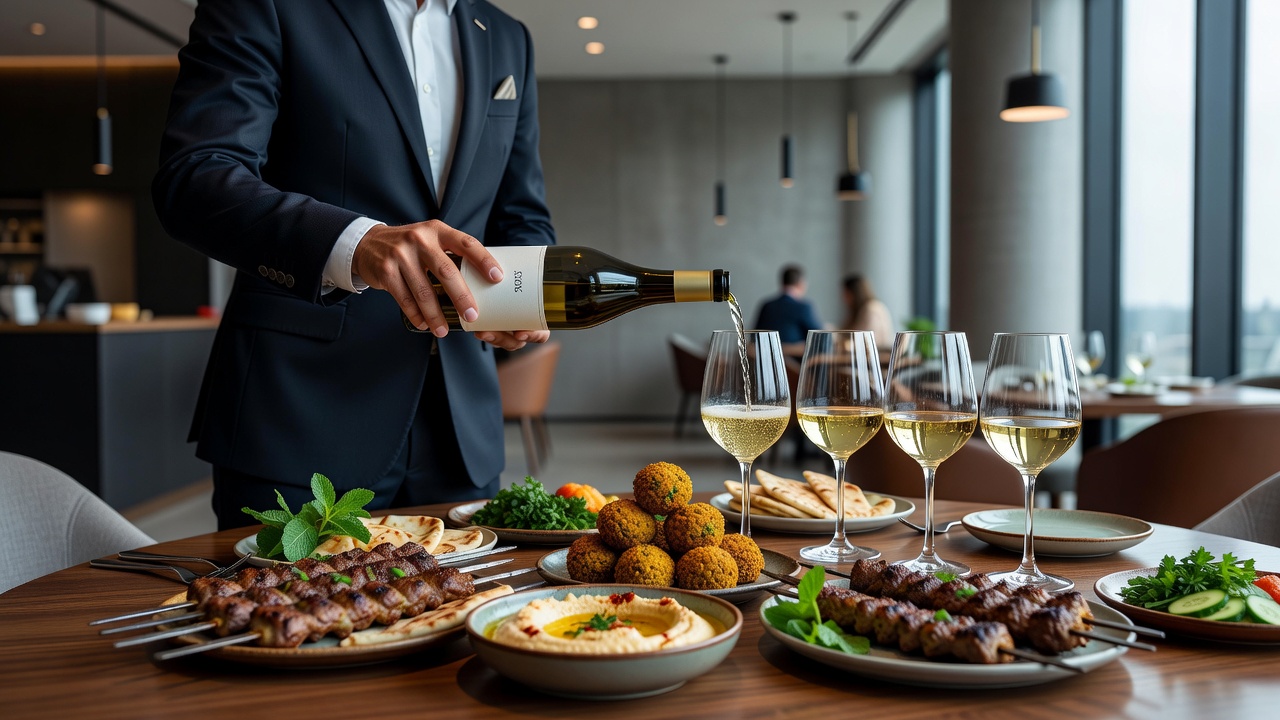
Current trends highlight wines that adapt to multiple cuisines and dietary preferences. Varietals like Gamay and Albariño offer bright acidity and subtle fruit that work across global flavors, from Asian stir-fries to Mediterranean plates. These choices align with the demand for sustainable and easy-drinking options this year, as consumers seek wines that pair flexibly without needing multiple bottles per meal. Natural and low-intervention wines are also gaining traction for their authentic expression of fruit and earthiness, which often bridge diverse ingredients effectively.
Real-World Case Studies with Simple Recipes
Case Study 1: Grilled chicken with fresh herbs and lemon paired with Sauvignon Blanc. The wine's citrus acidity balances the chicken's savoriness while bridging herbal notes from the marinade. Prepare by seasoning chicken breasts with olive oil, thyme, and lemon zest, then grill until juicy. Serve alongside a simple green salad to enhance the pairing.
Case Study 2: Spaghetti Bolognese with a medium-bodied Merlot. Tannins cut through the meat sauce, creating harmony with the tomato acidity. Brown ground beef with onions and garlic, add canned tomatoes and herbs, and simmer slowly. The wine's structure complements the dish's depth without overwhelming the pasta.
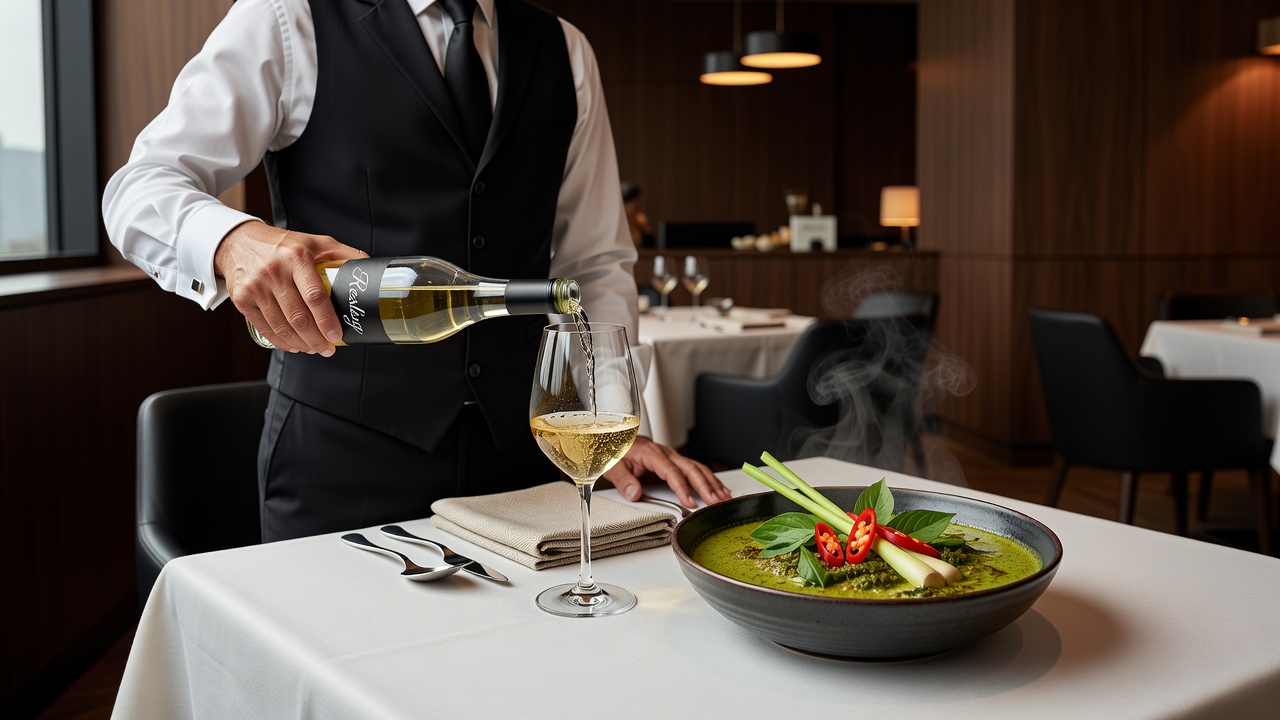
Case Study 3: Spicy Thai curry with off-dry Riesling. Residual sugar tames heat without clashing. Cook chicken or vegetables in coconut milk, red curry paste, and vegetables like bell peppers. The wine's slight sweetness counters the spice while its acidity refreshes between bites. These examples demonstrate how small adjustments in recipe elements can improve compatibility.
Common Mistakes to Avoid
Beginners often overlook sauce dominance, leading to mismatched intensities. Another frequent error is ignoring temperature, as overly chilled whites lose aroma. Avoid pairing very tannic reds with delicate seafood, which can create an unpleasant metallic taste. Finally, resist the urge to match every course with a new bottle; versatile varietals allow one or two bottles to cover an entire meal successfully.
Quick-Start Checklist
- Start with wines you enjoy drinking alone to build confidence.
- Keep a few versatile bottles on hand: one white, one red, one sparkling.
- Consider the sauce or seasoning more than the protein when choosing.
- Serve wines at proper temperatures for optimal aroma and flavor.
- Take notes on successful pairings for future reference and improvement.
- Experiment with small pours before pouring full servings.
- Focus on balance over perfection during initial attempts.
FAQ: Common Beginner Questions
Can I pair red wine with fish?
Yes, lighter reds like Pinot Noir work well with oily or grilled fish when acidity is present to cut through richness.
What wine pairs with spicy food?
Off-dry whites or low-alcohol reds help counter heat while refreshing the palate between spicy bites.
How do I start if I have no wine knowledge?
Focus on balance and experiment with small servings using the framework above, then explore resources like Wine Magazine for further reading.
Should I always match the wine region to the cuisine?
Not necessarily; while traditional pairings exist, versatile varietals often transcend regional boundaries successfully in 2026.
Conclusion
With these basics, anyone can enjoy thoughtful food and wine pairings in 2026. Practice with versatile varietals and simple recipes to build confidence and elevate home dining. Over time, these principles become intuitive, allowing creative exploration while maintaining reliable results.
No comments yet. Be the first!