 Uncorked Conversations
Introduction to Sommelier Wine Pairings for Chinese Cuisine
Chinese cuisine presents a fascinating challenge for sommeliers due to its complex layers of umami, spice, sweetness, and texture. In 2026, pairing wines with popular dishes like dim sum, Peking duck, and Sichuan specialties requires thoughtful selection to enhance rather than overpower these bold flavors. This guide draws on professional insights to help enthusiasts create memorable matches that elevate every meal from casual dinners to celebratory feasts.
The key lies in understanding how wine components interact with food. Acidity cuts through richness, tannins complement fats, and aromatic profiles harmonize with seasonings. Regions such as Burgundy and the Loire Valley offer versatile options that stand up to these demands while providing depth and elegance. Home cooks and wine lovers alike can apply these principles to transform their dining experiences, discovering how the right bottle brings out hidden notes in familiar dishes.
Core Principles of Pairing Wine with Chinese Flavors
Successful pairings start with flavor profiling. Umami-rich dishes benefit from wines with similar savory depth, while spicy foods thrive alongside high-acidity whites or light reds. Sweetness in sauces calls for off-dry wines to avoid clashing with tannins. Texture also plays a vital role, as crispy elements need refreshing wines and silky sauces pair best with structured bottles that cleanse the palate between bites.
Professional sommeliers emphasize balance. For instance, fatty meats require wines with structure, whereas vegetable-forward plates pair well with crisp, mineral-driven selections. These principles apply across regional Chinese cuisines, creating opportunities for creative yet reliable matches. Consider the intensity of seasonings, the cooking method, and even the temperature at which dishes are served to fine-tune selections further.
Pairing Wines with Dim Sum
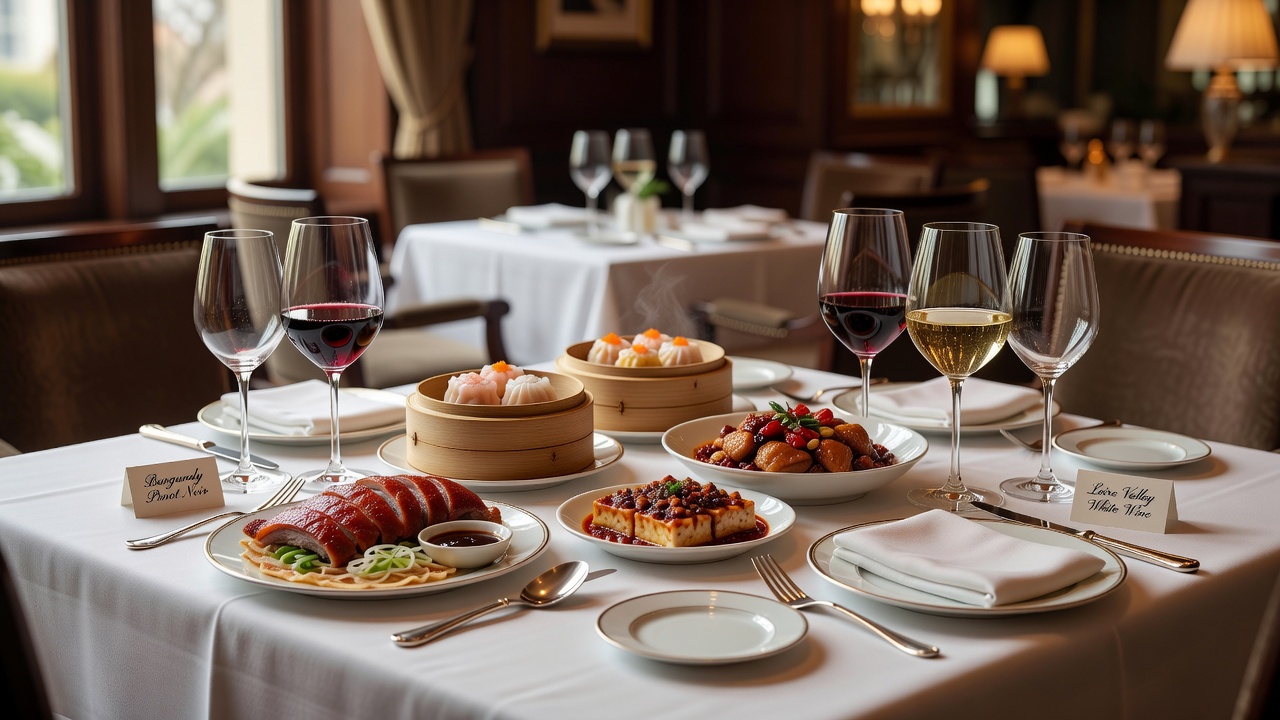
Dim sum features steamed dumplings, fried bites, and savory buns that range from delicate to robust. Har gow shrimp dumplings pair beautifully with a Loire Valley Sancerre, whose citrus acidity and minerality highlight the seafood without overwhelming it. For char siu pork buns, a Burgundy Pinot Noir from the Côte de Beaune brings earthy notes that echo the sweet-savory filling, creating harmony between the wine's red fruit and the roasted meat flavors.
Fried items like spring rolls benefit from sparkling options or dry Riesling to refresh the palate between bites. Avoid heavy oaked wines, which can mask the subtle textures of steamed dishes. Additional pairings include pairing siu mai with a crisp Chablis from Burgundy for its oyster-shell minerality that complements the pork and shrimp filling. Experimenting with small portions allows enthusiasts to test multiple wines in one sitting.
Pairing Wines with Peking Duck
Peking duck's crispy skin and rich meat demand wines with ample acidity and moderate tannins. A classic match is a red Burgundy, particularly a village-level Pinot Noir, which offers bright cherry notes and silky texture to complement the duck's fat while cutting through the rendered skin. The accompanying hoisin sauce introduces sweetness, so consider a slightly off-dry white from the Loire Valley such as Vouvray. Its honeyed undertones balance the sauce while the wine's acidity cuts through the richness. Sommeliers often recommend serving the wine slightly chilled to enhance refreshment and highlight the dish's aromatic elements.
Another strong option involves pairing the duck with a Loire Valley Chinon, whose Cabernet Franc tannins provide gentle structure without overpowering the meat. This approach works especially well when the duck is served with pancakes and scallions, as the wine's herbal notes echo the fresh vegetables.
Pairing Wines with Sichuan Specialties
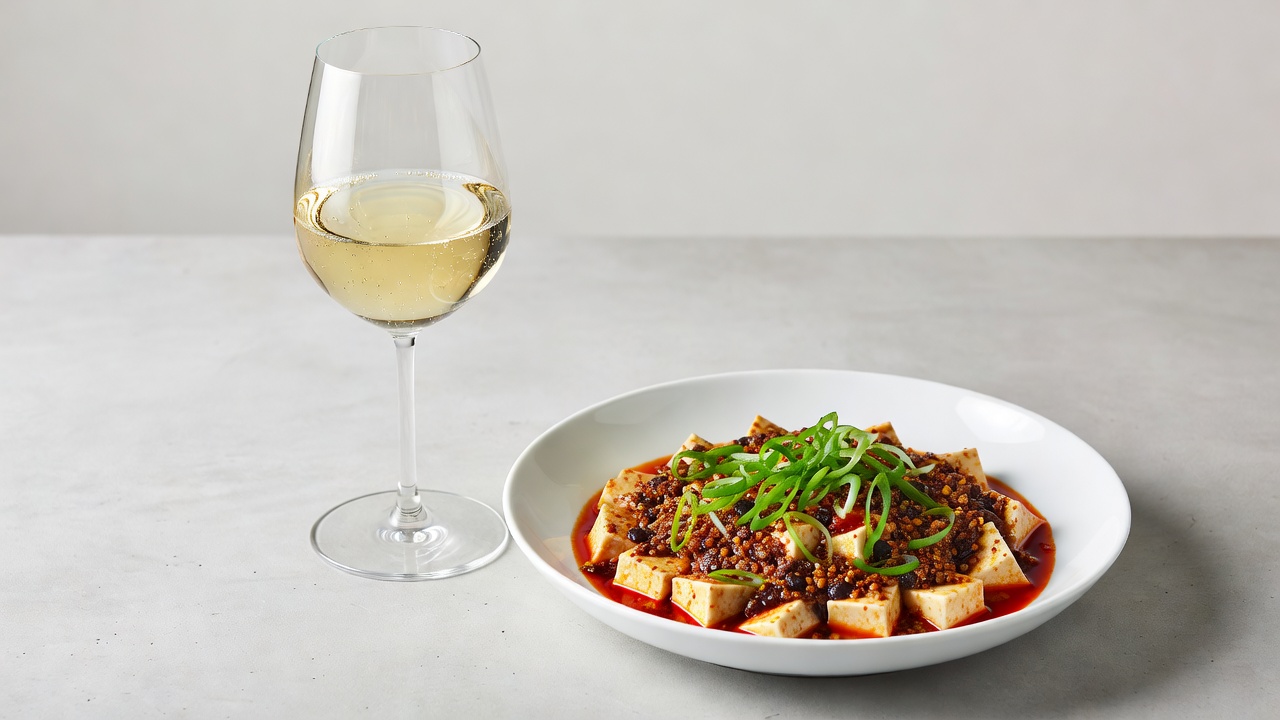
Sichuan cuisine's numbing spice from Sichuan peppercorns and chili heat requires wines that provide contrast. High-acidity whites like Sauvignon Blanc from the Loire Valley tame the heat and cleanse the palate between bites. For mapo tofu or kung pao chicken, a light red Burgundy can work if the dish leans more savory than fiery, offering subtle earthiness that supports the fermented bean paste without amplifying the spice.
Experts advise steering clear of high-tannin wines, which can amplify spice intensity. Instead, opt for aromatic varieties that echo the dishes' herbal and citrus elements. Consider expanding pairings to include dan dan noodles with a vibrant Sancerre rosé, whose berry notes and lively acidity create a refreshing counterpoint to the sesame and chili oil.
Matching Tannins with Fatty Meats
Fatty meats like Peking duck or braised pork belly interact dynamically with wine tannins. Moderate tannins help break down fats on the tongue, creating a balanced mouthfeel that prevents the dish from feeling heavy. Burgundy Pinot Noirs excel here due to their fine-grained structure rather than aggressive grip, allowing the wine to integrate seamlessly with the protein.
In contrast, overly tannic wines may leave a drying sensation against rich proteins. Testing pairings at home involves sipping the wine before and after a bite to observe how tannins evolve. This method reveals how the wine's structure evolves throughout the meal and helps refine future selections for similar dishes.
Using Acidity to Balance Spicy Foods
Acidity serves as a counterpoint to heat, preventing spice from overwhelming the palate. Loire Valley wines, known for vibrant acidity, are ideal for Sichuan or Hunan dishes. This refreshing quality also enhances umami by highlighting savory notes and making each subsequent bite as enjoyable as the first. Practical application includes choosing wines with lively acidity levels that refresh without dominating, such as those from Sancerre or Pouilly-Fumé.
Additional depth comes from considering residual sugar in off-dry styles, which can further soften perceived heat while maintaining balance. Sparkling wines add an extra layer of effervescence that further mitigates heat and provides textural contrast to oily or fried components common in these cuisines.
Comparison Table of Recommended Pairings
| Dish | Wine Style | Region Example | Key Flavor Match |
|---|---|---|---|
| Dim Sum Dumplings | Crisp White | Loire Valley Sancerre | Seafood and minerality |
| Peking Duck | Light Red / Off-dry White | Burgundy Pinot Noir / Vouvray | Acidity cuts fat, balances sauce |
| Sichuan Spicy Dishes | High-Acidity White | Loire Valley Sauvignon Blanc | Refreshment against heat |
| Braised Pork Belly | Medium-bodied Red | Burgundy Côte de Nuits | Tannins complement richness |
| Mapo Tofu | Aromatic White | Loire Valley Sancerre Rosé | Berry notes with spice |
Practical Tips for Home Enthusiasts
- Start with versatile bottles from Burgundy and Loire Valley that suit multiple dishes across a meal.
- Consider serving temperature: chill whites to 8-10°C and light reds to 14-16°C for optimal expression.
- Experiment with small pours alongside individual components of a dish to isolate successful elements.
- Consult resources from Wine Magazine for updated regional vintage notes and emerging trends.
- Keep a pairing journal to track successful combinations over time and refine personal preferences.
- Visit local wine shops for guidance on current vintages and ask staff about food-friendly selections suited to Asian flavors.
- Pair courses progressively, beginning with lighter wines for appetizers and moving to more structured bottles for mains.
Additional guidance is available through Decanter, which regularly covers Asian cuisine pairings and expert sommelier recommendations.
Frequently Asked Questions
What if I prefer red wine with all Chinese dishes?
Light reds like Burgundy Pinot Noir work across many categories when chosen for their acidity rather than power, allowing flexibility without sacrificing enjoyment.
Are there budget-friendly alternatives?
Entry-level Loire Valley wines offer excellent value while delivering the necessary acidity and aromatics for successful pairings.
How do I handle sweet and sour dishes?
Off-dry styles from the Loire Valley provide the right counterbalance without clashing with the sauce's sweetness.
Can sparkling wines work with spicy foods?
Yes, the bubbles and acidity in sparkling wines from various regions refresh the palate and tame heat effectively.
Conclusion
Mastering sommelier-level pairings for Chinese cuisine elevates the dining experience by highlighting each dish's unique character. With focused selections from Burgundy and the Loire Valley, home enthusiasts can achieve professional results that impress guests and satisfy personal tastes. Continued exploration of these principles ensures pairings remain dynamic and satisfying in any setting, encouraging ongoing discovery and refinement of food and wine harmony.
No comments yet. Be the first!