 Uncorked Conversations
Introduction to Korean Wine Pairings in 2026
Korean cuisine stands out for its bold fermentation, spicy heat, and deep umami, creating unique challenges and opportunities for wine pairings. In 2026, sommeliers are leaning into natural wines that highlight these flavors without overpowering them. This guide delivers 8 expert pairings, focusing exclusively on Korean profiles and modern techniques that elevate dishes from street food staples to fine dining experiences. Whether you are hosting a Korean barbecue night or exploring fermented stews, understanding how acidity, tannins, and sweetness interact with gochujang heat and soybean depth transforms the meal.
Understanding Korean Flavor Profiles in Depth
Korean dishes often combine fermented elements like gochujang and doenjang with sweet, savory, and spicy notes. The fermentation process produces lactic acids and glutamates that demand wines with enough structure to match rather than fade. Acidity cuts through richness from oils and meats, while tannins tame spice and slight sweetness balances heat. Natural wines, with their minimal intervention and often cloudy appearance, enhance umami-forward tastes that dominate 2026 trends. Consider how kimchi’s sour tang differs from the caramelized sweetness in bulgogi marinade; each requires tailored varietal selection to achieve harmony on the palate.
Pairing Logic: Step-by-Step Approach with Examples
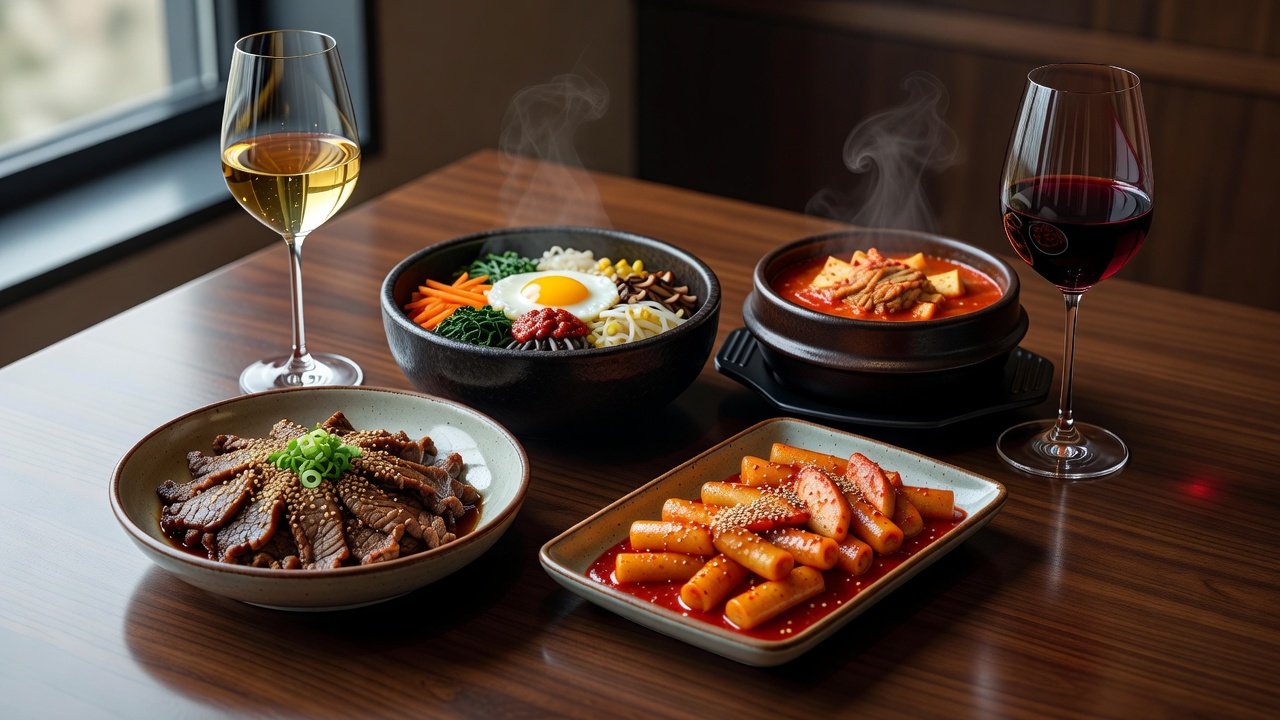
Start by identifying the dominant flavor—spice in tteokbokki calls for off-dry Riesling to provide counter-sweetness. Next, match texture: light whites for vegetable-heavy bibimbap refresh between bites of rice and egg. Consider fermentation levels by choosing wines with subtle earthiness or oxidative notes that echo doenjang complexity. Finally, test balance by sipping alongside the dish and adjusting temperature or glass shape. For instance, when pairing grilled meats, decant reds briefly to soften edges. Always taste the wine first, then the food, then together to note how components evolve.
8 Expert Sommelier Pairings
1. Bulgogi with Pinot Noir
The sweet-savory beef pairs beautifully with Oregon Pinot Noir. Its bright acidity and red fruit complement the marinade without clashing with sesame notes. Try serving slightly chilled to highlight the dish’s ginger undertones while the wine’s earthiness echoes the grilled scallions.
2. Bibimbap with Grüner Veltliner
This versatile bowl benefits from the peppery, high-acid Austrian white that refreshes the palate between bites of egg and vegetables. The wine’s white pepper spice mirrors gochujang without overwhelming the fresh bean sprouts and carrots.
3. Kimchi Jjigae with Natural Chenin Blanc
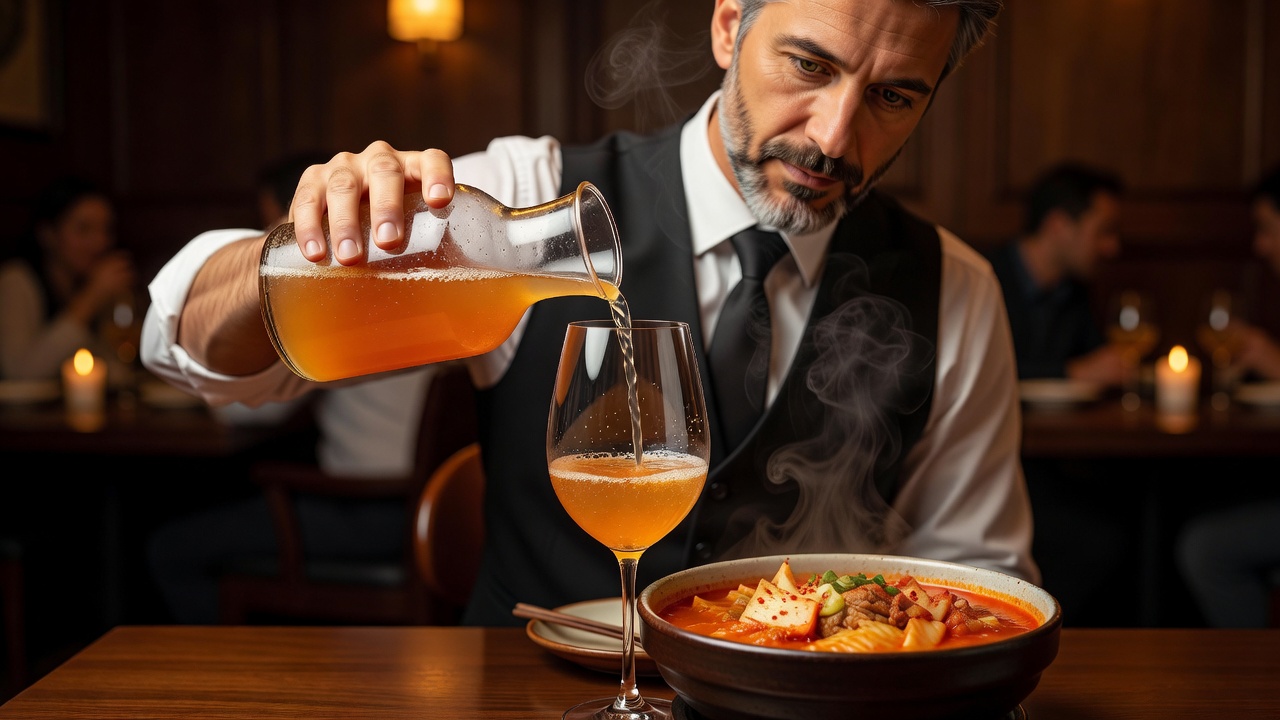
Fermented cabbage stew shines with oxidative Chenin from South Africa, where nutty undertones mirror the stew’s depth. The wine’s honeyed texture stands up to the bubbling tofu and pork while cleansing the palate after each spoonful.
4. Tteokbokki with Off-Dry Riesling
Spicy rice cakes need residual sugar to counter chili heat; German Riesling delivers floral aromatics and crisp finish. Choose a Kabinett level for gentle sweetness that lets the chewy rice cakes remain the star.
5. Japchae with Gamay
Glass noodles and vegetables pair with light, fruity Beaujolais Gamay that echoes the sesame oil without weight. The wine’s soft tannins prevent the stir-fried mushrooms from feeling heavy on the finish.
6. Samgyeopsal with Orange Wine
Grilled pork belly meets skin-contact whites from Georgia, whose tannins cut fat while amplifying smoky flavors. Serve the wine at cellar temperature to let its dried fruit notes play against the crispy pork edges.
7. Korean Fried Chicken with Sparkling Pet-Nat
Crispy chicken loves the lively bubbles and subtle sweetness of natural petillant naturel from France. The gentle oxidation in these wines complements the double-fried crunch and sweet-spicy glaze.
8. Naengmyeon with Assyrtiko
Cold buckwheat noodles and vinegar broth align with Greece’s high-acid Assyrtiko for a refreshing contrast. The wine’s mineral edge echoes the icy broth while standing up to slices of brisket or boiled egg.
Budget vs Premium Options
Budget selections focus on widely available bottles that deliver core varietal character suitable for everyday Korean meals. Premium choices come from single-vineyard producers emphasizing terroir and natural methods popular in 2026, offering greater nuance when paired with complex fermented dishes. Experiment by starting with accessible options before investing in limited-production bottles that reveal additional layers of umami synergy.
2026 Trends: Natural Wines for Umami
Natural wines with low sulfur and native yeasts are trending because they respect Korean fermentation without masking it. Look for cloudy bottles from small producers that emphasize texture over polish. Decanter highlights how these wines pair with fermented foods globally, while Wine Magazine notes the rise of skin-contact styles for Asian cuisines. Additional resources from Wine Enthusiast explore how low-intervention wines enhance glutamates found in Korean stews.
Common Mistakes to Avoid
- Choosing high-tannin reds for spicy dishes, which can amplify heat and create a bitter aftertaste
- Ignoring sweetness levels when heat is present, leading to unbalanced palates
- Overlooking temperature—serve whites chilled and reds cool to maintain vibrancy
- Pairing overly oaky wines with fermented foods, which masks delicate umami notes
Practical Tips for Home Pairing Success
Begin by stocking a small selection of versatile bottles and tasting them side by side with small portions of each dish. Keep a notebook to record which combinations shine. Consider glassware: use larger bowls for reds to allow aromatics to develop and narrower flutes for sparkling options. When hosting, prepare a progression from lighter to bolder wines as courses intensify in spice or fermentation.
FAQ
What wine works best with very spicy Korean food?
Off-dry whites with good acidity tame spice effectively while preserving fruit character.
Are natural wines suitable for all Korean dishes?
Yes, especially those with umami, as they enhance rather than compete with fermented depth.
How do I start building a Korean wine pairing list at home?
Begin with versatile bottles like Riesling and Pinot Noir, then experiment with natural options as confidence grows.
Conclusion
Mastering sommelier pairings for Korean cuisine in 2026 means embracing acidity, natural wines, and precise flavor matching. These recommendations provide a complete starting point for memorable meals that respect the integrity of each dish. Smithsonian Magazine further explores cultural food and drink intersections that align with these principles.
No comments yet. Be the first!