 Uncorked Conversations
Introduction to Sommelier Wine Pairings for Japanese Cuisine
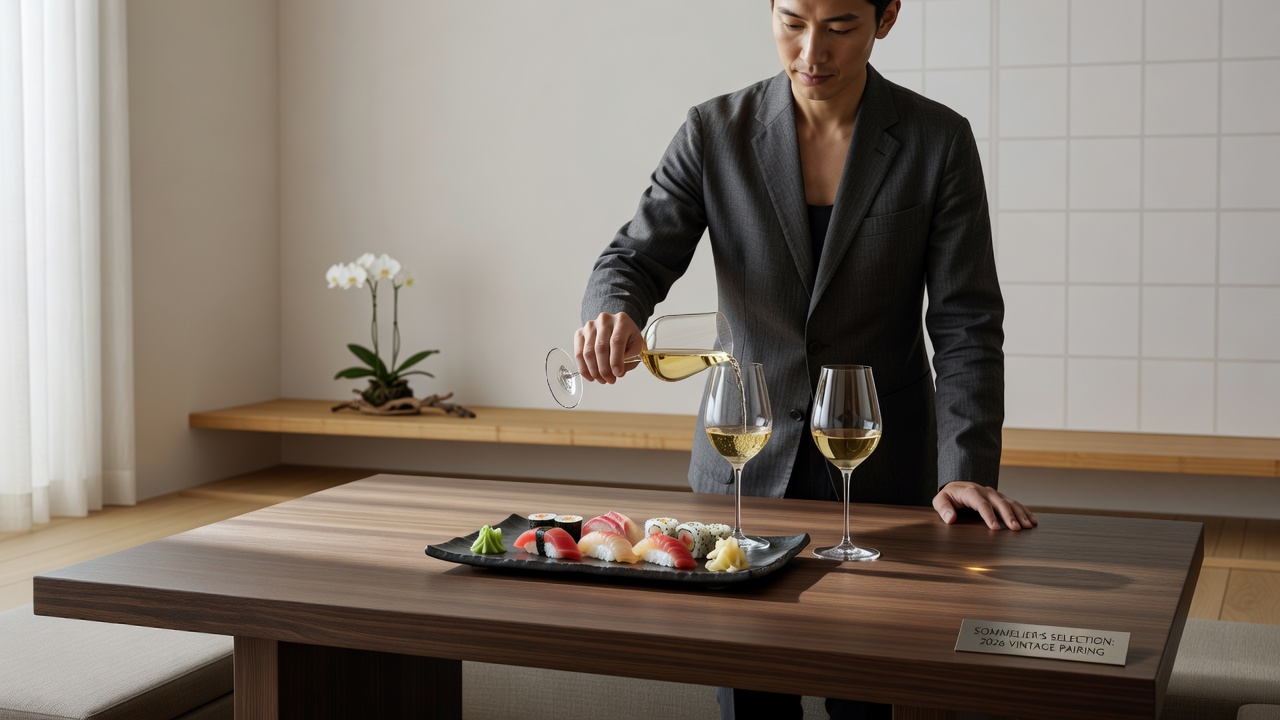
Japanese cuisine emphasizes balance, umami, and delicate flavors that pair beautifully with thoughtfully chosen wines. In 2026, home cooks and enthusiasts are seeking sommelier-level guidance to elevate authentic dishes through precise food wine pairing techniques. This guide explores expert recommendations for popular Japanese meals, focusing on acidity, tannin, and texture matches that highlight rather than overwhelm ingredients. Wine pairings succeed when they complement the dish's saltiness, sweetness, or richness. For example, high-acidity whites cut through fatty elements, while light reds handle smoky notes without clashing. Below, we break down pairings by dish category with concrete bottle suggestions and decision frameworks that go beyond basic advice to deliver professional results at home.
Understanding Acidity and Tannin in Food Wine Pairing
Acidity in wine acts as a counterbalance to richness and salt in Japanese dishes, refreshing the palate and preventing flavors from becoming heavy. Tannins, found primarily in reds, provide structure but must be managed carefully around delicate proteins like raw fish to avoid astringency. Sommeliers evaluate these elements by tasting the wine alongside the food, noting how the wine's finish interacts with the dish's aftertaste. High-acidity wines such as Sauvignon Blanc or dry Riesling excel with seafood, while moderate-tannin reds like Gamay suit grilled items. This principle underpins every recommendation that follows, helping enthusiasts make informed choices rather than relying on guesswork.
Pairings for Sushi and Sashimi
Sushi and sashimi feature raw fish, rice, and subtle seasonings that demand wines preserving freshness. Classic choices include crisp whites with vibrant acidity to mirror the fish's clean taste. A top recommendation is Chablis from Burgundy, whose minerality echoes oceanic notes in tuna or salmon sashimi. Another strong option is dry Riesling from Germany or Alsace, which balances any slight sweetness in nigiri while cutting through soy sauce. For those preferring sparkling wine, a Brut Champagne or Cava provides effervescence that refreshes the palate between bites. Avoid heavy oaked wines, as they mask delicate flavors. Additional examples include Grüner Veltliner from Austria for its peppery edge that complements wasabi, or Albariño from Spain for its citrus lift with mackerel sashimi. These selections ensure the wine enhances the fish's natural sweetness without introducing competing oak or sweetness.
Pairings for Ramen
Ramen's rich broths—whether tonkotsu, miso, or shoyu—require wines that stand up to intense umami and fat. Off-dry whites like Viognier or Chenin Blanc offer body and slight sweetness to counter spice or salt. For red options, low-tannin Gamay or light Pinot Noir from cooler climates pairs well with pork-based broths. Practical tip: chill reds slightly to about 55°F to enhance refreshment alongside hot noodles. Specific bottles include a 2025 vintage Beaujolais Villages for its juicy fruit that harmonizes with miso ramen, or a Loire Valley Chenin Blanc to match shoyu's savory depth. When pairing, consider the broth's intensity first: heavier tonkotsu benefits from fuller-bodied whites, while lighter shoyu works with aromatic reds that provide contrast without overpowering noodles.
Pairings for Tempura
Tempura's light, crispy batter calls for wines with bright acidity to cut through oil. Sauvignon Blanc from New Zealand or Sancerre excels here, its citrus and herbal notes complementing shrimp or vegetable tempura. Sparkling options like Prosecco provide a cleansing effect between bites. Red wines generally underperform unless very light and chilled, as tannins can accentuate any greasiness. Focus on whites or sparkling to maintain the dish's airy texture. Further examples feature Vermentino from Italy for its saline quality that echoes the sea-salt dusting on tempura, or a dry sparkling Rosé to add subtle fruit without heaviness. The key is selecting wines that cleanse rather than coat the palate after each fried bite.
Pairings for Yakitori
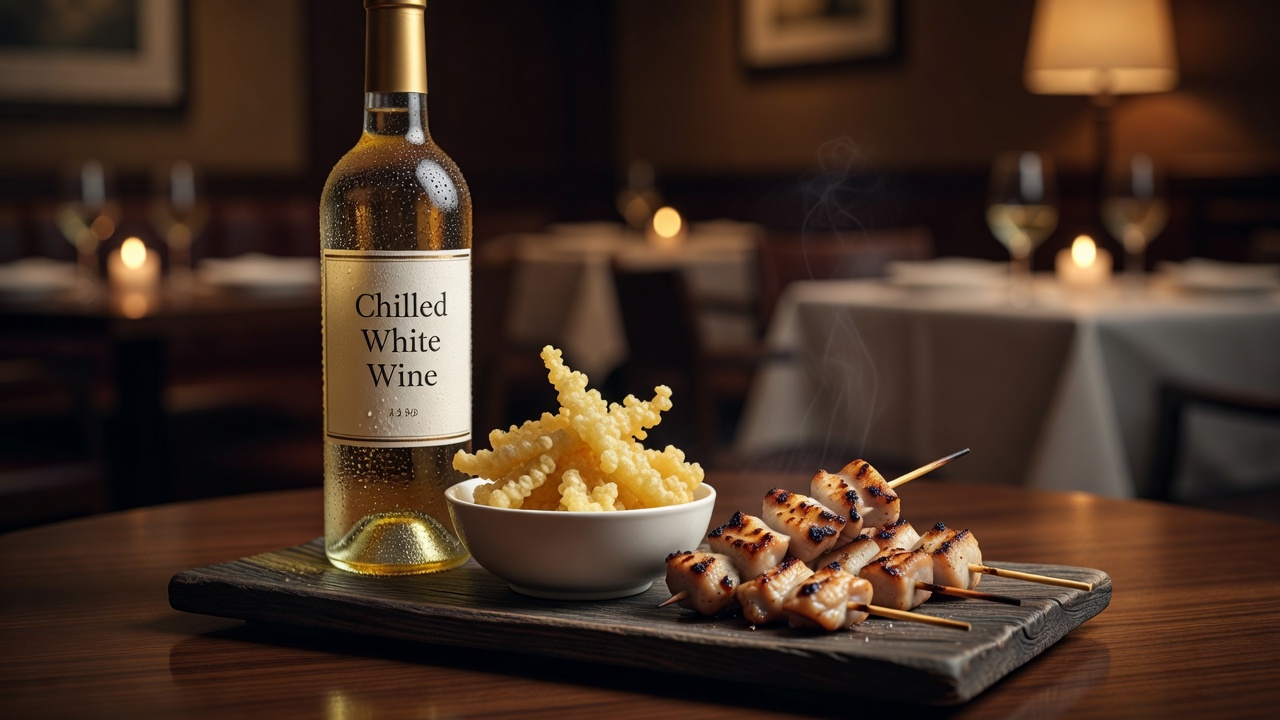
Yakitori's grilled, smoky skewers benefit from wines with moderate tannins or smoky undertones. Light reds such as Pinot Noir from Oregon or Burgundy match the char and soy glaze beautifully. White alternatives include aged Chardonnay with subtle oak to echo grill flavors. Examples include a 2024 Oregon Pinot Noir, whose red fruit and earthiness enhance chicken or scallion yakitori. Tannin management is key—choose wines with fine-grained structure to avoid overpowering delicate meats. Additional pairings involve Syrah from the Northern Rhône with its peppery notes for beef yakitori, or a skin-contact white for added texture against the caramelized glaze. These choices highlight the interplay between smoke, soy, and wine structure.
Pairings for Kaiseki Meals
Kaiseki's multi-course progression requires versatile wines that evolve with each dish. Start with sparkling or light whites for early courses, then transition to medium-bodied reds for grilled or simmered items. A versatile choice is Grüner Veltliner, whose peppery notes pair across vegetable and seafood courses. Red versus white comparisons show whites often win for purity in early courses, while reds add depth later. Consider acidity levels carefully to refresh the palate throughout the meal. Sommeliers recommend progressing from high-acid whites like Riesling to elegant reds like Burgundy Pinot Noir as courses move from raw to cooked elements, ensuring seamless transitions.
Red Versus White Wine Comparisons
Red wines bring structure and earthiness suited to richer or grilled dishes, while whites offer brightness for raw or fried items. In 2026 pairings, hybrids like orange wines are gaining traction for their texture that bridges both categories. Always prioritize balance over color rules. Whites generally provide better refreshment with seafood-heavy meals, whereas reds add complexity to grilled proteins. Testing both side by side reveals personal preferences and helps refine future selections.
Step-by-Step Pairing Decision Tips
- Identify dominant flavors: salt, smoke, fat, or acidity in the dish. This sets the foundation for selecting wine characteristics that either mirror or contrast effectively.
- Match acidity in wine to the food's intensity for balance. High-acidity wines prevent fatty dishes from feeling heavy while enhancing delicate seafood.
- Consider tannin: low for delicate fish, moderate for grilled meats. Excessive tannins can create a drying sensation that clashes with raw proteins.
- Test temperature: chill whites and light reds to 45–55°F. Proper serving temperature maximizes aroma and refreshment without muting flavors.
- Experiment with small pours to refine personal preferences. Start with half-glasses to observe interactions before committing to full servings.
These steps help home cooks achieve professional results without guesswork by building a repeatable process.
Common Mistakes to Avoid
Overlooking acidity leads to flat or metallic tastes that diminish both wine and food. Pairing overly tannic reds with sushi creates an unpleasant astringency. Ignoring temperature can mute aromas or make wines feel unbalanced. Always taste the wine and dish together rather than assuming traditional rules apply universally.
Seasonal 2026 Recommendations and FAQ
Lighter, high-acid wines for spring kaiseki and fuller reds for winter yakitori remain popular. What is the biggest pairing mistake? Overlooking acidity, leading to flat or metallic tastes. Are there seasonal 2026 recommendations? Lighter, high-acid wines for spring kaiseki and fuller reds for winter yakitori remain popular. Can I pair sweet wines? Yes, with spicy ramen, but keep them off-dry to avoid cloying effects.
Conclusion
Mastering sommelier wine pairings for Japanese cuisine transforms meals into memorable experiences. By focusing on acidity, specific bottles, and structured decision-making, enthusiasts can confidently pair wines with sushi, ramen, tempura, yakitori, and kaiseki. Explore these recommendations to discover new favorites that honor authentic flavors. For further reading on wine styles, visit Wine Magazine, Decanter, and Jancis Robinson.
No comments yet. Be the first!