 Uncorked Conversations
Introduction to Advanced Multi-Course Wine Pairings
Advanced sommelier techniques transform wine pairings into a carefully orchestrated journey that complements every element of a multi-course meal. In 2026, both professional sommeliers and dedicated home entertainers are turning to sophisticated strategies for sequencing wines across extended dinners. These methods go far beyond basic matching by considering flavor progression, palate reset techniques, acidity management, temperature control, and glassware selection. This comprehensive guide provides in-depth explanations, real-world examples with specific wines and dishes, step-by-step planning processes, and practical adjustments for dietary variations, helping readers achieve expert-level results at home.
Understanding Flavor Progression in Wine Pairings
Flavor progression forms the foundation of any successful multi-course pairing sequence. Wines should start light and aromatic before building toward richer, more complex profiles that mirror the increasing intensity of the dishes. For example, an elegant dinner might open with a vibrant Albariño paired with a delicate ceviche, followed by a medium-bodied Barbera with grilled vegetables, and culminate in a structured Cabernet Sauvignon alongside braised short ribs. This deliberate arc prevents overwhelming the palate early while ensuring each wine enhances its corresponding course. Sommeliers also account for cumulative effects, such as how early tannins might influence later perceptions of sweetness or spice.
Key Principles of Sequencing
- Match wine body and weight precisely to the dish's richness and texture
- Monitor the buildup of tannins, acidity, and alcohol across the entire meal
- Adjust for evolving elements like spice, sweetness, or umami intensity
- Leave room for palate recovery between heavier courses
- Incorporate regional synergies where possible without being rigid
Palate Reset Methods Between Courses
Palate resets are essential for maintaining clarity and enjoyment throughout a long meal. Basic resets include serving chilled neutral sparkling water or a small piece of plain baguette to neutralize residual flavors. Advanced techniques involve inserting a high-acidity, low-alcohol wine such as a young Grüner Veltliner or dry Riesling between courses to refresh the taste buds. Another method uses temperature contrast, such as following a room-temperature red with a chilled white to reset sensitivity to tannins. Home entertainers can prepare reset stations in advance with pre-portioned water and bread, or plan a dedicated intermezzo course featuring a neutral sparkling wine like a simple Crémant.
Balancing Acidity with Evolving Dishes
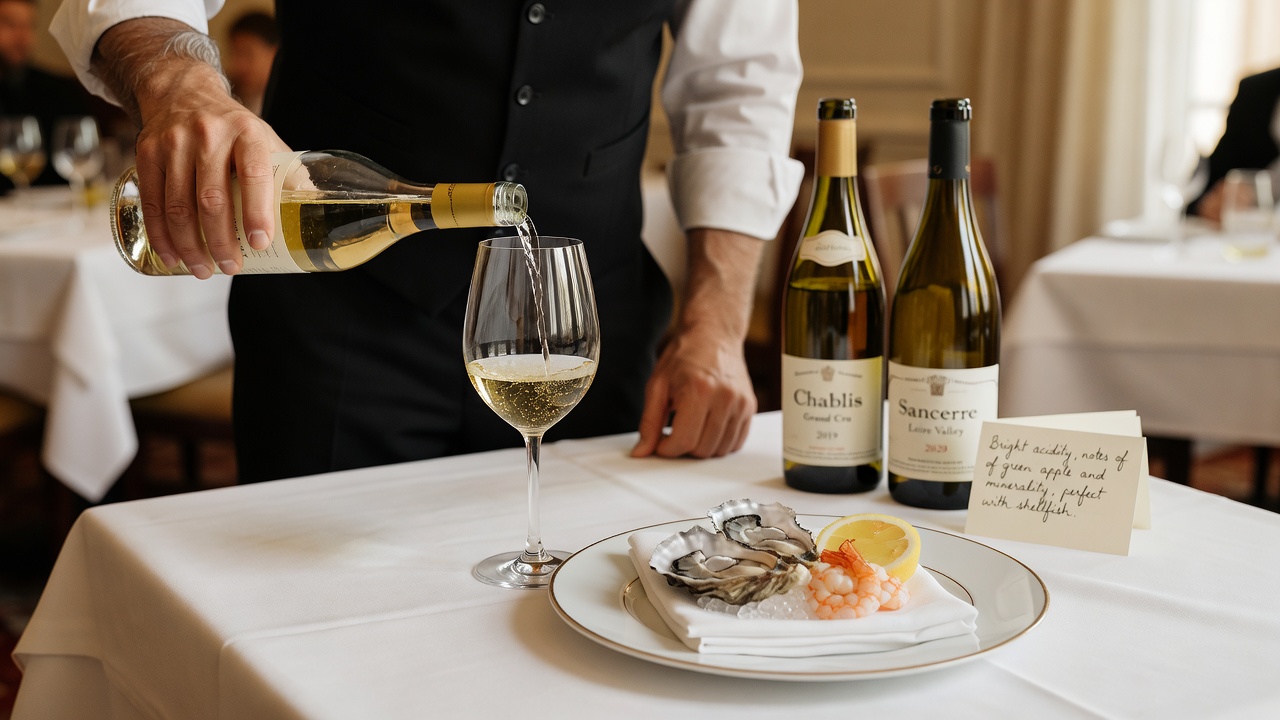
Acidity acts as the structural backbone that cuts through fats, balances sweetness, and refreshes the palate. As dishes progress from light appetizers to creamy or fatty mains, sommeliers increase wine acidity accordingly. A practical example pairs a high-acid Sancerre with buttery lobster thermidor, where the wine's citrus notes slice through richness. Later courses might feature an aged white Burgundy with roasted poultry to maintain balance. Understanding vintage variations in acidity helps fine-tune selections, especially when dishes include acidic components like tomatoes or citrus marinades.
Learn more about acidity in pairings from Wine Magazine.
Temperature Sequencing Strategies
Temperature control dramatically influences aroma, flavor perception, and mouthfeel. Whites are typically served between 45–55°F to highlight acidity and fruit in early courses, while reds perform best at 55–65°F to reveal layered complexity without muting subtleties. For longer meals, sommeliers gradually increase serving temperatures for reds to match richer later courses. Practical tips include using wine fridges with separate zones or ice buckets for precise control, and allowing bottles to rest at room temperature for 15–20 minutes before service.
Glassware Choices for Optimal Experience
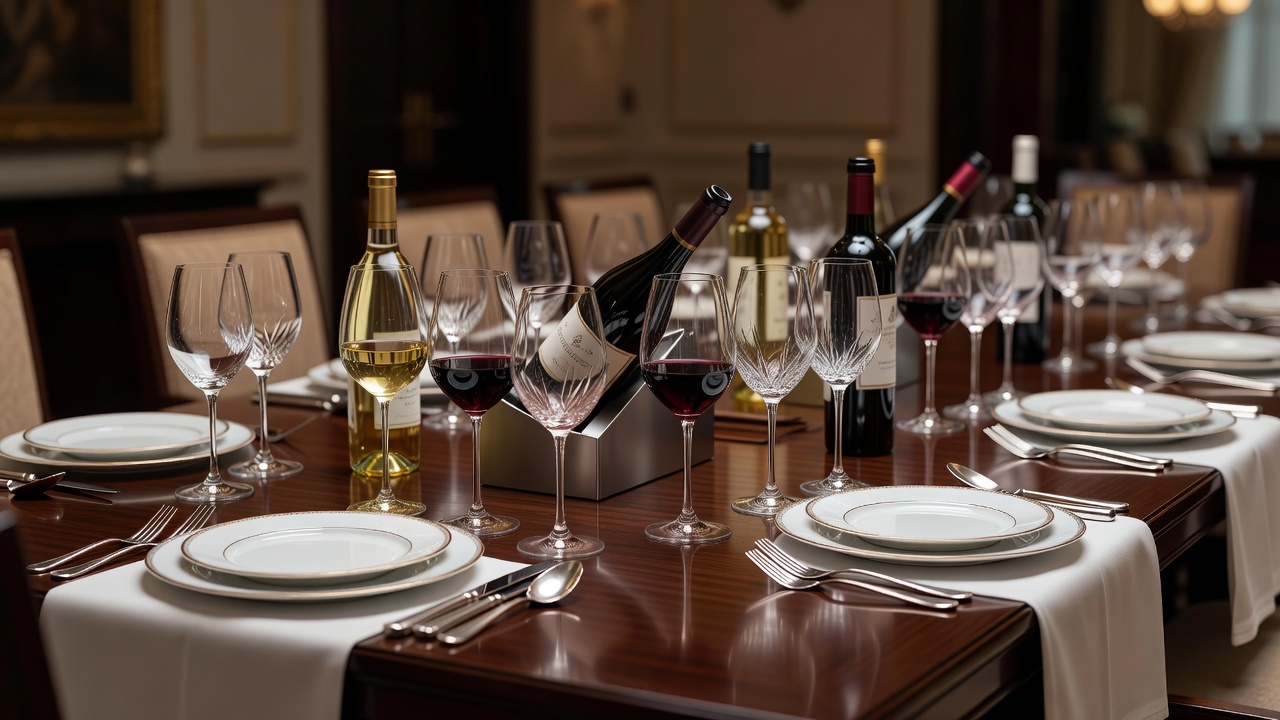
The right glassware enhances aroma delivery and wine development. Narrow flutes preserve carbonation in sparkling wines served early, while tulip-shaped glasses concentrate floral notes in aromatic whites. Larger, wider bowls for reds allow oxygenation that softens tannins in later courses. Investing in versatile, high-quality crystal sets improves consistency across pairings. Different shapes also help separate wines visually, adding to the theatrical aspect of service.
Explore glassware recommendations at Decanter.
Pairing Adjustments for Dietary Variations
Contemporary menus frequently accommodate vegetarian, vegan, gluten-free, or low-sodium preferences. Sommeliers adapt by substituting earthy reds like Nebbiolo for mushroom-based mains or using crisp rosés with plant-forward salads instead of traditional seafood pairings. For vegan meals, avoid wines fined with animal products by selecting certified vegan bottles. Gluten-free adaptations focus on wines without barrel aging that might introduce trace elements, ensuring seamless integration with alternative proteins or grain-free dishes.
Real-World Examples with Specific Wines and Courses
Consider a detailed seven-course progression: an amuse-bouche of oysters with a non-vintage Champagne; seared scallops paired with Chablis Premier Cru; a vegetarian risotto course matched to an Oregon Pinot Noir; herb-crusted lamb with a Left Bank Bordeaux; a cheese plate featuring aged Gouda alongside a Tawny Port; and a chocolate dessert with a late-harvest Riesling. Each selection builds intensity while incorporating palate resets. Another example adapts the same structure for vegan diners by replacing the lamb with grilled eggplant and shifting to a Syrah-based GSM blend.
Step-by-Step Planning Guide
- Map the full menu and note dominant flavors, textures, and dietary restrictions for each course
- Identify anchor wines for the most complex or centerpiece dishes first
- Select transitional and reset wines to bridge intensity levels
- Consider seasonal availability and guest preferences when finalizing the list
- Test pairings at least one week in advance with small portions
- Prepare backup bottles and serving tools, including proper glassware sets
- Plan service timing, including decanting needs and temperature staging
Traditional Versus Innovative Approaches
Traditional pairings emphasize regional harmony, such as serving Burgundy with coq au vin or Barolo with osso buco. These reliable matches rely on centuries of culinary synergy. Innovative approaches experiment with cross-cultural combinations, like pairing a spicy Australian Shiraz with Korean barbecue or a natural orange wine with Middle Eastern mezze. The key to success lies in aligning acidity, tannin, and fruit intensity rather than strict geography. Traditional methods offer predictability, while innovative pairings create memorable conversations when executed with precision.
Common Mistakes to Avoid
Many home entertainers overlook cumulative palate fatigue by serving too many heavy wines consecutively. Another frequent error is ignoring temperature drift during service, which dulls aromas. Failing to account for dietary restrictions can leave guests without suitable options, while overcomplicating sequences with too many wines disrupts flow. Always prioritize balance and guest enjoyment over showcasing rare bottles.
Conclusion
Mastering these advanced sommelier techniques allows anyone to deliver professional multi-course wine pairings that impress and satisfy. By focusing on progression, resets, acidity balance, and thoughtful adjustments, home entertainers can create memorable dining experiences year after year.
FAQ
How many wines should I serve for a five-course meal?
Three to four wines is ideal, with strategic sharing across similar courses to avoid palate overload.
What if a guest has wine allergies or sensitivities?
Offer low-sulfite or organic alternatives and emphasize fresh, high-acidity wines that minimize potential reactions.
Can I reuse the same wine across multiple courses?
Yes, when flavor profiles align closely, but vary glassware or serving temperature to refresh the experience.
How do I handle spice levels in multi-course pairings?
Choose off-dry or high-acidity whites early and avoid high-tannin reds with very spicy dishes to prevent bitterness.
What is the best way to store open bottles during a long meal?
Use inert gas sprays or vacuum pumps and keep bottles in cool, dark conditions between pours.
Should I decant all reds in advance?
Only decant structured, tannic reds one to two hours ahead; younger or delicate wines benefit from minimal aeration.
No comments yet. Be the first!