 Uncorked Conversations
Introduction to Wine Pairings for Crispy Textures
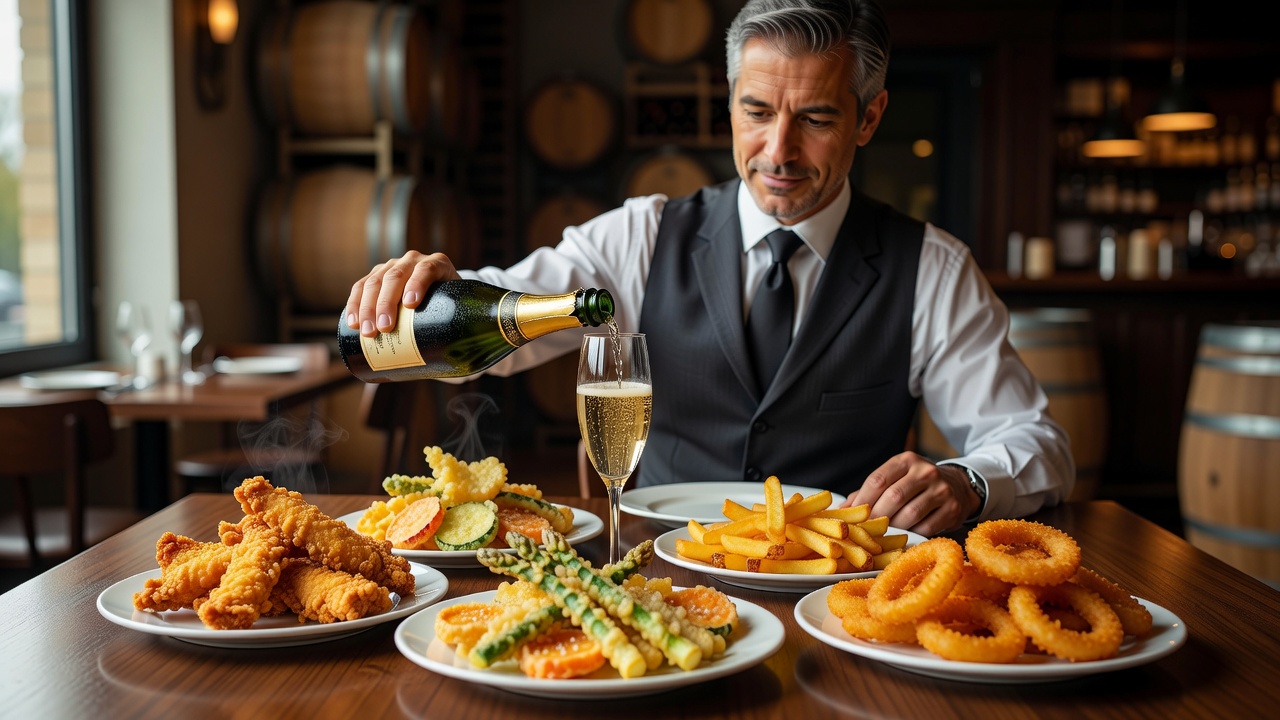
Fried foods and crispy bites create a distinctive pairing challenge because their rich, oily coatings and crunchy exteriors can mask subtle wine flavors. Sommeliers approach these dishes by selecting wines that deliver high acidity, lively bubbles, or gentle tannins to refresh the palate and highlight savory notes. In 2026, pairings for items like fried chicken tenders, tempura vegetables, french fries, and onion rings continue to attract both home enthusiasts and professionals looking for balanced, refreshing combinations. This comprehensive guide examines the underlying principles, provides detailed recommendations for specific dishes, compares regional wine styles, and offers five practical examples with step-by-step tasting logic.
Understanding how wine interacts with fat and crunch begins with recognizing that oil coats the tongue and reduces flavor perception. Wines with pronounced acidity act like a natural solvent, breaking down that coating and restoring balance. Effervescent wines add a physical cleansing action through carbonation, while light reds contribute subtle fruit without overwhelming the dish. By focusing on these elements, anyone can create successful matches that elevate casual fried fare into memorable experiences.
The Science Behind Cutting Through Oil and Enhancing Crunch
Acidity serves as the primary tool for countering oil because it stimulates saliva production and neutralizes fatty residues. Bubbles in sparkling wines create a scrubbing sensation that resets taste buds between bites, preventing palate fatigue. Regional differences play a key role: cooler-climate wines from areas like the Loire Valley or Austria tend to retain vibrant acidity, whereas warmer regions such as California often yield riper, fruit-forward expressions better suited to heavily seasoned or spicy fried items.
Step-by-step pairing logic involves three stages. First, identify the dish's dominant characteristics, including salt level, spice, and coating thickness. Second, match these to wine components such as acidity, sweetness, or tannin. Third, consider texture contrast by choosing wines that feel light and crisp rather than rich or oaky. Tasting notes frequently highlight citrus zest, green apple, mineral tones, or delicate herbal notes that complement golden, savory crusts without competing with them.
Pairing Fried Chicken Tenders with Precision
Fried chicken tenders feature a savory, sometimes spiced breading that demands wines capable of cutting through the oil while echoing seasoning elements. High-acidity whites such as Austrian Grüner Veltliner provide peppery herbal notes that mirror common spices, while their bright acidity refreshes after each bite. Sparkling wines like Cava or Prosecco add effervescence that lifts the palate and prevents the richness from lingering. Heavier oaked wines should be avoided because their vanilla and toast flavors clash with the crunchy texture and can leave an unbalanced finish.
Practical adjustments include chilling the wine slightly below standard serving temperatures to heighten refreshment. If the tenders include hot sauce or cayenne, lean toward wines with a touch of residual sweetness to tame heat without sacrificing acidity.
Tempura Vegetables and Aromatic Light Whites
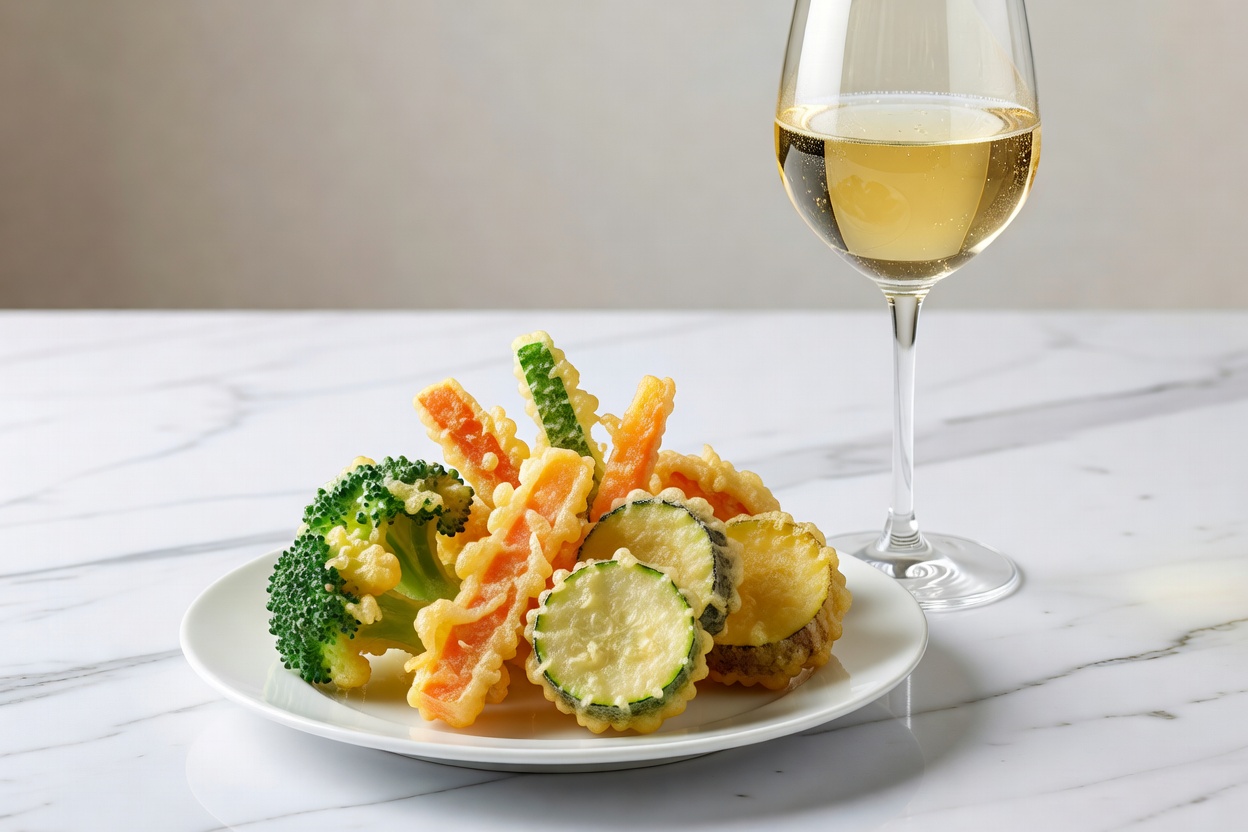
Tempura's delicate, airy batter requires wines that enhance vegetable flavors without overpowering the crisp coating. Italian Pinot Grigio offers clean mineral notes and citrus acidity that mirror the light frying technique, while French Sancerre from the Loire Valley adds grassy and grapefruit tones ideal for green vegetables. These wines maintain a sense of lightness that respects the dish's elegance.
Regional comparisons reveal that New Zealand Sauvignon Blanc often provides more tropical fruit intensity, which can work well with sweeter vegetables like sweet potato tempura. In contrast, European examples emphasize minerality and restraint, creating a more subtle enhancement. Always serve these whites well chilled to maximize their palate-cleansing effect.
French Fries, Onion Rings, and the Role of Bubbles or Light Reds
French fries pair exceptionally with sparkling wines such as Italian Prosecco or Spanish Cava. The bubbles cut through salt and oil while the wine's light fruit notes complement the potato's earthy character. For onion rings, which carry a natural sweetness from the onions, light reds like Beaujolais Villages or Pinot Noir from cooler regions provide berry fruit and soft tannins that balance without heaviness.
Comparative tasting across regions shows that South African Chenin Blanc can offer a versatile middle ground for fries, delivering both acidity and a hint of richness. When serving onion rings with a light red, ensure the wine is lightly chilled to preserve freshness and prevent the tannins from feeling too prominent against the crunchy coating.
Regional Wine Comparisons for Fried Foods
European wines often excel with straightforward fried dishes due to their linear acidity and mineral edge. Loire Valley Sauvignon Blanc and Austrian Grüner Veltliner consistently rank among top choices for their ability to refresh without distraction. New World options from New Zealand or South Africa introduce brighter fruit and sometimes a touch more body, making them suitable when the fried item includes bolder seasonings or dipping sauces. Experimenting across these regions helps diners discover personal preferences while maintaining the core principle of acidity-driven balance.
Five Practical Pairing Examples with Tasting Logic
The following examples use widely available bottles that remain accessible and pair reliably with common fried dishes. Each includes specific tasting notes and the reasoning behind the match.
- Fried chicken tenders with Austrian Grüner Veltliner: The wine's white pepper and green apple notes echo seasoning while sharp acidity slices through the breading's oil.
- Tempura broccoli with Loire Valley Sauvignon Blanc: Citrus and herbal aromas lift the vegetable's freshness and complement the light batter's crunch.
- French fries with Italian Prosecco: Persistent bubbles cleanse salt and grease, leaving a bright, fruity finish that invites another bite.
- Onion rings with Beaujolais Villages: Delicate red fruit and soft texture balance the onion's sweetness without overpowering the fried coating.
- Spicy fried shrimp with New Zealand Sauvignon Blanc: Passionfruit and lime notes tame heat while maintaining the acidity needed to refresh the palate.
Adjusting for Spice Levels and Avoiding Common Mistakes
Spice requires careful adjustments because capsaicin amplifies tannins and can make dry wines taste harsher. Opt for sparkling wines with a hint of sweetness or slightly off-dry whites to soften heat while preserving cleansing acidity. Common mistakes include selecting heavy, tannic reds that magnify spice or low-acid wines that leave a greasy coating. Another frequent error is serving wines at incorrect temperatures; whites and sparkling wines should be chilled to emphasize refreshment. Always taste the wine alongside the food rather than evaluating it in isolation, and consider small adjustments such as adding a squeeze of lemon to the dish if the pairing feels flat.
Frequently Asked Questions
How do I adjust pairings when the fried food is very salty? Increase acidity by choosing wines from cooler climates or add a splash of citrus to the dish to restore balance.
Can I use the same wine for multiple fried items? Versatile high-acidity whites like Grüner Veltliner work across several dishes, but sparkling wines are generally the most flexible option.
What if the food includes sweet elements like honey or sweet chili sauce? Look for wines with matching fruit intensity, such as off-dry sparkling wines or aromatic whites from Alsace.
Conclusion
Mastering sommelier pairings for fried and crispy foods transforms everyday meals by creating refreshing contrast and highlighting textures. Prioritize acidity and bubbles to cut through oil, compare regional styles to suit personal taste, and apply the practical examples for reliable results. Continued exploration with these principles leads to confident, enjoyable pairings at home or in restaurants. For additional guidance, consult resources from Wine Enthusiast, Wine Magazine, and Decanter.
No comments yet. Be the first!