 Uncorked Conversations
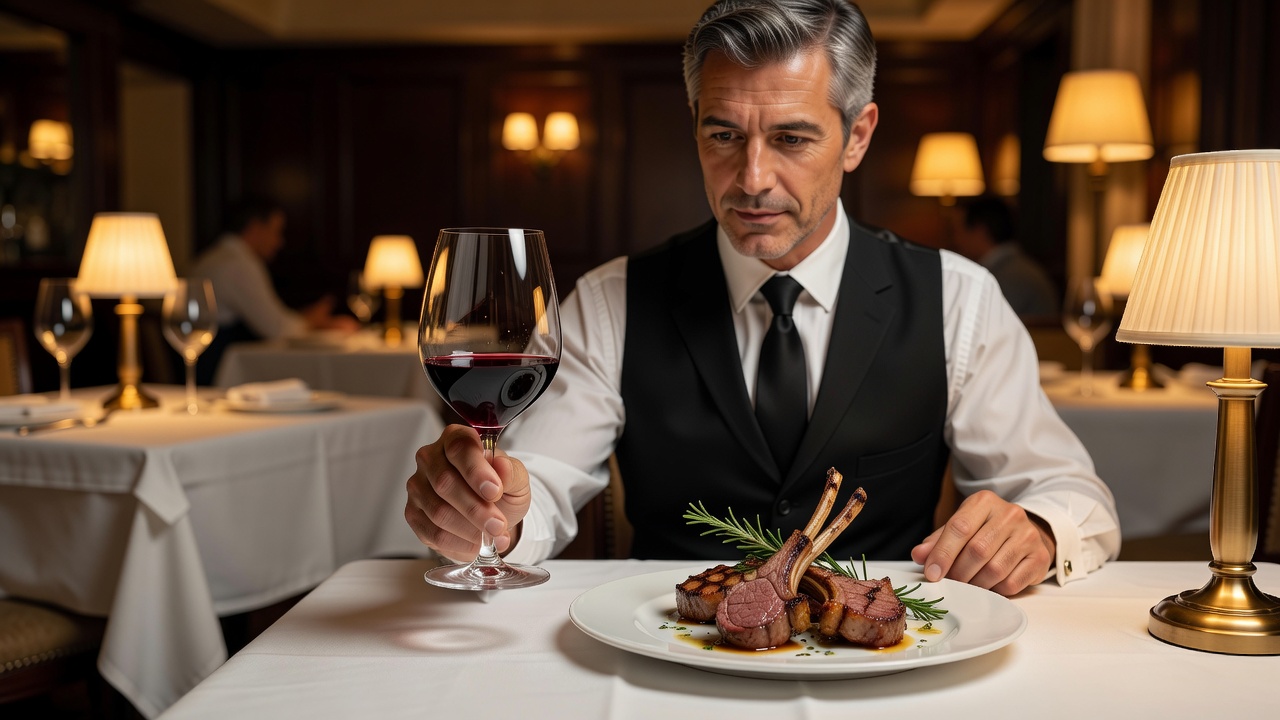
Introduction to Pairing Wine with Lamb
Lamb's rich, gamey flavor and higher fat content require wines that balance intensity through structured tannins and bright acidity. Sommeliers focus on these elements to refresh the palate after each bite while enhancing the meat's savory notes. This comprehensive guide explores expert pairings for grilled chops, roasted legs, and spiced curries, highlighting varieties such as Syrah, Cabernet Franc, and GSM blends from specific regions. Whether preparing a simple weeknight meal or an elaborate dinner, understanding these matches elevates the experience.
Lamb varies widely in preparation, from quick-grilled cuts to slow-roasted joints and aromatic curries. Each method alters fat distribution and seasoning, influencing wine selection. Tannins help cut through richness, while acidity prevents heaviness. Regional recommendations add authenticity, drawing from areas where lamb features prominently in local cuisine.
Core Principles of Lamb and Wine Pairing
Successful pairings begin with assessing the dish's fat level, seasoning intensity, and cooking technique. High-fat preparations need robust tannins to cleanse the mouth, whereas leaner or spiced versions benefit from aromatic acidity. Step-by-step logic starts by identifying the dominant flavors—smoky char, herbal notes, or warm spices—then matching them to wine components like fruit profile, body, and finish.
Next, evaluate regional synergies. Mediterranean herbs pair naturally with Rhône Valley wines, while Indian-inspired spices align with fruit-forward options. Always consider sauce or marinade acidity, as it can amplify or clash with wine tannins. Testing small portions before serving a full meal ensures harmony. These principles apply across all lamb dishes and help avoid common mismatches like overly light wines that get overwhelmed.
Pairings for Grilled Lamb Chops
Grilled chops develop a smoky exterior and juicy interior that calls for bold reds with firm tannins and peppery spice. Syrah from the Northern Rhône excels here, offering dark fruit, black pepper, and structured acidity that stands up to char. Specific examples include Crozes-Hermitage or Saint-Joseph, where the wine's earthiness complements simple salt-and-herb rubs.
Cabernet Franc provides a lighter yet flavorful alternative with green bell pepper aromas and medium tannins. Loire Valley examples from Chinon or Bourgueil enhance rosemary or thyme seasonings without overpowering the meat. For a New World twist, consider Washington State Cabernet Franc, which brings riper fruit while maintaining herbal elegance.
Practical matching involves grilling the chops to medium-rare to preserve juiciness, then pairing with wines decanted briefly to open up aromas. Decanter notes that Syrah's natural acidity effectively balances grilled preparations across many cuisines.
Pairings for Roasted Leg of Lamb
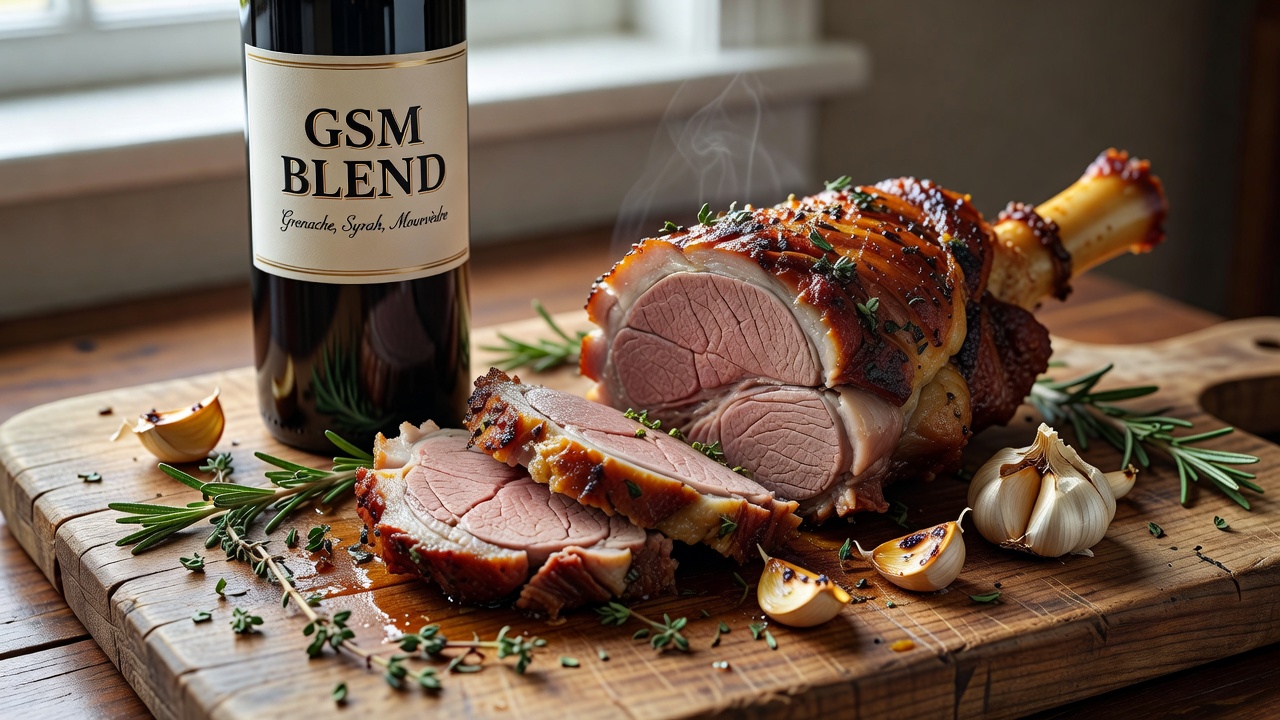
Roasted leg, typically studded with garlic and rosemary, develops deep savory flavors and rendered fat that suit fuller-bodied reds. GSM blends from the Southern Rhône deliver the ideal combination: Grenache supplies juicy red fruit and softness, Syrah adds backbone and spice, and Mourvèdre contributes earthy depth that echoes the roast's caramelized exterior.
Cabernet Franc from cooler climates offers bright acidity to cut fat while highlighting herbal elements. Serve these wines at 60-65°F after 30 minutes of decanting to maximize aromatic expression. Avoid overly oaked styles that can mask lamb's natural gaminess. For larger gatherings, select bottles with higher acidity to handle multiple servings without fatigue.
Flavor comparisons reveal how GSM blends mirror the layered profile of roasted meat better than single-varietal wines in many cases. The blend's versatility extends to accompaniments like mint sauce or roasted vegetables.
Pairings for Spiced Lamb Curries
Spiced curries featuring cumin, coriander, chili, and yogurt demand wines that manage heat and bold aromatics. GSM blends again perform well, with Grenache's softer tannins and red fruit tempering spice intensity. Syrah's peppery notes often echo curry spices directly, creating synergy.
Off-dry Riesling serves as an excellent white alternative, its residual sugar and high acidity refreshing the palate between bites. Compare profiles by noting how Cabernet Franc's red currant fruit contrasts warm spices while Syrah integrates them. Always choose wines with moderate alcohol to prevent heat amplification.
Flavor Profile Comparisons Across Wines
Syrah typically shows black fruit, smoke, and pepper, making it versatile for charred or spiced lamb. Cabernet Franc leans toward red fruit, herbs, and earth with brighter acidity. GSM blends combine these traits for complexity. These differences guide selections: choose Syrah for intensity, Cabernet Franc for elegance, and GSM for balanced meals.
Practical Serving Tips and Mistakes to Avoid
Follow these expanded guidelines for optimal results:
- Match wine body to fat content—lighter wines for lean cuts and fuller ones for fatty roasts.
- Consider glassware: larger bowls for Syrah to allow aeration, narrower for Cabernet Franc to focus aromatics.
- Serve reds slightly below room temperature to preserve freshness.
- Avoid overly tannic or oaked wines that dominate delicate herb notes.
- Test pairings with small samples, adjusting for personal spice tolerance in curries.
- Account for side dishes; creamy sauces may require higher-acidity wines.
Common mistakes include selecting whites that lack body or ignoring sauce acidity, which can make tannins taste harsh. Another error is serving wine too warm, dulling its refreshing qualities.
FAQ: Common Wine Pairing Mistakes with Lamb
What wine should I avoid with lamb? Light whites like Sauvignon Blanc often clash due to insufficient body and tannins, leaving the palate overwhelmed by fat.
Can I pair white wine with lamb? Yes, but select fuller-bodied options like oaked Chardonnay for roasted preparations or off-dry Riesling for spiced curries to provide necessary weight and acidity.
How do I handle very spicy curries? Opt for wines with residual sugar and high acidity, such as certain Rieslings or GSM blends, to refresh between bites without clashing.
Should I decant every red wine for lamb? Decant structured wines like Syrah or GSM blends for 20-40 minutes to soften tannins and release aromas, but skip for lighter Cabernet Franc if time is short.
What about non-alcoholic options? Sparkling waters with citrus or herbal infusions can mimic acidity and cleanse the palate effectively when alcohol is not desired.
Conclusion
Mastering sommelier pairings for lamb enhances every dish from simple chops to complex curries. By focusing on tannins, acidity, and regional matches like Syrah or GSM blends, you create harmonious experiences. Experiment with these recommendations, adjusting for personal taste and occasion, to discover lasting favorites that turn meals into celebrations.
No comments yet. Be the first!