 Uncorked Conversations
Introduction to Wine Pairings for Fusion Cuisine
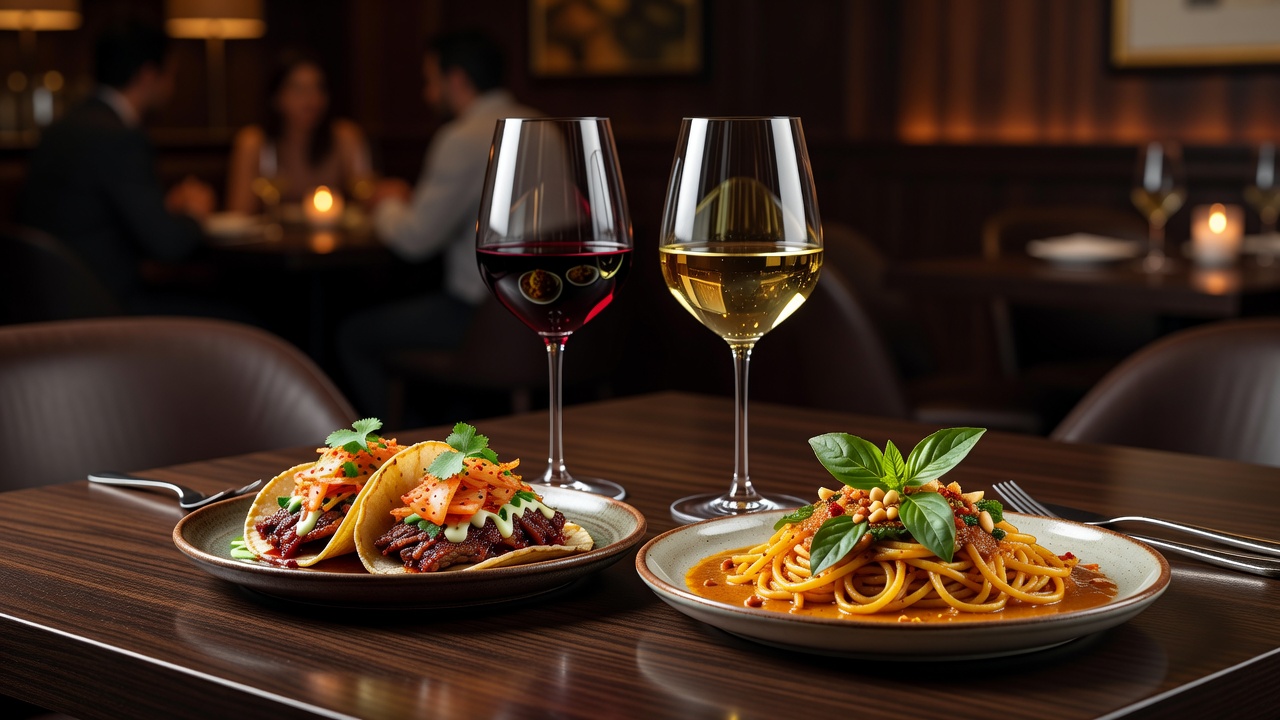
Fusion cuisine blends flavors from around the world, creating exciting dishes that challenge traditional pairing rules. In 2026, creative combinations such as Korean-Mexican tacos or Thai-Italian pasta continue to rise in popularity, demanding thoughtful wine selections based on acidity, tannins, and spice levels. This guide contrasts red and white options to help you choose confidently for memorable meals at home or in restaurants.
Understanding how wine components interact with bold, mixed flavors ensures balanced meals. Acidity cuts through richness, while tannins tame spice. Sustainable wines also feature prominently this year as consumers seek eco-friendly choices from producers focused on organic farming and low-intervention methods. Whether you are hosting a dinner party or exploring new recipes, mastering these pairings elevates every bite and sip.
Core Principles: Red Wine vs White Wine for Fusion Dishes
Red wines bring structure through tannins and dark fruit notes, suiting heavier or meat-based fusions. Whites offer crisp acidity and citrus profiles that refresh spicy or herbal plates. For fusion foods, consider the dominant spice or sauce rather than the cuisine origin alone, as this approach unlocks better harmony. High-acidity whites like Sauvignon Blanc pair well with acidic or citrus-forward dishes, while medium-bodied reds such as Pinot Noir complement umami-rich elements without overwhelming delicate fusions. Tannins can clash with high heat, so lighter reds are often preferable for chili-forward plates.
Body and alcohol content also matter. Fuller-bodied wines stand up to rich sauces, but lower-alcohol options prevent palate fatigue during multi-course fusion meals. Experimentation is key, yet these principles provide a reliable starting point for consistent success.
Sommelier-Recommended Pairings for Popular Fusion Recipes
Here are expert matches for six standout fusion dishes in 2026, each explained with flavor reasoning and practical serving tips.
1. Korean-Mexican Tacos
These feature gochujang-marinated beef with kimchi slaw and fresh cilantro. A crisp white like Albariño balances heat with bright acidity and subtle salinity that echoes the fermented elements. For reds, try a light Gamay to echo berry notes against savory spices while its soft tannins avoid amplifying spice burn. Serve the white slightly chilled and the red at cool room temperature for optimal refreshment.
2. Thai-Italian Pasta
Basil pesto meets Thai basil and chili in this hybrid noodle dish. An unoaked Chardonnay provides creamy texture to match the sauce and herbal brightness, while a low-tannin red like Barbera handles the chili kick with its vibrant cherry acidity. Add a squeeze of lime at the table to further enhance either choice.
3. Japanese-Mexican Sushi Burritos
Wasabi and avocado fill nori-wrapped rice rolls with tempura crunch. Sauvignon Blanc cuts through creamy elements with grassy notes, and a fruity red Zinfandel offers contrast to wasabi heat through its jammy fruit. Both work well when the dish includes pickled vegetables.
4. Indian-French Curry Croissants
Spiced potato filling in buttery pastry creates a flaky, aromatic bite. Off-dry Riesling tames curry intensity with residual sweetness that counters heat, and a silky red Burgundy complements the flaky layers through earthy mushroom undertones. Pair with a simple yogurt dip for extra cooling contrast.
5. Peruvian-Korean Ceviche Tostadas
Lime-marinated fish with gochujang drizzle and crispy corn tortillas. Vermentino's minerality enhances seafood freshness, while a chilled red like Beaujolais refreshes the palate after each spicy bite. The white shines with raw fish preparations, and the red excels once the dish incorporates grilled elements.
6. Vietnamese-Italian Pho Risotto
Herbal broth infuses creamy rice with star anise and cinnamon notes. Pinot Grigio highlights fresh herbs through its clean finish, and an earthy red Nebbiolo echoes star anise notes with its tar and rose aromas. Both selections benefit from a garnish of fresh mint or basil.
Step-by-Step Decision Framework for Pairings
Follow this structured approach to select wines for any fusion creation.
- Identify the dominant flavor: spice, acidity, or umami, then note secondary elements like sweetness or smoke.
- Match acidity levels first—high-acid wines for rich sauces or creamy components to cleanse the palate effectively.
- Consider tannins only with proteins, avoiding them with pure vegetable fusions where they can taste bitter or metallic.
- Test temperature: chill reds slightly for spicy dishes to reduce perceived alcohol and tannins.
- Factor in 2026 sustainable certifications for ethical choices that often deliver brighter fruit profiles ideal for mixed cuisines.
- Adjust for portion size—lighter wines for appetizer courses and bolder selections for main dishes.
This framework helps adapt pairings when experimenting at home or adjusting for dietary preferences such as vegetarian or gluten-free versions.
Flavor Profile Comparisons
Whites generally excel with vegetable-heavy or seafood fusions due to their refreshing qualities and ability to highlight bright herbs and citrus. Reds shine with grilled meats or fermented elements where their structure adds depth and complexity. Always prioritize balance over strict color rules, and consider how residual sugar in whites can soften spice while oak influence in reds adds savory layers. In practice, tasting side-by-side reveals nuances that written descriptions cannot capture fully.
Budget-Friendly Bottle Suggestions
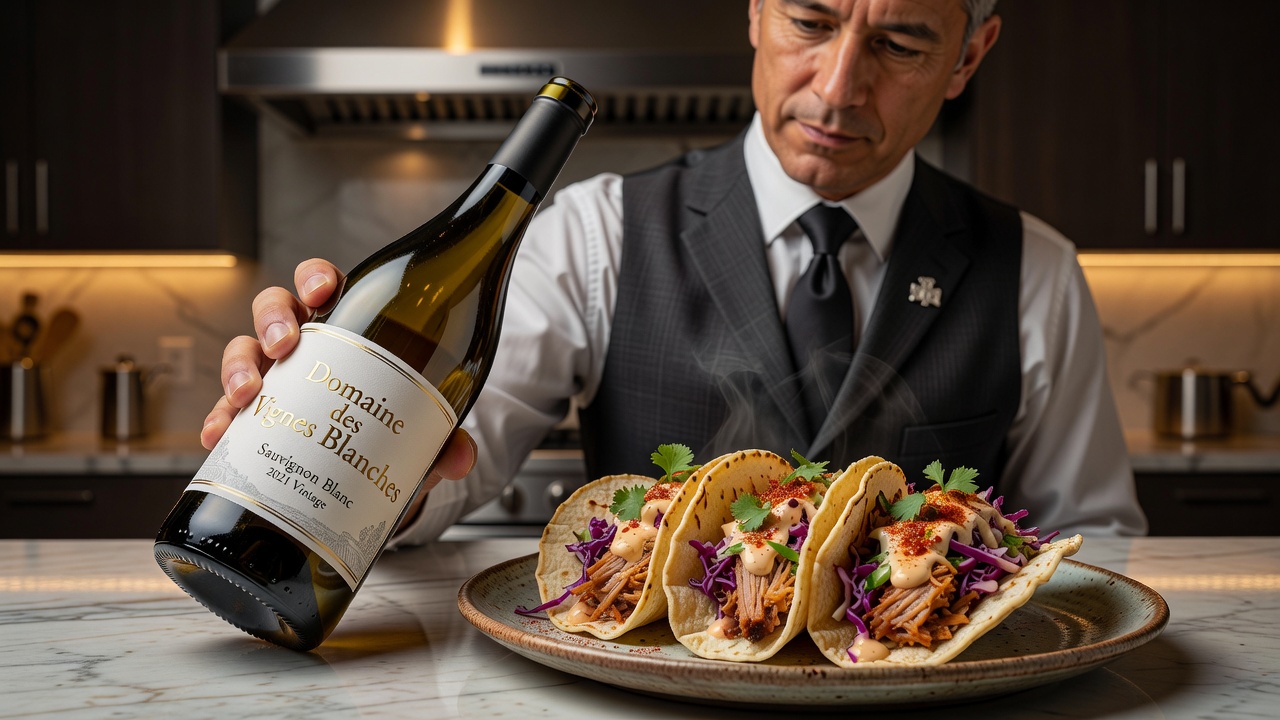
Look for widely available bottles in the budget range, many under thirty dollars as of 2026-07-19. Examples include crisp Spanish whites and versatile French reds that deliver quality without high cost. Focus on regions known for value such as Spain's Rías Baixas or France's Beaujolais to maximize flavor impact while staying accessible for regular enjoyment.
2026 Trends: Sustainable Wines in Fusion Pairings
Organic and biodynamic options from certified producers are gaining traction worldwide. These wines often feature vibrant acidity that enhances fusion flavors while supporting environmental goals through reduced chemical use and regenerative agriculture. Explore labels from Wine Magazine for current recommendations. Additional resources on sustainable practices appear at Slow Food, helping diners align choices with broader values. Low-intervention natural wines also pair exceptionally well with bold fusions by offering unexpected textures and purity of fruit.
Common Pairing Mistakes and How to Avoid Them
- Overlooking spice: Always choose lower-alcohol wines for chili-heavy plates to prevent heat amplification.
- Ignoring temperature: Serve chilled reds for better refreshment and smoother mouthfeel with spicy foods.
- Skipping acid checks: Match wine acidity to dish acidity to prevent clashes that dull both flavors.
- Over-relying on color: Test both red and white options rather than defaulting to traditional rules that may not suit hybrid dishes.
- Neglecting sweetness balance: Use off-dry whites when dishes include sweet elements like mango or coconut.
FAQ
Can I pair red wine with spicy fusion dishes?
Yes, opt for low-tannin varieties like Gamay to avoid amplifying heat while still providing fruit depth.
What white wine works best with creamy fusions?
Unoaked styles such as Pinot Grigio provide clean acidity without competing textures or heavy oak notes.
Are sustainable wines more expensive?
Many remain budget-friendly while offering excellent quality and ethical sourcing that appeals to modern consumers.
How do I start experimenting with pairings?
Use the decision framework above and taste progressively with small pours alongside each component of the dish.
Should I chill red wines for fusion meals?
Slight chilling works well for spicy or lighter fusions, improving refreshment without sacrificing structure.
What if my fusion dish mixes sweet and savory notes?
Reach for off-dry whites or low-tannin reds that bridge both flavor directions effectively.
Conclusion
Mastering red versus white pairings elevates fusion cuisine experiences through thoughtful attention to acidity, tannins, and emerging sustainable trends. With the examples, frameworks, and tips provided, your 2026 meals will impress guests and satisfy personal curiosity alike. Experiment boldly and enjoy the creative results that come from combining global flavors with the right wines.

No comments yet. Be the first!