 Uncorked Conversations
Introduction to Sommelier Wine Pairings for Mexican Cuisine
Mexican cuisine delivers bold layers of corn, chili heat, citrus brightness, and rich sauces that demand thoughtful wine selections. In 2026, sommeliers continue refining pairings that respect these flavors while highlighting balance through acidity, fruit, and minerality. This guide explores proven strategies for classic and modern dishes, helping home entertainers select wines that elevate every bite. Effective pairings start with understanding how spice interacts with tannin and how acidity cuts through fat. Whether hosting a taco night or a multi-course meal, the right bottle transforms the experience from ordinary to memorable. Mexican food often combines sweet, savory, and fiery elements in a single dish, making wine selection both an art and a science that rewards attention to detail.
Hosts frequently ask how to avoid common mismatches where a wine either amplifies heat unpleasantly or gets lost behind bold spices. The key lies in matching wine structure to the dish’s dominant characteristics, such as the sweetness of pineapple in al pastor or the earthy depth of mole. Throughout this article, we break down the logic behind each recommendation with concrete examples drawn from professional tasting sessions.
Core Pairing Principles for Mexican Flavors
Heat from chilies amplifies alcohol perception, so lower-alcohol wines often work best. Corn tortillas add subtle sweetness best matched by wines with bright fruit or slight effervescence. Citrus elements in dishes like ceviche call for high-acidity whites or sparkling options that echo those notes. Step-by-step logic begins with assessing dish heat level, then identifying dominant ingredients such as pork, chocolate, or seafood. Next, choose wine body and style to either contrast or complement those elements. Finally, consider serving temperature to maintain vibrancy. Additional considerations include residual sugar levels, which can soften perceived spice, and tannin management, since overly tannic wines tend to clash with capsaicin. For deeper reading on acidity’s role in food pairings, consult resources from Wine Magazine. Understanding these fundamentals allows hosts to adapt pairings when recipes vary slightly from traditional preparations.
Pairing Tacos al Pastor
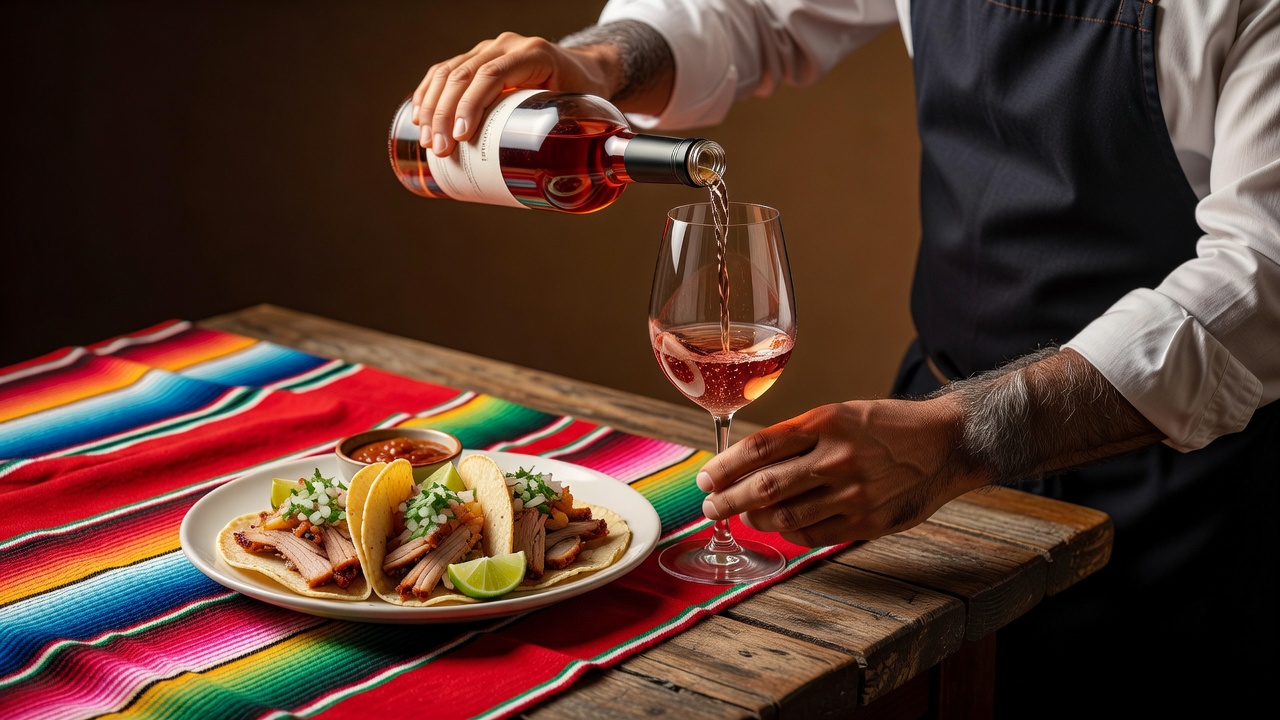
Tacos al pastor feature marinated pork, pineapple sweetness, and smoky chili. The ideal match cuts through richness without overwhelming the fruit. Rosé from Provence offers strawberry notes and crisp acidity that harmonize with the pineapple. Alternatively, a light red like Gamay provides juicy berry flavors and low tannins. Consider how the marinade’s achiote and oregano interact with wine aromatics; wines with subtle herbal notes often create seamless bridges. For larger gatherings, prepare a flight of two or three options so guests can compare how each element shifts the perception of heat and sweetness. Avoid heavy Cabernet Sauvignon, which can clash with the spice and make heat feel harsher. Experiment with slightly chilled reds to enhance refreshment on warm evenings.
Pairing Mole Poblano
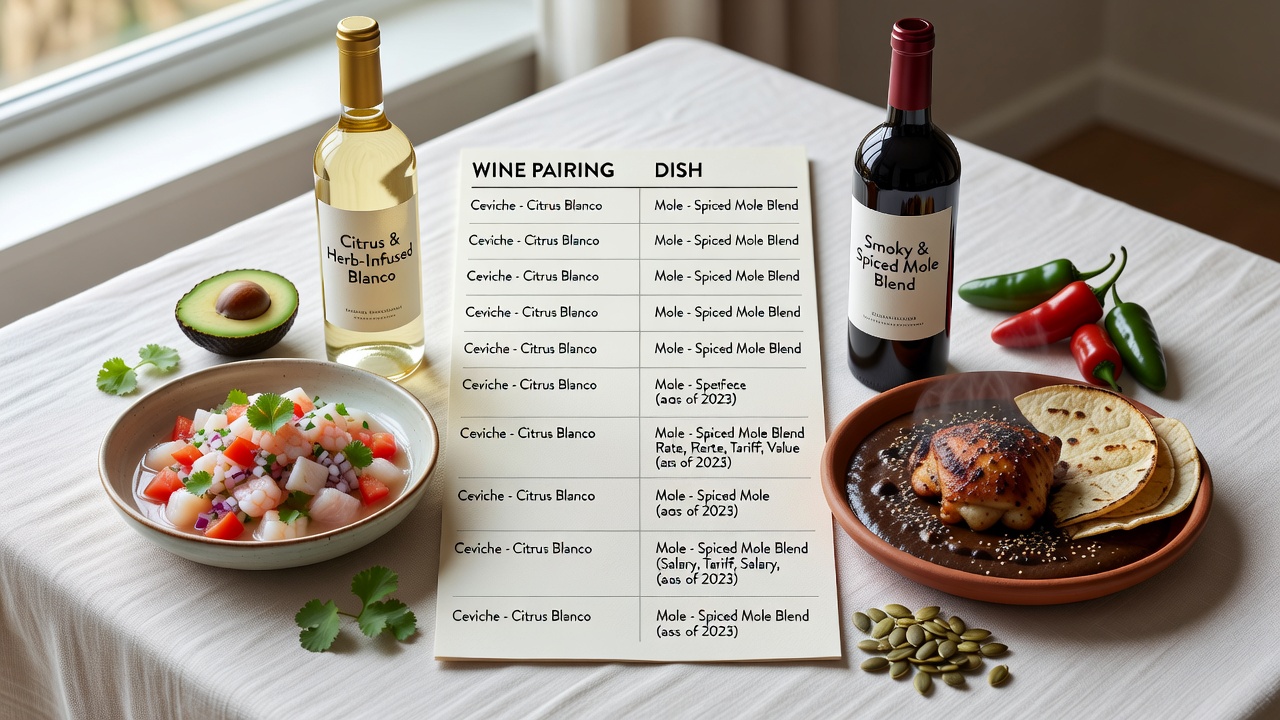
Mole poblano combines chocolate, nuts, and dried chilies into a complex sauce over chicken or turkey. Full-bodied reds with earthy undertones shine here. A Spanish Tempranillo or Mexican red from Baja California delivers dried fruit and subtle spice that mirror the mole’s depth. Sparkling options with a touch of sweetness can also refresh the palate between bites. The chocolate component benefits from wines that carry cocoa or coffee nuances without excessive oak. When serving mole at a dinner party, decant the red wine thirty minutes ahead to allow secondary aromas to emerge and better integrate with the sauce’s layered profile.
Pairing Ceviche
Fresh ceviche highlights lime, fish, and chili. High-acidity whites such as Sauvignon Blanc or Albariño amplify citrus while cleansing the palate. Sparkling wines add texture that complements the dish’s lightness. Steer clear of oaky Chardonnays that mask delicate seafood flavors. Consider regional variations: coastal Mexican ceviches with more chili heat pair beautifully with wines that show saline or mineral qualities, while milder versions allow room for fruit-forward expressions. Always serve these wines well chilled to maintain their zesty character against the cold dish.
Pairing Enchiladas
Enchiladas vary by filling and sauce but often include corn tortillas and melted cheese. Medium-bodied whites like unoaked Chardonnay or Pinot Gris handle creamy textures well. For red-sauced versions, a juicy Zinfandel offers enough fruit to stand up to tomato and spice. When preparing vegetarian enchiladas with beans and peppers, lean toward aromatic whites that highlight the vegetable sweetness. Cheese-heavy fillings call for wines with enough acidity to cut through fat without introducing competing tannins.
Exploring Sparkling and Rosé Versatility
Sparkling wines deserve special attention because their bubbles provide a scrubbing effect on the palate that resets taste buds between spicy bites. Cava or Prosecco works across many Mexican dishes, particularly when the meal includes multiple heat levels. Rosé continues to gain popularity for its ability to bridge red and white categories, offering enough body for grilled meats yet enough acidity for seafood. Hosts can stock a single versatile rosé for casual gatherings and still achieve professional-level results.
Red Wine Strategies for Richer Dishes
While lighter reds dominate many pairings, certain richer preparations benefit from structured yet fruit-driven reds. Look for wines with moderate tannins and prominent red fruit to avoid clashing with chili. Mexican reds from high-elevation vineyards often display the bright acidity needed to balance heavier sauces. These choices reward experimentation and frequently surprise guests who expect only white wines with Mexican food.
White Wine Options Beyond the Basics
Beyond Sauvignon Blanc, consider Grüner Veltliner or dry Riesling for their peppery or stone-fruit notes that complement corn-based dishes. These varieties bring unique aromatics that enhance rather than compete with traditional Mexican seasonings. Keep several chilled bottles ready so temperature remains optimal throughout service.
Quick Comparison: Wine Styles vs Dish Heat Levels
| Wine Style | Low Heat | Medium Heat | High Heat |
|---|---|---|---|
| Crisp White | Excellent | Good | Fair |
| Rosé | Excellent | Excellent | Good |
| Light Red | Good | Excellent | Good |
| Sparkling | Excellent | Excellent | Excellent |
| Full Red | Fair | Good | Fair |
Budget-Friendly Bottle Recommendations
Look for widely available producers offering quality at accessible price points. Many importers now feature Mexican and Spanish wines that pair naturally with local cuisine. Visit Food & Wine for seasonal pairing ideas that update regularly with new vintages. Focus on regions known for value-driven production to keep selections fresh and exciting for repeat entertaining.
Common Mistakes to Avoid
- Choosing high-tannin reds with very spicy dishes, which intensifies heat.
- Overlooking acidity when pairing rich moles or creamy enchiladas.
- Serving wines too warm, dulling their refreshing qualities.
- Ignoring regional Mexican wines that often complement native ingredients best.
- Pairing overly sweet wines with already sweet elements like pineapple, creating imbalance.
- Forgetting to account for cheese or cream, which require extra acidity to cut through richness.
Frequently Asked Questions
How do I adapt pairings when guests have different spice tolerances? Offer a range of styles from sparkling to light red so everyone can select their comfort level. What if my dish includes both sweet and savory elements? Prioritize wines with residual sugar or bright fruit to bridge the contrast. Can I use the same wine across an entire meal? Versatile rosé or sparkling wines often work well for multi-course spreads when dishes share similar heat profiles.
Conclusion
Mastering sommelier-level pairings for Mexican cuisine requires attention to heat, acidity, and complementary flavors. With these guidelines, hosts can confidently select bottles that enhance tacos al pastor, mole poblano, ceviche, and enchiladas alike. Experimentation remains key—start with the principles above and adjust based on personal taste for memorable meals in 2026 and beyond.
No comments yet. Be the first!