 Uncorked Conversations
Introduction to Sommelier-Level Wine Pairings for Casual Eats
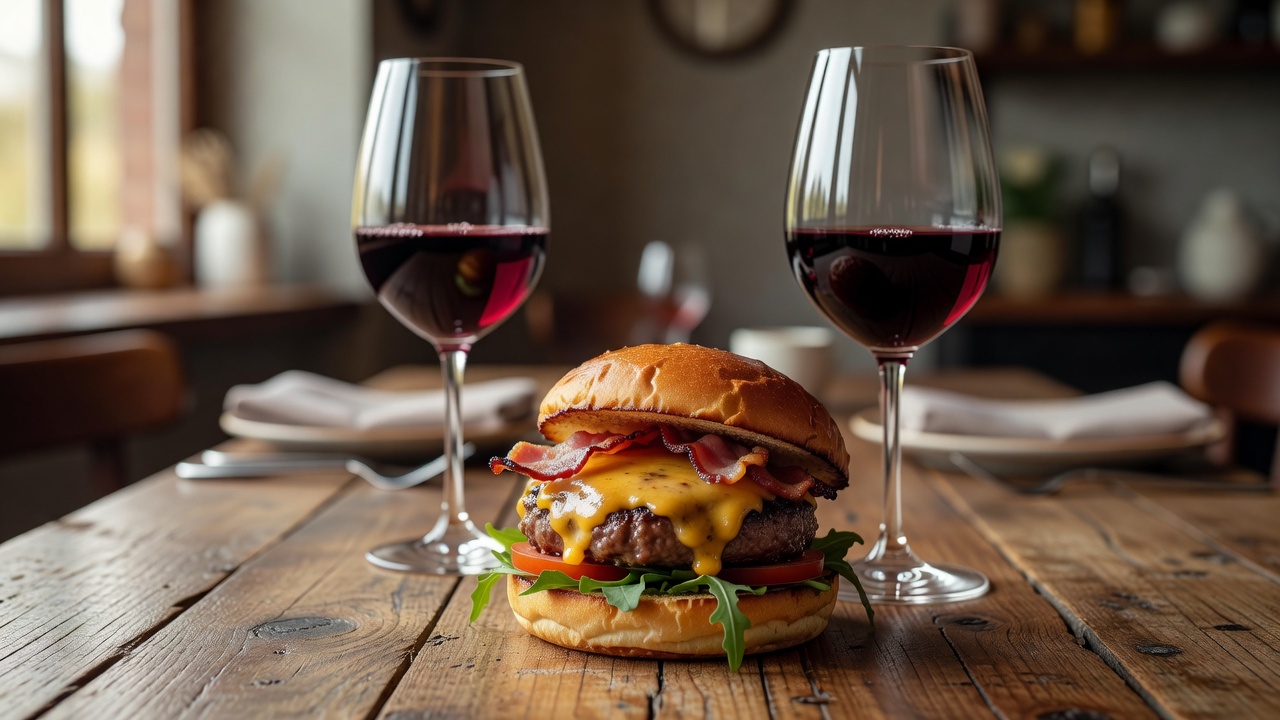
Mastering food wine pairing transforms everyday burgers and sliders into memorable experiences. In 2026, home entertainers are turning to sommelier techniques to match wines with casual comfort foods, focusing on acidity, tannins, and flavor bridges that complement beef, turkey, veggie patties, and gourmet toppings. Whether hosting a backyard gathering or a casual dinner, understanding wine with food principles helps elevate these meals without requiring fine-dining formality. Many enthusiasts start by considering the protein base, then layer in toppings and sauces to guide selections that refresh the palate or provide gentle structure.
Core Principles of Food Wine Pairing
Successful pairings rely on balancing acidity to cut through richness, managing tannins to avoid overpowering delicate flavors, and creating bridges between wine aromatics and burger ingredients. Crisp whites refresh the palate after fatty bites, light reds provide subtle structure for beef, and sparkling options cleanse the mouth with effervescence. These elements ensure harmony rather than competition on the plate. Acidity acts like a squeeze of lemon on rich foods, while tannins interact with proteins to soften both the wine and the dish. Flavor bridges occur when shared notes such as herbal, fruity, or smoky elements appear in both the wine and the toppings. For deeper insights into these fundamentals, explore resources from Decanter. Home entertainers can practice by tasting small portions side by side, noting how each sip changes the perception of the burger.
Matching Wines to Different Burger Styles
Beef burgers call for wines with enough body to stand up to umami and fat. Turkey and chicken versions pair well with lighter, fruit-forward selections that echo lean proteins. Veggie burgers benefit from wines that highlight herbal or earthy notes in plant-based ingredients and toppings like mushrooms or avocado. Gourmet additions such as blue cheese, bacon, or spicy aioli further guide choices toward wines with complementary sweetness or acidity. For instance, a beef patty with caramelized onions benefits from a wine showing similar savory depth, whereas a turkey slider with cranberry calls for bright fruit to mirror the tartness. Consider cooking method too: grilled burgers may suit wines with subtle smoke, while pan-seared options lean toward fresher profiles.
8-10 Expert Sommelier Pairings with Real Examples
Here is a curated list of ten pairings, each with step-by-step logic. Identify the dominant protein and topping flavors first. Select a wine style that balances weight and acidity. Test by taking a bite, then a sip, and adjust temperature if needed.
- Classic beef burger with cheddar: Pinot Noir from Oregon, such as a recent vintage with bright cherry notes that bridge the cheese and beef. The moderate tannins soften the fat while acidity cuts richness.
- Turkey slider with cranberry relish: Sauvignon Blanc from New Zealand, offering zesty acidity to match the tart relish and lean meat.
- Veggie burger with mushroom topping: Gamay from Beaujolais, light tannins echoing earthy flavors without overwhelming the patty.
- Beef burger with bacon: Sparkling Shiraz from Australia, bubbles cutting through smokiness and cleansing the palate between bites.
- Spicy turkey burger: Riesling from Germany with off-dry sweetness to tame heat while complementing the poultry.
- Black bean veggie slider: Grüner Veltliner from Austria, herbal notes aligning with cumin spices and bean earthiness.
- Gourmet beef with blue cheese: A light red from the Rhône Valley, where spice notes enhance the pungent cheese and beef umami.
- Chicken burger with avocado: Albariño from Spain, crisp citrus refreshing creamy textures and mild protein.
- Lamb slider with mint: Côtes du Rhône light red, spice notes enhancing the herbs and gamey meat.
- Falafel veggie burger: Prosecco from Italy, effervescence pairing with chickpea earthiness and herbal garnishes.
These examples demonstrate how small adjustments in wine choice create big improvements in enjoyment. Experiment by preparing two versions of the same burger and comparing side-by-side results.

Step-by-Step Pairing Logic for Home Entertainers
Begin by listing every component of your burger or slider. Note proteins, sauces, cheeses, and vegetables. Next, match weight: heavier dishes need wines with more body. Then consider acidity to refresh and tannins to balance. Finally, seek flavor bridges such as berry notes with tomato or herbal tones with fresh greens. Serve wines at proper temperatures—whites and sparkling around 45–55°F, light reds slightly cooler than room temperature—to maximize their impact.
Seasonal 2026 Twists for Wine Pairings
In 2026, incorporate trending elements like grilled stone fruits on burgers paired with off-dry Chenin Blanc or use smoked paprika toppings matched to lightly chilled Valpolicella. These updates keep pairings fresh while respecting core acidity and tannin rules. Summer gatherings might feature chilled rosé with turkey burgers topped by watermelon salsa, while fall menus could highlight light reds alongside beef sliders with roasted root vegetables. Staying current with seasonal produce allows pairings to feel timely and creative without complexity.
Common Pitfalls to Avoid in Casual Wine Pairings
Overly tannic reds can dry out the mouth when paired with fatty burgers. Ignoring spice levels leads to mismatched heat. Always consider serving temperature and portion size to maintain balance. Another frequent mistake is choosing wines that are too sweet or too dry for the overall dish intensity. Overlooking cheese strength can result in clashing flavors. To avoid these issues, start with versatile bottles and adjust based on tasting notes. Additional guidance is available through established wine education sites such as Wine Institute.
Budget-Friendly Alternatives
Look for entry-level bottles from established regions rather than premium labels. Many grocery options from Chile or South Africa deliver similar profiles to higher-end choices without sacrificing quality in food wine pairing scenarios. Focus on grape varieties rather than specific producers when shopping. Store brands and regional blends often provide excellent value while delivering the acidity and fruit needed for successful matches. Rotate selections seasonally to keep costs low and discoveries exciting.
Quick FAQ: Adjusting for Spice or Cheese Intensity
How do I adjust for extra spice? Opt for slightly sweeter whites or sparkling wines to counter heat. A touch of residual sugar balances capsaicin effectively.
What if cheese is very pungent? Choose wines with residual sugar or higher acidity to cut through intensity. Blue cheese pairs especially well with wines showing dried fruit or nutty notes.
Can I use the same wine for multiple burger types? Versatile options like dry rosé work across several styles when toppings vary. Keep a few backup bottles ready for last-minute adjustments.
Should temperature change with the season? Yes, chill whites and sparkling more in summer while allowing light reds to warm slightly in cooler months for optimal aroma release.
What if guests have different spice tolerances? Offer a range from dry to off-dry options so everyone can select their preferred balance.
Conclusion
Applying sommelier techniques to burgers and casual eats makes every gathering more enjoyable. Experiment with these pairings to discover personal favorites that turn simple meals into elevated experiences. With practice, food wine pairing becomes an intuitive skill that enhances both casual weeknight dinners and special occasions alike.

No comments yet. Be the first!