 Uncorked Conversations
Introduction to Sommelier-Level French Wine Pairings
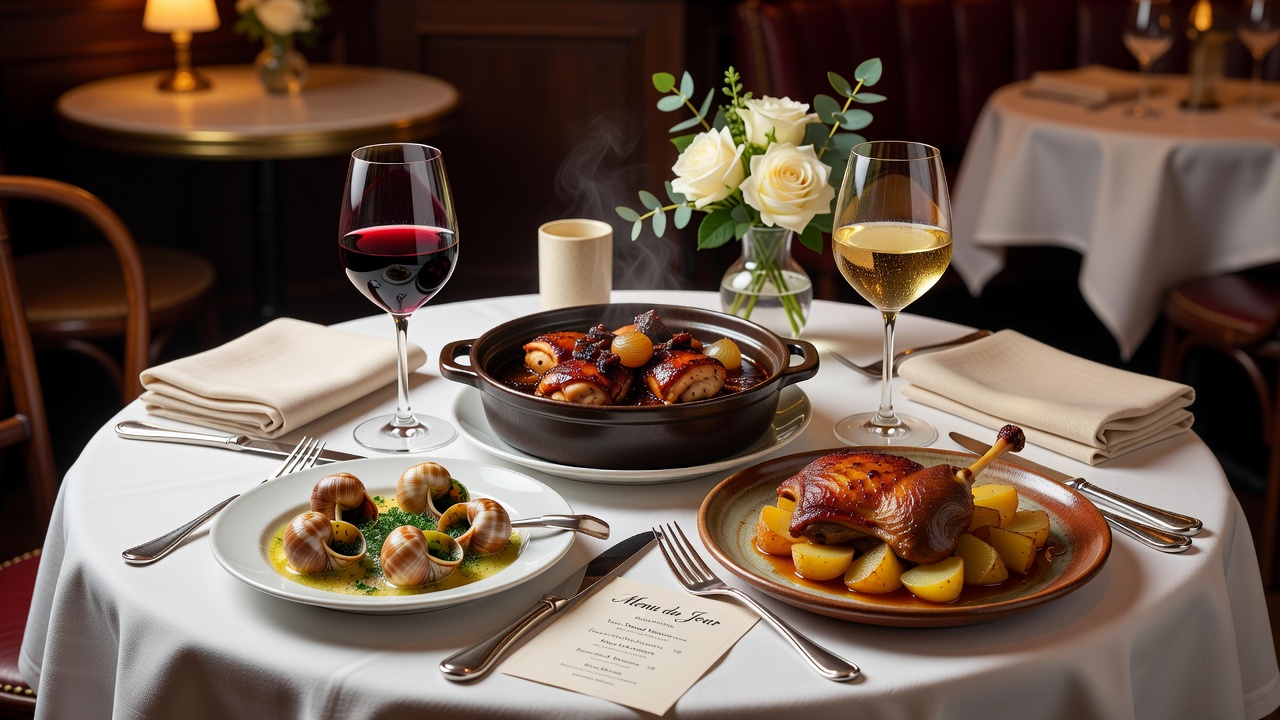
Pairing wine with classic French cuisine elevates everyday meals into memorable experiences. In 2026, home cooks and enthusiasts seek guidance beyond basic suggestions, focusing on balancing rich sauces, textures, and regional authenticity. This guide delivers in-depth sommelier insights for dishes such as coq au vin, escargot, and duck confit, helping you select wines that complement acidity, tannins, and flavors for sophisticated results at home. French cuisine often features bold sauces and hearty proteins that demand wines with structure. Sommeliers emphasize matching intensity and considering regional origins, where local wines naturally harmonize with local foods. Whether hosting a dinner party or refining weeknight meals, understanding these principles transforms your table into an elevated dining experience that rivals professional restaurants.
Many enthusiasts start with simple lists but quickly realize that true mastery comes from understanding the interplay of flavors. Rich reductions in coq au vin require wines that refresh the palate without being overwhelmed. Similarly, the garlic butter of escargot calls for crisp acidity to cut through fat. By the end of this guide you will have concrete examples, decision frameworks, and practical adjustments for different budgets and availability.
Core Principles of Food and Wine Pairing
Effective pairings hinge on acidity to cut through fats, tannins to balance proteins, and sweetness or minerality to echo sauces. For French classics, prioritize wines from the same region as the dish whenever possible. This creates synergy rather than competition. Acidic whites refresh the palate after creamy elements, while structured reds stand up to braised meats. Consider weight: light dishes pair with delicate wines, while robust flavors require full-bodied selections. Temperature also matters—serve reds slightly cool and whites properly chilled to highlight nuances. Experimentation refines personal preferences, but starting with proven matches ensures success. Another key principle is contrast versus complement. A high-acid wine can contrast rich duck confit beautifully, while an earthy Pinot Noir complements the mushroom notes in coq au vin.
Pairing Coq au Vin with Regional Reds
Coq au vin, a braised chicken dish in red wine sauce with lardons and mushrooms, calls for wines that echo its depth. Burgundy Pinot Noir offers bright acidity and earthy notes that mirror the sauce. Choose a village-level wine from Côte de Nuits for added complexity. The tannins soften the richness without overpowering the chicken. Step-by-step logic: Start with the sauce's wine base, then select a similar varietal. Acidity cuts fat from bacon, while subtle oak adds layers. Avoid overly tannic options that clash with tender meat. Practical example: Serve a 2024 vintage Burgundy alongside the dish to highlight cherry and forest floor aromas that enhance the braised vegetables. If Burgundy is unavailable, a comparable Oregon Pinot Noir can substitute while maintaining similar body and acidity levels.
Escargot and Crisp White Wine Recommendations
Escargot bathed in garlic butter demands whites with high acidity to cleanse the palate. Burgundy Chardonnay from Chablis provides mineral-driven freshness that contrasts the buttery sauce. The wine's citrus notes highlight garlic without dominating. Regional focus enhances the experience—pair with wines from the same area as the snails' origin for authenticity. Serve well-chilled to maintain vibrancy against warm butter. Additional nuance comes from the preparation style: if the escargot includes herbs de Provence, a touch of herbal character in the wine amplifies the experience. Sommeliers often recommend starting with a glass of the same wine used in cooking if applicable, creating a seamless bridge between kitchen and table.
Duck Confit and Elegant Red Pairings
Duck confit, with its crispy skin and rich meat, benefits from wines offering both acidity and moderate tannins. Bordeaux from the Right Bank, such as Merlot-dominant blends, complements the fattiness while providing cherry and herbal notes.
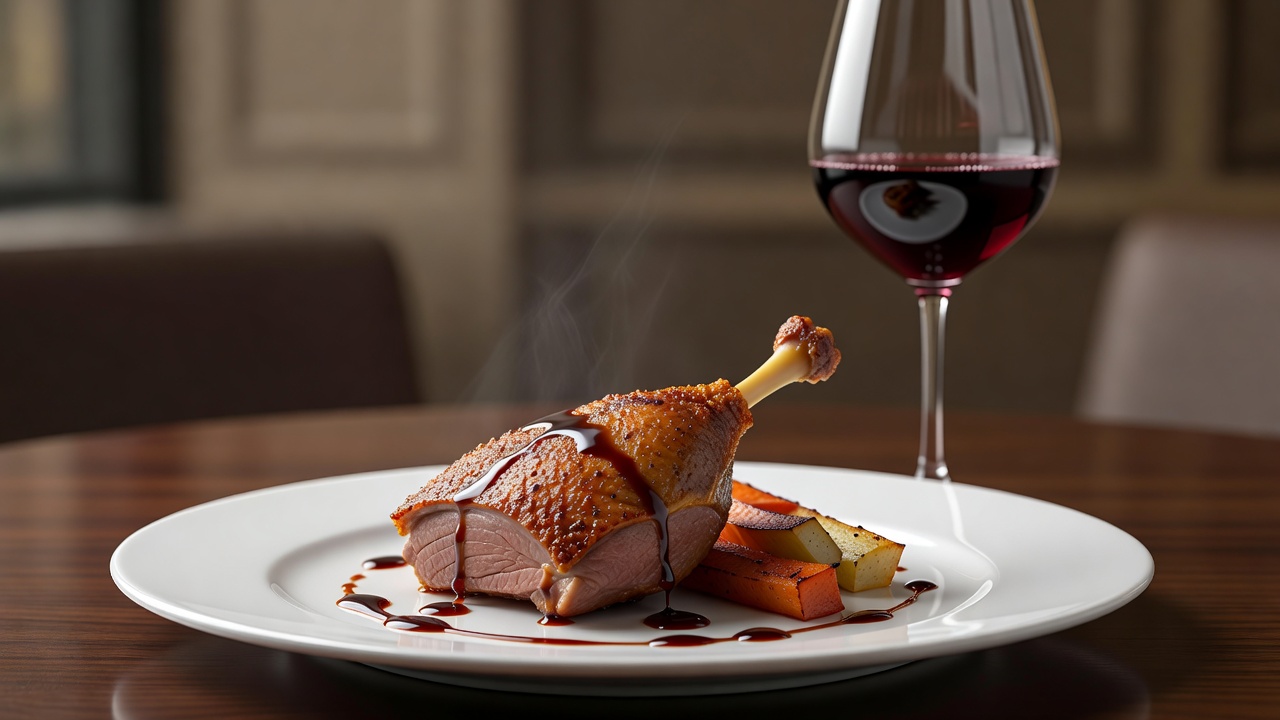
Practical example: The wine's structure stands up to rendered fat, and earthiness echoes the duck's savory profile. Chill the bottle slightly before serving to emphasize freshness. Consider the side dishes as well; if served with lentils or potatoes, the wine should also handle starch without losing its edge. Many sommeliers suggest decanting the wine for thirty minutes to soften tannins and open up secondary aromas that pair especially well with the confit skin.
Additional Classic Dishes and Their Ideal Matches
Boeuf Bourguignon pairs beautifully with robust Burgundy reds for seamless regional harmony, where the wine's earthiness mirrors the beef and pearl onions. Foie gras shines alongside sweet Sauternes, where acidity balances richness and the wine's botrytis character cuts through the silky texture. Ratatouille, lighter and vegetable-forward, welcomes Provence rosé for its herbal lift and bright berry notes that echo the summer vegetables. Cassoulet demands structured Rhône Syrah to cut through beans and sausage, providing peppery spice that complements the slow-cooked meats. For moules marinière, a crisp Muscadet from the Loire offers saline minerality that enhances the briny mussels and white wine broth. Finally, steak frites benefits from a classic Left Bank Bordeaux Cabernet Sauvignon that provides firm tannins to stand up to the grilled meat and béarnaise sauce. These seven examples demonstrate how acidity, tannins, and regional ties guide choices across a full French menu.
Red Versus White Wine Decisions
Reds excel with red meats and braises due to tannin structure, while whites suit seafood, poultry, and creamy preparations via acidity. Hybrids like rosé bridge gaps for mixed plates. Always taste the wine with a bite of food to confirm balance. In practice, this means testing a small pour alongside the finished dish before committing the full glass. Red wines can sometimes overpower delicate poultry if tannins are too aggressive, so lighter styles from cooler climates are preferable. White wines with residual sugar can clash with savory dishes unless the dish itself contains sweet elements.
Regional French Wine Selections for Authenticity
Focus on appellations tied to dishes: Burgundy for coq au vin, Loire for lighter poultry, and Alsace for aromatic whites with spice-forward foods. Official resources like Bordeaux official site and Burgundy wines site offer deeper regional insights. Exploring these sites reveals vintage charts and producer recommendations that help narrow choices when shopping. Regional pairings also respect centuries of tradition where local grapes evolved alongside local ingredients, creating natural affinities that are hard to replicate with wines from distant areas.
Comparison Table of Pairings
| Dish | Wine Type | Key Reason | Region |
|---|---|---|---|
| Coq au Vin | Pinot Noir | Acidity cuts sauce fat | Burgundy |
| Escargot | Chardonnay | Minerality refreshes butter | Chablis |
| Duck Confit | Merlot Blend | Tannins balance richness | Bordeaux |
| Boeuf Bourguignon | Pinot Noir | Earthy synergy | Burgundy |
| Foie Gras | Sauternes | Sweetness contrasts texture | Bordeaux |
Step-by-Step Pairing Logic
- Identify dominant flavors and textures in the dish.
- Match intensity levels between food and wine.
- Select for complementary or contrasting elements like acidity.
- Consider regional traditions for natural harmony.
- Taste iteratively and adjust temperature or serving style.
Common Mistakes to Avoid
One frequent error is choosing wines that are too tannic for delicate proteins, resulting in a bitter aftertaste. Another is ignoring temperature; warm reds can taste flabby against rich sauces. Overlooking the sauce itself leads to mismatches, as the sauce often carries more flavor weight than the protein. Finally, serving overly sweet wines with savory dishes can create cloying results unless the dish contains fruit or sweet elements.
Pro Tips from Sommeliers for 2026 Home Dining
- Keep a wine journal noting what works with each dish.
- Invest in proper glassware to highlight aromas.
- Decant structured reds thirty minutes before serving.
- Match wine body to sauce richness rather than just the protein.
- Experiment with half bottles to try multiple pairings in one meal.
Frequently Asked Questions
What if I cannot find regional wines?
Substitute with similar varietals from nearby areas while preserving acidity and body profiles. For example, a California Pinot Noir can stand in for Burgundy when needed.
Can sparkling wines work with these dishes?
Yes, Champagne cuts richness effectively in many cases, especially with escargot or lighter poultry preparations.
How do I store opened bottles for future pairings?
Use vacuum stoppers and refrigerate reds for up to three days to maintain quality. Whites should be consumed within two days for best results.
Conclusion
Mastering sommelier pairings for French classics empowers confident home entertaining. By focusing on acidity, tannins, and regional selections, you create balanced, elevated experiences. Apply these principles to the featured dishes and expand your repertoire for 2026 dining. With practice, these techniques become intuitive, allowing you to improvise pairings based on whatever ingredients and bottles are on hand.
No comments yet. Be the first!