 Uncorked Conversations
Introduction to Sommelier-Level Wine Pairings for Charcuterie
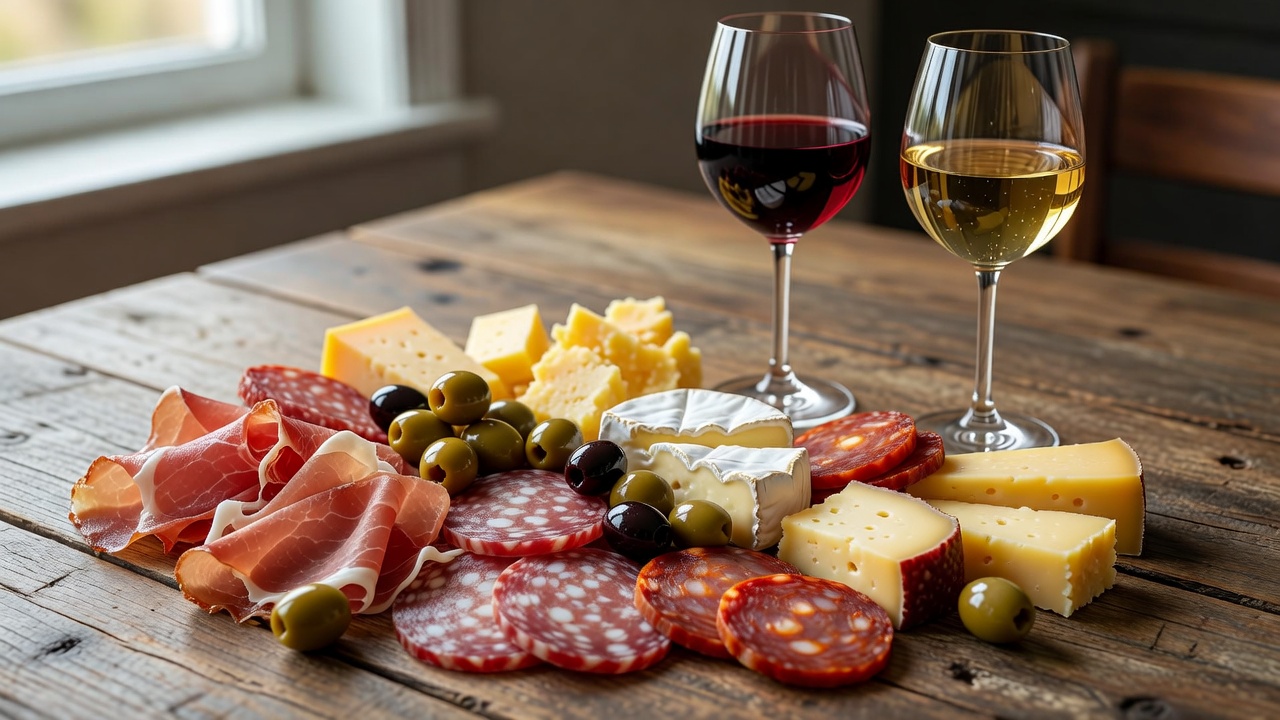
Creating the ideal charcuterie board goes far beyond selecting premium cured meats. Sommeliers emphasize that wine pairings elevate the experience by balancing the saltiness, fattiness, and spices in items like prosciutto, salami, and chorizo. In 2026, the focus remains on thoughtful selections that harmonize tannins, acidity, and sweetness with these flavors. This guide draws from professional sommelier practices to help you build boards that impress guests and satisfy even the most discerning palates. Whether hosting a casual gathering or a formal tasting, understanding these pairings transforms simple cured meats into a sophisticated culinary journey.
Understanding the Science of Pairing Wines with Cured Meats
Cured meats present unique challenges due to their high salt content, rich fats, and often bold spices. Tannins in red wines can cut through fat, while acidity in whites refreshes the palate. Sommeliers recommend matching intensity: lighter meats pair with crisp wines, while spicy options need bolder selections. Regional pairings, such as Italian wines with prosciutto, often yield the most authentic results because they share terroir influences. The interplay of salt and fat requires wines with sufficient structure to cleanse rather than clash. For instance, excessive oak in a wine can amplify bitterness from spices, so sommeliers often prioritize unoaked or lightly oaked varieties for delicate boards.
Wine Recommendations by Meat Type
Prosciutto di Parma shines with sparkling wines or light whites like Pinot Grigio, whose acidity counters the delicate saltiness. For salami varieties, especially those with garlic or fennel, medium-bodied reds such as Chianti provide structure without overwhelming the meat. Chorizo, with its smoky paprika, pairs beautifully with Tempranillo or a dry Rosé to complement the heat. Additional options include bresaola, which benefits from elegant Pinot Noir, and speck, which harmonizes with crisp Grüner Veltliner. Consider these targeted pairings for optimal results:
- Prosciutto: Sparkling Prosecco or Sauvignon Blanc to highlight its silky texture
- Salami: Sangiovese or Barbera for their bright acidity and cherry notes
- Chorizo: Tempranillo or Grenache to match smoky depth
- Bresaola: Pinot Noir for earthy undertones
- Speck: Grüner Veltliner to cut through the smokiness
Red Versus White Comparisons for Charcuterie
Red wines excel with fattier meats because their tannins cleanse the palate, but whites and rosés offer versatility for mixed boards. A classic example comes from sommeliers at top restaurants who often serve both: a crisp white for lighter slices and a structured red for robust flavors. This dual approach prevents palate fatigue during extended tastings. Whites tend to emphasize fruit and herb notes in meats, whereas reds bring out savory and umami elements. In practice, a sommelier might start a board with a white like Albariño alongside milder prosciutto before transitioning to a red like Merlot with denser salami.
Regional Pairings That Stand the Test of Time
Italian cured meats naturally align with wines from the same regions. Spanish chorizo finds harmony with Rioja, while French saucisson pairs with Rhône Valley Syrah. These matches leverage centuries of culinary tradition for seamless integration. Explore further insights at Decanter for regional wine guides. Additional European examples include pairing German landjäger with Riesling from the Mosel or Portuguese chouriço with Douro Valley reds, creating authentic experiences rooted in local agriculture and history.
Balancing Tannins, Acidity, and Sweetness
The core of sommelier pairings lies in countering the salt and fat of cured meats with wine components. High tannins slice through richness, acidity cuts salt, and a hint of sweetness tames spice. For heavily spiced chorizo, a wine with residual sugar like off-dry Riesling prevents overwhelming heat. On boards featuring multiple meats, select wines that offer layered profiles so each bite reveals new harmonies. Sommeliers often test combinations by sipping the wine first, then adding a meat slice to observe how flavors evolve.
Temperature Tips for Optimal Enjoyment
Serve reds at 60-65°F to highlight fruit notes without muting tannins. Whites and rosés perform best at 45-50°F, preserving acidity. Sommeliers advise chilling sparkling wines to 40°F for maximum refreshment against salty meats. Proper temperature control ensures the wine does not taste flat or overly alcoholic. Use a wine thermometer for precision during preparation, and allow bottles to acclimate gradually rather than shocking them with extreme changes.
Step-by-Step Guide to Building a Sommelier-Inspired Board
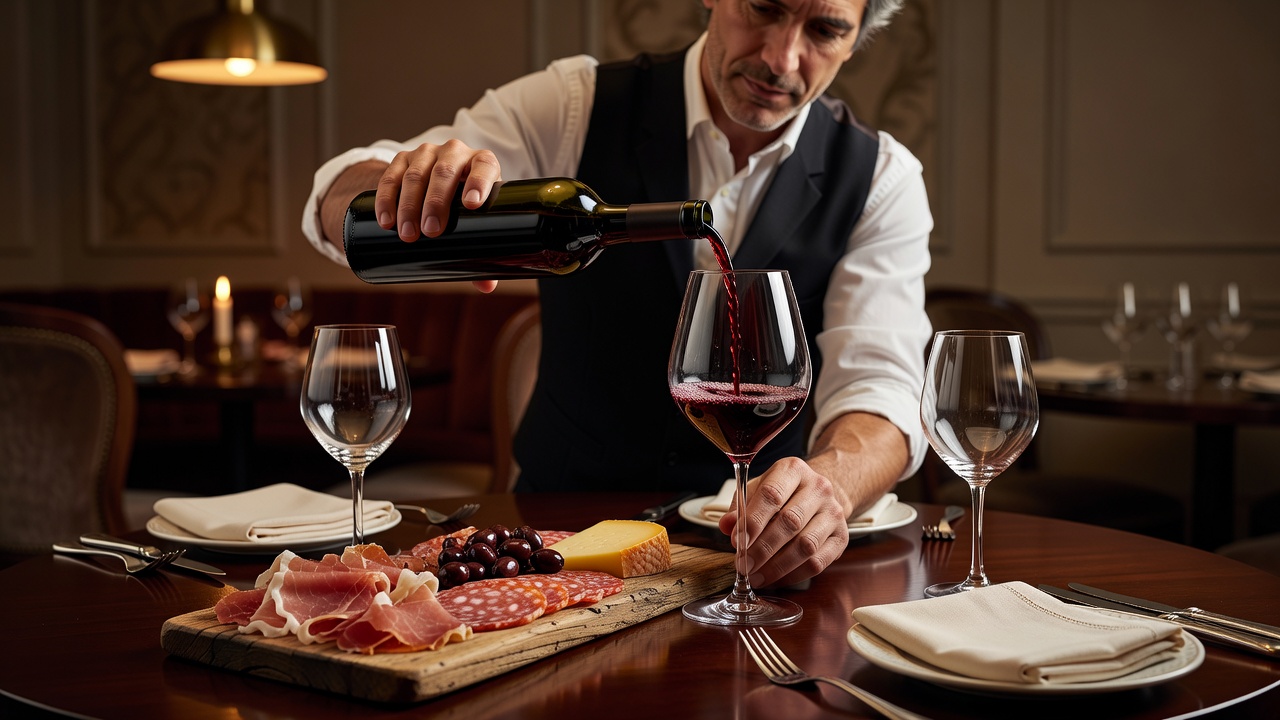
Start with a wooden board and arrange meats by intensity. Add complementary cheeses, fruits, and nuts. Select two to three wines based on the dominant meats. Test pairings in advance to refine choices. Professional examples include boards featuring three meats paired with contrasting wines for variety. Begin by choosing a focal meat such as aged salami, then layer in supporting elements like cornichons for brightness. Next, incorporate textures with crusty bread and spreads. Finally, position wine glasses nearby for easy access during serving. This methodical approach ensures balance across flavors and prevents any single element from dominating.
Common Pairing Mistakes and How to Avoid Them
Many enthusiasts overlook the impact of serving temperature or choose wines that are too heavy for the board. Another frequent error is ignoring regional synergy, which can lead to disjointed experiences. Always taste progressively from lightest to boldest meats and wines.
FAQ
What wine should I avoid with spicy chorizo? Overly tannic Cabernets can clash; opt for softer reds instead.
Can I pair sweet wines with cured meats? Yes, a touch of sweetness in Riesling balances salt effectively.
Is temperature really that important? Absolutely—incorrect serving temperatures flatten flavors and disrupt balance.
How many wines should accompany a five-meat board? Two to three wines allow guests to experiment without overwhelming the palate.
Do vegetarian charcuterie alternatives change pairing rules? They often require lighter wines since they lack the intense salt and fat of traditional cured meats.
Conclusion
Mastering sommelier wine pairings for cured meats transforms any gathering. By focusing on balance and regional harmony, you create memorable experiences. For additional pairing strategies, consult resources like Wine Magazine and Wine Enthusiast. Experiment with small tastings at home to refine your personal preferences and elevate future boards.
No comments yet. Be the first!