 Uncorked Conversations
Introduction to Wine Pairings with Root Vegetables
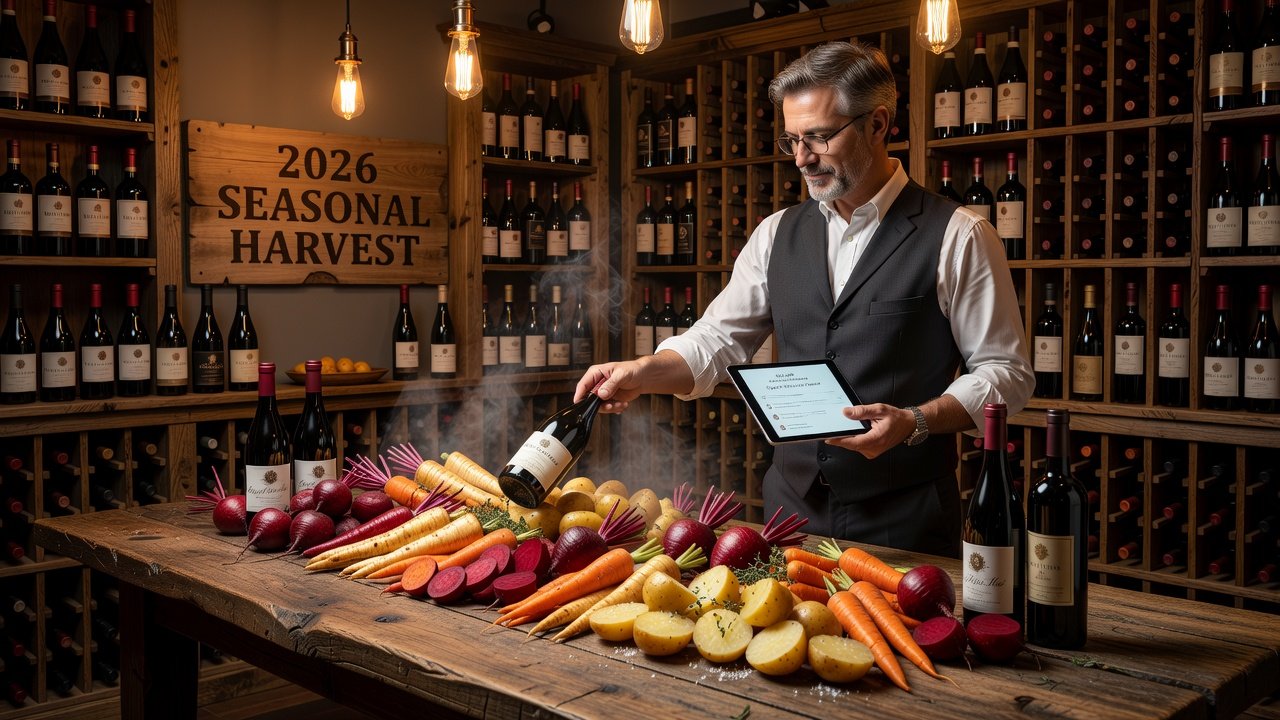
Root vegetables and tubers such as beets, carrots, parsnips, and potatoes bring deep earthy flavors to the table that can challenge even experienced home cooks when selecting wines. Sommeliers rely on principles of acidity, tannin, and body to create harmonious matches that elevate these ingredients whether roasted, mashed, or glazed. This guide provides step-by-step rules tailored to 2026 seasonal harvests, helping you choose reds, whites, and orange wines with confidence. Understanding these pairings transforms simple vegetable dishes into sophisticated meals that highlight natural sweetness, mineral notes, and textural contrasts. Home cooks often overlook how cooking methods alter vegetable profiles, leading to mismatched wines that fall flat. By following proven sommelier strategies, you can confidently select bottles that balance earthiness with fruit, acidity, and structure for memorable results.
Flavor Profiles of Common Root Vegetables and Tubers
Beets offer sweet earthiness with hints of iron and a vibrant color that influences both savory and sweet preparations. Their natural sugars caramelize beautifully during roasting, creating opportunities for wines with bright acidity to cut through richness. Carrots provide natural sweetness that intensifies when roasted, developing honeyed and nutty undertones that pair well with aromatic whites or light reds. Parsnips deliver nutty, peppery notes reminiscent of parsley and celery root, making them ideal for pairings with wines that feature herbal or mineral qualities. Potatoes act as a neutral canvas absorbing surrounding flavors, so they shine alongside wines that bring their own complexity such as those with subtle oak or vibrant fruit. Turnips and rutabagas add a slightly bitter edge that benefits from tannic reds to soften their sharpness. Seasonal variations in 2026 may emphasize sweeter profiles due to weather patterns, so tasting vegetables at their peak helps refine choices.
Sommelier Techniques: Balancing Acidity and Tannin
Effective pairings start with matching wine acidity to the dish's richness. High-acidity wines cut through creamy mashed preparations, refreshing the palate between bites while preventing heaviness. Moderate tannins tame sweet glazes by binding to sugars and proteins, creating a smoother mouthfeel. For roasted vegetables, opt for wines with bright fruit to highlight caramelized edges without overpowering the earthiness. Body weight matters too: lighter wines suit delicate preparations while fuller styles handle richer glazes or herb-crusted dishes. Sommeliers also consider temperature serving adjustments, such as chilling reds slightly to enhance vibrancy. These techniques ensure the wine complements rather than competes with the vegetable's inherent qualities.
Expanded Step-by-Step Matching Rules
- Assess cooking method first: Roasting concentrates sugars, so choose off-dry whites or fruit-forward reds to match caramelization.
- Evaluate sweetness level against wine dryness: Savory preparations pair best with mineral-driven wines that echo soil notes.
- Consider temperature and serving order: Serve reds slightly chilled to refresh the palate between bites of earthy tubers.
- Test for balance by sipping wine with a small bite of the prepared vegetable before committing to the full pairing.
- Account for additional ingredients like herbs, cheese, or proteins that may shift the overall flavor profile.
Recommended Wines by Type with Specific Examples
Red wines such as light Pinot Noir complement roasted beets with its cherry notes and soft tannins that avoid overwhelming delicate sweetness. Gamay from Beaujolais offers similar approachability with juicy berry flavors ideal for carrot dishes. White wines like crisp Chardonnay or Sauvignon Blanc balance parsnip nuttiness through vibrant acidity and citrus zest. Chenin Blanc from the Loire Valley provides honeyed apple notes that echo natural sugars in potatoes. Orange wines, produced via skin contact, add texture and subtle spice that stand up to glazed carrots, introducing apricot and tea-like qualities. Flavor examples include pairing earthy potatoes with a mineral-rich Riesling whose petrol notes contrast beautifully with roasted starchiness. Experiment with varieties from cooler climates to mirror the grounding earthiness of roots.
Pairings for Roasting, Mashing, and Glazing Methods
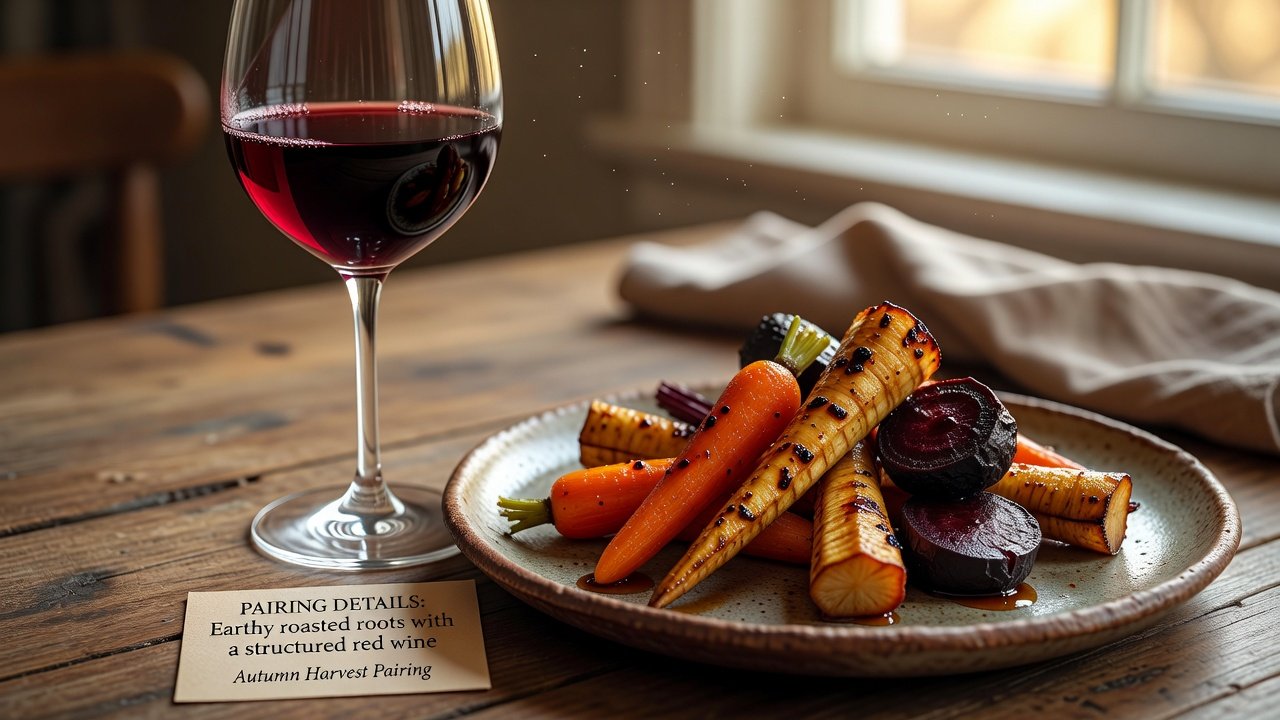
Roasting benefits from wines with herbal undertones such as Cabernet Franc or Syrah that highlight charred edges and concentrated flavors. Mashing calls for fuller-bodied options like Viognier or oaked Chardonnay to match creaminess and buttery textures without clashing. Glazing requires wines that handle sweetness, such as off-dry Riesling or Moscato with residual sugar to balance honey or balsamic reductions. Practical examples: Try a chilled Beaujolais with honey-glazed parsnips for refreshing contrast, or a dry Chenin Blanc with garlic mashed potatoes to cut through richness.
Comparing Sweet Versus Savory Preparations
Sweet glazes on carrots demand wines with matching sweetness levels to avoid clashing tannins or acidity that amplifies bitterness. Savory herb-roasted potatoes shine alongside dry reds with moderate tannins that cleanse the palate. A quick-reference chart helps visualize these differences for quick decisions in the kitchen.
| Preparation Style | Wine Style Recommendation | Specific Example | Why It Works |
|---|---|---|---|
| Sweet Glazed | Off-dry White or Orange | Riesling or Skin-Contact White | Residual sugar mirrors glaze while acidity refreshes |
| Savory Roasted | Light Red or Mineral White | Pinot Noir or Sauvignon Blanc | Earthy notes align with roasted depth |
| Creamy Mashed | Full-bodied White | Viognier or Chardonnay | Body matches richness without overpowering |
2026 Harvest Tips for Seasonal Pairings
The 2026 growing season emphasizes cooler-climate varieties due to variable weather patterns, resulting in wines with higher natural acidity and vibrant fruit. Seek wines from regions with strong mineral soils such as limestone or volcanic areas to echo root vegetable terroir. Check vintage reports from trusted sources like Decanter for harvest updates and Wine Enthusiast for detailed tasting notes on emerging bottles. Focus on sustainable producers who highlight soil expression for the most authentic matches.
Common Mistakes to Avoid
One frequent error is selecting overly oaky wines that mask delicate vegetable nuances. Another is ignoring temperature, as warm reds can taste heavy with sweet roots. Always consider portion size and side dishes when finalizing selections.
Budget-Friendly Bottle Alternatives
Look for value-driven producers from established regions such as Chile or South Africa rather than premium labels. These options deliver similar profiles at accessible price points while maintaining quality for everyday meals.
FAQs on Pairing Challenges
What is a frequent pairing error with root vegetables? Overlooking acidity often leads to flat-tasting meals where earthiness dominates. Can I pair the same wine across multiple cooking methods? Yes, versatile options like Riesling adapt well but adjust sweetness levels accordingly. Are there non-alcoholic alternatives that work similarly? Sparkling grape juices with acidity can mimic effects but lack complexity. How do 2026 vintages differ from previous years? Expect brighter acidity in many whites due to cooler conditions. What if my dish includes meat proteins? Shift toward medium-bodied reds to bridge flavors.
Conclusion
Applying these sommelier strategies transforms everyday root vegetable dishes into memorable experiences. Experiment with the recommended styles and adjust based on your harvest finds for optimal results year after year. With practice, these pairings become intuitive and elevate home cooking significantly.

No comments yet. Be the first!