 Uncorked Conversations
Introduction to Sommelier Wine Pairings for Morning Meals
Pairing wine with breakfast and brunch dishes transforms ordinary morning meals into memorable experiences. This guide offers accessible sommelier pairings that focus on matching acidity levels to eggs and balancing sweetness with fruits or pastries. Whether you are a home cook exploring wine pairings for the first time or seeking professional insights, these recommendations use real sommelier examples to elevate dishes like omelets, avocado toast, pancakes, quiches, and yogurt bowls. Breakfast wines emphasize freshness and lower alcohol to complement rather than overpower delicate flavors. Sommeliers prioritize acidity to cut through richness while allowing subtle fruit notes to shine alongside sweet or savory components. In recent years, morning wine pairings have gained popularity as people seek elevated yet approachable ways to enjoy weekend gatherings and special occasions. Understanding these fundamentals helps avoid common pitfalls and creates balanced combinations that enhance both the food and the wine.
Core Principles of Effective Wine Pairings
Successful pairings begin with understanding acidity. High-acid wines refresh the palate when paired with eggs, which contain natural fats that can coat the tongue. Sweetness balance comes next: off-dry or lightly sweet wines harmonize with pastries and fruits without clashing. Body and texture also matter—lighter wines suit delicate items while fuller styles stand up to richer brunch fare. Another important consideration is avoiding heavy tannins or high alcohol early in the day, as these can fatigue the palate quickly. Instead, focus on wines with vibrant fruit, mineral notes, and moderate body. Sommeliers also account for umami in dishes like mushrooms or cheese, selecting wines that either contrast or mirror these savory elements. Temperature plays a vital role too, as overly warm wines lose their refreshing quality during a leisurely brunch. By applying these principles consistently, home cooks can achieve professional-level results without specialized equipment.
Step-by-Step Wine Selection Process
Follow this structured approach to choose wines confidently for any morning menu. First, identify the dominant flavors and textures in your dish, such as creamy eggs or sweet fruit compote. Next, match acidity by choosing crisp whites or sparkling wines for egg-heavy plates to cleanse the palate effectively. Then balance sweetness by selecting wines with residual sugar for pastries or yogurt bowls so the wine does not taste sharp against sugary elements. Consider alcohol level by keeping selections moderate to avoid overwhelming morning palates. Finally, test the pairing by tasting small bites with sips to confirm harmony before serving guests. This methodical process reduces guesswork and allows for creative experimentation based on available bottles.
Specific Sommelier Recommendations for Popular Dishes
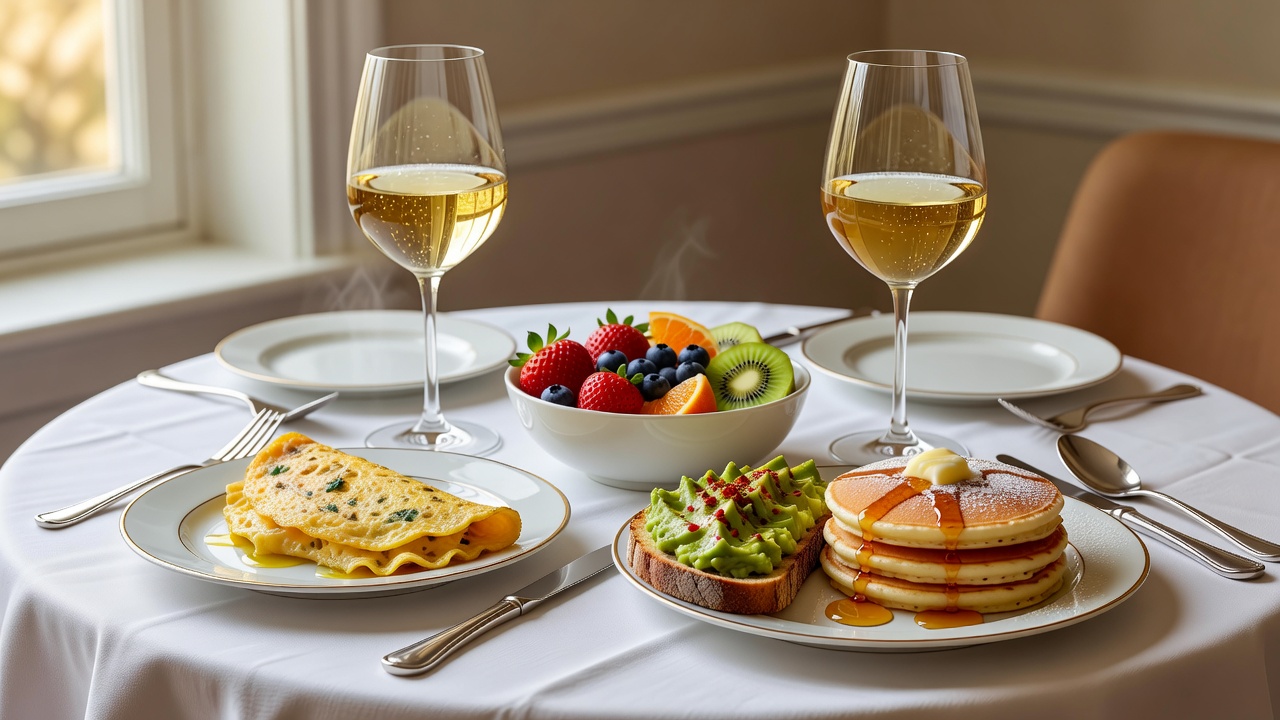
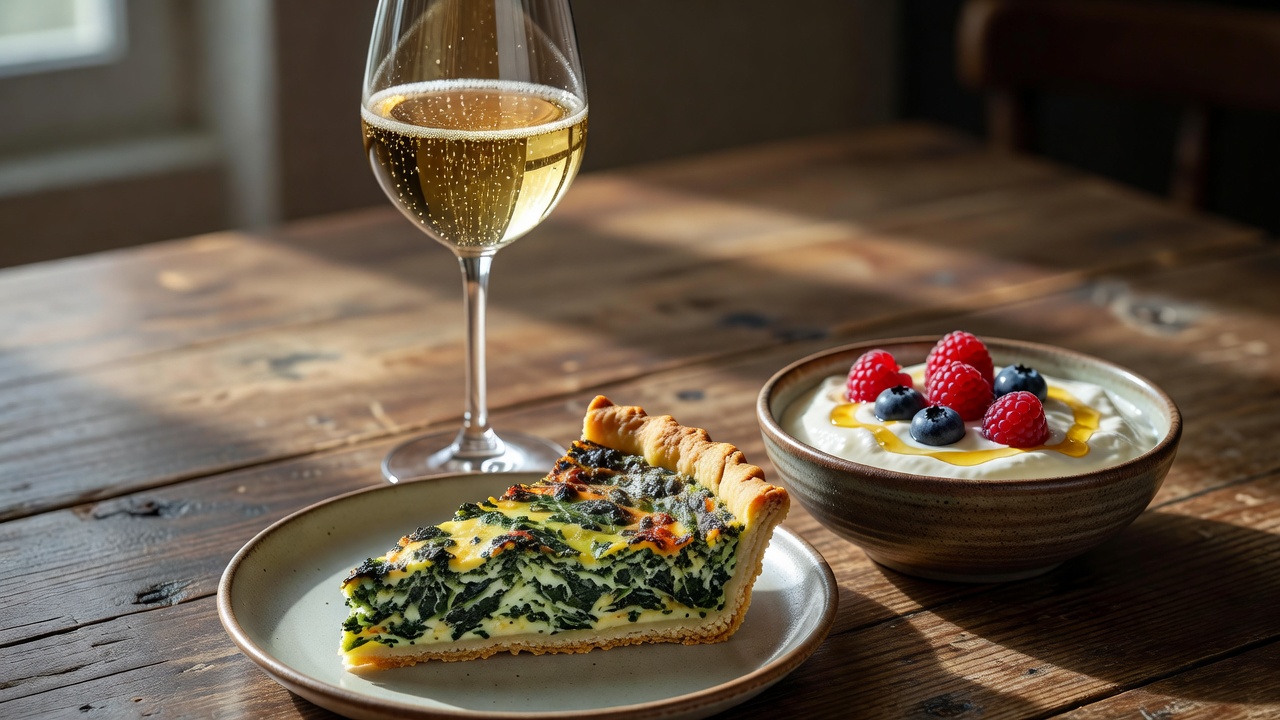
Omelets: A classic three-egg omelet filled with herbs and cheese pairs beautifully with Sauvignon Blanc from New Zealand. Its zesty acidity cuts through the richness while herbal notes echo the filling. For variations with smoked salmon, try a Chablis that adds a subtle oyster-shell minerality. Avocado toast: Topped with chili flakes and a poached egg, this dish calls for a dry sparkling wine such as Cava. The bubbles cleanse the palate between bites of creamy avocado and salty toppings. If the toast includes feta or tomatoes, a Vermentino from Italy offers citrus zest that complements the Mediterranean flavors. Pancakes: Fluffy pancakes with maple syrup and berries shine alongside a lightly sweet Riesling. The wine’s stone-fruit character mirrors the fruit while its slight sweetness prevents cloying. For buckwheat versions, a dry Prosecco maintains balance without adding extra sugar. Quiches: A spinach and mushroom quiche benefits from Chardonnay with bright acidity. Oak influence adds subtle depth that complements the pastry crust without overpowering the eggs. Yogurt bowls: Greek yogurt with granola and fresh berries pairs well with Prosecco. Its light effervescence and citrus notes enhance the creamy yogurt and sweet fruit. These examples demonstrate how small adjustments in wine choice can dramatically improve the overall dining experience.
Comparing Sparkling and Still Wines for Brunch
Sparkling wines offer versatility for brunch because their bubbles refresh the palate and pair with both sweet and savory items. Still wines provide more nuanced flavor matching when the meal leans heavily in one direction. For mixed tables, start with sparkling to stimulate conversation, then transition to still wines as courses evolve. This approach mirrors professional sommelier service at top restaurants. Sparkling options like Champagne or Crémant excel with egg dishes due to their high acidity and fine mousse, while still wines such as Pinot Grigio or Albariño deliver crisp fruit that stands up to heavier pastries. When hosting larger groups, keep both styles available to accommodate different preferences and dish progressions throughout the meal.
Practical Serving Tips for Home Cooks
- Chill wines to 45–50°F for optimal refreshment and to preserve delicate aromas.
- Use standard white wine glasses to concentrate aromas and allow proper swirling.
- Pour modest servings of 4–5 ounces to encourage responsible enjoyment and prevent palate fatigue.
- Pair wines with similar temperature dishes to maintain balance between each component.
- Experiment with half bottles for smaller gatherings to reduce waste and allow variety.
- Decant only if the wine shows reductive notes, but most brunch selections benefit from simple aeration in the glass.
Learn more about wine styles from authoritative sources such as Wine Magazine and Decanter.
Common Mistakes to Avoid
Many beginners overlook the importance of acidity, resulting in pairings where the wine tastes flat against rich dishes. Another frequent error is choosing overly sweet wines for savory plates, which creates imbalance. Serving wines too warm diminishes their refreshing qualities, while ignoring portion control can lead to diminished enjoyment later in the meal. Always taste components together before finalizing selections for guests.
Frequently Asked Questions About Pairing Mistakes
What is the most common pairing mistake? Overlooking acidity often leads to flat pairings where wine tastes dull against rich eggs. Can red wine work at brunch? Light reds like Pinot Noir can succeed with mushroom quiches but are rarely ideal for sweeter dishes. How sweet should the wine be? Match the wine’s sweetness level to the dish’s sweetest element to avoid imbalance. Should I decant morning wines? Most brunch wines benefit from simple aeration rather than full decanting. What if my guests prefer different sweetness levels? Offer a range of dry sparkling and off-dry still wines so everyone can select according to their plate. Are there budget-friendly options that still deliver quality? Yes, many entry-level Cavas and Rieslings from established producers provide excellent value and perform well in morning pairings.
Conclusion
Mastering sommelier wine pairings for breakfast and brunch opens a world of flavorful possibilities. By focusing on acidity, sweetness balance, and thoughtful selection, home cooks can create elegant morning experiences that rival restaurant offerings. Apply these principles to your next brunch and enjoy the delightful synergy between wine and food.

No comments yet. Be the first!