 Uncorked Conversations
Introduction to Sommelier Wine Pairing with Chicken
Pairing wine with chicken dishes opens up a world of flavor harmony for home cooks seeking to elevate everyday poultry meals. Chicken's mild, adaptable taste acts as a versatile canvas, allowing wines to shine through complementary acidity, body, and aromatic profiles. In 2026, trends strongly favor lighter, food-friendly bottles that enhance meals without overwhelming delicate flavors, reflecting a broader shift toward approachable, lower-alcohol options perfect for weeknight dining and casual entertaining alike.
This comprehensive guide draws directly on professional sommelier techniques to match wines to common preparations like roasted, grilled, or creamy sauced chicken. Readers will discover detailed step-by-step selection methods, concrete wine recommendations with tasting notes, and strategies for incorporating herbs, citrus, and international spices. By understanding these fundamentals, anyone can create balanced pairings that highlight both the dish and the wine, turning simple chicken into a memorable culinary experience.
Core Principles of Wine and Chicken Pairing
Successful pairings hinge on balancing wine acidity with the richness of the chicken preparation. High-acid wines effectively cut through fats in creamy sauces or buttery marinades, refreshing the palate between bites. Meanwhile, medium-bodied options complement leaner grilled preparations by adding subtle depth without dominating. Sommeliers consistently emphasize matching the wine's weight to the dish: lighter wines suit delicate, simply seasoned chicken, while slightly fuller expressions handle bolder herbs or spices.
Always consider the cooking method as the starting point. Roasting develops caramelized, savory notes that pair beautifully with wines featuring subtle oak influence or ripe fruit. Grilling introduces smokiness and char that cry out for crisp, high-acid varieties to cleanse the palate. Creamy sauces demand wines with enough structure and vibrancy to stand up to dairy elements. These principles form the foundation for all subsequent recommendations and help avoid common mismatches that can dull flavors.
Pairings for Roasted Chicken Dishes
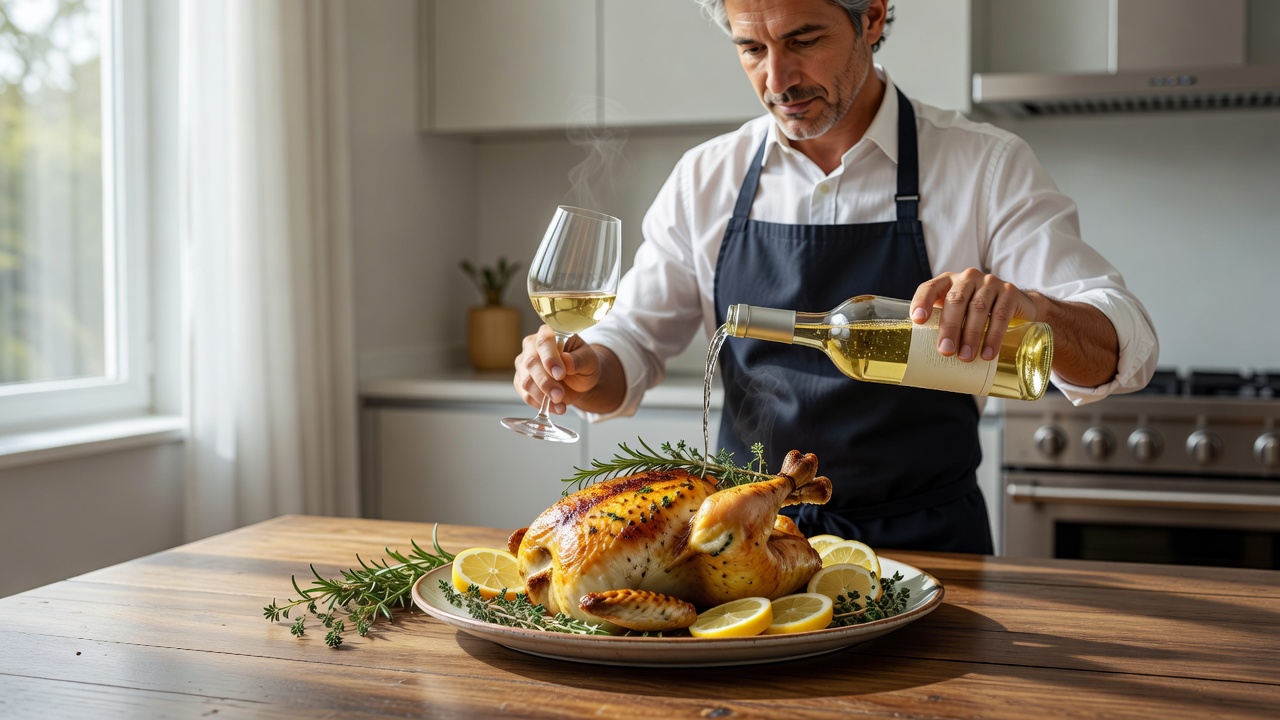
Roasted chicken, often seasoned with herbs like rosemary, thyme, or garlic, benefits from wines offering bright acidity and notes of orchard fruit or stone fruit. Chardonnay from cooler climates such as Burgundy or coastal California delivers a classic match, with flavors of green apple, lemon zest, and subtle minerality that echo the herbal elements. For those preferring red, Pinot Noir provides earthy, cherry undertones that enhance the savory crust formed during roasting.
When lemon or citrus zest seasons the bird, Spanish Albariño shines with its saline, citrus-driven profile that mirrors the brightness. Alternatives include dry Chenin Blanc from South Africa, which brings honeyed apple notes alongside vibrant acidity. Experiment by tasting the wine alongside a bite of the roasted skin and meat to confirm the synergy, adjusting based on whether the chicken includes root vegetables or simple pan juices.
Pairings for Grilled and Spiced Chicken
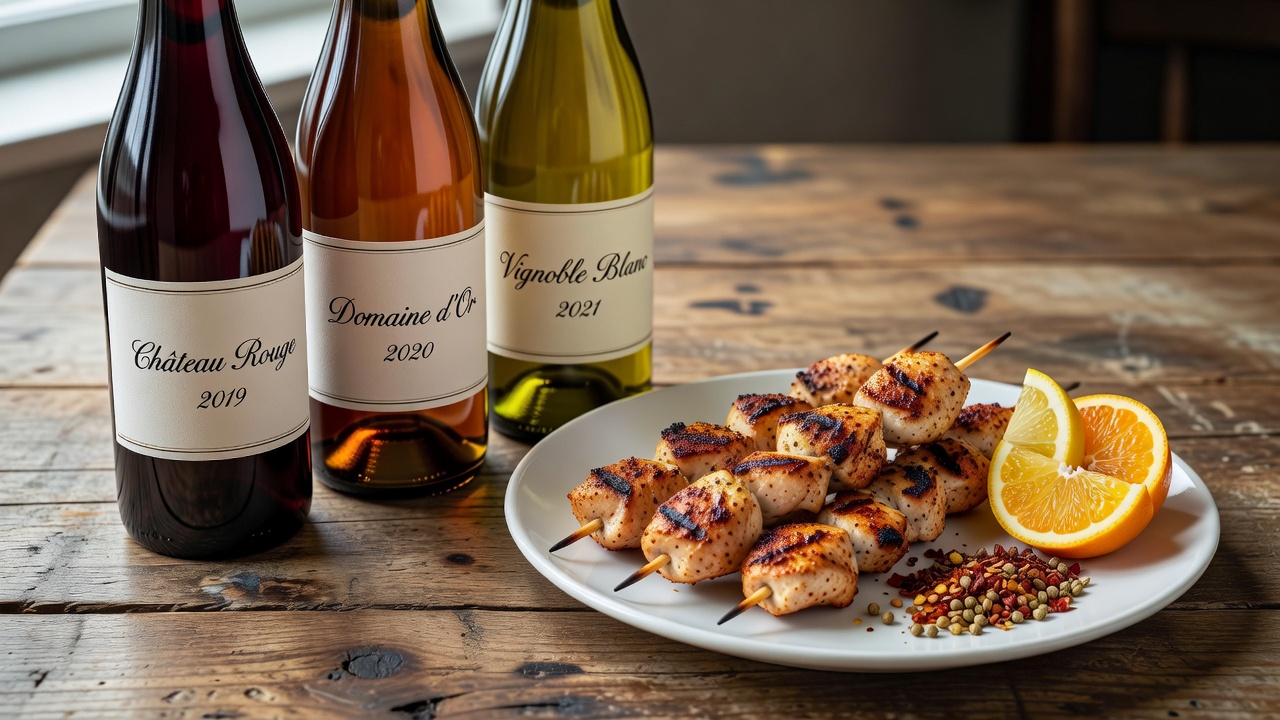
Grilled chicken with spice rubs or marinades requires wines that refresh and contrast the char and heat. Sauvignon Blanc from New Zealand or the Loire Valley cuts through smokiness with its signature grapefruit and herbal notes, highlighting cumin, chili, or paprika profiles. For bolder international spice blends like Moroccan harissa or Indian tandoori masala, an off-dry Riesling from Germany balances the heat with a touch of residual sweetness while its petrol and lime aromas add complexity.
Herb-forward grilled dishes pair exceptionally with Grüner Veltliner from Austria, whose distinctive white pepper and lentil notes complement cilantro, parsley, or oregano. Consider the intensity of the spice level when selecting; milder rubs allow for more fruit-forward options like unoaked Syrah rosé, while fiery preparations benefit from slightly sweeter or more aromatic whites to tame the heat.
Handling Creamy Sauced Chicken Preparations
Creamy sauces such as those in chicken Alfredo, coq au vin blanc variations, or mushroom cream dishes require wines with sufficient acidity and texture to cleanse rich dairy notes. Unoaked Chardonnay or Italian Vermentino excel here, their zesty lemon and green apple characters preventing the sauce from feeling heavy. Avoid heavily oak-aged wines that can introduce competing vanilla or toast flavors which clash with creamy textures.
For a red option, light-bodied Gamay from Beaujolais offers juicy berry notes that cut through cream without overwhelming. Always serve these wines slightly chilled to enhance their refreshing qualities against the warmth of the sauce.
Step-by-Step Wine Selection Method
Follow this structured approach for consistent results at home. First, identify the primary flavor drivers in your chicken dish, including dominant herbs, citrus elements, spice intensity, or sauce type. Second, assess body requirements by evaluating the cooking method and any added fats or richness. Third, prioritize acidity level to match or counter the dish's weight, ensuring the wine feels integrated rather than flat or sharp. Fourth, pour small tasting portions of candidate wines and test them directly with a bite of prepared chicken, noting how flavors evolve. Fifth, refine the choice based on personal taste while staying true to balance principles, and consider serving temperature as a final adjustment. This method transforms guesswork into reliable, repeatable pairings.
2026 Trends in Lighter Wine Bottles
Home cooks are embracing lower-alcohol, vibrant wines that pair seamlessly with poultry while supporting mindful consumption. Producers emphasize minimal intervention and fresh fruit expressions, resulting in bottles that highlight natural acidity and subtle complexity. These trends align with growing interest in versatile, everyday wines suitable for both simple grilled chicken and more elaborate sauced preparations.
Common Pairing Mistakes and FAQ
One frequent mistake involves selecting overly tannic or heavy reds that clash with chicken's inherent delicacy, leaving a bitter aftertaste. The solution lies in choosing lighter reds or whites with balanced acidity instead. Another error is overlooking sauce or seasoning components, leading to mismatched flavors. Always factor in herbs, citrus, or cream when making selections.
FAQ
What wine works if the chicken features heavy seasoning? Begin with aromatic whites such as Gewürztraminer or Torrontés, which stand up to bold spices while adding floral lift.
How should open bottles be stored? Use vacuum stoppers for reds and refrigerate whites promptly to preserve freshness for several days.
Can rosé be versatile across preparations? Yes, dry rosé from Provence or Spain offers a flexible middle ground for both grilled and lightly sauced chicken.
Is there a universal fallback wine? A crisp Sauvignon Blanc or light Pinot Noir serves as reliable starting points for most chicken dishes.
Conclusion
Armed with these sommelier secrets, pairing wine with chicken becomes an approachable and rewarding practice for any home cook. Experiment confidently using the outlined methods to create harmonious matches that enhance both the meal and the moment. For additional insights, consult authoritative resources such as Decanter, Wine Magazine, Wine Folly, and The Institute of Masters of Wine.
No comments yet. Be the first!