 Uncorked Conversations
How to Build Custom Wine Pairings for Dinner Parties 2026
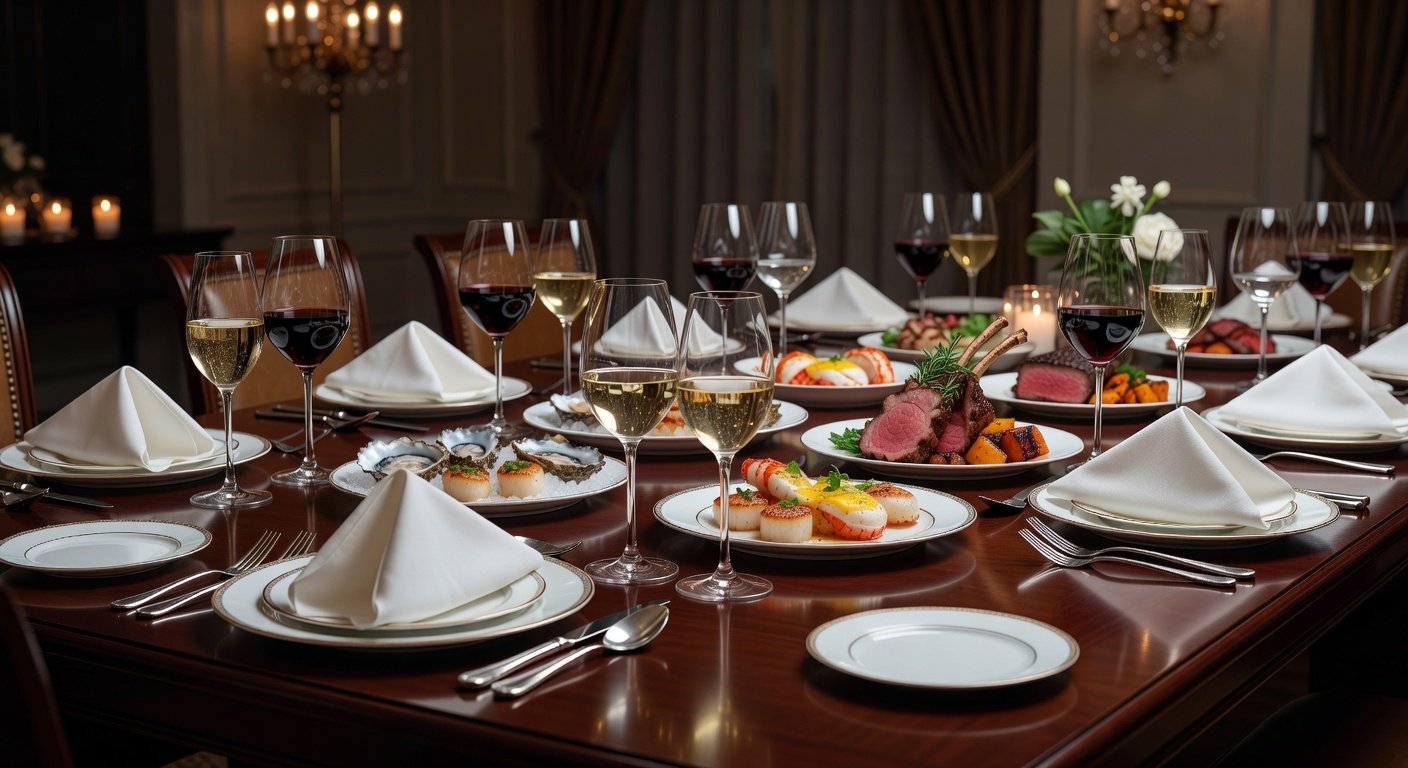
Creating custom wine pairings for dinner parties in 2026 elevates the entire hosting experience. Home hosts can blend professional sommelier techniques with personal guest insights to craft memorable multi-course meals. This approach ensures each course complements the wine while respecting dietary needs and flavor preferences, resulting in seamless dining that feels both sophisticated and approachable. Thoughtful pairings also encourage conversation and highlight seasonal ingredients, making the evening more engaging for everyone involved.
Step-by-Step Menu Planning for Balanced Pairings
Begin menu planning by listing every course and noting key ingredients, textures, and preparation methods. Factor in dietary requirements such as vegetarian, vegan, or nut-free options from the outset. Balance the menu so no single flavor dominates, allowing wines to shine across appetizers, mains, and desserts. For instance, start with light, fresh elements and progress to richer profiles. This progression prevents palate fatigue and creates natural transitions between courses. Consider portion sizes carefully, as smaller tasting portions work better when multiple wines are involved. Review the full menu against potential wine styles to identify gaps or overlaps early in the process. Incorporate timing details, such as how long each course will take to serve, to ensure wines remain at optimal temperature throughout the meal.
Selecting Versatile Bottles from Appetizers to Mains
Versatile bottles serve multiple courses without clashing. For appetizers, opt for bottles with bright fruit and moderate acidity that pair with varied starters like salads or cheeses. Move to medium-bodied options for mains featuring poultry or vegetables. End with sweeter or fortified styles for desserts. Limit selections to four or five bottles total to maintain focus. Prioritize wines with food-friendly traits such as balanced tannins or refreshing acidity rather than bold, standalone varietals. This strategy accommodates last-minute substitutions while keeping costs and complexity manageable for home hosts. Explore varietals from regions known for versatility, such as those offering crisp whites from cooler climates or approachable reds from balanced growing areas.
Matching Acidity and Tannins to Specific Flavors
Acidity acts as a palate cleanser that cuts through creamy or oily dishes, while tannins bind with proteins to soften rich meats. Match high-acidity whites to citrus-forward or tomato-based starters. Choose low-tannin reds for lighter proteins and higher-tannin reds for grilled or roasted entrees. Test pairings by sampling small bites with wine sips in advance. Adjust based on spice levels, as excessive heat amplifies tannin bitterness. These matches create harmony rather than competition between food and drink elements throughout the evening. Consider how cooking methods like grilling or braising alter flavor intensity and require corresponding wine adjustments.
Real-World Pairing Examples for Multi-Course Meals
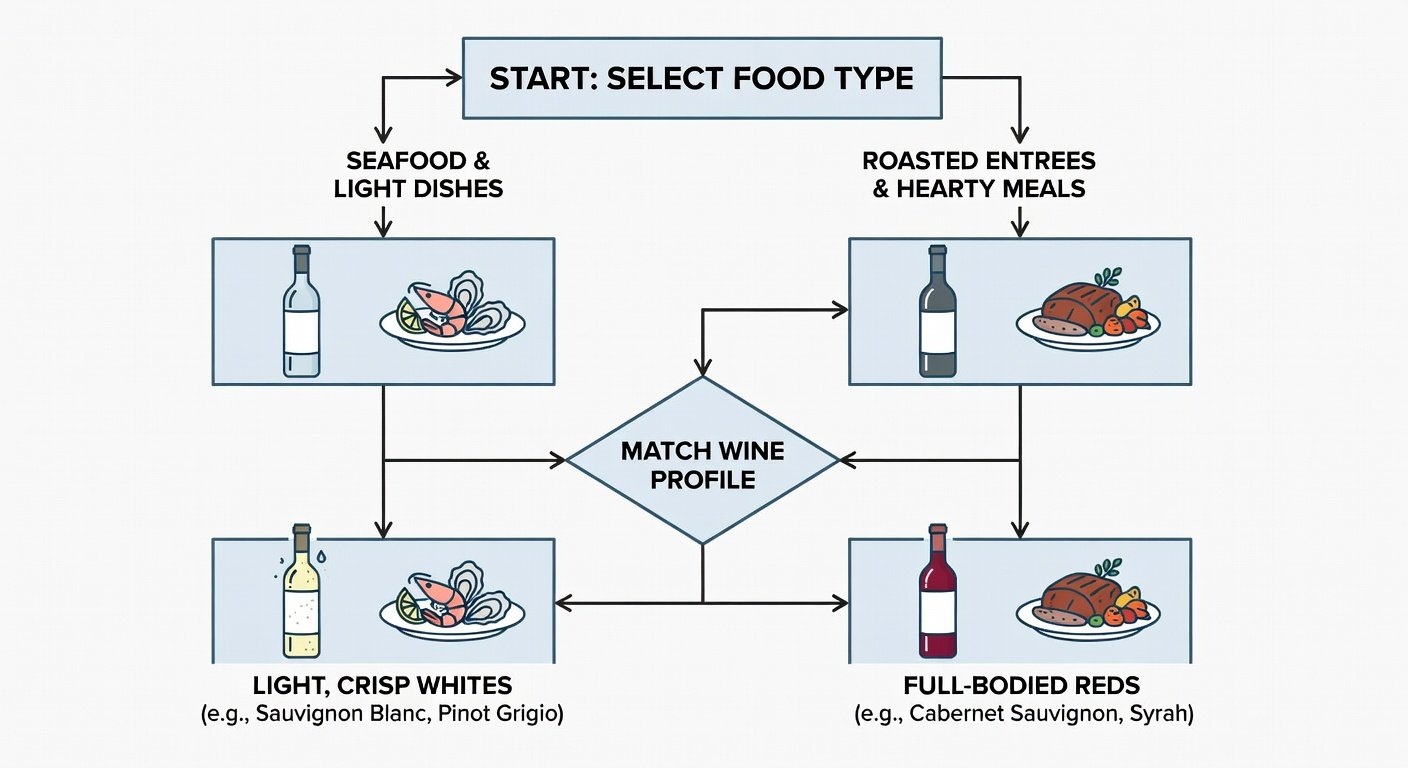
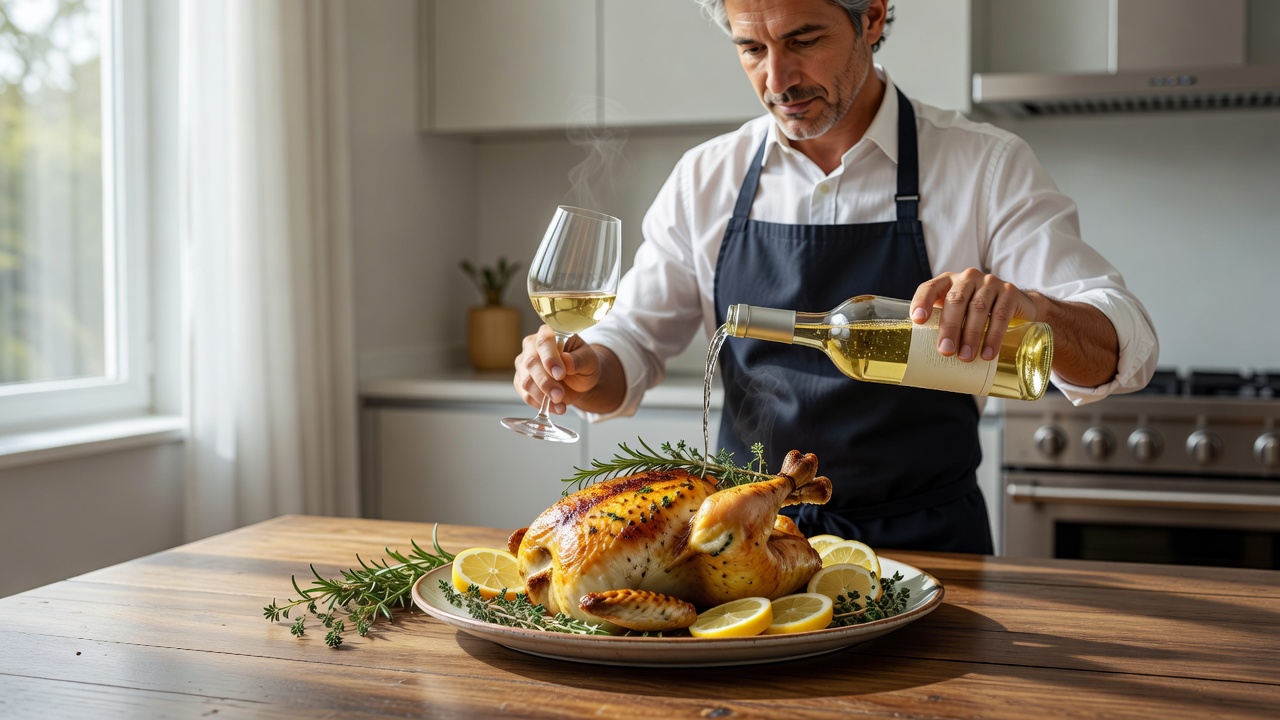
Pair crisp whites such as Sauvignon Blanc or Pinot Grigio with seafood starters like shrimp cocktails or grilled scallops. The wine's zesty acidity highlights fresh ocean flavors without overpowering delicate textures. For roasted entrees such as herb-crusted lamb or beef tenderloin, select bold reds including Malbec or Syrah. These wines' dark fruit notes and firm structure complement caramelized surfaces and savory herbs. Vegetarian mains like mushroom risotto pair well with earthy Pinot Noir, while dessert courses benefit from late-harvest Riesling alongside fruit tarts. Additional combinations include unoaked Chardonnay with roasted chicken and herb sauces or Grenache-based reds with grilled vegetable platters. These examples demonstrate adaptable strategies that hosts can customize based on seasonal ingredients available in 2026.
Budget Versus Premium Options Comparison
| Course | Budget-Friendly Approach | Premium Selection Strategy |
|---|---|---|
| Appetizers | Crisp entry-level whites from accessible regions | Single-vineyard whites with layered minerality |
| Mains | Fruit-forward reds suitable for everyday drinking | Aged or reserve reds with complex secondary notes |
| Desserts | Semi-sweet sparkling options | Botrytis-affected sweet wines with depth |
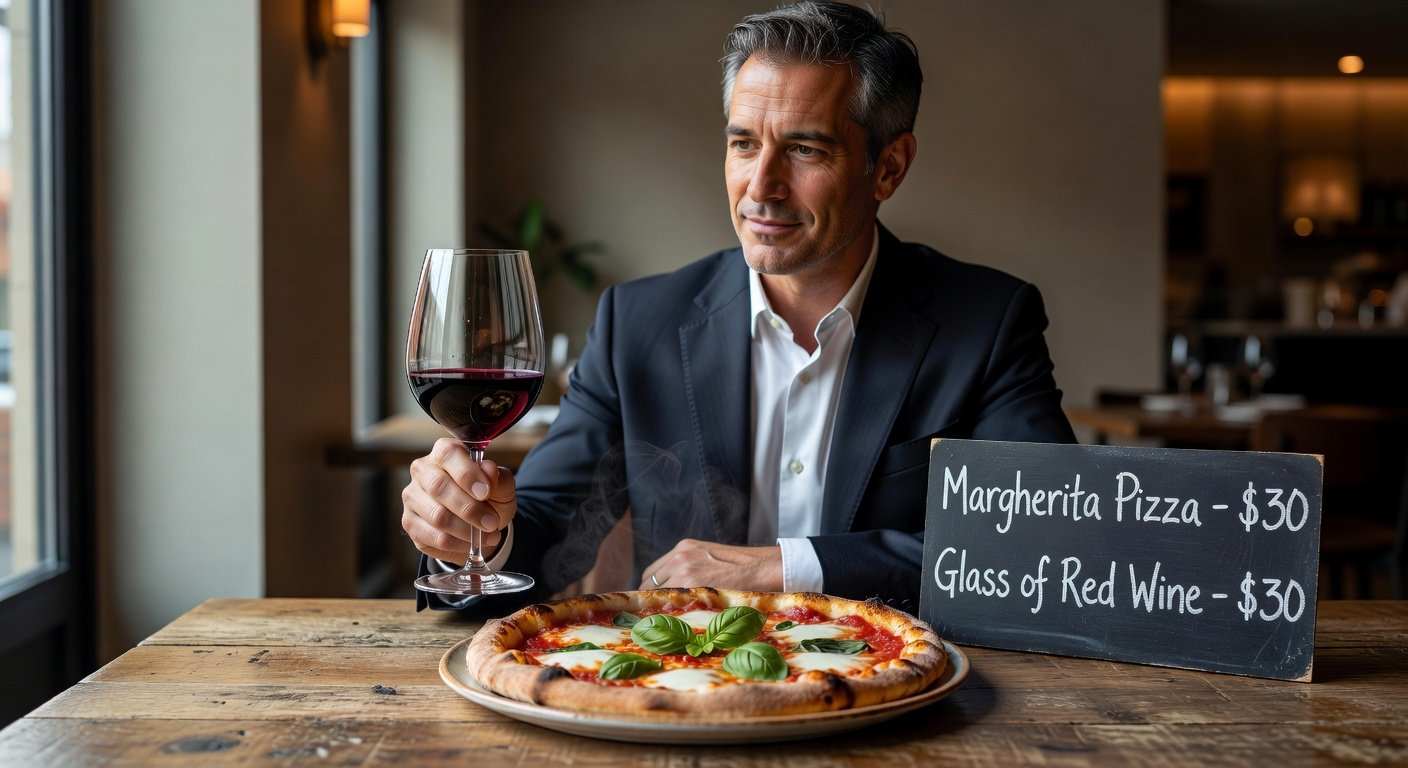
Budget selections deliver reliable results for casual gatherings, while premium bottles add refinement for special occasions. Hosts can mix levels across courses for optimal value and impact. Comparing labels for vintage consistency helps maintain quality regardless of price point.
Additional guidance appears at Wine pairings explained.
Implementing a Simple Decision Flowchart
Follow this structured process to finalize pairings quickly. First, identify the dominant protein or vegetable in each course. Second, assess the dish's richness and acidity needs. Third, cross-reference with known guest preferences collected in advance. Fourth, select one primary bottle per two courses and prepare backups. Fifth, conduct a trial tasting the day before. This flowchart reduces overwhelm and ensures logical choices that align with the overall menu flow. Documenting choices in a simple notebook allows for easy replication or refinement in future events.
Avoiding Common Wine and Food Clashes
- Never pair overly sweet wines with spicy dishes, as sweetness intensifies heat.
- Avoid high-tannin reds alongside delicate fish, which creates a metallic aftertaste.
- Steer clear of oaky whites with tomato sauces that turn bitter.
- Match weight appropriately so light wines do not get lost against heavy sauces.
- Refrain from serving chilled wines with hot dishes that mute aromas.
These guidelines help prevent disappointing combinations that detract from the dinner party atmosphere.
Creating a Pairing Timeline for the Evening
Establish a clear timeline starting two hours before guests arrive. Chill whites and rosés in advance while allowing reds to reach proper serving temperature. Open bottles sequentially as courses are plated to preserve freshness. Schedule brief pauses between courses for palate resets with water or neutral crackers. This timeline keeps the evening paced smoothly and prevents any wine from sitting too long after opening.
Practical Tips for Handling Guest Preferences and Dietary Needs
Survey guests ahead of time about allergies, dislikes, and favorite wine styles. Prepare at least one flexible neutral option such as a dry rosé that suits varied palates. For dietary restrictions, focus on pairings that highlight vegetables or alternative proteins. Keep serving temperatures consistent and use proper glassware to enhance aromas. These small preparations demonstrate thoughtfulness and keep the evening inclusive for everyone.
Frequently Asked Questions on Last-Minute Adjustments
How do I adjust if a course changes at the last minute? Swap to a versatile white or red that bridges multiple flavor profiles without requiring new purchases.
What works for mixed dietary tables? Offer two parallel pairing paths, one meat-focused and one plant-based, using overlapping wines where possible.
Can I reuse bottles across courses? Yes, provided the wine maintains balance; lighter styles transition better than heavy ones.
How to manage varying alcohol tolerances? Include lower-alcohol selections and encourage water between courses.
What if storage space is limited? Prioritize multi-purpose bottles and store extras at consistent cool temperatures until needed.
Further resources are available via Food & Wine.
Conclusion: Elevating Your 2026 Dinner Parties
Custom wine pairings transform ordinary dinners into standout events. By following structured planning, thoughtful matching, and flexible adjustments, hosts deliver experiences that guests remember. Apply these strategies consistently to refine your skills over time and enjoy the creative process of pairing food with wine. With practice, these techniques become second nature, allowing for increasingly personalized and impressive gatherings year after year.
No comments yet. Be the first!