 Uncorked Conversations

Introduction to Sommelier Wine Pairings for Pizza
Pairing wine with pizza like a professional sommelier transforms an everyday meal into an elevated experience. In 2026, home cooks and enthusiasts are seeking expert guidance on balancing the acidity, fat, and bold flavors found in different pizza styles. This comprehensive guide delivers practical, in-depth advice covering classic combinations and lesser-known matches that satisfy the search for "wine pairings for pizza" and "food wine pairing" tips. Whether you are hosting a casual gathering or refining your home dining skills, understanding these principles will help you select wines that enhance every bite.
Pizza comes in countless variations, from thin-crust Neapolitan styles to thick deep-dish Chicago pies. Each style brings unique challenges for wine pairing, including varying levels of sauce acidity, cheese creaminess, and topping intensity. Sommeliers approach these pairings by analyzing the dominant elements on the plate and choosing wines that either complement or contrast them effectively. The result is a harmonious dining experience where neither the wine nor the food overpowers the other.
Core Principles of Balancing Acidity, Fat, and Flavor
Successful pairings start with matching intensity and complementary elements. High-acid wines refresh the mouth after bites of creamy mozzarella, while tannins tame fatty toppings like pepperoni. Alcohol levels and residual sugar also play key roles in creating harmony rather than conflict on the palate. For instance, a wine with moderate alcohol content around 12 to 13 percent avoids clashing with spicy elements, while a touch of residual sugar can soften the heat from chili flakes or cured meats.
Texture matters equally. Bubbly wines provide effervescence that scrubs away grease, making them ideal for deep-dish styles. Off-dry wines balance sweetness against savory or pineapple-topped pizzas. Consider body weight too: light whites suit delicate white pizzas, whereas fuller reds complement loaded meat pies. Regional factors also influence choices, such as opting for Italian wines with Italian-style pizzas to honor traditional flavor profiles. In practice, always taste the wine with a small bite of pizza to confirm the balance before serving larger portions to guests.
Step-by-Step Sommelier Matching Process
- Identify the pizza's dominant flavors and textures: tomato acidity, cheese richness, meat saltiness, or vegetable freshness. For example, a Margherita emphasizes bright tomato and basil, while a meat lover's pie highlights savory cured meats.
- Select a wine with matching or contrasting acidity and body. High-acid reds like Sangiovese pair well with tomato-heavy pies, whereas creamy whites balance garlicky white pizzas.
- Consider temperature and glassware to enhance aromas. Serve whites chilled between 45 and 50 degrees Fahrenheit and reds at cool room temperature around 60 degrees to preserve fruit notes.
- Taste progressively, adjusting pairings based on personal preference and regional wine styles. Start with lighter wines and move to bolder ones as the meal progresses.
- Experiment with small pours before committing to a full bottle. This allows you to test combinations without waste and discover unexpected favorites, such as using a sparkling wine with a simple cheese pizza.
Classic Margherita with Sangiovese Reds
The timeless Margherita pizza shines alongside Sangiovese-based wines. These reds offer bright cherry notes and herbal undertones that echo basil and tomato. A well-chosen Chianti or Rosso di Montalcino delivers medium tannins that cleanse the palate without overpowering the simple toppings. The wine's natural acidity cuts through the melted mozzarella while its earthy finish complements the charred crust edges often found in wood-fired versions.
Many sommeliers recommend serving this pairing at a slightly cool temperature to highlight the fruit-forward character of the Sangiovese. If you prefer alternatives, try a young Barbera from Piedmont, which offers similar acidity with softer tannins. This combination works especially well during summer gatherings when fresh tomatoes are at their peak.
Pepperoni Pies with Zinfandel
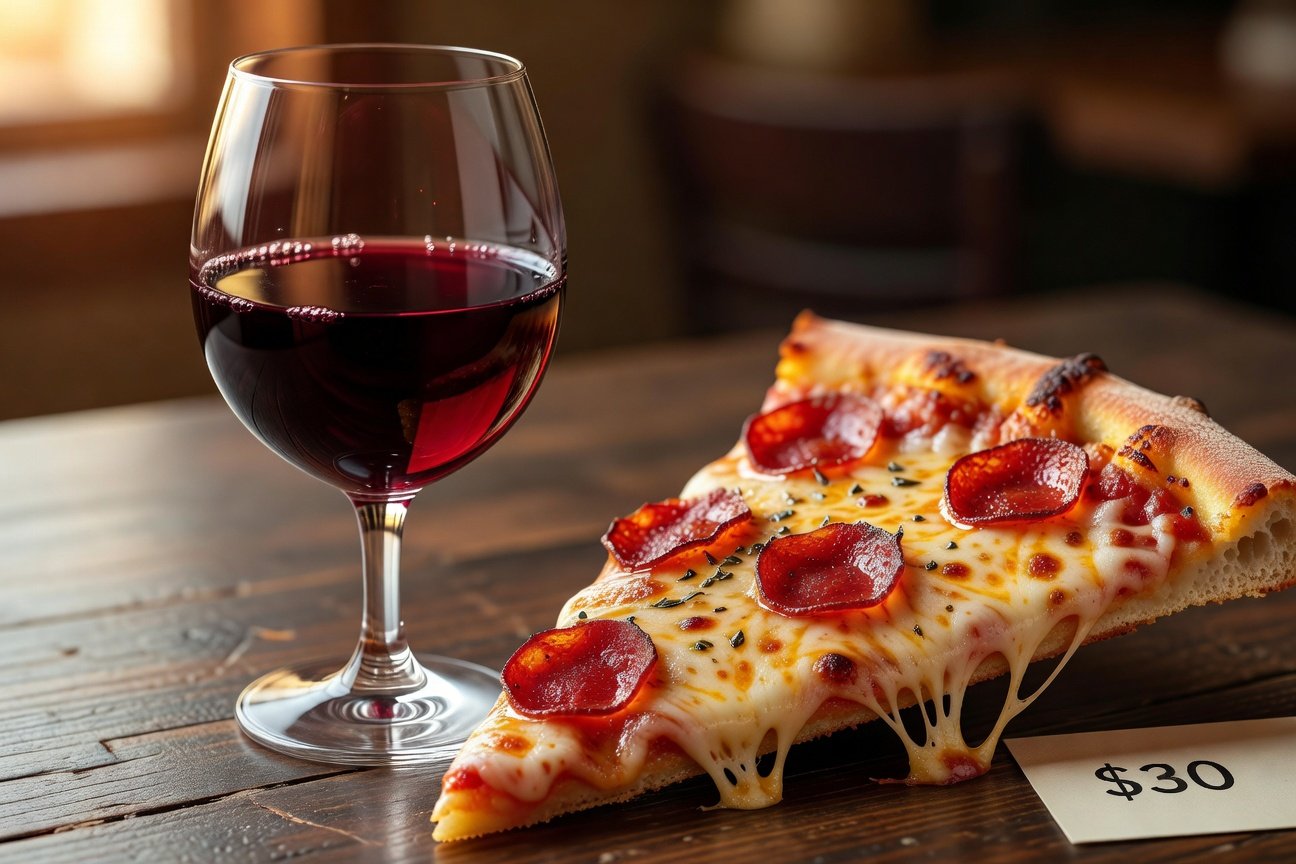
Spicy pepperoni demands a bold, fruit-driven red like Zinfandel. Its jammy blackberry and peppery spice cut through the grease while standing up to the heat. Look for California or Italian Primitivo expressions for optimal results. The wine's robust structure handles the saltiness of the cured meat without becoming bitter, creating a satisfying contrast that lingers pleasantly on the finish.
For best results, pair this with a slightly chilled Zinfandel to emphasize its vibrant fruit. If Zinfandel is unavailable, a Syrah from the Rhône Valley provides comparable spice and body. This pairing shines at game-day parties where bold flavors take center stage.
White Pizzas with Pinot Grigio
Garlic, ricotta, and olive oil on white pizzas pair beautifully with crisp Pinot Grigio. The wine's citrus and mineral notes refresh the richness of cheese and herbs, creating a light yet satisfying combination perfect for lunch or casual dinners. The subtle acidity prevents the dish from feeling too heavy, especially when paired with fresh arugula or prosciutto toppings.
Enhance this match by choosing a Pinot Grigio with a touch of oak influence for added complexity. Alternatives include a French Muscadet, which brings similar salinity and refreshment. This combination is particularly popular in coastal regions where seafood-inspired white pizzas are common.
Hawaiian Pizza with Off-Dry Riesling
Sweet pineapple and ham find their match in off-dry Riesling. The wine's slight residual sugar tempers the savory-sweet contrast while its high acidity keeps everything in balance. German Kabinett or Spätlese styles work especially well, offering notes of peach and lime that play against the tropical fruit on the pizza.
Serve this pairing slightly chilled to maintain the wine's lively character. If Riesling is not preferred, a Gewürztraminer offers similar aromatic intensity with a hint of spice. This unexpected pairing often surprises guests and works wonderfully for themed pizza nights.
Eight Specific Wine Recommendations Under $30
Here are eight accessible options, all available for under $30 as of 2026-05-21, complete with tasting notes and alternatives:
- 2024 Chianti Classico – Cherry, violet, and earth; pairs with Margherita. Alternative: Montepulciano d'Abruzzo for a softer profile.
- 2023 California Zinfandel – Blackberry jam and spice; ideal for pepperoni. Alternative: Primitivo from Puglia.
- 2025 Pinot Grigio from Veneto – Pear, lemon zest, and almond; perfect for white pizzas. Alternative: Vermentino from Sardinia.
- 2024 Off-Dry Riesling – Peach and honeysuckle; complements Hawaiian. Alternative: Moscato d'Asti for extra sweetness.
- 2024 Barbera d'Alba – Bright red fruit and high acidity; versatile with veggie pies. Alternative: Gamay from Beaujolais.
- 2025 Sauvignon Blanc – Grapefruit and herbs; suits pesto pizzas. Alternative: Grüner Veltliner from Austria.
- 2023 Côtes du Rhône – Syrah-Grenache blend with pepper; great for sausage toppings. Alternative: Carignan from southern France.
- 2024 Sparkling Rosé – Strawberry and citrus; excellent for deep-dish. Alternative: Prosecco from Italy.
Wine Magazine provides detailed tasting notes and vintage updates that can help refine these selections further. Always check local retailers for current availability and vintage changes.
Common Mistakes to Avoid
Many people choose overly tannic wines that clash with cheese or pick sweet wines that overwhelm savory pies. Another frequent error is ignoring temperature—serve whites too cold and reds too warm, which mutes flavors. Always taste the wine alongside the pizza rather than relying on memory alone. Avoid pairing high-alcohol wines with spicy toppings, as the heat amplifies and creates an unbalanced finish.
Other pitfalls include overlooking crust type; thin crusts benefit from lighter wines while thick crusts need more robust selections. Do not forget to consider dietary variations such as vegetarian pizzas, which may call for brighter whites or rosés. Finally, resist the urge to serve the same wine throughout a multi-course pizza meal—vary the selections to keep the experience dynamic and engaging for all guests.
FAQ: Bubbly Wines for Deep-Dish Pizza
Why do sparkling wines work so well with deep-dish? The bubbles cut through thick crust and melted cheese while refreshing the palate between bites, preventing the meal from feeling overly rich.
Which bubbly styles are best? Traditional method sparkling wines from Champagne or Cava provide structure, while affordable Prosecco offers approachable fruitiness that pairs nicely with classic toppings.
Can I use sparkling red? Lambrusco or sparkling Shiraz can pair surprisingly well with meat-heavy deep-dish varieties, adding a playful touch to the dining experience.
How should I serve sparkling wines with pizza? Chill them to around 45 degrees Fahrenheit and use tulip-shaped glasses to preserve the bubbles and concentrate aromas effectively.
Are there non-alcoholic alternatives? Sparkling grape juices or verjus-based beverages can mimic the refreshing quality without alcohol for family-friendly gatherings.
Advanced Techniques and Seasonal Considerations
For 2026, consider incorporating seasonal ingredients into your pizzas and adjusting wine choices accordingly. Spring pairings might feature fresh herb-focused pies with crisp Sauvignon Blanc, while winter calls for hearty meat toppings matched with fuller-bodied Rhône blends. Experiment with glassware variations and decanting lighter reds briefly to soften tannins before serving.
Advanced sommeliers also recommend noting the pizza's cooking method—wood-fired pies often benefit from wines with subtle smokiness, such as certain Spanish Tempranillos. Keep a journal of your pairings to track what works best for your palate over time.
Conclusion
With these sommelier techniques and specific recommendations, you can confidently select wines that elevate every pizza night. Start with the classics and branch out as your palate develops. The right pairing turns a simple slice into a memorable dining experience that brings friends and family together around the table.
No comments yet. Be the first!