 Uncorked Conversations
Introduction to Wine Legends Storytelling Evenings
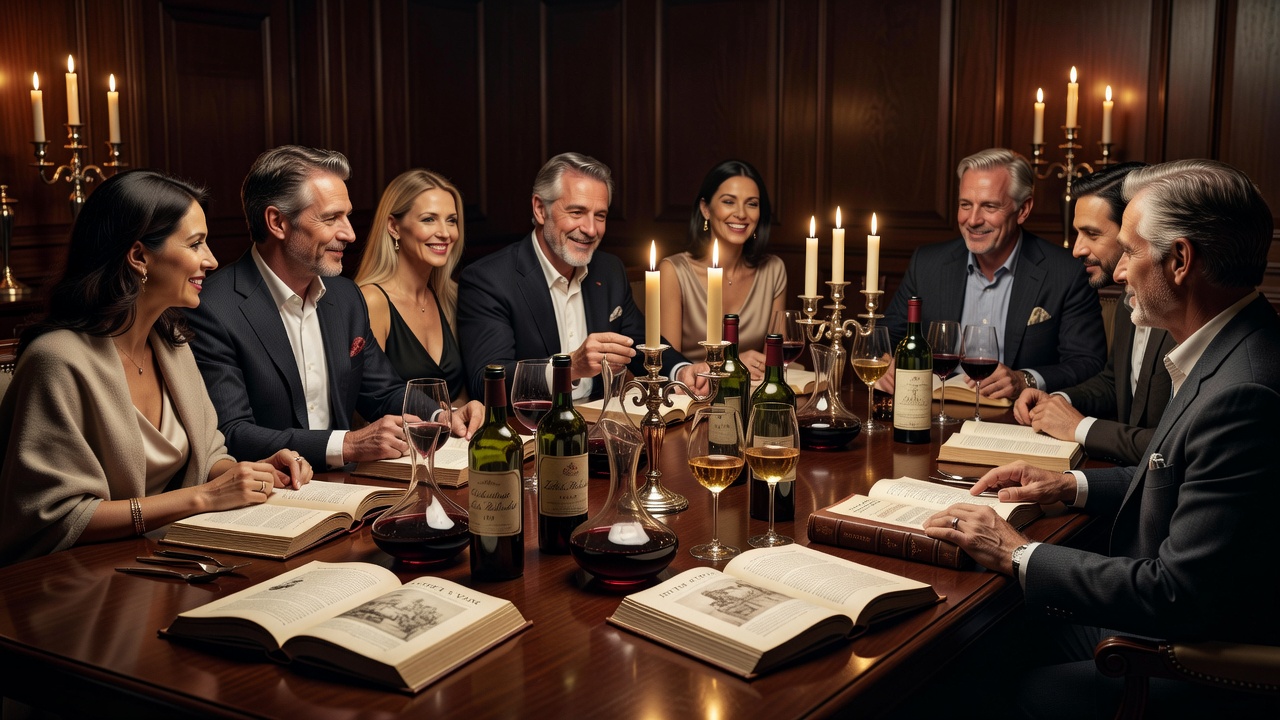
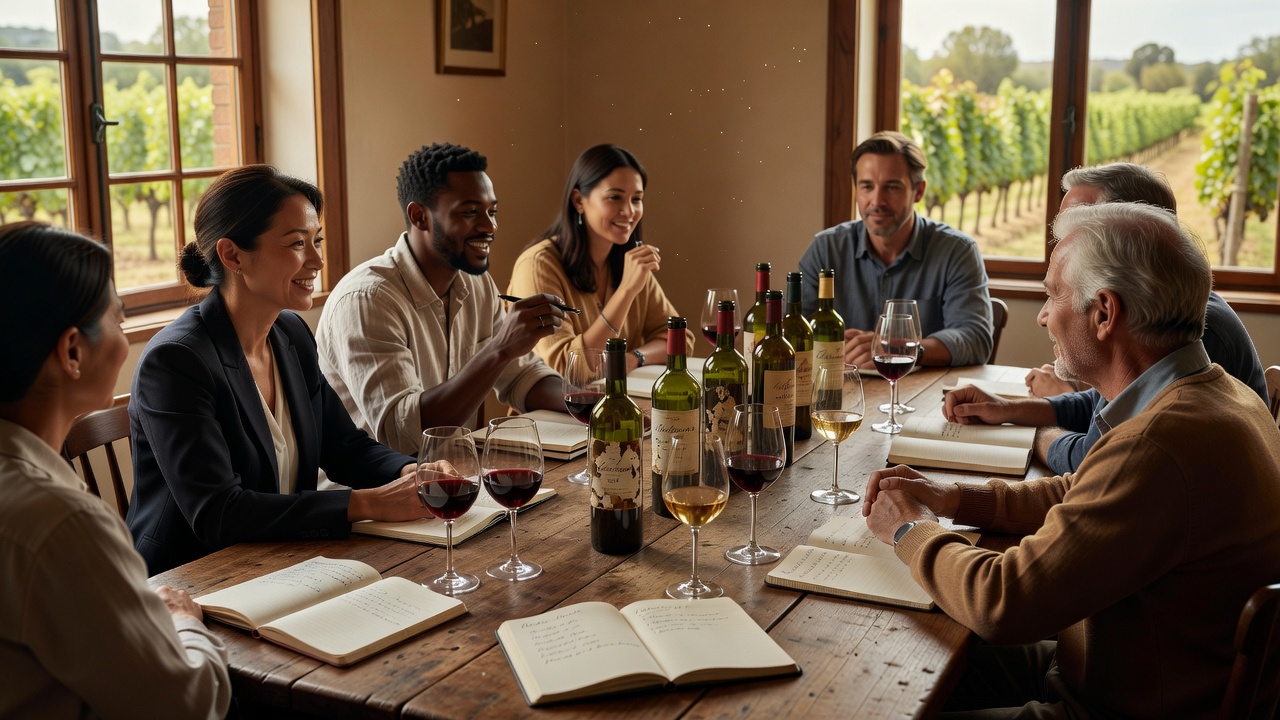
Hosting a wine legends storytelling evening offers an immersive way to blend history, culture, and sensory experiences. In 2026, interactive storytelling continues to rise as enthusiasts seek meaningful connections beyond standard tastings. This guide provides comprehensive steps for planning events at home or larger gatherings, drawing on wine history for themes and curating narratives that captivate audiences. Whether you are a beginner or seasoned host, these evenings transform ordinary gatherings into educational journeys through the rich tapestry of winemaking lore. The growing interest in experiential events means hosts can leverage digital tools and community networks to create repeatable, memorable occasions that foster deeper appreciation for wine culture.
Selecting Themes from Wine History
Begin by choosing themes rooted in global wine heritage. Focus on eras like the Roman Empire's influence on viticulture or the phylloxera crisis of the 19th century. Research legends such as the discovery of Champagne by Dom Pérignon or the monastic traditions in Burgundy. Limit themes to 3-5 per evening to maintain focus while allowing depth. Draw inspiration from regions like Bordeaux or Tuscany to create cohesive narratives that highlight winemaker tales and cultural shifts. Consider seasonal relevance, such as harvest legends in autumn or resilience stories during winter months. Cross-reference multiple historical accounts to ensure accuracy and add layers like economic impacts or technological innovations that shaped modern winemaking practices.
Curating 3-5 Short Narratives
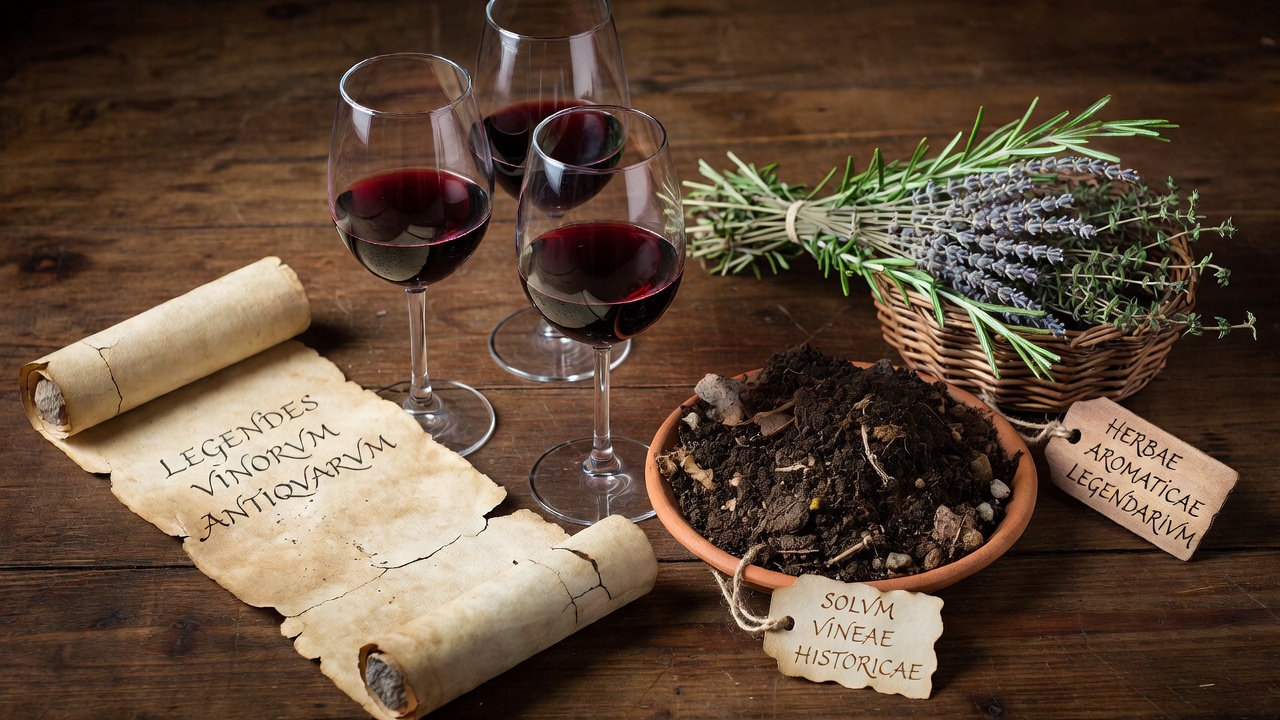
Structure each evening around concise stories, each lasting 5-8 minutes. Select narratives that evoke emotion and pair naturally with wines. For example, one story might explore the legend of the Tokaji vineyards in Hungary, followed by a tasting. Use reliable sources for accuracy and weave in sensory details like aromas or textures mentioned in historical accounts. Practice delivery to ensure engagement, incorporating pauses for audience reflection. Develop a narrative arc for each tale, including introduction, conflict, resolution, and modern relevance. Prepare visual aids such as timelines or family trees of winemaking dynasties. Record rehearsals to refine timing and tone, ensuring stories feel conversational rather than scripted.
Comparing Virtual and In-Person Formats
Virtual events leverage platforms for global participation, enabling shared screens for visual aids and chat-based discussions. They suit smaller groups and reduce logistics but may limit sensory immersion. In-person formats foster direct interaction, with better control over lighting and ambiance for storytelling. Hybrid options combine both, using live streaming alongside physical tastings. Choose based on audience size and location; in-person often enhances the emotional impact of legends through shared tasting moments. Virtual formats excel for international guests sharing regional legends in real time, while in-person allows for spontaneous group reactions to wine aromas. Prepare contingency plans for both, including stable internet backups for virtual and weather considerations for outdoor in-person settings.
Sensory Pairing Tips with Evocative Wines
Pair wines that mirror the legends' essence. For a story on ancient Greek winemaking, select a crisp Assyrtiko from Santorini to evoke volcanic soils. Enhance pairings with subtle elements like herbs or cheeses that nod to historical contexts. Encourage guests to note how flavors align with narrative themes, heightening the multisensory experience. Experiment with temperature and glassware to optimize aromas during storytelling segments. Create pairing worksheets where participants rate how well each wine captures the legend's spirit. Explore lesser-known varietals from emerging regions to surprise guests and tie into stories of innovation. Always have backup bottles ready in case a primary pairing underperforms during the event.
Real-World Examples from Global Vineyards
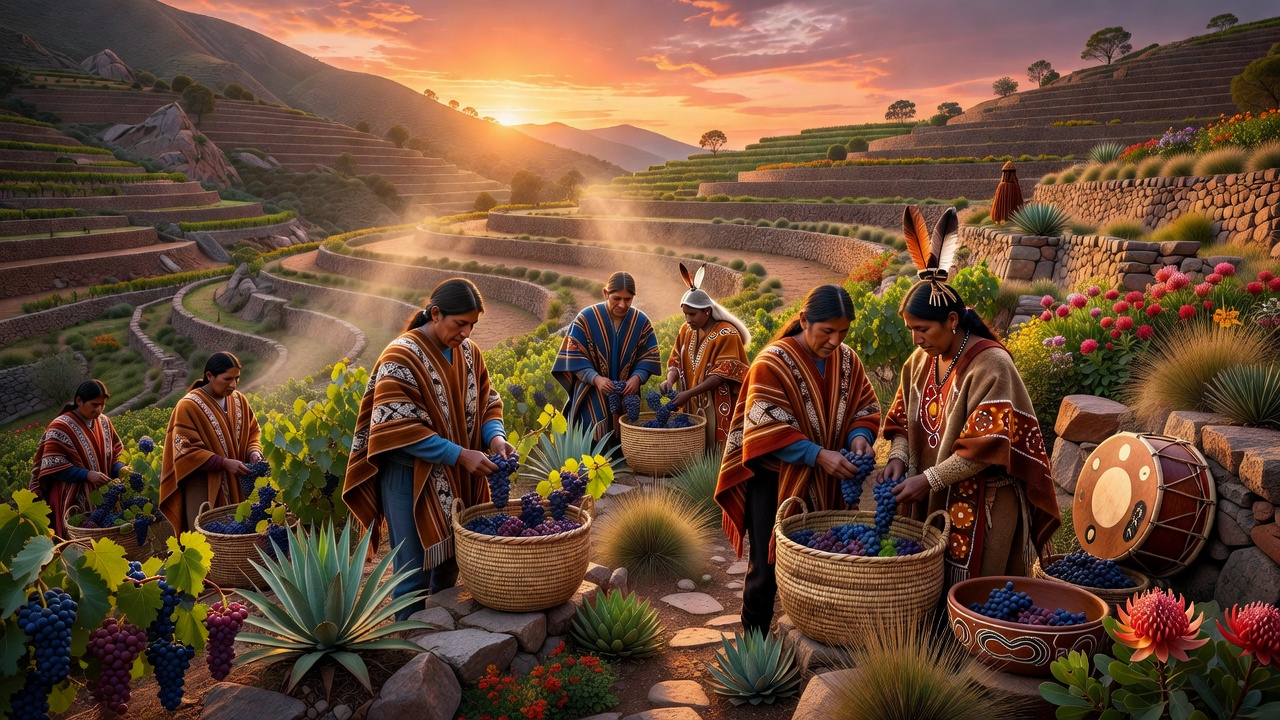
Vineyards worldwide demonstrate successful storytelling. In Decanter, reports highlight events in Napa Valley where winemaker legends are shared alongside Cabernet tastings. Similarly, estates in the Loire Valley host evenings focused on Chenin Blanc origins. In Australia, Barossa Valley producers recount convict-era vineyard stories paired with Shiraz, while Chilean estates in the Maipo Valley share earthquake-resilience tales with Carmenère. These examples show how integrating local history boosts attendance and creates repeat visitors. Adapt these models by contacting regional associations for authentic details and consider collaborating with historians or sommeliers for added credibility.
Step-by-Step Planning Guide
Follow these practical steps for seamless execution. First, define your guest list and send invitations two weeks in advance. Second, source wines and prepare printed story summaries. Third, set up the venue with thematic decor like old maps or vintage corks. Fourth, rehearse timings and test all equipment. Fifth, gather feedback forms for post-event improvement. Include a welcome ritual, such as a group toast, to set the tone immediately.
Addressing Audience Engagement Challenges
Common issues include waning attention or quiet participants. Counter this with interactive prompts, such as asking guests to share personal wine memories tied to the legend. Use props like maps or vintage labels for visual support. In larger groups, break into smaller discussions mid-event to maintain energy. Incorporate polls or quick quizzes about wine trivia during virtual sessions. Monitor body language in person and adjust pacing accordingly. Provide name tags with fun wine-related prompts to spark conversations among strangers.
Mistakes to Avoid
- Overloading the evening with too many stories without breaks.
- Choosing wines that clash with the narrative mood.
- Ignoring dietary restrictions when adding food pairings.
- Failing to test technology for hybrid formats ahead of time.
FAQ Section
- How do I handle varying wine knowledge levels? Start with accessible stories and build complexity gradually, offering optional deeper reading materials.
- What if technical issues arise in virtual formats? Test platforms in advance and have backup recordings ready, plus a co-host to manage chat.
- Can these evenings include non-alcoholic options? Yes, incorporate dealcoholized wines or themed mocktails to ensure inclusivity for all attendees.
- How long should the entire evening last? Aim for 90 to 120 minutes including tastings and discussions to keep energy high.
- Where can I find authentic legends? Consult resources from Wine Magazine or local wine councils for verified historical accounts.
Conclusion
By following these structured approaches, your 2026 wine legends storytelling evenings will deliver enriching experiences. Emphasize preparation, sensory alignment, and adaptability to trends for lasting impact on participants. With consistent effort, these events can evolve into signature gatherings that celebrate the timeless stories behind every bottle.
No comments yet. Be the first!