 Uncorked Conversations
Introduction: Turning Wine Moments into Timeless Legends
Every wine enthusiast has experienced that unforgettable sip—the one that sparks a story worth sharing. In 2026, the art of storytelling has evolved beyond simple tasting notes. This guide helps aspiring storytellers craft personal wine legends that captivate audiences, blending authentic encounters with strategic narrative techniques and modern digital tools. The search for practical methods to go beyond basic history lessons drives many enthusiasts toward structured approaches that turn fleeting vineyard moments into enduring narratives. Whether you visited a small vineyard in Tuscany or discovered a hidden gem at a local tasting, the goal is to elevate raw experiences into shareable legends that resonate across social platforms and wine communities alike.
By focusing on real-world techniques such as sourcing authentic anecdotes and incorporating emerging digital tools, this workshop-style article provides actionable steps, detailed examples, and customizable templates. Readers will learn how to build emotional depth, connect personal stories to broader wine history milestones, and avoid common pitfalls that dilute impact. The result is content that not only informs but inspires others to explore wine legends of their own.
Understanding Wine Legends Versus Simple Retelling
Many enthusiasts stop at basic retelling: "I tried this Cabernet and it tasted like berries." Legend-building goes deeper by weaving emotion, history, and personal transformation into a cohesive tale. The distinction matters because simple retellings fade quickly from memory, while legends create lasting connections and encourage shares.
Key Differences
- Simple retelling focuses on facts and sensory details without broader context or emotional stakes.
- Legend-building adds conflict, resolution, and cultural context, making the story memorable and shareable across generations of wine lovers.
Comparison framework: Use a three-column approach—Event, Emotion, Legacy—to shift from surface-level description to legendary impact. For instance, an event might be a sudden rainstorm during harvest; the emotion could be the winemaker's anxiety turning to triumph; and the legacy becomes how that vintage redefined the winery's reputation. This framework ensures every story has narrative momentum rather than remaining a flat report.
Sourcing Authentic Anecdotes from Real Encounters
Authenticity starts with keen observation during vineyard visits. Carry a small notebook or use voice memos to capture details immediately after tasting while impressions remain vivid. Practical steps include interviewing winemakers about their challenges, noting unexpected weather events that affected the vintage, and recording conversations with locals about family traditions passed down through generations. Focus on milestones like a winery's founding year or a pivotal harvest that changed regional practices forever.
Expand your sourcing by attending virtual webinars or joining online forums where winemakers share behind-the-scenes insights. Always verify details with multiple sources to maintain credibility. Real examples show that anecdotes rooted in personal struggle—such as a vintner's battle with climate change—create far more compelling legends than generic tasting descriptions.
Structuring Narratives Around Wine History Milestones
Anchor your stories to real historical touchpoints for credibility. For example, tie a personal tasting to the 1855 Bordeaux Classification or the rise of natural wine movements that gained momentum in the early 21st century. This grounding transforms an ordinary tasting note into a bridge between past and present.
Template: Start with the milestone, introduce your personal encounter as the modern twist, then end with a forward-looking reflection on the wine's future. A full example might begin with the phylloxera crisis of the late 1800s, move to your discovery of a resilient modern varietal during a 2025 trip, and conclude with predictions for sustainable viticulture in 2030. Practice this structure with three different milestones to build versatility in your storytelling.
Incorporating 2026 Digital Tools for Sharing
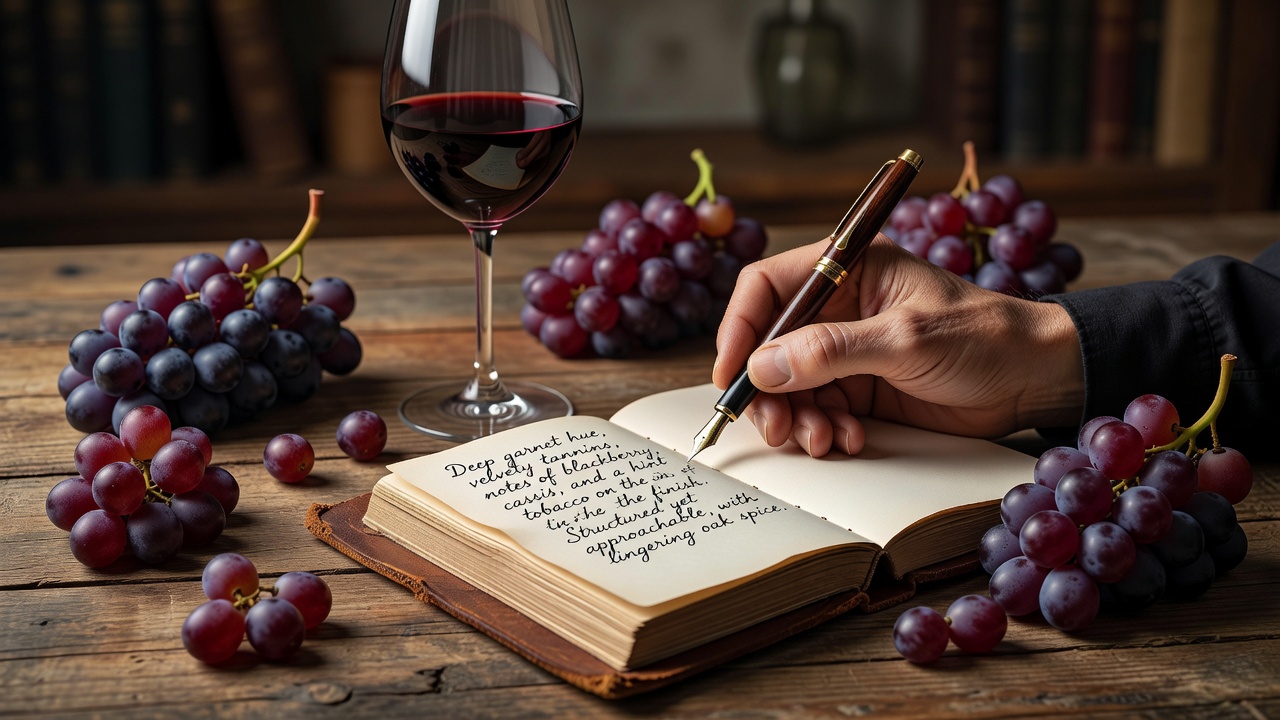
Today's storytellers leverage AI-assisted writing apps, short-form video platforms, and interactive storytelling sites. Tools like Canva for visual timelines or voice-to-text apps streamline the process of turning notes into polished posts. Experiment with AR filters on social platforms to overlay tasting notes on vineyard photos, increasing engagement rates dramatically. Other options include collaborative platforms where multiple enthusiasts co-author legends or analytics tools that reveal which story elements resonate most with audiences. Stay updated on new features released in early 2026 to keep your content fresh and optimized for algorithms.
Step-by-Step Examples from Vineyard Visits
1. Visit the vineyard and note three sensory details plus one unexpected story from the winemaker, such as a near-disaster with equipment that led to an innovative solution.
2. Research one historical milestone connected to the region using reliable references and cross-check facts.
3. Draft your narrative using the Event-Emotion-Legacy framework, ensuring each section flows naturally into the next.
4. Edit for emotional arc, add vivid language, and include a call-to-action for readers to share their own experiences in the comments.
5. Publish across multiple channels and track performance to refine future stories.
Real-World Templates and Prompts
Prompt example: "Describe the moment you first tasted [wine] and how it connected you to [historical event]. What legacy does this create for future generations?" Use this fill-in-the-blank template for Instagram captions or blog posts to ensure consistency and depth: "In [year], amid [milestone], I encountered [wine detail]. The [emotion] I felt reminded me of [personal parallel], leaving a legacy of [forward vision]." Customize these prompts repeatedly until the process becomes instinctive.
Comparison Frameworks for Legend-Building
Beyond the basic three-column method, apply a side-by-side analysis: list your raw notes on one side and the expanded legend on the other. Identify where you added layers of conflict or cultural ties. This visual comparison highlights growth areas and prevents stories from remaining too linear or factual.
Mistakes to Avoid When Crafting Wine Legends
Overloading with jargon alienates newcomers; instead, explain terms contextually. Ignoring emotional arcs leaves stories flat. Failing to connect to history makes legends feel isolated rather than part of a continuum. Always test drafts with a small audience before wider release to catch these issues early.
FAQ: Common Pitfalls and How to Avoid Them
Q: How do I avoid sounding pretentious?
A: Ground every legend in personal vulnerability—share your initial confusion or surprise during the tasting.
Q: What if my story feels too ordinary?
A: Layer in universal themes like resilience or discovery that resonate beyond wine enthusiasts.
Q: Which platforms work best in 2026?
A: Combine long-form blogs with short video clips for maximum reach and audience interaction.
Q: How long should a wine legend be?
A: Aim for 400–800 words for blogs or 60–90 seconds for videos to maintain attention while delivering full impact.
Q: Can I fictionalize details for better flow?
A: Stick strictly to verified facts; embellishment risks damaging trust with your audience.
Conclusion
By mastering these techniques, you can transform everyday wine encounters into enduring legends. Start today with one anecdote and watch your storytelling skills—and audience—grow. For more inspiration on global wine culture, explore Wine Magazine, Decanter, and Wine Spectator.
No comments yet. Be the first!