 Uncorked Conversations
Introduction to the Psychology of Wine Interviews
Wine interviews in podcasts like Uncorked Conversations captivate listeners by blending sensory descriptions with deep psychological insights. These conversations go beyond simple tasting notes, tapping into cognitive biases, emotional storytelling, and social connections that transform how audiences perceive and enjoy wine. By examining listener engagement tactics and the emotional connections formed through vino talks, this article provides a thorough exploration of what makes these episodes memorable. It delves into key subtopics including cognitive biases in wine perception, storytelling techniques used by hosts, and real-world examples from episodes, while offering practical steps for applying these insights to personal wine experiences and comparisons with traditional wine education methods.
Cognitive Biases in Wine Perception
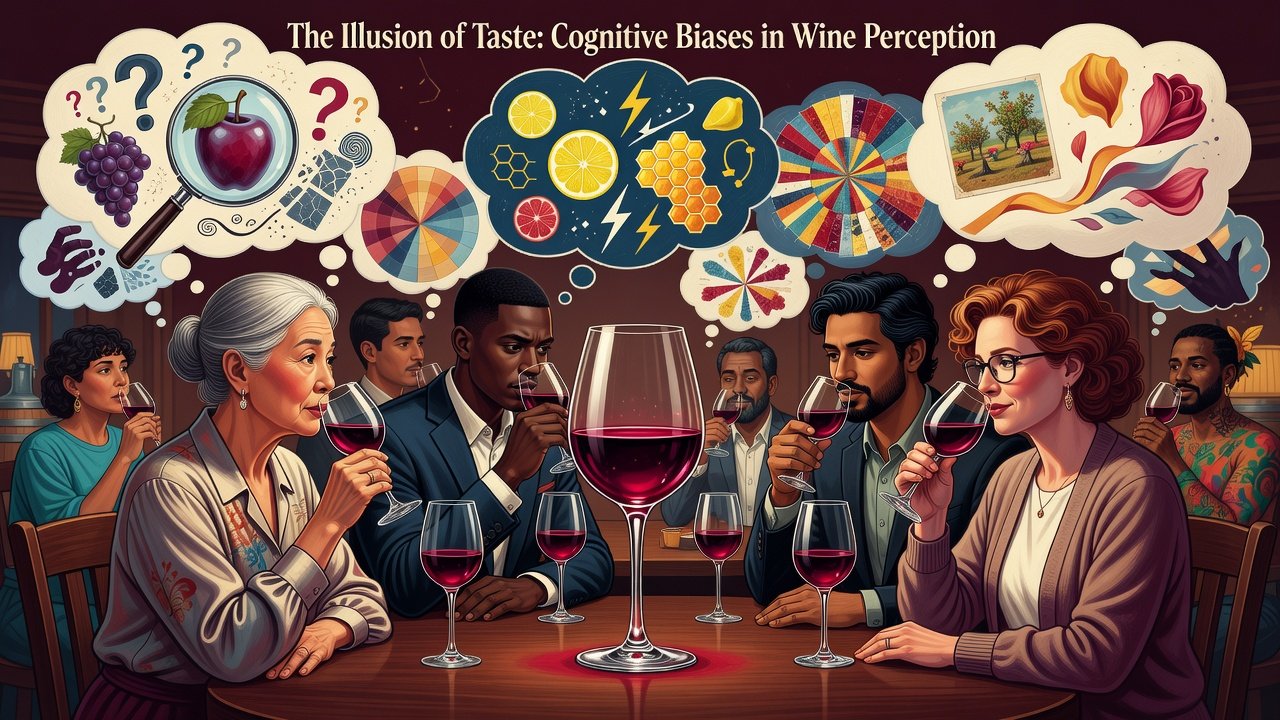
Cognitive biases significantly influence how we experience wine during interviews, often operating below conscious awareness. Confirmation bias leads listeners to align their perceptions with the host's descriptions, reinforcing preconceived notions about a particular vintage or region. The halo effect elevates wines discussed by charismatic guests, making even average bottles seem exceptional due to the interviewer's enthusiasm. In Uncorked Conversations episodes, hosts often highlight these biases subtly, encouraging critical listening rather than passive acceptance. For example, an episode featuring a sommelier might reveal how price expectations alter taste judgments, drawing from established psychological research on how context shapes sensory input.
Another key bias is the expectation effect, where prior knowledge shapes sensory input and can override actual flavor profiles. Listeners learn to question initial impressions, fostering more mindful tasting sessions at home. This approach contrasts sharply with rigid traditional methods by promoting self-awareness. Additional biases like anchoring, where the first sip sets an unshakeable reference point, and availability heuristic, favoring wines recently discussed in media, further complicate perception. Understanding these allows audiences to approach interviews with greater discernment and derive more authentic enjoyment from the content.
Storytelling Techniques Used by Hosts
Effective storytelling forms the core of listener engagement in wine podcasts. Hosts employ narrative arcs that mirror personal journeys with wine, incorporating vulnerability and humor to build emotional bonds with the audience. Techniques include vivid sensory language paired with relatable anecdotes, creating mental imagery that lingers long after the episode ends. In one notable episode, a discussion on terroir evolved into a tale of family heritage spanning generations, making abstract concepts tangible and memorable for listeners worldwide.
These methods enhance retention by activating multiple brain areas, from memory centers to emotional processing regions. Psychology Today resources underscore how narrative-driven content boosts engagement compared to factual lists alone. Hosts also use cliffhangers between segments and guest interactions that reveal unexpected twists, such as a winemaker's personal struggles that parallel the challenges of viticulture. This layered approach turns educational content into compelling entertainment, fostering repeat listens and deeper emotional investment.
Real-World Examples from Episodes
Uncorked Conversations episodes provide concrete illustrations of these psychological principles in action. A conversation with a natural winemaker explored anchoring bias, where initial sips set expectations for the entire bottle, leading listeners to report heightened awareness in their own tastings afterward. Another episode compared blind tasting results across demographics, revealing cultural influences on perception and how regional backgrounds color interpretations of acidity or tannins. A third installment focused on the halo effect during a celebrity guest appearance, demonstrating how fame can skew wine evaluations even among experienced tasters.
These examples demonstrate how interviews challenge assumptions, turning passive listening into active learning opportunities that extend beyond the podcast itself. Listeners often share how such episodes prompted them to revisit previously dismissed wines with fresh perspectives.
Practical Steps for Applying Insights to Personal Wine Experiences
To integrate these psychological elements into daily life, follow these expanded steps for meaningful results:
- Listen actively to an episode, noting any biases you recognize in your own judgments and pausing to reflect on how they might be influencing your palate.
- Practice storytelling by describing a wine's origin, production challenges, and your personal connection before tasting, which deepens emotional engagement similar to podcast techniques.
- Experiment with blind tastings to minimize expectation effects, using simple household items to cover labels and tracking how impressions shift without visual cues.
- Discuss episodes with friends to reinforce emotional connections and shared insights, creating group tastings that mirror the conversational dynamic of the show.
- Journal post-listening reflections on cognitive biases encountered, helping build long-term awareness and more accurate personal wine assessments over time.
These actions build deeper appreciation and counteract common perceptual pitfalls while enhancing overall enjoyment of wine culture.
Comparisons with Traditional Wine Education Methods
Traditional wine education often relies on structured memorization of regions, varietals, and technical terminology, which can feel clinical and detached from personal experience. In contrast, Uncorked Conversations prioritizes psychological nuance and narrative flow, making learning more accessible and memorable for diverse audiences. While classroom settings emphasize technical accuracy through exams and certifications, podcast formats excel at emotional resonance, leading to longer-term retention and greater real-world application. Research from sources like National Center for Biotechnology Information supports narrative approaches for complex subjects like sensory science, showing improved outcomes in engagement metrics. The podcast's conversational style also encourages inclusivity, appealing to beginners who might find formal courses intimidating, whereas traditional methods suit those seeking professional credentials.
Emotional Connections and Listener Engagement Tactics
Beyond biases and stories, emotional connections arise through vulnerability shared by guests and hosts, such as recounting failures in winemaking that humanize the industry. Engagement tactics include interactive elements like listener-submitted questions addressed on air and themed episodes that align with seasonal moods, boosting community feel. These foster loyalty and turn casual listeners into dedicated followers who apply insights personally.
FAQ Section
How can I enhance my wine podcast listening experience?
Focus on identifying biases and reflecting on personal connections during episodes for greater engagement, while taking notes on storytelling elements that resonate most.
What cognitive biases affect wine tasting most?
Confirmation bias, the halo effect, expectation effects, anchoring, and availability heuristic are primary influences discussed in wine psychology contexts.
Are Uncorked Conversations episodes suitable for beginners?
Yes, the storytelling format makes complex topics approachable while offering depth for enthusiasts seeking advanced psychological angles.
How does this differ from standard wine courses?
Podcasts emphasize emotional and psychological layers over rote learning, creating more holistic experiences that promote lasting behavioral changes in tasting habits.
Can these insights improve my social wine gatherings?
Absolutely, by incorporating narrative techniques and bias awareness, hosts can create more interactive and memorable events for guests.
Conclusion
By understanding the psychology behind Uncorked Conversations, listeners gain tools to transform ordinary wine moments into profound experiences. Applying these insights bridges the gap between entertainment and education, enriching personal appreciation for the art of wine.
No comments yet. Be the first!