 Uncorked Conversations
Introduction to Hosting Your Own Vino Talks
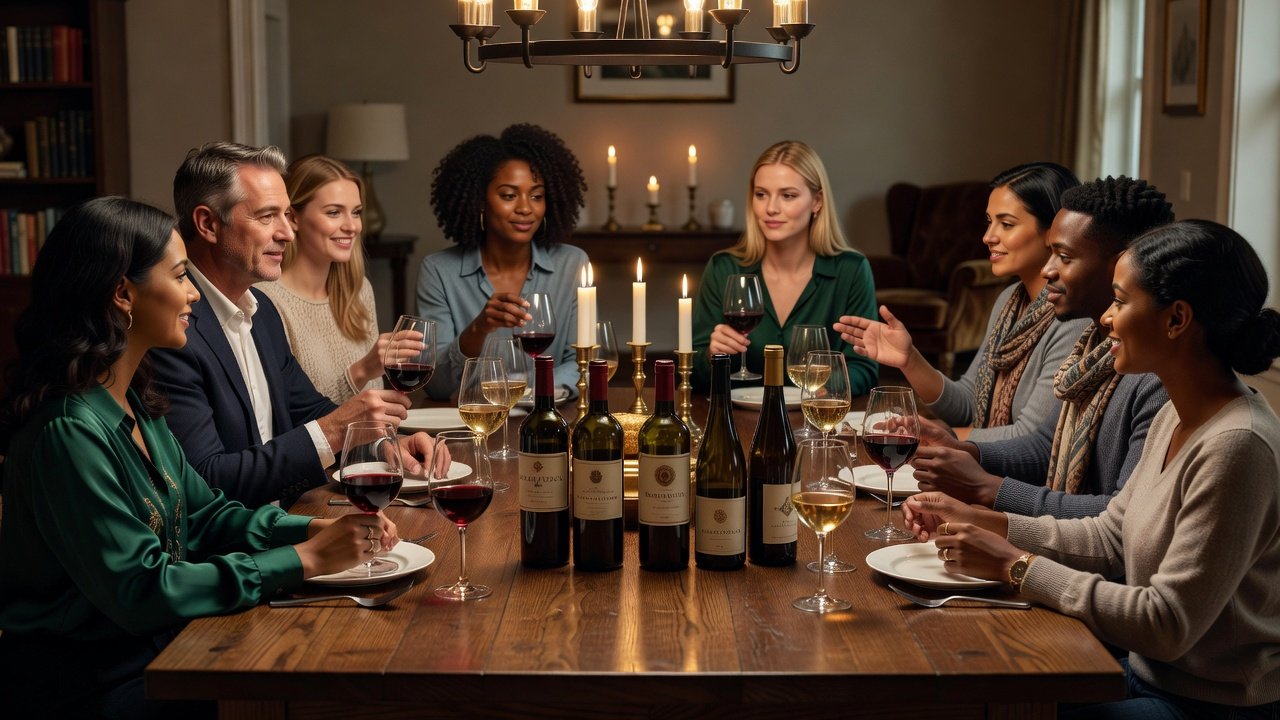
Uncorked Conversations has popularized thoughtful, interview-style discussions around wine, transforming casual tastings into deeper explorations of stories, flavors, and culture. Replicating this format at home allows you to create memorable gatherings that go beyond sipping. This guide provides step-by-step instructions for planning themes, selecting wines, crafting questions, and moderating sessions, whether in person or virtually. By adapting the podcast's engaging approach, you foster connections and elevate every bottle. The shift from passive listening to active participation encourages guests to share personal anecdotes, debate tasting notes, and discover new perspectives on familiar varietals. Over time, these events build a sense of community that standard tastings rarely achieve, turning one-time attendees into regular participants who look forward to each themed evening.
Choosing Themes and Selecting Wines
Start by picking a focused theme to mirror the podcast's narrative depth. Popular options include regional spotlights like Loire Valley whites or varietal comparisons such as Pinot Noir from different continents. For each theme, select three to five wines that offer contrast in style, vintage, or producer. Aim for balance between familiar favorites and lesser-known gems to spark curiosity. Consider accessibility by sourcing from local shops or reputable online retailers. Themes can tie into seasons, holidays, or current events for added relevance. For example, a summer theme might explore crisp rosés from Provence alongside unexpected orange wines from Georgia, while a winter session could focus on robust Cabernet Sauvignons paired with stories of aging techniques. Practical steps include researching tasting notes in advance and preparing simple food pairings that highlight each wine without overwhelming the conversation. This preparation ensures smooth flow during discussions. Always taste the wines yourself a day prior to confirm they align with the theme and avoid any surprises like unexpected oxidation or off-flavors.
Crafting Engaging Questions
Effective questions drive the interactive element. Begin with open-ended prompts like "What memory does this aroma evoke?" or "How does the finish change your perception of the wine's origin?" Draw inspiration from real episodes by exploring producer backstories, terroir influences, or personal tasting journeys. Prepare a mix of factual queries and opinion-based ones to encourage participation from all guests. Limit questions to five or six per wine to maintain momentum and prevent fatigue. Sample questions might include "Which element in this wine reminds you of a childhood experience?" or "If this bottle could tell its own story, what chapter would you highlight first?" Tailor some questions to specific episodes, such as referencing how one podcast guest described soil minerality in a particular Burgundy. This approach keeps the conversation authentic and tied to the source material while allowing room for original insights from your group.
Moderating Group Discussions
As host, your role is facilitator rather than lecturer. Set ground rules early, such as allowing everyone a chance to speak and discouraging jargon unless explained. Use active listening techniques: paraphrase responses and invite follow-ups. Rotate speaking order if the group is large. For deeper engagement, incorporate brief storytelling segments where participants share their own wine experiences tied to the theme. Watch for cues like crossed arms or distracted glances and gently redirect the flow by asking quieter members direct but friendly questions. If debates arise about acidity levels or oak influence, acknowledge both sides and steer toward consensus-building exercises, such as a quick group vote on the most surprising flavor note. This moderation style mirrors the podcast's balanced, respectful tone and keeps energy high throughout the evening.
Comparing to Traditional Wine Tastings
Traditional tastings often emphasize silent evaluation and scoring. Vino Talks shift the focus to dialogue, making them ideal for social settings. While classic formats suit educational workshops, this podcast-inspired style builds community and reveals unexpected insights. The result is longer-lasting impressions and repeat attendees. In contrast to rigid point systems, the conversational method allows for emotional connections, such as linking a wine's heritage to family traditions. Guests often report learning more through shared stories than through solitary note-taking, and the format adapts easily to mixed experience levels, from novices to enthusiasts.
Steps for In-Person Formats
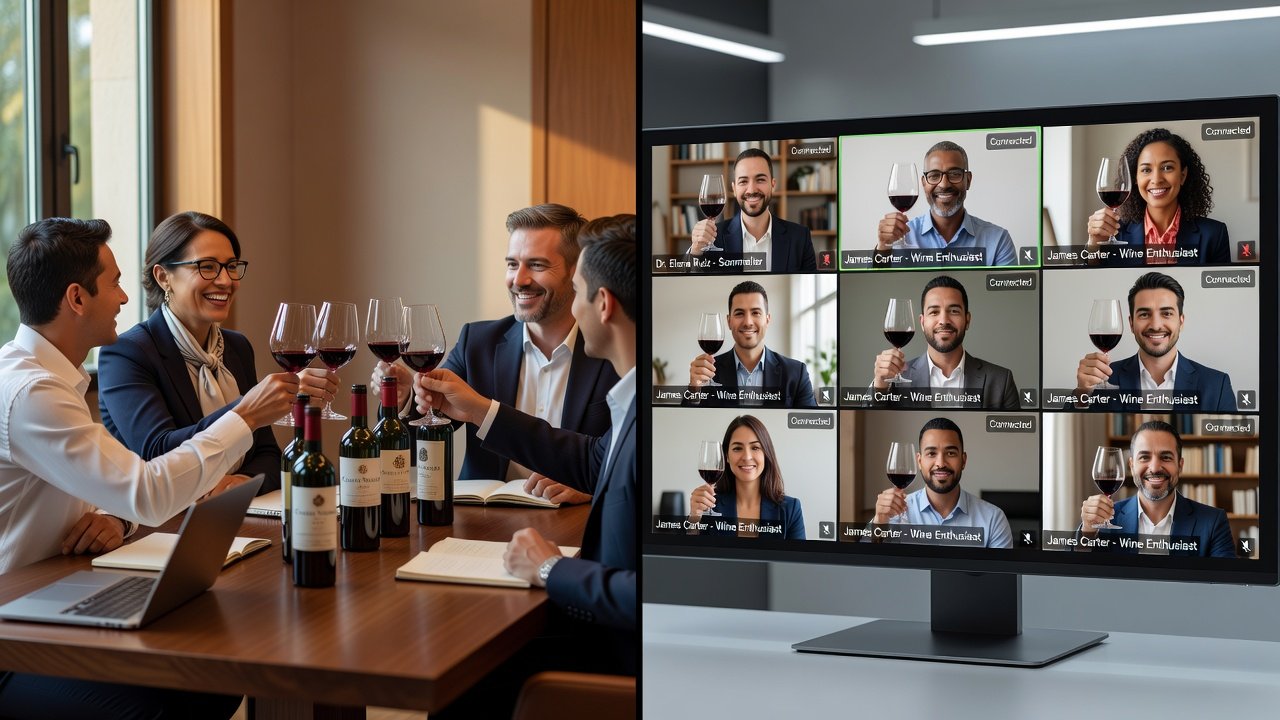
1. Set up a comfortable space with good lighting and neutral tablecloths to let wines shine.
2. Arrange seating in a circle or U-shape to promote eye contact.
3. Provide water, spittoons, and note cards for each guest.
4. Start with a short icebreaker tied to the theme, such as sharing one word that describes your current mood in relation to wine.
5. Pour wines sequentially while guiding questions and pausing for group reactions after each pour.
6. End with a collective reflection on the evening's standout moment to reinforce shared memories.
Steps for Virtual Formats
1. Choose a reliable video platform and test screen-sharing for wine labels.
2. Send tasting kits in advance with pre-measured samples.
3. Encourage guests to prepare their own setups with proper glassware and a quiet background.
4. Use breakout rooms for smaller pair discussions before reconvening to share highlights.
5. Record sessions (with permission) for later sharing or review, and consider adding polls for quick group votes on favorite wines.
6. Follow up with a shared digital document where participants can add their tasting notes post-event. Virtual events expand reach but require extra attention to pacing and tech troubleshooting, such as having a backup moderator ready to handle connectivity issues.
Real Episode Examples to Inspire Your Events
Draw directly from episodes where hosts interviewed winemakers about sustainable practices in the Napa Valley or explored the history of natural wines in Italy. Adapt these by inviting a local expert via video call or assigning guests to research one aspect beforehand. For instance, recreate a discussion on volcanic soils by selecting wines from Mount Etna and prompting questions about how geology influences aroma profiles. These examples add authenticity and depth, helping your group feel connected to broader wine conversations happening globally.
Building a Simple Wine Toolkit
Assemble basic items like aroma kits, maps of wine regions, and a timer for discussion segments. Include resources such as printed tasting grids or digital apps for quick lookups. This toolkit supports smooth facilitation and empowers guests to engage more confidently, especially those new to structured wine talk.
Handling Different Skill Levels
Balance the group by pairing experienced tasters with beginners for side conversations. Provide glossaries of common terms and encourage explanations without condescension. This inclusive strategy ensures everyone contributes meaningfully and learns from one another.
Post-Event Follow-Up
Send thank-you notes with suggested next themes based on feedback. Share a recap document including key quotes and wine recommendations. This step turns one-off events into an ongoing series that grows your wine community over time.
Common Pitfalls and How to Avoid Them
Low engagement often stems from overly complex questions or poor pacing. Counter this by keeping segments under 15 minutes and having backup prompts ready. Wine selection errors, like choosing overly tannic bottles early, can be avoided through pre-tasting. Always have non-alcoholic alternatives available and monitor room temperature to prevent fatigue.
Frequently Asked Questions
How many guests should I invite?
Four to eight participants works best for lively yet manageable conversations.
What if someone dislikes a wine?
Frame it as an opportunity for discussion on personal preferences and food pairings that might change opinions.
Can I charge for events?
Many hosts keep it casual among friends, though professional organizers may explore local regulations.
How do I handle dominant speakers?
Use timed turns or redirect with inclusive phrases like "Let's hear from someone who hasn't shared yet."
Conclusion
Hosting Vino Talks brings the spirit of Uncorked Conversations into your own space, creating richer wine experiences through conversation. With thoughtful planning on themes, questions, and moderation, your events will stand out from standard tastings. Experiment, gather feedback, and refine your approach for ongoing success. For more wine insights, explore resources from Wine Magazine and Wine Folly.
No comments yet. Be the first!