 Uncorked Conversations
Introduction: From Podcast to Passion Project
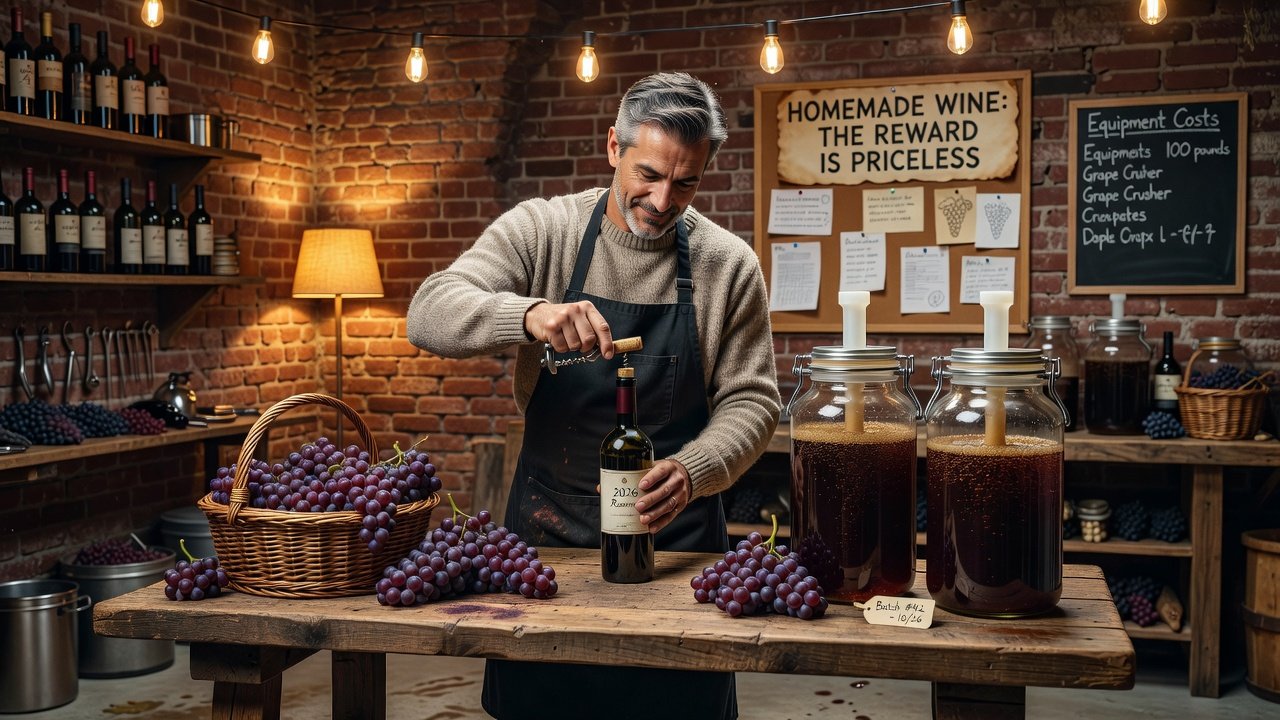
The Uncorked Conversations podcast has become a catalyst for aspiring winemakers in 2026, turning casual listeners into dedicated hobbyists. By sharing intimate interviews with winemakers, the show demystifies the craft and highlights accessible entry points for home enthusiasts. In a year when interest in sustainable living and hands-on food production continues to rise, many people are seeking meaningful hobbies that connect them to nature and tradition. This article dives deep into how these conversations motivate real-world action, offering practical guidance tailored to beginners who want to turn inspiration into their first homemade vintage. Listeners often report that the personal stories shared on the show make winemaking feel approachable rather than intimidating, encouraging them to research local resources and start small experiments in their own kitchens or garages.
Real Listener Success Stories
Many listeners credit specific episodes for their first batches. One couple from Oregon started small after hearing about backyard fermentation, producing their initial 5 gallons of Pinot Noir-inspired wine within months. They began by following advice from an episode on small-scale fermentation, sourcing local grapes from a nearby vineyard, and now enjoy sharing bottles with friends at seasonal gatherings. Another listener in Texas transformed a garage corner into a micro-winery after an episode on urban winemaking, now sharing updates on social platforms and producing both red and white varieties suited to the warmer climate. A third success story comes from a retired teacher in Michigan who, inspired by discussions on cold-climate grapes, experimented with hybrid varieties like Marquette and Frontenac. Her first batch yielded 12 bottles that she aged for six months, and she now leads a small community group teaching neighbors the basics. These stories illustrate how the podcast bridges the gap between passive listening and active participation, proving that anyone with patience and curiosity can succeed.
Essential Starter Equipment and Grape Sourcing Tips
Beginners need reliable basics to succeed. Key items include food-grade carboys for fermentation, airlocks to allow gas escape while preventing contamination, siphons for racking, and sanitizers to maintain hygiene. 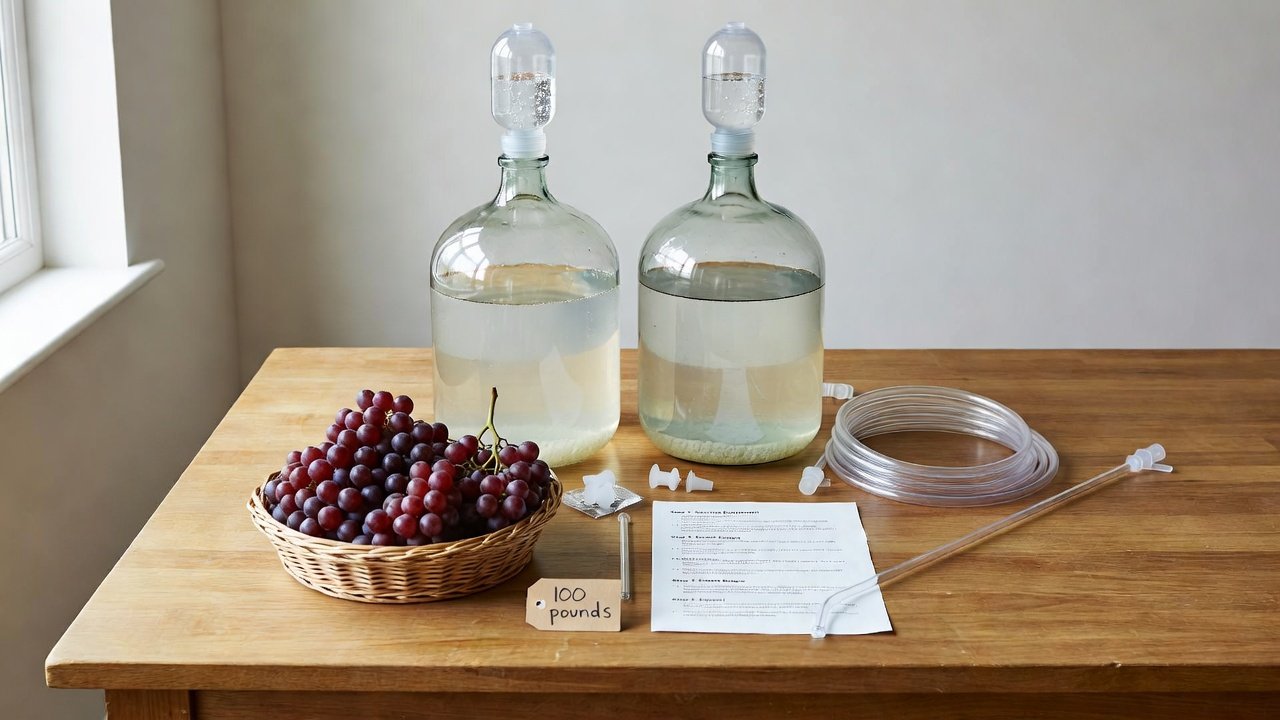
Episode Highlights That Sparked Ideas
Standout episodes feature home-scale innovators discussing low-intervention techniques. One interview with a small-batch producer emphasized wild yeast fermentation, inspiring listeners to experiment without commercial additives. Another highlighted sustainable practices such as using recycled barrels and natural pest control that translate easily to hobby setups. A recent episode explored the emotional side of winemaking, sharing how the process fosters mindfulness and connection to seasonal rhythms, which resonated with listeners looking for therapeutic hobbies. These highlights often include guest recommendations for beginner-friendly resources and troubleshooting methods that listeners can apply immediately.
Hobby vs. Professional Approaches
Hobby winemaking prioritizes experimentation and personal enjoyment, while professionals focus on consistency and scale. Hobbyists can skip expensive testing labs, relying instead on taste and basic hydrometers, allowing more creative freedom. Professionals often invest in automated temperature control and large stainless steel tanks, whereas hobbyists use household refrigerators or insulated closets. The hobby approach encourages trial and error with different grape varieties and aging methods, leading to unique flavor profiles that reflect the maker's personal taste. In contrast, commercial operations must meet strict regulatory standards for labeling and distribution. This difference makes home winemaking an ideal low-pressure entry point for those testing the waters before potentially scaling up.
Step-by-Step Beginner Winemaking Process
- Choose and sanitize equipment thoroughly using a no-rinse solution to eliminate bacteria.
- Source and crush grapes or use pre-made must, aiming for a starting sugar level of 22 to 24 Brix.
- Add yeast suited to your grape variety and monitor fermentation temperatures between 60 and 75 degrees Fahrenheit.
- Rack the wine into secondary containers after primary fermentation slows, typically after 5 to 7 days, to separate sediment.
- Age the wine for several months, tasting periodically, then clarify with fining agents if needed before bottling.
- Store bottles in a cool, dark place for at least three months to develop flavors fully.
Throughout each stage, keep detailed notes on temperatures, additions, and observations to refine future batches.
Common Pitfalls and Solutions
Oxidation often ruins early batches; always minimize headspace and use proper seals with airlocks. Contamination is avoided through rigorous cleaning—use a no-rinse sanitizer before every step. Temperature swings can stall fermentation, so maintain a stable 60-70°F environment with a small space heater or fan if necessary. Another frequent issue is over-extraction of tannins from skins, which can be managed by shortening maceration time for delicate grapes. Beginners sometimes forget to top up carboys during aging, leading to vinegar formation; checking levels monthly prevents this. Solutions often involve simple adjustments like adding sulfites at recommended intervals or blending with a successful batch to salvage flavors.
FAQ on Legal Considerations and First-Batch Troubleshooting
Is home winemaking legal everywhere? Regulations vary by location; check federal guidelines via TTB for U.S. rules on production limits.
What if my first batch tastes off? Common issues like off-odors often resolve with time or racking; consult resources from Cooperative Extension for troubleshooting.
How much wine can I legally produce? U.S. federal law allows up to 100 gallons per adult annually for personal use—verify local state laws as well.
Where can I find reliable grape suppliers? Start with regional agricultural extensions or visit USDA research sites for variety recommendations and grower directories.
How long should I age my first batch? Most beginners age for three to six months, though some varieties benefit from longer periods in the bottle.
Conclusion: Start Your Winemaking Journey Today
Uncorked Conversations continues to ignite the spark for 2026 hobbyists by blending inspiration with actionable insights. Whether you're drawn to stories or seeking step-by-step guidance, the path to your first homemade vintage begins with listening and experimenting. With the right preparation and community support, this rewarding hobby can provide years of enjoyment and personal growth.

No comments yet. Be the first!