 Uncorked Conversations
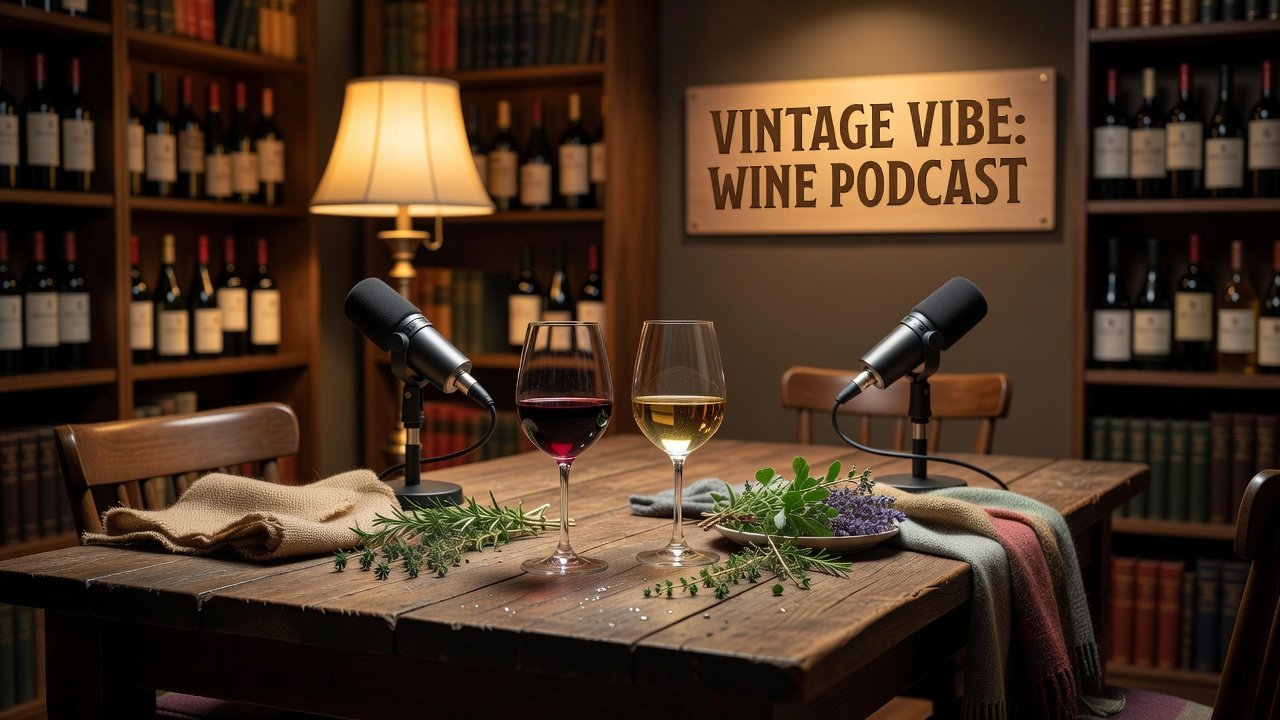
Introduction: Elevating Wine Talks Beyond the Glass
Traditional wine interviews often focus on tasting notes, vineyard stories, and basic pairings, but listeners of the Uncorked Conversations podcast crave deeper immersion. Sensory wine interviews transform episodes by incorporating exercises that engage smell, touch, and sound, creating memorable experiences that go far beyond standard tasting. This approach not only boosts listener retention but also fosters a more inclusive and educational conversation about wine. By weaving in multisensory elements, podcasters can appeal to audiences seeking interactive content that feels personal and memorable. Whether exploring a bold Cabernet or a delicate Riesling, these techniques help participants articulate sensations they might otherwise overlook, turning a simple discussion into a shared journey of discovery.
Listeners today expect more than passive narration; they want tools to replicate experiences at home. Sensory methods address this demand by making every episode actionable and repeatable. Over the course of this guide, we will explore practical implementation strategies, real podcast examples, accessibility considerations, and tips tailored for both new and experienced hosts.
Why Sensory Exercises Matter in Wine Interviews
Wine appreciation is inherently multisensory, yet many discussions limit themselves to visual and gustatory elements. Incorporating smell, touch, and sound exercises encourages guests and listeners alike to explore wine holistically. This method aligns with modern podcast trends that emphasize engagement through participation rather than one-way information delivery. Research from authoritative sources like the Mayo Clinic highlights how sensory stimulation can enhance memory and emotional connection, making episodes more memorable. Listeners report feeling more involved when they can mentally or physically replicate the exercises at home, leading to stronger loyalty and repeat listens.
Beyond retention, these exercises promote inclusivity. People with varying levels of wine knowledge can participate equally, reducing intimidation factors common in traditional tasting formats. The result is richer dialogue that surfaces unexpected insights about flavor perception and personal associations.
Step-by-Step Guide to Smell Exercises
Implementing olfactory exercises starts with preparation. Select wines with distinct aromatic profiles, such as those featuring citrus, spice, or earth notes. During the interview, begin by having the guest describe initial aromas without tasting the wine. Introduce neutral scent references like fresh herbs or coffee beans for comparison. Guide listeners through a shared smelling session, pausing for reflections at key moments. Expand this further by layering scents progressively: first isolated aromas, then combined with wine vapors, and finally with food pairings to demonstrate how smell interacts with taste. Document guest reactions in real time to create engaging audio moments that listeners can follow along with using common household items.
Touch and Texture Explorations
Touch exercises shift focus to the physical sensations of wine and related elements. Provide guests with varied textures—silky fabrics, rough stones, or even different glass shapes—to associate with mouthfeel. For instance, compare the weight of a heavy Burgundy glass to a lighter Bordeaux style while discussing tannins. Extend these activities by incorporating temperature variations, such as chilled versus room-temperature surfaces, to mirror how serving conditions affect perception. These tactile comparisons reveal how physical cues influence the overall wine experience, offering practical insights that both novices and enthusiasts can apply immediately during their own tastings.
Sound and Auditory Dimensions
Sound adds an often-ignored layer to wine conversations. Play subtle background audio like vineyard ambiance or cork-popping sounds to evoke context and transport listeners. Discuss how music pairings affect tasting—certain frequencies can alter flavor perception according to sensory studies. Integrate this by having guests react live to curated sound clips during the episode, then invite the audience to experiment with their own playlists. This auditory dimension creates vivid mental imagery and differentiates episodes from purely verbal formats.
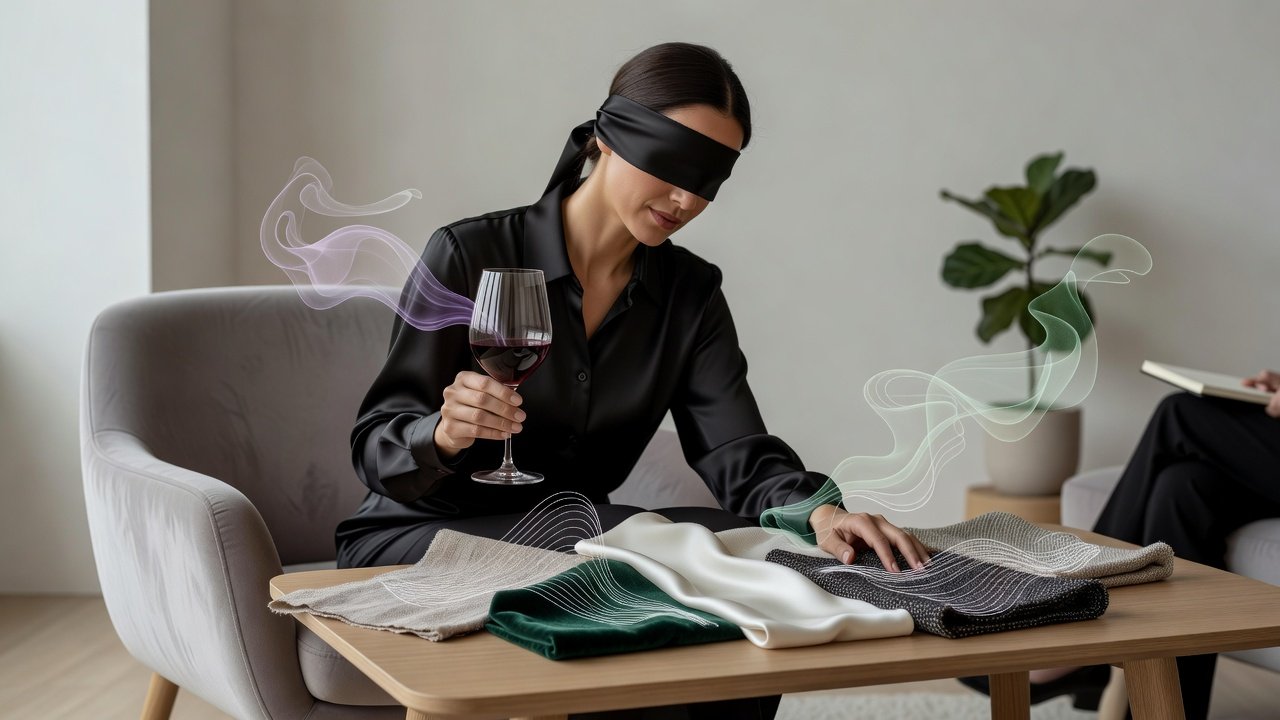
Integrating Multiple Senses in a Single Episode
The most effective sensory interviews combine exercises rather than isolating them. Start with smell, transition into touch associations, and layer sound for atmosphere. This sequential flow keeps momentum high while allowing natural conversation breaks. Preparation involves scripting light prompts that feel conversational instead of rigid instructions, ensuring the episode remains entertaining.
Real-World Examples from Uncorked Conversations Episodes
In one memorable episode, a sommelier guest used touch exercises with velvet and leather swatches to describe a Pinot Noir's texture, leading to animated listener feedback and follow-up social media shares. Another featured soundscapes from a California vineyard, helping remote audiences visualize the setting and sparking dozens of listener-submitted tasting notes. A third episode incorporated layered smell references with everyday kitchen spices, resulting in increased downloads as participants shared their own sensory discoveries. These examples demonstrate how sensory methods differentiate the show from conventional formats by creating shareable, interactive moments that extend beyond the recording.
Comparing Sensory Interviews to Traditional Formats
Traditional wine podcasts rely heavily on verbal descriptions, which can feel passive and one-dimensional. Sensory versions invite active participation, resulting in higher engagement metrics such as longer listen times and more audience interaction. Guests often report feeling more relaxed and expressive because the exercises provide natural talking points. Listeners gain actionable takeaways they can apply immediately, turning one-time listeners into regular participants who return for each new episode.
Listener FAQs on Accessibility and Participation
- Is this suitable for beginners? Yes, exercises are designed to be simple and inclusive, requiring minimal equipment such as household spices or fabric scraps.
- How do visually impaired listeners participate? Focus on smell and sound makes these highly accessible, with clear audio descriptions guiding every step.
- Can I try this without the podcast? Absolutely—start with household items and your favorite bottle to replicate the experience independently.
- What if I have limited space or props? Many exercises use everyday objects like spoons for texture or phone recordings for sound, keeping barriers low.
- Are there age restrictions? Sensory wine interviews are intended for adult listeners of legal drinking age, with non-alcoholic alternatives suggested for broader accessibility.
Tips for Podcasters Adapting These Methods
Start small by adding one exercise per episode to avoid overwhelming guests or listeners. Prepare props in advance and test audio quality thoroughly. Collaborate with sensory experts or sommeliers for authenticity and fresh perspectives. Track listener feedback through surveys or comments to refine future segments. Consider episode pacing by inserting short pauses for audience participation. Resources from the World Health Organization on sensory health can provide additional context for inclusive practices that respect diverse listener needs.
Potential Challenges and How to Overcome Them
Common hurdles include guest hesitation with new formats or technical issues with live sound elements. Overcome these by offering pre-episode briefings and using reliable recording equipment. Another challenge is maintaining episode flow; solve it by scripting flexible transitions that allow organic conversation. Monitoring audience response helps identify which exercises resonate most, allowing iterative improvements over time.
Conclusion: Transforming Conversations One Sense at a Time
Sensory wine interviews represent a powerful evolution for Uncorked Conversations, turning passive listening into active exploration. By embracing smell, touch, and sound, the podcast delivers unparalleled engagement that resonates long after the episode ends. Listeners and hosts alike discover new depths in every pour, creating a community centered on shared sensory discovery and lifelong appreciation for wine.

No comments yet. Be the first!