 Uncorked Conversations
Introduction to Terroir in Wine Conversations
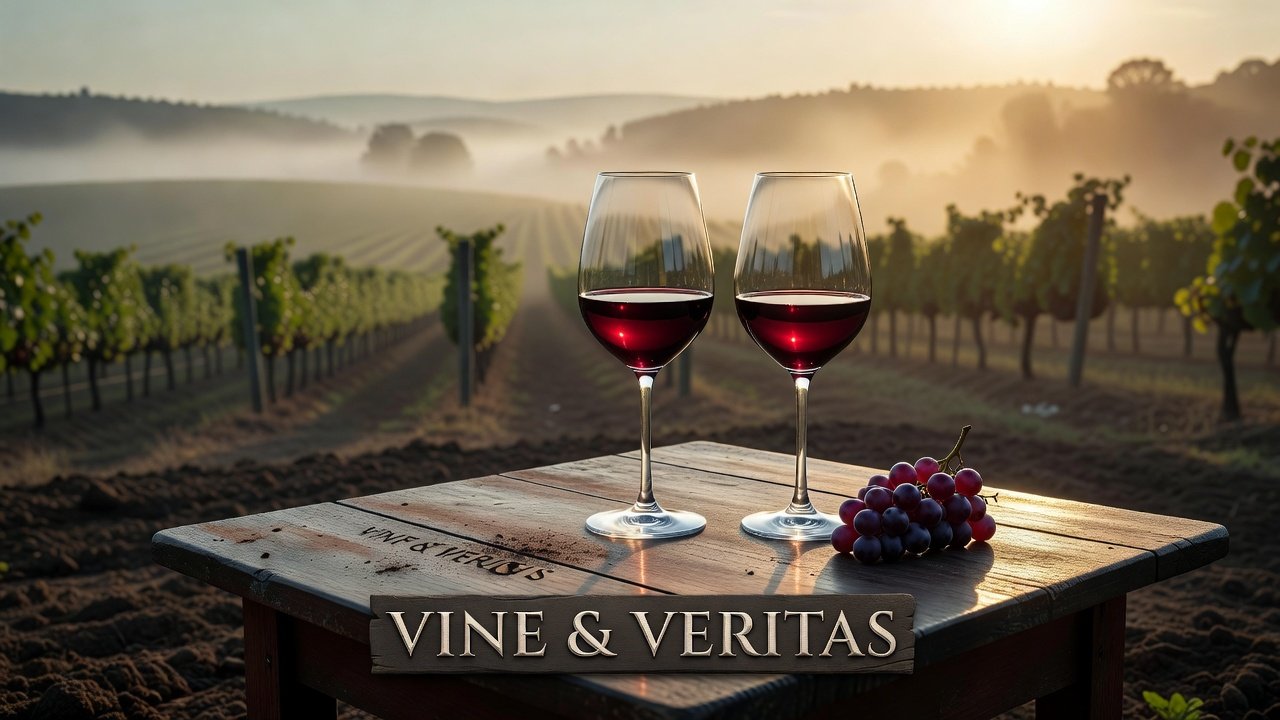
Terroir represents the unique combination of soil, climate, topography, and human influence that shapes every bottle of wine. Uncorked Conversations, a popular podcast series, brings this concept to life through in-depth interviews with winemakers, sommeliers, and viticulturists. Listeners gain regional insights that go far beyond simple tasting notes, uncovering how specific vineyard conditions translate into flavor profiles. The educational focus helps enthusiasts move from basic appreciation to nuanced understanding of why wines from the same grape variety can taste dramatically different depending on their origin.
The show emphasizes educational value for enthusiasts eager to understand why a Pinot Noir from Burgundy tastes distinct from one grown in Oregon. By spotlighting real episodes, the series transforms abstract terroir ideas into tangible listening experiences that listeners can apply during their next wine tasting session or vineyard visit. This approach aligns with broader industry efforts to preserve and communicate site-specific qualities in an era of globalized winemaking.
Spotlighting Soil and Climate in Select Episodes
One standout episode features a Burgundy producer discussing limestone-rich soils that impart minerality to Chardonnay. The guest explains how cool continental climates slow ripening, preserving acidity and allowing subtle earth notes to emerge over time. Another episode travels to the volcanic slopes of Mount Etna, where ash-based soils contribute smoky undertones to Nerello Mascalese, creating wines with distinctive salinity and structure that reflect the island's rugged geology.
These discussions highlight measurable climate data, such as diurnal temperature swings that concentrate sugars and acids while maintaining freshness. Listeners learn to connect specific weather patterns with vintage variations, moving past generic descriptors like "fruity" toward precise regional signatures. Additional episodes cover the gravelly soils of Bordeaux that promote drainage and concentrate flavors in Cabernet Sauvignon, as well as the schist and granite influences in Portugal's Douro Valley that lend complexity to Port wines. Through these detailed conversations, the podcast illustrates how even small differences in elevation or aspect can dramatically alter grape development and final wine character.
Old World Versus New World Terroir Comparisons
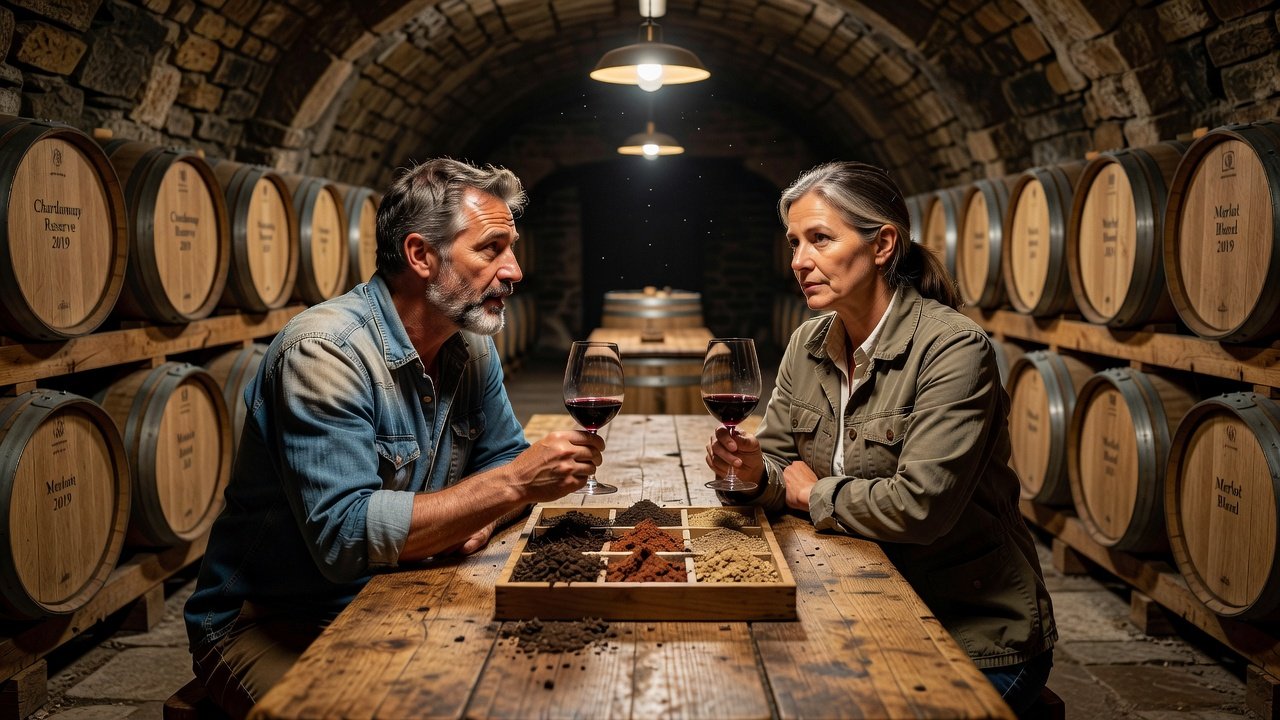
Uncorked Conversations frequently contrasts Old World traditions with New World innovations. In episodes comparing Bordeaux and Napa Valley, guests note how French limestone and maritime influences create structured, age-worthy Cabernet Sauvignon, while California’s alluvial soils and sunny Mediterranean climate produce riper, more approachable styles with prominent black fruit and softer tannins. Similar comparisons appear in episodes on Riesling from Germany’s Mosel versus Australia’s Clare Valley, highlighting how cooler, slate-heavy soils in Europe yield wines with electric acidity and petrol notes, whereas warmer Australian conditions emphasize citrus and floral aromatics.
Listeners hear detailed side-by-side tastings that reveal how Old World restraint often stems from cooler growing seasons and stricter appellation rules. New World expressions, by contrast, frequently showcase bolder fruit due to longer hang times and modern irrigation techniques. These comparisons help enthusiasts appreciate both approaches without favoring one, and the podcast often references resources from organizations like the International Organisation of Vine and Wine to ground discussions in scientific context. Further episodes explore Chile’s coastal influences against South Africa’s Stellenbosch region, demonstrating how ocean breezes and varied soil types create unique expressions even within the New World category.
Practical Steps to Identify Terroir in Your Own Tastings
After listening to the interviews, apply these actionable steps at home to build your sensory skills:
- Start with single-varietal wines from two regions sharing similar grapes but different soils, such as a French and an American Sauvignon Blanc, then systematically compare primary fruit, secondary earth notes, and tertiary development.
- Note baseline aromas, then isolate earth-driven notes such as wet stone or forest floor by using a neutral glass and allowing the wine to breathe for fifteen minutes before reassessing.
- Compare vintages from the same producer to observe climate impacts year to year, paying special attention to how rainfall or heat waves manifest in acidity levels and tannin texture.
- Keep a simple tasting journal recording soil type mentions from podcast episodes alongside your sensory observations, cross-referencing with producer websites for additional technical details like pH levels or harvest dates.
- Join online communities or local tasting groups to discuss findings, which reinforces memory and exposes you to additional perspectives on terroir expression.
These exercises build sensory memory and deepen appreciation for how terroir expresses itself in the glass, turning casual sipping into an educational ritual.
Real Episode Examples and Listener Takeaways
A memorable episode with a Willamette Valley winemaker illustrates how marine air from the Pacific creates fog-cooled mornings that preserve delicate aromatics in Pinot Noir. Listeners reported improved ability to detect similar cool-climate markers in their own tastings after following along with recommended bottles. Another episode features a producer from New Zealand’s Central Otago discussing how schist soils contribute to the vibrant acidity and spice notes in Pinot Gris, providing concrete examples that listeners can replicate with imported wines available at specialty retailers.
Another takeaway involves recognizing human influence within terroir. Guests stress that vineyard decisions, from canopy management to fermentation choices, interact with natural conditions rather than overriding them. This balanced view prevents misconceptions that terroir is purely natural or entirely manipulated, encouraging listeners to consider both nature and nurture when evaluating wines. Many episodes also touch on sustainability practices, showing how organic or biodynamic farming can amplify terroir expression without chemical intervention.
FAQ: Common Misconceptions About Terroir Expression
Does modern winemaking erase terroir?
No. While techniques like oak aging or malolactic fermentation can layer flavors, quality producers use them to enhance rather than mask site-specific characteristics, as discussed in multiple Uncorked Conversations episodes and supported by research from bodies such as the Wine Institute.
Is terroir only about soil?
Soil forms one pillar, but climate, elevation, and aspect play equally vital roles. Episodes often explore how these elements combine to create distinctive regional identities across continents.
Can New World wines truly express terroir?
Yes. Many New World regions now emphasize site-specific bottlings that rival Old World complexity, a point reinforced through comparative interviews on the show that highlight emerging single-vineyard designations.
How does climate change factor into current terroir discussions?
Recent episodes address shifting harvest dates and changing acidity levels due to warmer temperatures, urging listeners to monitor vintage reports for evolving expressions of place.
Conclusion
Uncorked Conversations transforms terroir from a buzzword into an accessible framework through expert wine interviews. By combining scientific explanations, comparative tastings, and practical guidance, the series equips listeners with tools to explore regional nuances independently. Whether you are new to wine or seeking deeper knowledge, tuning into these vino talks reveals the stories hidden in every glass and encourages ongoing exploration of the world’s diverse vineyard landscapes.
No comments yet. Be the first!