 Uncorked Conversations
Introduction: Elevating Podcast Engagement with Seasonal Wine Themes
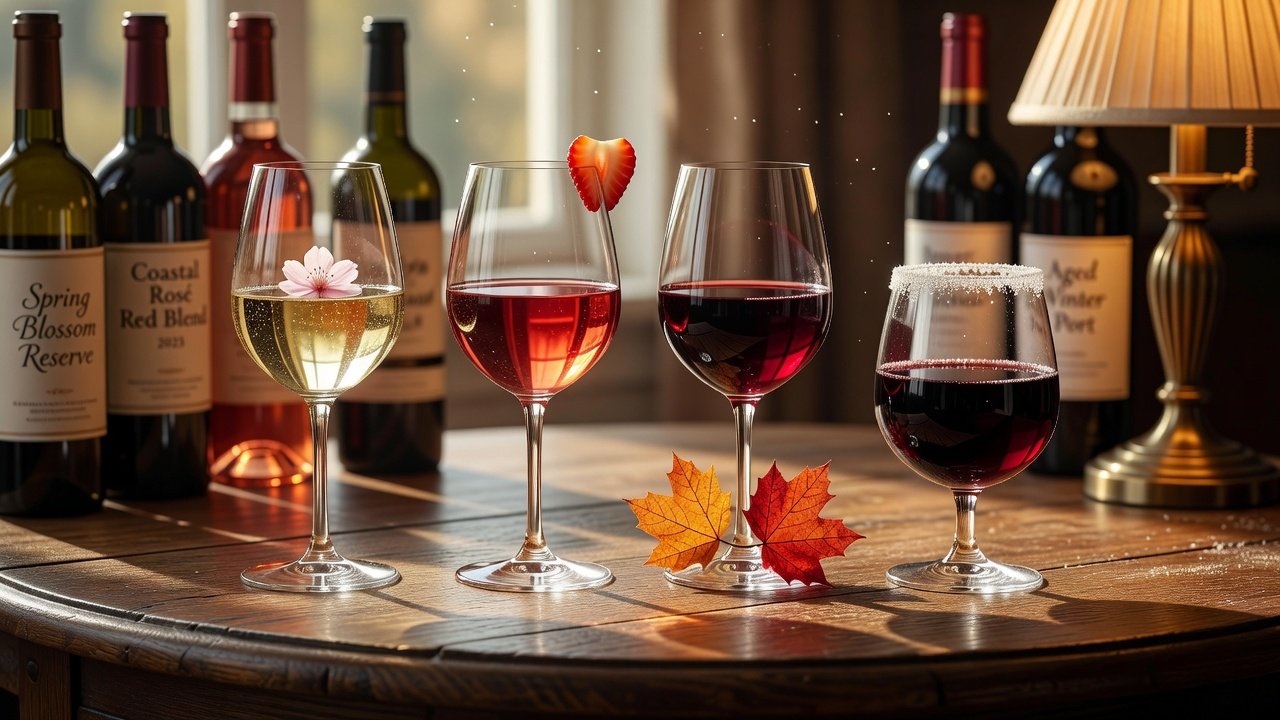
Uncorked Conversations has established itself as a premier destination for wine lovers looking for in-depth discussions and expert insights. In 2026, weaving seasonal wine themes into episodes offers a powerful way to increase listener engagement, foster community, and align content with evolving consumer preferences. This strategy transforms episodic conversations into a cohesive yearly narrative that resonates with audiences seeking timely, relevant wine experiences. By focusing on themes such as spring floral pairings, summer refreshers, autumn harvests, and winter cozy vintages, hosts can differentiate their show from standard interview formats that often feel disconnected and repetitive. The result is higher retention rates, more shareable content, and opportunities to attract new subscribers through targeted seasonal hooks.
Seasonal themes also allow for creative integration of current wine market trends, interactive elements like listener challenges, and strategic guest curation. This article provides comprehensive guidance, including specific episode examples, step-by-step planning processes, comparisons to conventional approaches, and solutions to common production challenges. Whether you are a new host or looking to refresh an established series, these insights will help build a compelling 2026 content calendar.
Aligning Themes with 2026 Wine Market Trends
Understanding the broader wine market is essential for crafting resonant seasonal themes. In 2026, key trends include a surge in demand for sustainable and low-intervention wines, increased interest in low-alcohol and alcohol-free options, and a focus on experiential drinking that connects consumers to terroir and seasons. Reports from Wine Magazine highlight how consumers prioritize wines that reflect seasonal availability and regional authenticity. Similarly, Decanter emphasizes the rise of climate-adaptive viticulture and natural winemaking practices that lend themselves perfectly to seasonal storytelling.
Hosts should monitor these trends quarterly and adjust themes accordingly. For instance, incorporating discussions on regenerative farming during autumn harvest episodes can tap into sustainability interests. This alignment not only educates listeners but also positions the podcast as forward-thinking and authoritative within the wine community.
Spring Floral Pairings for Fresh Episodes
Spring represents renewal and lightness, making it ideal for episodes centered on aromatic whites, delicate rosés, and floral-forward pairings. Specific wine examples include New Zealand Sauvignon Blanc with its vibrant gooseberry and elderflower notes, or Provence rosés that evoke blooming gardens. A sample episode titled "Blooming Bottles: Spring Floral Wine Pairings" could feature a sommelier demonstrating matches with edible flowers like violets in desserts or herb-infused appetizers.
To maximize engagement, include interactive listener challenges such as submitting photos of personal spring pairings via social media. Practical scripting tips involve opening with vivid sensory descriptions of blooming vineyards and closing with actionable takeaway recipes. This seasonal focus creates visual appeal for promotional graphics and encourages repeat listens as audiences anticipate the next theme.
Summer Refreshers: Crisp and Cooling Vintages
Summer calls for vibrant, thirst-quenching wines that combat heat. Themes might explore chilled orange wines, sparkling options, or spritz-style preparations using Vermentino or Albariño. An example episode, "Summer Sippers: Refreshing Wines for Hot Days," could invite mixologists to share techniques for cooling wines without dilution and pairing them with grilled seafood or fresh salads.
Unlike standard interview formats that rely solely on guest Q&A, this approach incorporates live listener polls on favorite summer varietals and follow-up segments featuring submitted stories. Hosts benefit from scripting segments around temperature control science and regional summer harvest impacts, adding educational value that builds loyalty.
Autumn Harvests: Celebrating Abundance
Autumn embodies richness and transition, perfect for bold reds, harvest celebrations, and food-wine synergies. Focus on wines like Oregon Pinot Noir or California Cabernet Sauvignon from recent vintages, emphasizing their connection to grape-picking seasons. A featured episode could be "Harvest Highlights: Autumn Wine Celebrations," where winemakers discuss fermentation processes and pair selections with root vegetables or game dishes.
Implement a scannable list of production steps for maximum impact:
- Research seasonal wine availability through distributor networks at least three months ahead.
- Develop scripting templates that blend tasting notes with personal anecdotes.
- Invite a mix of winemakers, chefs, and regional experts as guests.
- Design listener challenges such as "share your favorite fall pairing" with prizes like virtual tasting kits.
- Track engagement metrics post-episode to refine future themes.
This structured approach ensures consistency while allowing creative flexibility.
Winter Cozy Vintages: Warm and Inviting Discussions
Winter themes evoke comfort with full-bodied options like Syrah, Malbec, or fortified ports suited for fireside settings. Episode concepts such as "Winter Warmers: Cozy Vintages and Fireside Chats" can explore aging techniques and pairings with hearty stews or chocolate desserts. 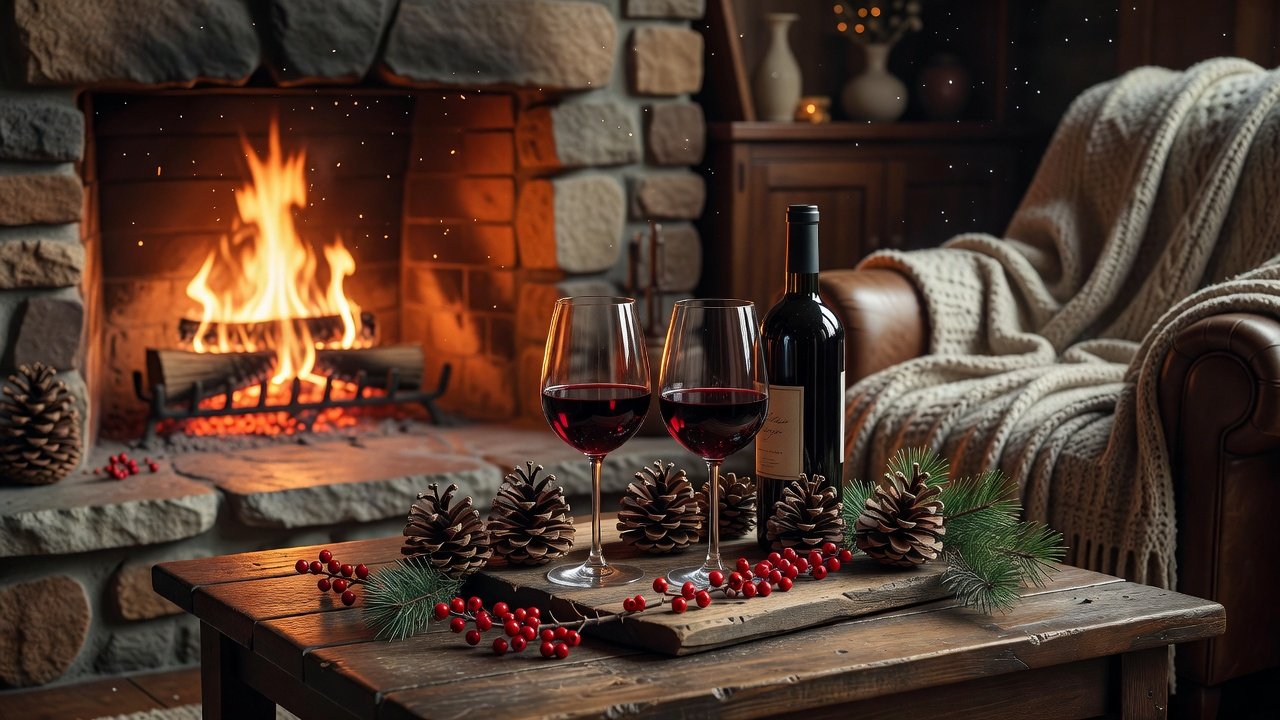
Expand discussions to include practical advice on cellar storage during colder months and how seasonal mood influences wine perception. Listener challenges might involve sharing cozy wine rituals, fostering a sense of community that standard formats rarely achieve.
Guest Selection Strategies for Themed Episodes
Effective guest curation elevates seasonal themes. Prioritize experts with seasonal specialties, such as spring florists who collaborate with vineyards or autumn harvest coordinators. Aim for diversity across episodes: one sommelier, one producer, and one food writer per season. This variety prevents repetition and mirrors real-world wine exploration. Compared to generic interview shows, themed guest lineups create narrative arcs that encourage binge-listening.
Step-by-Step Guidance on Theme Development
Developing themes requires deliberate planning. Begin by brainstorming seasonal hooks tied to 2026 trends like sustainability. Next, outline full episode structures with dedicated scripting templates for openings, tastings, and closings. Incorporate at least two interactive listener challenges per season. Test preliminary ideas with small focus groups of existing listeners for feedback. Finally, map the entire year on a content calendar to ensure balanced coverage across all four seasons.
Content Scripting and Promotion Tactics
Scripting should open with evocative seasonal imagery and weave in educational segments. Promotion tactics include teaser clips on Instagram highlighting key wines, email newsletter campaigns with episode previews, and partnerships with wine clubs for cross-promotion. Utilize SEO-optimized episode titles and descriptions incorporating keywords like "seasonal wine pairings 2026." Measure success through download spikes and social shares to iterate effectively.
Comparisons to Standard Interview Formats
Standard interview formats often deliver standalone conversations lacking thematic continuity, leading to lower retention over time. Seasonal themes, by contrast, build anticipation and community around a shared calendar. They enable richer multimedia content, such as seasonal playlists or visual pairing guides, and support higher engagement through challenges. Data from podcast analytics platforms consistently shows themed series outperform episodic ones in listener loyalty metrics.
FAQ: Addressing Common Production Hurdles
How do I source seasonal wines reliably? Establish relationships with local distributors early and maintain a rolling six-month inventory plan to account for vintage variations.
What if trends shift mid-year? Build modular scripts with flexible segments that allow quick pivots to emerging topics like new low-alcohol releases without derailing the overall season arc.
How to handle listener challenge submissions? Create dedicated social media channels or forms, moderate entries for relevance and safety, and feature top submissions in dedicated wrap-up episodes.
Is additional equipment needed for seasonal tastings? Basic tools like proper glassware and temperature control devices suffice; focus resources on guest quality instead.
How long should each themed episode run? Target 45-60 minutes to balance depth with listener attention spans, allocating time for challenges and Q&A.
Conclusion: Building a Year-Round Strategy
Integrating seasonal wine themes into Uncorked Conversations throughout 2026 creates a dynamic, engaging podcast that stands out in a crowded space. By combining market awareness, detailed planning, interactive elements, and thoughtful promotion, hosts can cultivate deeper listener connections and sustained growth. Begin outlining your 2026 calendar today to turn every season into an opportunity for memorable conversations.
No comments yet. Be the first!