 Uncorked Conversations
Why VR Elevates Wine Podcasts and Interviews
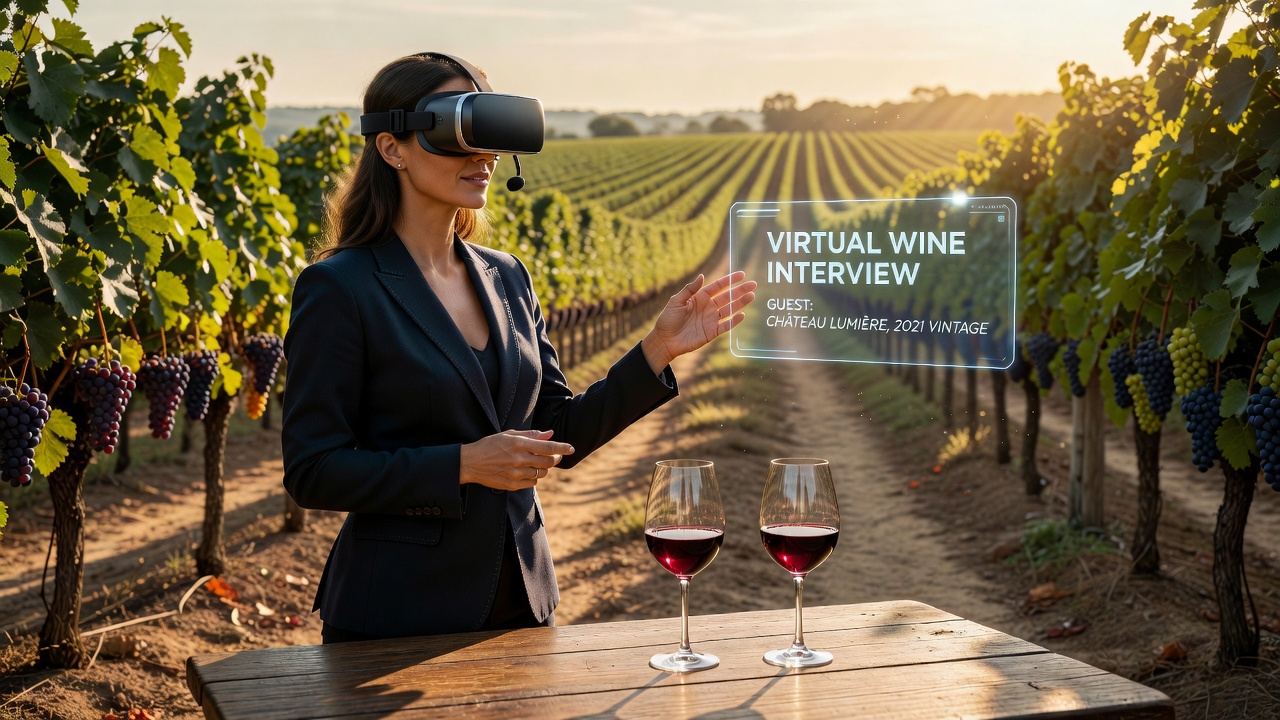
Wine enthusiasts crave deeper connections with vineyards, winemakers, and tasting experiences. Traditional audio formats on shows like Uncorked Conversations deliver excellent conversations, yet virtual reality adds layers of immersion that transform passive listening into active participation. By 2026, VR adoption in niche podcasts continues to grow as listeners seek multisensory engagement beyond sound alone. This technology allows hosts to recreate the visual and spatial elements of a vineyard visit, making descriptions of soil types, grape varieties, and fermentation processes more vivid and memorable.
Integrating VR allows hosts to transport audiences directly into sunlit Tuscan hills or cool cellars in Napa. This approach strengthens emotional bonds with the content while differentiating a wine podcast from competitors still limited to audio-only formats. Listeners report feeling more connected to the stories behind each bottle when they can visually explore the environment where the wine was produced. For wine interviews specifically, VR turns abstract tasting notes into tangible experiences, helping newcomers understand concepts like terroir through direct visual context.
Choosing the Right VR Platforms for Wine Interviews
Start by evaluating hardware and software ecosystems that support live or recorded 360-degree interactions. Popular options include Meta Quest headsets paired with streaming tools that enable remote guests to appear in shared virtual spaces. Consider platforms with strong spatial audio capabilities so that descriptions of terroir and oak aging feel spatially accurate. Additional considerations involve compatibility with podcasting software such as Audacity or Adobe Audition for post-production mixing of spatial tracks.
Key factors include ease of recording, compatibility with existing podcast microphones, and export options for both VR and standard audio listeners. Test multiple setups during pre-production to ensure seamless transitions between immersive segments and traditional narration. For example, some hosts use browser-based platforms like VRChat or custom Unity environments to host virtual tastings where guests can interact with 3D models of wine bottles while discussing vintage details. Always verify that the chosen platform supports high-resolution output to maintain visual fidelity during vineyard scenes.
Sourcing Authentic 360-Degree Vineyard Footage
High-quality visuals form the foundation of any VR wine experience. License professional 360-degree footage from vineyard tourism archives or partner directly with estates that already produce virtual tours. Supplement static environments with custom captures using affordable 360 cameras during on-site visits. Research local regulations around drone usage if capturing aerial views of rolling hills or terraced vineyards, as many regions require permits for such equipment.
When filming interviews, position the camera to capture both the winemaker and surrounding landscape. This technique lets listeners feel present at the barrel tasting or harvest discussion without leaving their homes. Collaborate with regional wine associations to access exclusive locations, and consider seasonal timing to showcase changes in foliage or harvest activity that enhance the storytelling in wine interviews.
Step-by-Step Setup Guide for Immersive Episodes
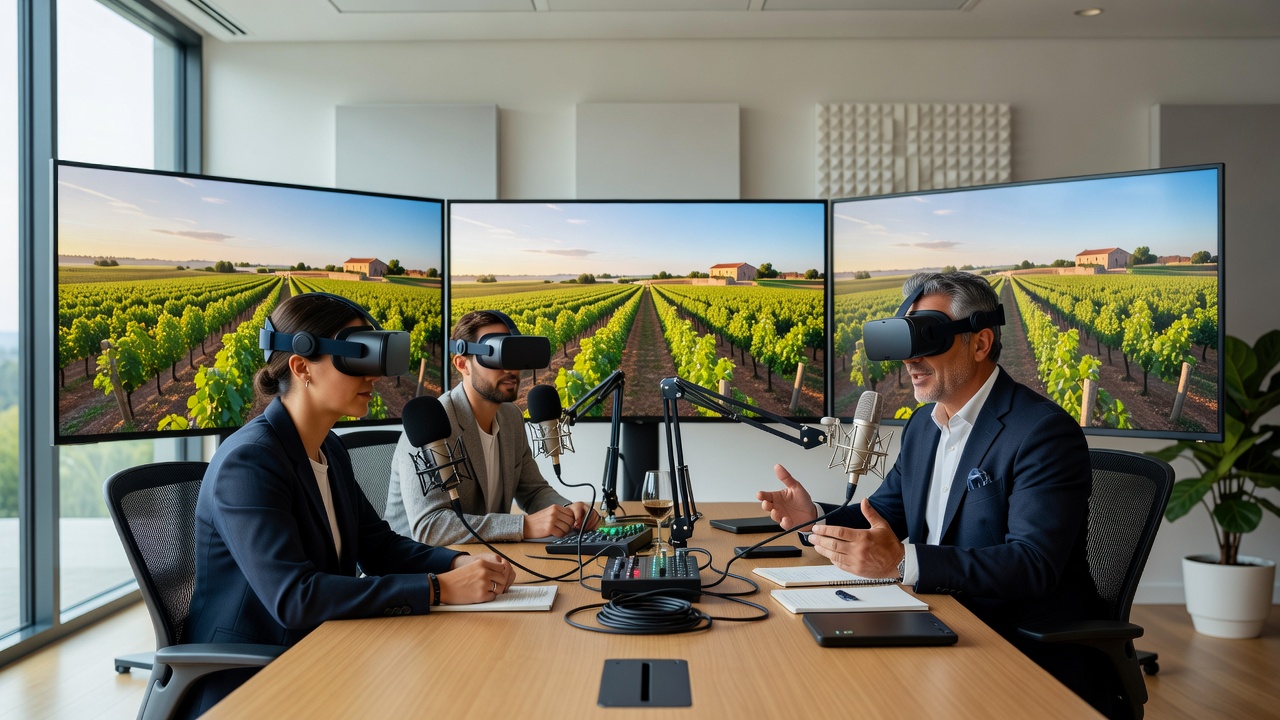
Creating a VR-enhanced episode requires careful planning across multiple phases. Begin with pre-production planning where you outline the narrative flow, deciding which segments benefit most from visual immersion versus pure audio discussion. Next, assemble your technical team or consultants familiar with 360 video stitching software such as Adobe Premiere or specialized tools like Kolor Autopano.
- Prepare your recording space with neutral lighting and minimal background noise to avoid distractions in the final VR render.
- Calibrate VR headsets and confirm spatial audio tracks align with video layers using calibration apps provided by headset manufacturers.
- Import 360 footage into editing software that supports equirectangular projections, then layer in guest audio with precise timing.
- Record wine interviews with guests wearing lightweight headsets while maintaining clear vocal separation through directional microphones.
- Conduct multiple test renders to check for stitching errors or audio sync issues before final export.
- Export dual versions: one optimized for VR headsets and one standard MP3 for broader accessibility across all devices.
Post-production also involves color grading the 360 footage to match the mood of the conversation and adding subtle interactive hotspots that allow listeners to click and explore different parts of the vineyard during playback.
Measuring Audience Engagement and Growth Metrics
Track completion rates, repeat listens, and social shares separately for VR versus audio episodes. Early adopters of immersive wine interviews report higher dwell times when listeners explore virtual environments during playback. Compare these figures against traditional episodes to quantify the added value of VR integration. Tools like Google Analytics combined with podcast hosting platforms such as Buzzsprout or Libsyn provide detailed breakdowns of listener behavior.
Use platform analytics to monitor headset-specific traffic and gather qualitative feedback through listener surveys focused on perceived immersion. Consider A/B testing episodes where one version includes VR elements and another remains audio-only to isolate the impact on engagement. Over time, these metrics help refine future productions and demonstrate ROI to potential sponsors interested in innovative wine podcast formats.
Comparing VR Wine Talks to Traditional Audio Formats
Audio-only wine podcasts excel at portability and low barriers to entry. VR versions demand more technical setup yet deliver richer sensory context that enhances descriptions of acidity, tannins, and aroma profiles. Many listeners consume both formats depending on context, making hybrid distribution the most effective strategy for Uncorked Conversations. A side-by-side comparison reveals that VR excels in educational depth while audio remains superior for quick commutes or background listening.
- Portability: Audio wins for mobile users; VR requires dedicated hardware and space.
- Immersion level: VR provides visual and spatial cues absent in audio.
- Production time: Traditional formats require less editing and technical troubleshooting.
- Audience reach: Hybrid releases maximize accessibility across demographics.
Real-World Examples from Similar Wine Podcasts
Several forward-thinking shows have experimented with VR vineyard visits to accompany wine education content. These experiments demonstrate how visual context deepens appreciation during discussions of single-varietal expressions and aging techniques. National Geographic has also produced extensive virtual travel experiences that wine podcasters can reference for production inspiration. Additional case studies from European wine regions show successful integration of live VR sessions during harvest season, allowing remote audiences to participate in real-time grape stomping events paired with expert commentary.
Frequently Asked Questions
What are typical costs involved in adding VR to a wine podcast?
Costs vary widely based on equipment quality and production frequency. Hosts often begin with mid-range headsets and shared 360 libraries before investing in custom filming. Always budget for ongoing software subscriptions and potential travel for authentic footage.
How accessible is VR content for listeners without headsets?
Provide standard audio and 2D video versions alongside VR releases. This ensures every audience segment can enjoy wine interviews regardless of device ownership.
What common technical issues arise during VR recordings?
Latency between audio and 360 video, overheating headsets during long sessions, and synchronization challenges with remote guests represent frequent hurdles. Conduct thorough test runs and maintain backup audio tracks to resolve problems quickly.
Overcoming Common Challenges in VR Wine Podcast Production
One frequent obstacle involves maintaining guest comfort during extended VR sessions, which can be addressed by scheduling shorter segments with breaks. Another challenge lies in ensuring consistent internet speeds for live remote interviews, so always have offline recording backups ready. Hosts should also stay updated on evolving VR standards to future-proof their content libraries against format changes expected in the coming years.
Conclusion: The Future of Immersive Vino Talks
Integrating VR into Uncorked Conversations positions the show at the forefront of wine podcast innovation. By focusing on practical platform choices, quality footage, and hybrid distribution, creators can deliver memorable experiences that deepen listener appreciation for wine culture in 2026 and beyond.
No comments yet. Be the first!