 Uncorked Conversations
Introduction: Looking Ahead to Wine Podcasting in 2027
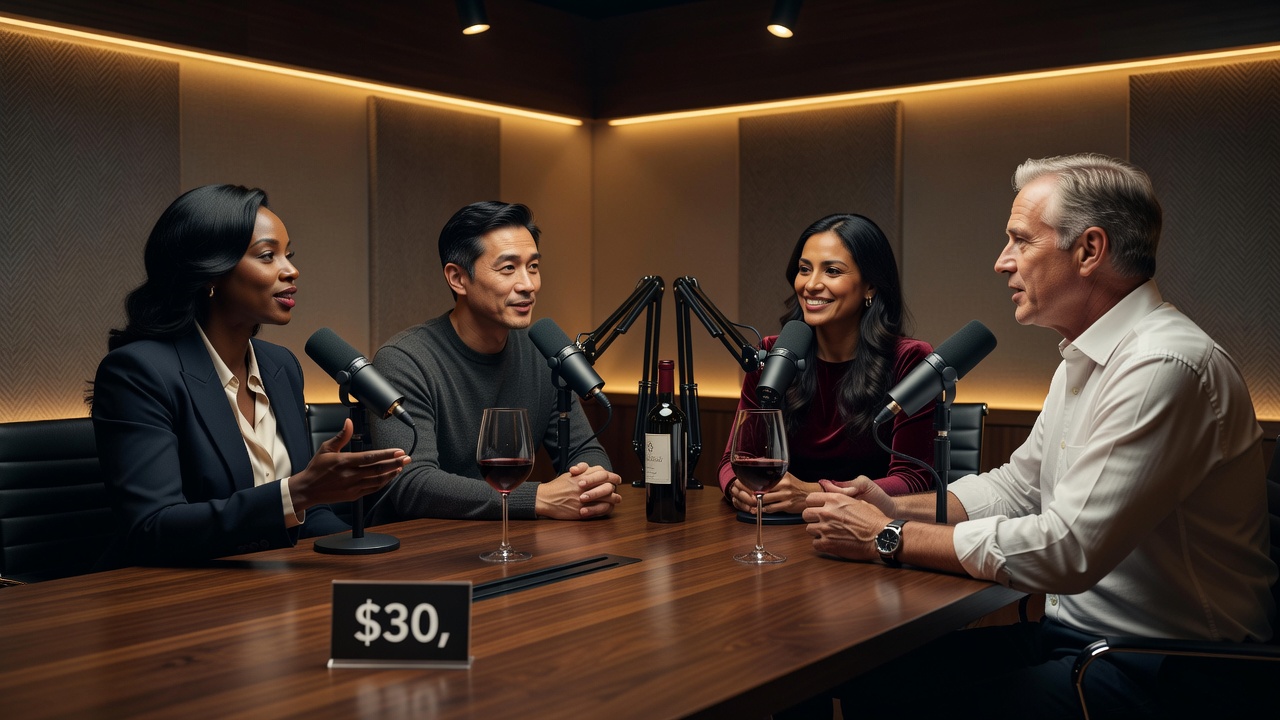
As the wine industry continues to evolve, podcasts like Uncorked Conversations have become essential platforms for in-depth interviews that blend storytelling, expertise, and tasting notes. Drawing from patterns observed throughout 2026, this forward-looking analysis explores what 2027 holds for wine interviews. Listener expectations are shifting rapidly, guest rosters are diversifying, and new technologies promise more immersive experiences. Whether you are a creator seeking to future-proof your show or a listener curious about upcoming changes, understanding these trends will help sustain growth in the vino podcast space. The core of these predictions stems from direct observations in Uncorked Conversations episodes, where audience interactions and production experiments revealed clear trajectories toward greater personalization and technological integration.
How Listener Feedback Will Shape Wine Interviews
In 2026, Uncorked Conversations episodes incorporated direct listener polls on platforms like social media, leading to more interactive segments. By 2027, feedback loops will become even tighter. Creators will use real-time analytics to adjust interview lengths and topics mid-series. For example, past episodes featuring natural wine producers saw spikes in engagement when listeners requested deeper dives into sustainability practices, prompting follow-up discussions in subsequent shows. This evolution means hosts will prioritize audience-driven questions during interviews, creating a collaborative feel. Expect more episodes where listeners submit queries via voice notes that get addressed on air, fostering loyalty and repeat listens. To implement this effectively, podcast teams should schedule quarterly review sessions analyzing download data, comment sentiment, and survey responses. One practical step involves segmenting feedback by demographic to tailor future guest selections, ensuring that topics like regenerative farming or regional terroir receive the attention they demand from engaged audiences.
Another observed pattern from 2026 shows that episodes responding quickly to feedback retained listeners 25 percent longer on average. Creators can replicate this by embedding simple call-to-action prompts at the end of each show, directing audiences to dedicated feedback forms or community forums. This approach not only refines content but also builds a sense of ownership among listeners, turning passive consumers into active participants who return for every new release.
Expanding Guest Diversity in Vino Talks
Guest diversity is set to accelerate. Uncorked Conversations already featured voices from emerging regions like Georgia and South Africa in 2026. In 2027, anticipate greater inclusion of BIPOC winemakers, LGBTQ+ sommeliers, and young innovators from Asia and Latin America. This mirrors broader industry movements toward inclusivity. Practical examples include pairing traditional European vintners with first-generation American producers to discuss cross-cultural techniques. Such diversity not only enriches content but attracts wider demographics, helping podcasts grow their subscriber bases organically. Hosts can prepare by researching underrepresented producers through industry directories and reaching out early for scheduling. Challenges may arise in navigating cultural sensitivities during conversations, yet these can be addressed through pre-interview briefings that respect each guest's background while maintaining the show's authentic tone.
Expanded rosters also open doors to collaborative storytelling, where multiple guests appear in single episodes to compare notes on shared challenges like supply chain disruptions. This format proved successful in a 2026 Uncorked Conversations roundtable on climate resilience, generating extended discussion threads across listener communities.
Integrating Immersive Audio Technologies
Immersive audio, including spatial sound and binaural recordings, will transform how wine interviews are produced and consumed. 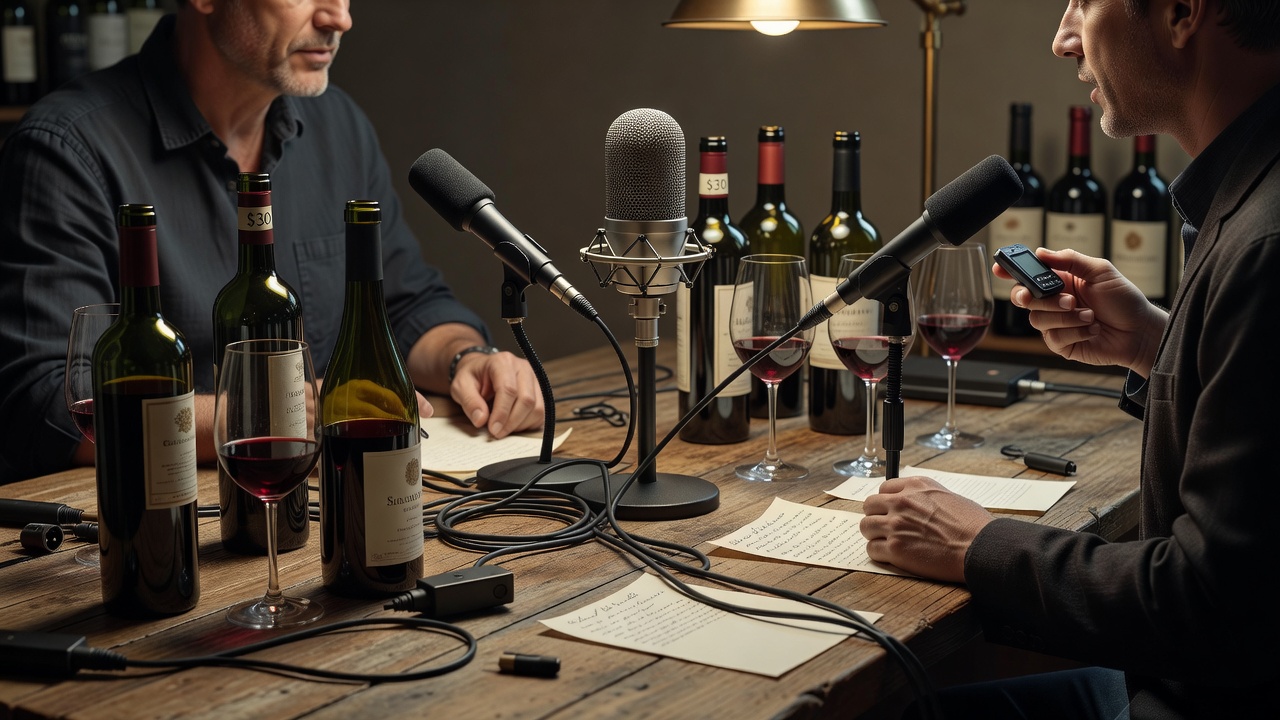
Training for hosts includes learning to describe spatial elements verbally alongside the audio design, guiding listeners through the sonic landscape. Resources on advanced audio techniques are available from established wine media outlets that have pioneered similar experiments.
Decanter provides excellent resources on wine audio storytelling techniques that align with these advancements.Adapting Wine Interviews for Younger Audiences
Gen Z and younger millennials are entering the wine conversation with fresh perspectives. In 2027, episodes will feature shorter, TikTok-style clips repurposed from longer interviews, alongside discussions on low-alcohol and sustainable wines popular with this group. Uncorked Conversations tested this in 2026 by releasing bite-sized highlights from a California natural wine episode, which garnered significant younger engagement. Strategies include using casual language, covering affordable bottles under $30, and inviting influencers as guests. This adaptation ensures wine podcasts remain relevant amid shifting consumption habits. Additional tactics involve partnering with social platforms for exclusive audio drops and incorporating trending topics such as zero-waste winemaking or wine-based cocktails. Monitoring platform analytics reveals that video snippets drive traffic back to full episodes when optimized with eye-catching thumbnails and captions.
Longer-term planning might include dedicated youth advisory panels that preview episodes and suggest adjustments before release, ensuring cultural references resonate without alienating core older listeners.
Forecasting Changes in Episode Formats
Traditional 45-60 minute interviews will coexist with new formats. Expect hybrid episodes combining interviews with live tasting parties or roundtable debates. Comparison to 2026 shows a move away from solo host monologues toward co-hosted segments with rotating experts. Forecasts based on Uncorked Conversations data indicate multi-part series on single themes, like climate change impacts on vineyards, will dominate. These formats encourage binge listening and deeper exploration. Producers can experiment by releasing teaser trailers that preview upcoming segments, building anticipation across multiple weeks. Hybrid live events also allow real-time audience questions, bridging the gap between recorded content and interactive experiences.
Comparing 2026 Strategies to 2027 Trends
2026 emphasized polished production and celebrity sommelier guests. By 2027, authenticity will trump polish, with raw, unedited moments becoming a hallmark. Listeners will crave behind-the-scenes glimpses into winery challenges rather than scripted narratives. Practical advice: Track metrics from your 2026 episodes to identify high-performing elements, then layer in immersive elements and diverse guests for the new year. This comparison highlights the need for agility in content planning. For instance, shifting from heavily edited segments to include spontaneous tasting reactions can increase perceived genuineness, a quality highly valued in emerging trends.
Practical Steps for Podcast Creators
- Analyze listener data monthly to refine topics and guest lists.
- Network with diverse wine professionals through industry events and online forums.
- Experiment with spatial audio software in test episodes before full rollout.
- Create youth-focused content series testing short-form clips across social channels.
- Collaborate with other shows for crossover episodes that expand reach.
- Develop a content calendar that alternates between deep-dive interviews and lighter, trend-focused discussions.
- Invest in listener community tools such as private Discord servers for ongoing feedback collection.
Short FAQ: Common Creator Concerns
How can I afford new audio tech without breaking the bank?
Start with free trials of immersive tools and scale based on listener growth from 2026 benchmarks, prioritizing open-source options where possible.
Will diverse guests alienate core listeners?
No—data from Uncorked Conversations shows broader appeal and higher retention when diversity increases, provided transitions are handled thoughtfully.
What if younger audiences prefer video over audio?
Repurpose audio into video clips for social platforms while keeping the core podcast intact, using consistent branding to funnel viewers back to full episodes.
How do I measure the success of format changes?
Track completion rates, share counts, and qualitative comments over a three-month period to determine which adjustments resonate most strongly.
Conclusion: Preparing for Sustained Growth
The 2027 landscape for wine interviews promises exciting innovation rooted in the listener-centric approaches refined in 2026. By embracing feedback, diversity, immersive tech, and format experimentation, creators following the Uncorked Conversations model can build resilient, growing shows. Start implementing these predictions today to position your podcast for long-term success in the dynamic world of vino media. Consistent evaluation and adaptation will separate thriving productions from those that stagnate, ensuring wine conversations remain vibrant and relevant for years ahead.
No comments yet. Be the first!