 Uncorked Conversations
Introduction to Uncorked Conversations and Emerging Winemakers
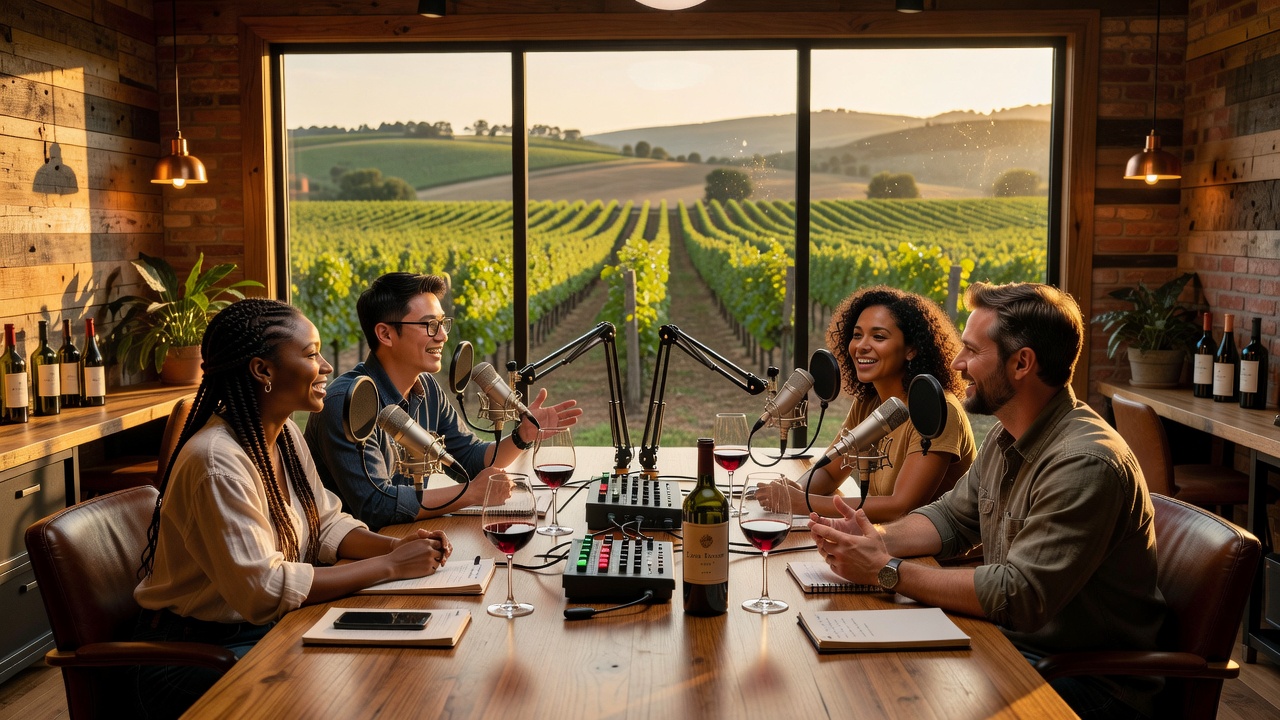
Uncorked Conversations stands out in the crowded wine podcast landscape by focusing on up-and-coming voices rather than established industry giants. Listeners searching for fresh perspectives on winemaking turn to this series for in-depth vino talks that reveal personal stories, innovative techniques, and the passion driving new producers. The podcast fills a clear gap by moving beyond mainstream labels to highlight winemakers who are reshaping regions and styles with creativity and sustainability in mind. Over multiple seasons, the show has built a loyal audience by prioritizing authentic storytelling over commercial promotion, creating episodes that feel like intimate conversations over a shared bottle. This approach resonates strongly with listeners who want more than tasting notes; they seek the human elements behind each vintage, including the risks taken, lessons learned from failed harvests, and the cultural contexts that shape each bottle.
Whether you are a casual enthusiast or a dedicated collector, these episodes offer inspiration and practical discovery. This article profiles three standout guests, outlines their journeys in detail, suggests bottles worth seeking, and provides actionable steps to explore more episodes while connecting listeners to broader resources for ongoing education.
Why Listeners Seek Fresh Voices in Wine Podcasts
Traditional wine media often centers on legacy estates with decades of recognition and large marketing budgets. In contrast, emerging winemakers bring new approaches to terroir expression, climate adaptation, and minimal-intervention methods that reflect current environmental challenges. Uncorked Conversations taps into this demand by featuring producers who started small, often with limited resources, yet achieved notable recognition within a few vintages. Search intent around this topic typically includes curiosity about career pivots into winemaking, advice for aspiring vintners, recommendations for bottles that represent the next wave of quality, and insights into how younger producers navigate supply chain issues or changing consumer preferences. Many listeners also want to understand regional shifts, such as how climate change is prompting experimentation with drought-resistant varieties or how social media has allowed small producers to build direct communities without traditional distributors.
Profile 1: Elena Vargas from the Willamette Valley
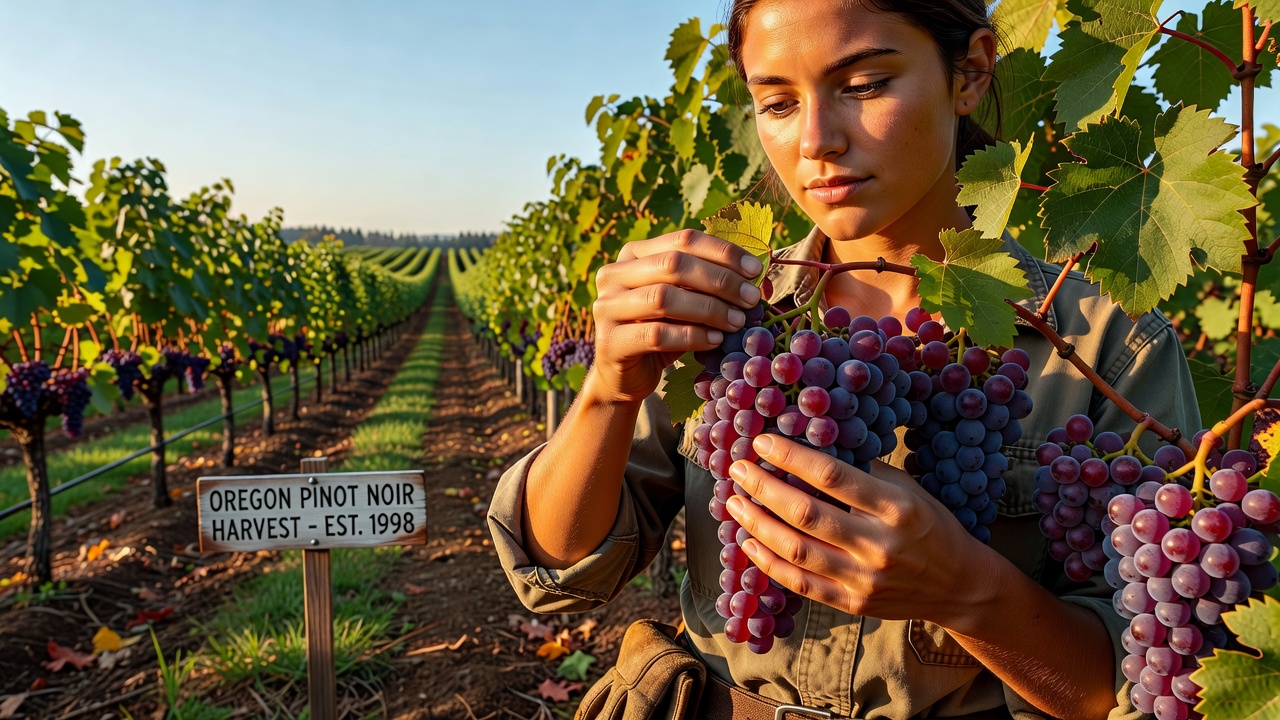
Elena Vargas transitioned from a career in environmental science to founding a boutique winery in Oregon. Her episode details how soil health and biodiversity became central to her process after witnessing the impacts of conventional farming during field research projects. Listeners learn about her decision to adopt regenerative practices early on, resulting in vibrant Pinot Noirs that express the unique volcanic soils of her site. She discusses specific challenges like managing cover crops during wet winters and the trial-and-error process of selecting native yeast strains that enhance fruit purity without added sulfites. The conversation also covers her collaborations with local universities to study microbial life in the vineyard, providing listeners with a deeper appreciation for science-backed winemaking. Beyond technical details, Elena shares personal anecdotes about balancing motherhood with harvest seasons and building a team of seasonal workers who share her values.
Recommended bottle: Vargas Estate Pinot Noir 2023, noted for its bright cherry and earth notes with balanced acidity that pairs well with roasted vegetables or grilled salmon.
Profile 2: Marco Rossi from Sicily
Marco Rossi left a family olive oil business to experiment with ancient grape varieties on the slopes of Mount Etna. In his interview, he explains reviving nearly forgotten vines using traditional foot-treading methods combined with modern temperature control to preserve delicate aromatics. The conversation explores challenges like volcanic ash soils that require careful irrigation planning and the rewards of low-yield farming that produces concentrated, mineral-driven wines capable of aging gracefully for a decade or more. Marco also highlights partnerships with local ceramic artisans for custom amphorae that impart subtle texture to his reds and whites. Listeners gain practical takeaways on how small-scale producers can leverage heritage techniques while incorporating data from weather stations to mitigate extreme weather events common in the region.
Recommended bottle: Rossi Etna Rosso 2024, praised for its smoky cherry and herbal complexity that shines alongside tomato-based pastas or aged cheeses.
Profile 3: Aisha Patel from South Africa’s Swartland
Aisha Patel, a former chef, started her label after falling in love with Chenin Blanc during a harvest internship that exposed her to the grape’s versatility. Her story emphasizes cross-cultural influences and community-supported agriculture models that allow her to share profits with neighboring farms. The episode covers her experiments with skin-contact whites that develop orange hues and nutty flavors, along with the importance of building direct relationships with restaurants and wine clubs to bypass traditional retail markups. Aisha also talks about navigating post-pandemic logistics, including how she adapted her tasting events to virtual formats that reached international audiences. Her journey illustrates the growing role of chefs-turned-winemakers who bring culinary precision to blending decisions.
Recommended bottle: Patel Swartland Chenin Blanc 2023, featuring notes of apricot, honey, and fresh herbs that complement spicy curries or soft cheeses.
Listener Takeaways and Inspiration
Across these episodes, common themes emerge: persistence through early setbacks such as equipment failures or unexpected frost, the value of mentorship from established growers who generously share knowledge, and a commitment to storytelling that connects consumers directly to the vineyard. Listeners often report feeling motivated to seek out smaller producers at local shops or plan visits to emerging regions during travel. These stories underscore that success in winemaking today blends technical skill with authentic personal narrative, encouraging audiences to move beyond familiar brands and support biodiversity through their purchasing choices. One recurring piece of advice is to keep tasting journals that note not only flavors but also the producer’s backstory for more meaningful appreciation.
Steps to Discover Similar Episodes
- Search your preferred podcast platform using keywords like “emerging winemaker” or “Uncorked Conversations new producers” and sort results by release date to prioritize recent conversations.
- Follow the show’s social channels for guest announcements, behind-the-scenes clips, and occasional live Q&A sessions that deepen engagement with featured winemakers.
- Subscribe to the newsletter for curated episode highlights, downloadable tasting notes, and seasonal pairing suggestions that extend the listening experience.
- Join listener communities on forums or dedicated wine apps to discuss standout bottles, trade recommendations, and organize group tastings inspired by specific episodes.
- Explore related series from established platforms to broaden your exposure to new voices while cross-referencing production values and interview depth.
For authoritative background on global wine regions and trends, consult resources such as Wine Institute, Decanter, and Wine Enthusiast.
How to Support Emerging Winemakers Beyond Listening
After enjoying these episodes, listeners can take concrete actions such as purchasing directly from winery websites when available, attending virtual or in-person tastings hosted by the producers, or following their social media for updates on upcoming vintages. Another effective step involves requesting specific bottles at local wine retailers, which helps create demand and shelf space for small labels. Many listeners also contribute by writing reviews on retail sites or sharing episode links within their networks, amplifying reach without additional cost.
Frequently Asked Questions
How can I access Uncorked Conversations episodes?
Episodes are available on major platforms including Apple Podcasts, Spotify, and the show’s official website. New releases typically drop bi-weekly, with bonus content occasionally released for subscribers.
Are transcripts provided for the interviews?
Yes, full transcripts accompany each episode on the website, making it easy to reference specific winemaking details or bottle recommendations during personal tastings or study sessions.
Can I suggest a winemaker for a future episode?
The production team welcomes listener submissions through a dedicated form on their site, with selections based on storytelling potential and regional diversity to maintain balanced coverage.
Does the podcast offer companion tasting kits or merchandise?
Seasonal tasting kits featuring bottles from featured guests are occasionally available through partner retailers, though availability varies and is announced via the newsletter.
Are there live events tied to the podcast?
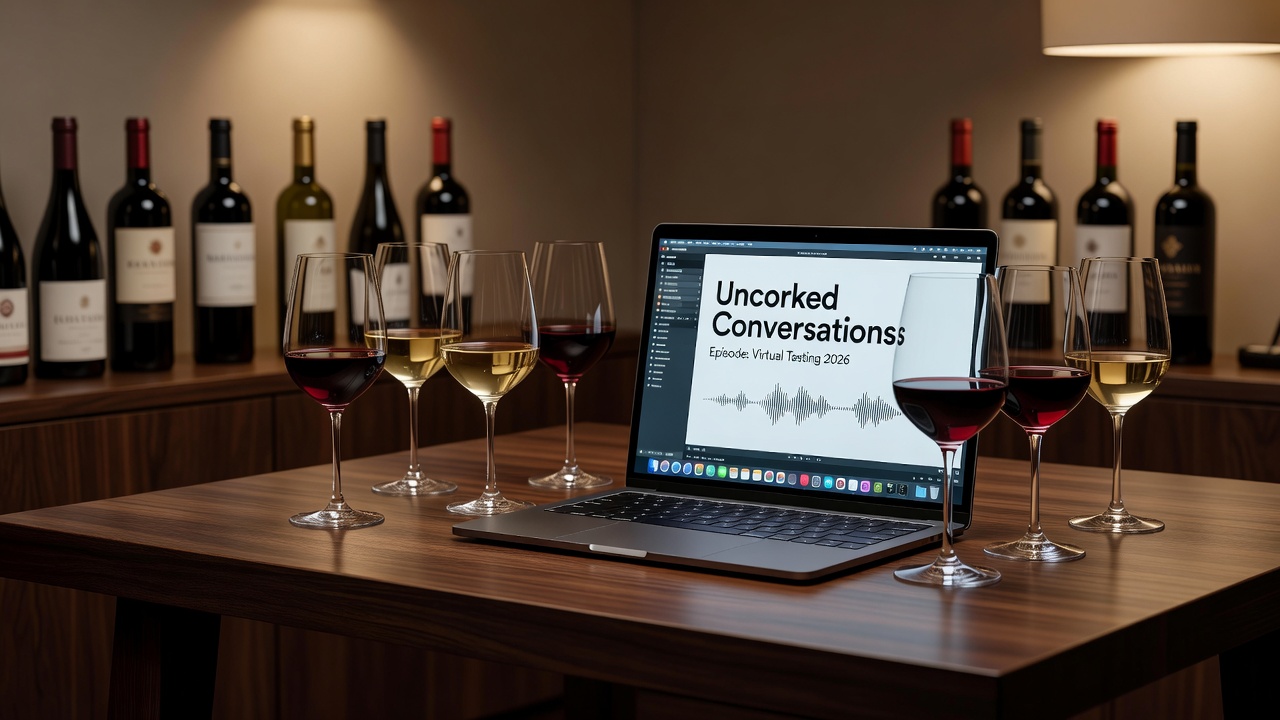
Yes, the team hosts occasional virtual tastings and regional meetups that allow listeners to connect directly with past guests and sample wines discussed in episodes.
Conclusion
Uncorked Conversations continues to deliver meaningful discovery by centering the next generation of winemakers. By tuning in, listeners gain both inspiration and concrete guidance for expanding their palates and supporting innovative producers. Start with the featured episodes highlighted here and continue exploring to uncover your next favorite bottle and story, building a more diverse and informed appreciation for the evolving world of wine.
No comments yet. Be the first!