 Uncorked Conversations
Introduction: Starting Your Wine Podcast Journey
Launching a wine podcast in 2026 offers an exciting opportunity to share your passion for vino while building a dedicated audience. Drawing from the format of Uncorked Conversations, this guide provides actionable steps for beginners and intermediate hosts. Whether you're a sommelier or an enthusiast, you'll discover how to select a compelling niche, find engaging guests, choose affordable gear, and grow your show effectively. The world of wine podcasts continues to expand, with listeners seeking authentic conversations about terroir, winemaking processes, and personal journeys behind each bottle. By modeling your approach after successful shows like Uncorked Conversations, you can create content that educates, entertains, and fosters a community of wine lovers.
Selecting the Right Niche for Your Wine Talks
Choosing a focused niche is essential for standing out in the crowded podcast space. Uncorked Conversations succeeds by blending tasting notes with personal stories from winemakers. Consider niches like natural wine explorations, regional spotlights on lesser-known areas, or pairing advice for home cooks. Research listener interests through social media trends and forums to ensure your topic resonates. A narrow focus helps attract loyal listeners who return for every episode. For example, instead of covering all wine types broadly, zero in on organic and biodynamic practices or the emerging trends in sustainable packaging within the industry. This specificity allows you to position yourself as an expert and encourages deeper listener engagement over time. Practical steps include analyzing competitor podcasts, surveying your social media followers about preferred topics, and testing episode ideas with a small pilot group before committing fully.
Sourcing Guests for Compelling Wine Interviews
Great interviews drive engagement. Reach out to local winemakers, importers, and sommeliers via LinkedIn or industry events. Prepare thoughtful questions that go beyond basic tasting notes to uncover stories about terroir, challenges in viticulture, and future trends. Start with smaller guests to build your portfolio before approaching bigger names. Always confirm availability early and offer flexible recording times to accommodate busy schedules. To source effectively, maintain a spreadsheet of potential contacts categorized by expertise level and wine region. Attend virtual tastings or join wine professional networks to identify rising voices in the field. Real-world examples from Uncorked Conversations show that featuring both established producers and up-and-coming artisans creates dynamic episodes that appeal to varied audiences. Follow up with personalized messages highlighting why their story fits your show, and always prepare backup guests in case of cancellations.
Essential Recording Equipment on a Budget
High-quality audio doesn't require expensive setups. Begin with a reliable USB microphone and free editing software. Focus on soundproofing your space with household items like blankets or foam panels. Test recordings regularly to refine your setup before publishing. Consider investing in a basic pop filter and stand to reduce unwanted noise during conversations. Many successful hosts begin with consumer-grade gear that delivers clear sound without overwhelming complexity. Experiment with different room acoustics by recording test episodes in various locations within your home. This iterative process helps identify the optimal environment for consistent audio quality across episodes.
Free vs Paid Tools Comparison
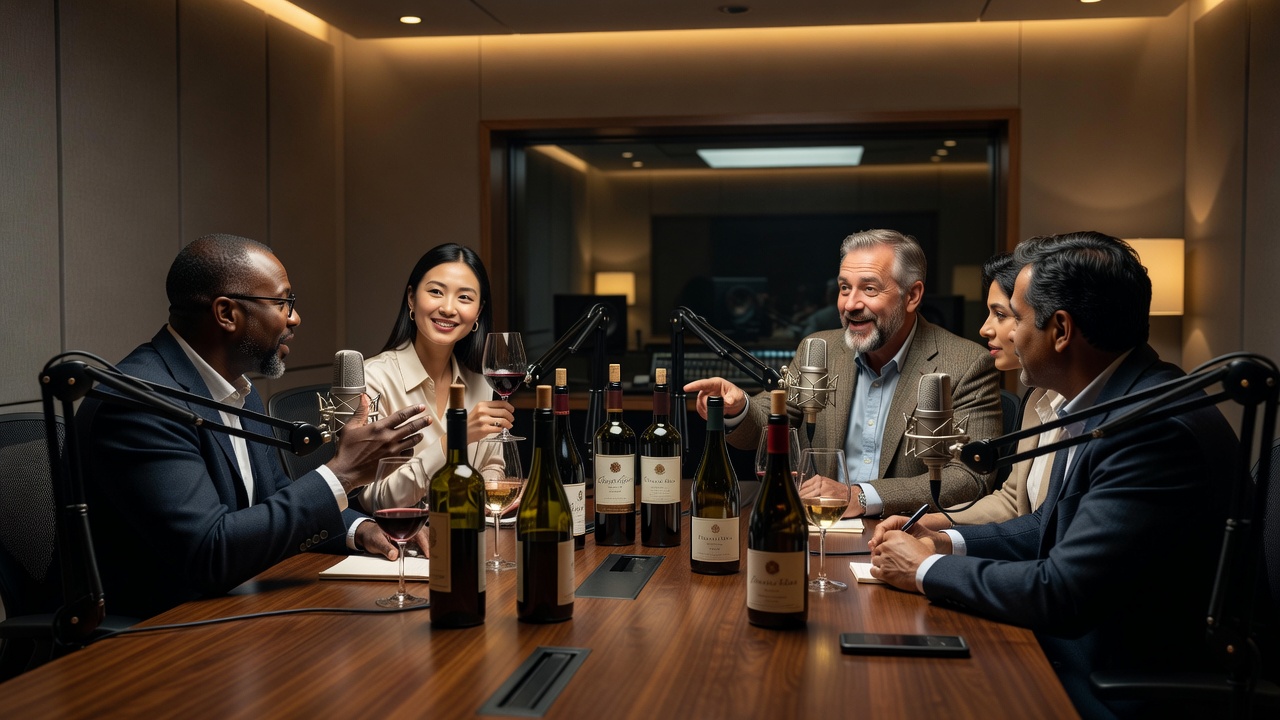
Selecting the right tools can significantly impact your production workflow. Below is a comparison to guide your decisions:
| Category | Free Option | Paid Option |
|---|---|---|
| Microphone | Built-in laptop mic or smartphone | USB condenser mic with pop filter |
| Editing Software | Audacity or GarageBand | Adobe Audition or Descript |
| Hosting Platform | Basic RSS feeds via free tiers | Full-featured services with analytics |
| Noise Reduction | Manual adjustments in free tools | AI-powered plugins |
When choosing between free and paid options, start with free tools to learn the basics before upgrading as your audience grows. This approach minimizes initial costs while allowing you to focus on content creation.
Scripting Episode Outlines
While spontaneity adds charm, outlines keep episodes focused. Structure each show with an intro hook, guest introduction, main discussion segments, and a closing call-to-action. Include timestamps for key moments to improve listener experience. Practice reading your outline aloud to ensure natural flow during recording. For instance, an episode on Italian wines might open with a brief history of the region, transition into a guest's personal anecdote, and conclude with pairing suggestions. Developing detailed outlines also helps you prepare relevant follow-up questions and maintain pacing throughout the conversation. Review past episodes from Uncorked Conversations to see how they balance prepared segments with organic dialogue.
Building Listener Engagement Tactics
Engage your audience through social media polls, listener Q&A segments, and email newsletters. Encourage reviews on major platforms and share behind-the-scenes content. Collaborate with wine communities for cross-promotion. Track feedback to refine future episodes and foster a sense of community around your show. Additional tactics include hosting live listening parties, creating shareable infographics of tasting notes, and responding personally to listener emails. Building engagement requires consistency; post regularly on platforms where your audience spends time and invite them to suggest future topics. Over time, these efforts transform casual listeners into active participants who promote your show organically.
Distribution Platforms That Maximize Reach
Submit your podcast to Spotify and Apple Podcasts for broad visibility. Use additional directories like Google Podcasts and YouTube to expand reach. Consistent posting schedules and optimized show notes with keywords boost discoverability. Monitor performance metrics to adjust your strategy over time. Explore niche directories focused on food and beverage content to target wine enthusiasts specifically. Cross-promote episodes on your website and through partnerships with wine retailers who may feature your show on their own channels.
Mistakes to Avoid in Your First Season
Common pitfalls include inconsistent release schedules, poor audio quality, and neglecting promotion. Avoid overloading early episodes with too much information; instead, build gradually. Always back up your recordings and maintain a content calendar to stay organized. Learning from shows like Uncorked Conversations helps sidestep these issues by emphasizing preparation and audience connection from the start.
Conclusion
By following these lessons from Uncorked Conversations, you can create a wine podcast that educates and entertains. Start small, stay consistent, and iterate based on audience response. Your unique perspective on wine awaits listeners ready to uncork new conversations.
FAQ: Common First-Season Challenges
How do I handle inconsistent audio quality?
Invest time in basic sound checks and editing techniques to maintain professional standards even with budget equipment. Record multiple takes when needed and review each episode before release.
What if my first episodes have low downloads?
Focus on promotion through wine-related networks and be patient as algorithms favor consistent, quality content over time. Share episodes in relevant online communities and track which topics perform best.
Should I script everything or go off-the-cuff?
Hybrid approaches work best: outline key points while allowing natural conversation to emerge during interviews. This balance keeps episodes engaging without losing direction.
How can I grow my audience quickly?
Leverage guest networks for promotion, optimize episode titles and descriptions for search, and consider guest appearances on other podcasts to increase exposure.
No comments yet. Be the first!