 Uncorked Conversations
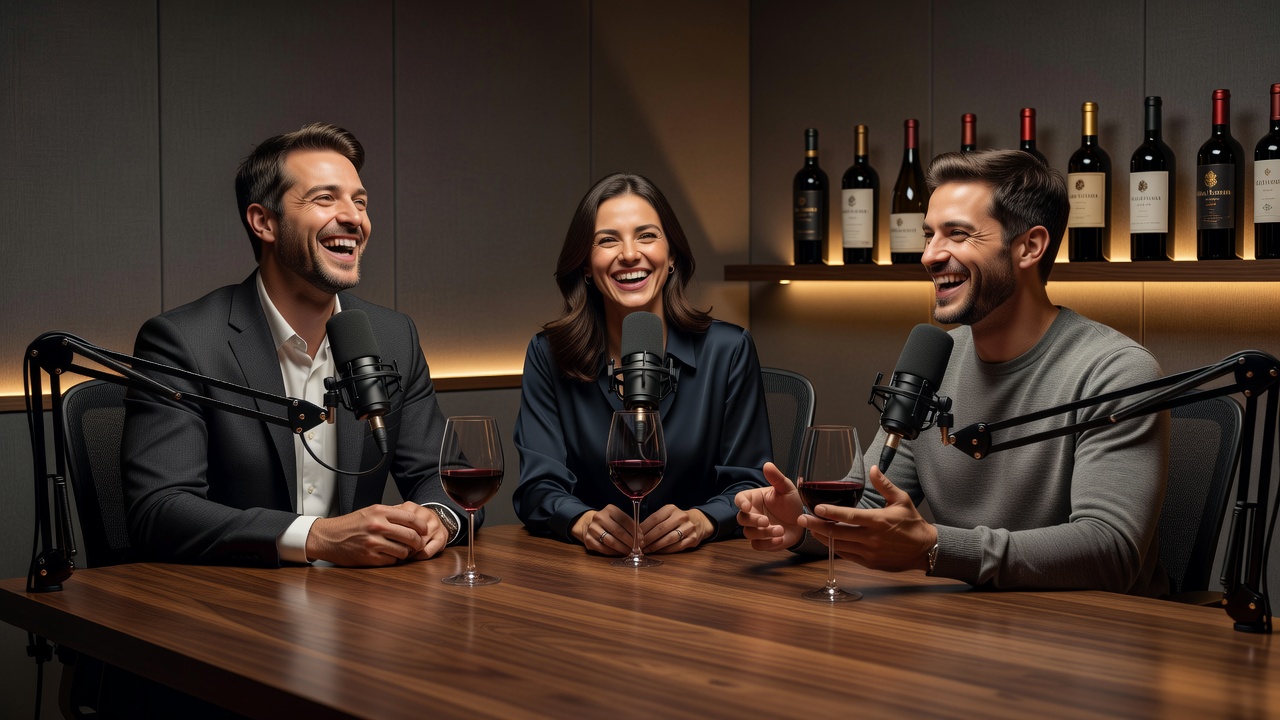
Humor in Vino Talks: Secrets from Uncorked Conversations Wine Podcast
Wine podcasts have traditionally focused on in-depth tasting notes, vineyard histories, and technical production details, yet many listeners report dropping off midway through dense episodes. The Uncorked Conversations podcast stands out by strategically weaving humor into its wine interviews, resulting in stronger listener retention and broader appeal. This approach targets podcasters who want to move beyond standard formats while still delivering credible expertise. By examining real episode examples, a repeatable framework, comparisons to serious formats, and actionable audience interaction tactics, creators can adapt these methods to their own shows. The result is content that educates without overwhelming and entertains without sacrificing substance.
Why Humor Boosts Retention in Wine Podcasts
Humor serves as an emotional hook that makes complex subjects memorable. In wine discussions, terms like terroir, malolactic fermentation, and vertical tasting can intimidate newcomers. Strategic levity reduces that intimidation factor, allowing listeners to stay engaged longer. Research from audio platforms shows that episodes with varied tone and relatable moments achieve higher completion rates. On Uncorked Conversations, hosts use short humorous asides to break up technical segments, giving the brain a quick reset before returning to facts. This pacing mirrors successful long-form interviews in other niches and helps build loyalty among both casual drinkers and serious enthusiasts. Over time, listeners associate the show with enjoyable learning rather than dry lectures, increasing the likelihood of subscriptions and shares.
Real Episode Examples of Witty Exchanges
One standout episode featured a Sonoma winemaker discussing a challenging vintage. The host compared the wine’s bold tannins to an overconfident family member at a holiday dinner, prompting the guest to recount a harvest story involving unexpected rain and improvised equipment. The laughter that followed humanized the expert and led into a detailed explanation of canopy management techniques. Another episode centered on Italian varietals where the host playfully mispronounced “Sangiovese” multiple times, turning the moment into a running joke that reinforced correct pronunciation by the end. Listener comments later referenced the bit as both funny and educational. A third example involved a virtual tasting with a guest from New Zealand who joked about the wine’s acidity matching the host’s reaction to a surprise email. These exchanges demonstrate how humor emerges naturally from the conversation rather than feeling forced. They also create shareable clips that extend the podcast’s reach on social media. Wine Magazine notes that such relatable moments help audio shows stand out in a crowded market.

Step-by-Step Framework for Balancing Levity and Expertise
Podcasters can replicate the Uncorked Conversations style using this four-step framework that keeps humor supportive of, rather than dominant over, wine knowledge.
- Begin with a relatable hook. Open the episode or segment with a short, wine-specific anecdote or light observation that invites a smile. For instance, reference a common tasting mistake many listeners have made. Keep the hook under thirty seconds to maintain momentum.
- Transition smoothly into substance. Use the humorous moment as a bridge by saying something like “That reminds me of how this particular clone behaves in cooler climates,” then deliver the technical information. This technique signals to listeners that the fun will continue but the expertise remains central.
- Invite guest participation. Ask open-ended questions that allow experts to share their own humorous stories, such as “What’s the funniest thing that happened during your last harvest?” This keeps the tone conversational and reveals personality without derailing the topic.
- Close with a light recap. Summarize key points while adding one final gentle joke or callback. This reinforces learning and leaves listeners with a positive final impression that encourages them to return for future episodes.
Applying the framework consistently across episodes builds audience trust. Hosts should practice timing during pre-production so humor feels organic rather than scripted.
Comparisons to Traditional Serious Vino Talks
Traditional wine podcasts often adopt a formal tone similar to classroom lectures, emphasizing precise descriptors, chemical processes, and historical context with minimal interruption. While this format appeals to advanced listeners, it can limit accessibility for beginners and reduce overall completion rates. Uncorked Conversations differentiates itself by integrating humor as a deliberate engagement tool. The contrast appears in listener feedback: serious shows receive praise for depth but criticism for length, whereas humorous episodes are frequently described as “approachable yet informative.” The lighter tone also attracts guests who might otherwise decline formal interviews, leading to more diverse perspectives on regions and winemaking styles. However, the humorous approach requires careful calibration to avoid undermining credibility. When executed well, it expands the audience without alienating core listeners who value expertise.
Practical Tips for Audience Interaction
Strong audience interaction turns passive listeners into active participants. Start by incorporating polls on platforms where episodes are distributed, asking followers to vote on the funniest tasting note they have heard. Reference winning entries in subsequent episodes to create continuity. During live recordings or Q&A segments, invite listeners to share their own wine-related mishaps, such as cork disasters or label misunderstandings. These stories can be read on air with permission, fostering community. Monitor comment sections and review platforms for recurring humorous themes, then weave them into future content as inside jokes that reward loyal listeners. Track engagement metrics such as average listen time and social shares before and after introducing new humor elements. Adjust the balance based on data rather than assumptions. Finally, collaborate with other wine podcasters for crossover episodes where contrasting styles highlight the benefits of levity.
SEO-Optimized Advice for Natural Keyword Use
Effective SEO begins with natural integration of target phrases. Use “humor in wine podcasts” in subheadings and within examples that illustrate the concept. Mention “Uncorked Conversations episodes” when discussing specific shows so search engines associate the content with the podcast name. Distribute keywords across the introduction, framework section, and FAQ rather than concentrating them in one paragraph. Include related terms such as “wine interview tips” and “podcast listener retention” in lists and comparisons. This approach improves discoverability while maintaining readability for human audiences.
FAQ: Common Humor Pitfalls in Wine Podcasting
How much humor is too much?
Keep humorous segments to approximately twenty percent of total runtime. Exceeding this threshold risks overshadowing the educational value that attracts many wine listeners in the first place.
What if a joke falls flat?
Recover quickly by acknowledging the moment lightly and pivoting back to the wine topic. Listeners often appreciate authenticity more than perfect delivery.
Can humor work with highly technical topics?
Yes, when the joke directly connects to the subject matter, such as comparing stuck fermentation to a delayed email response before explaining the science.
How do I handle sensitive cultural references?
Stick to universal wine experiences like bottle opening struggles or tasting note creativity. Avoid references that could alienate international audiences or specific demographics.
Should I script humor in advance?
Prepare a few flexible lines but allow room for spontaneity. Over-scripting often sounds unnatural and reduces the conversational feel that defines successful episodes.
Conclusion
Strategic humor, as demonstrated throughout Uncorked Conversations, provides podcasters with a reliable method for improving retention and expanding reach. By studying concrete examples, following the four-step framework, comparing approaches, and refining interaction tactics, creators can produce episodes that both inform and entertain. Consistent application and audience feedback loops ensure the balance remains effective over time. Podcasters ready to experiment will find that thoughtful levity strengthens their connection to listeners while preserving the integrity of wine expertise.
No comments yet. Be the first!