 Uncorked Conversations
Introduction: The Rise of Podcast-Driven Wine Dialogue
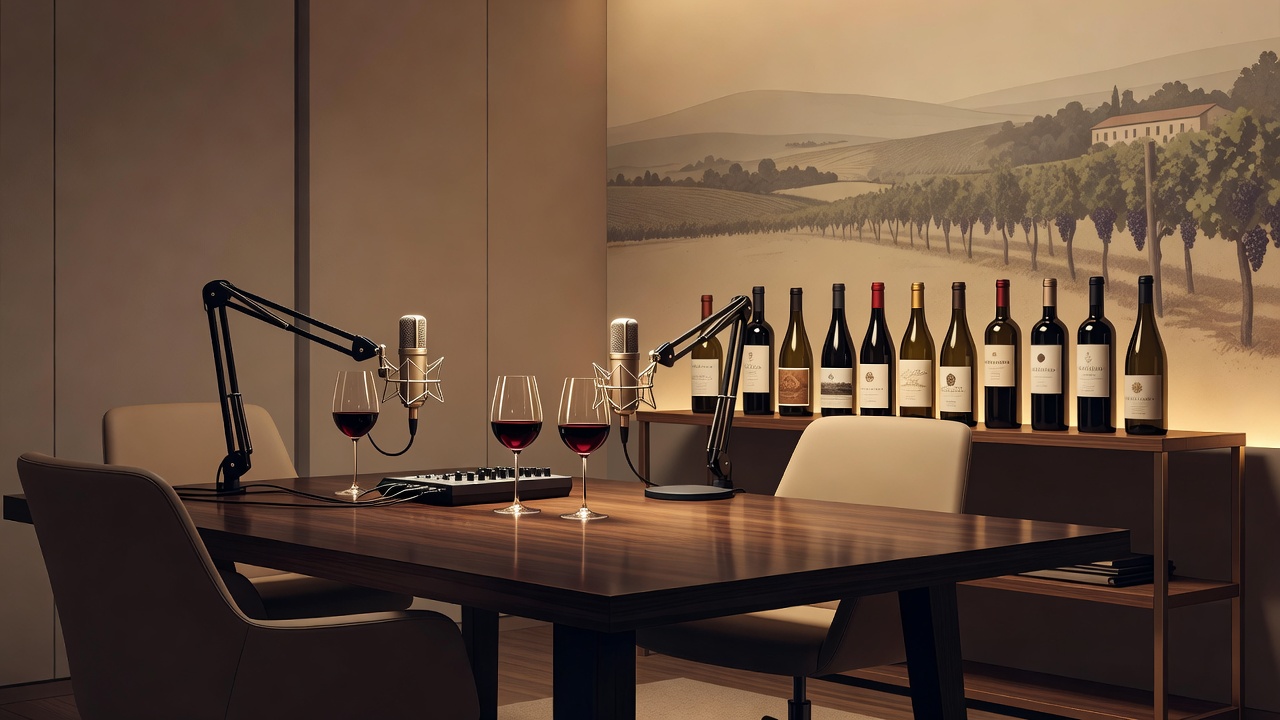
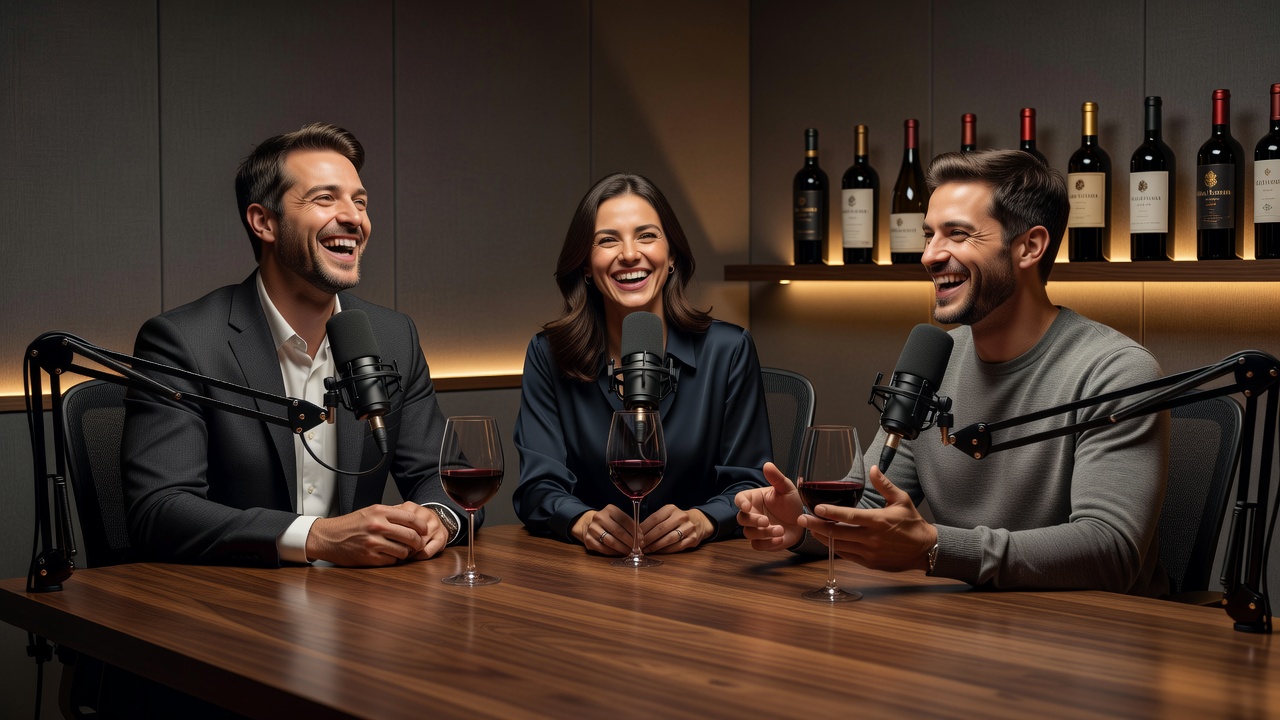
In an era where digital platforms increasingly define cultural conversations, Uncorked Conversations has emerged as a pivotal force in reshaping how wine enthusiasts and professionals engage with the industry. Through thoughtful wine interviews and vino talks, the podcast bridges gaps between traditional expertise and modern accessibility, fostering a global community that values education, diversity, and forward-thinking perspectives. As we look toward 2026 and beyond, its influence continues to evolve, inspiring trends that prioritize sustainability, inclusivity, and experiential learning over rote tasting notes. Listeners seeking deeper insights into wine culture often turn to this format for nuanced discussions that traditional outlets rarely capture. By examining episode examples, comparisons with legacy media, and actionable frameworks, this article explores how the podcast catalyzes meaningful change while offering practical steps for applying its lessons in everyday wine appreciation and industry participation.
The Cultural Influence of Wine Interviews on Enthusiasts and Industry
Uncorked Conversations stands out by featuring in-depth dialogues with winemakers, sommeliers, and cultural figures who share personal stories alongside technical knowledge. These episodes highlight how wine intersects with broader societal themes like climate adaptation and regional identity. For instance, discussions on emerging natural wine movements encourage listeners to reconsider consumption habits, promoting a culture of mindful appreciation rather than status-driven selection. The podcast's reach extends beyond casual fans, influencing industry professionals who cite its episodes as catalysts for collaborative projects. This creates a ripple effect, where shared knowledge accelerates innovation in viticulture and marketing strategies worldwide. In 2026, this influence is expected to grow as more listeners seek authentic voices amid shifting consumer preferences toward ethical sourcing and transparent production methods.
Episode Examples Sparking Global Conversations
Several standout episodes have ignited widespread dialogue. One focused on regenerative farming practices in California vineyards sparked online forums and social media challenges encouraging listeners to audit their favorite producers' sustainability credentials. Another vino talk exploring cross-cultural pairings between Old World classics and Asian cuisine led to international collaborations between restaurants and importers, broadening market access for lesser-known varietals. A third episode examining the role of women in modern winemaking inspired mentorship programs across multiple continents, directly contributing to increased representation in leadership roles. These examples demonstrate the podcast's ability to translate intimate interviews into actionable cultural shifts, moving wine discourse from elitist circles into inclusive public spheres and encouraging listeners to support diverse producers through informed purchasing choices.
Comparisons with Traditional Wine Media
Unlike print magazines or static websites that deliver curated reviews, Uncorked Conversations thrives on conversational depth and real-time listener interaction. Traditional media often emphasizes scores and rankings, which can feel prescriptive, whereas the podcast format invites debate and personal reflection. Decanter remains a cornerstone for in-depth regional reporting, yet it lacks the dynamic back-and-forth that makes podcast episodes memorable. Similarly, platforms like Wine Enthusiast excel at visual storytelling but rarely foster the community-building aspect central to Uncorked Conversations. This distinction positions podcasts as complementary tools that enhance rather than replace established sources, allowing enthusiasts to combine the analytical rigor of print with the emotional resonance of spoken dialogue for a more holistic understanding of wine culture.
Practical Framework for Cultural Analysis
To apply insights from the podcast, listeners can use a simple three-step framework that promotes deeper engagement. First, identify core themes in each episode, such as heritage preservation or innovation drivers, by noting recurring motifs around sustainability or regional storytelling. Second, map these themes against personal tasting experiences to uncover biases or gaps in knowledge, perhaps by revisiting wines from featured regions with fresh perspectives. Third, engage with the broader community through follow-up discussions or visits to featured producers, turning individual learning into collective action. This approach transforms passive listening into active cultural participation, helping enthusiasts contribute to evolving wine dialogues while building lasting connections with like-minded individuals around the world.
Steps for Listeners to Apply Cultural Lessons
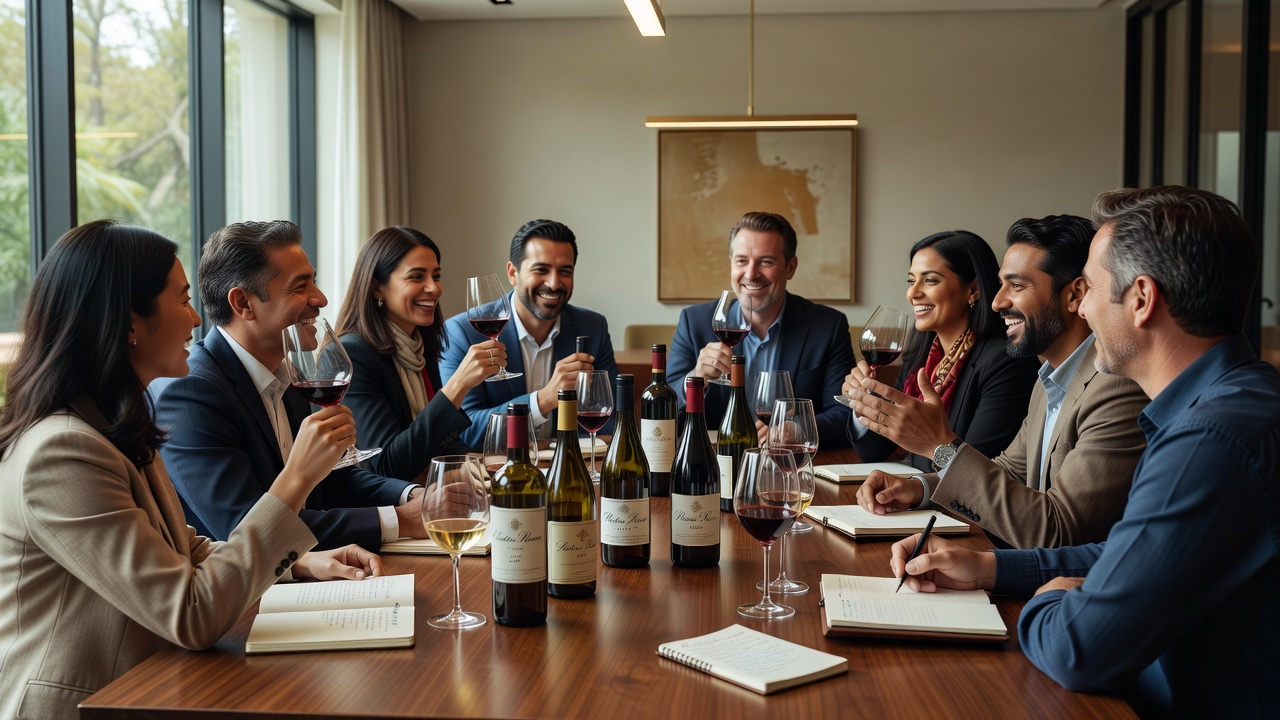
Listeners can take concrete steps to integrate lessons from Uncorked Conversations into their routines. Start by curating a playlist of episodes aligned with your interests, such as those on climate-resilient grapes or emerging wine regions. Host small tasting groups where participants discuss takeaways and share regional discoveries, fostering local communities that mirror the podcast's global reach. Track personal growth by journaling how podcast insights influence purchasing decisions or travel plans, creating a record of evolving tastes and values. Contribute feedback to future episodes, ensuring the conversation remains responsive to listener needs. Additionally, explore related resources from authoritative bodies like the World Health Organization for context on responsible consumption practices that align with the podcast's forward-looking ethos. These steps ensure that cultural lessons translate into tangible habits and advocacy efforts.
Listener Testimonials and Forward-Looking Perspectives
Enthusiasts frequently report heightened confidence in navigating wine lists after engaging with Uncorked Conversations. One regular listener noted how episodes on 2026+ sustainability trends reshaped their cellar investments toward regenerative producers. Another highlighted the value of diverse guest voices in challenging Eurocentric narratives, paving the way for more equitable industry representation. A third testimonial described how vino talks on pairing traditions inspired a home cook to experiment with lesser-known bottles, leading to new social connections through shared meals. Looking ahead, the podcast is poised to integrate emerging technologies like AI-assisted flavor profiling, further democratizing access to advanced education while maintaining its human-centered ethos. This positions Uncorked Conversations as a leader in anticipating industry shifts, such as increased focus on climate-resilient varietals and inclusive tasting events that welcome newcomers without prior expertise.
FAQ: Engaging with Evolving Wine Dialogues
How can beginners start with Uncorked Conversations?
Begin with foundational episodes on grape varieties and progress to thematic discussions on culture and trends for a structured learning path that builds knowledge gradually.
Does the podcast address current industry challenges?
Yes, recent seasons explore topics like supply chain resilience, inclusive tasting events, and adapting to climate change, providing timely perspectives for 2026 and later years.
What makes these interviews different from standard reviews?
The conversational style reveals personal motivations and cultural contexts often absent from numerical ratings or brief summaries, offering richer insights into the people behind the bottles.
How does the podcast support community building?
Through listener-submitted questions, virtual events, and calls to action that encourage real-world connections among fans and with featured guests.
Conclusion: Embracing the Future of Wine Culture
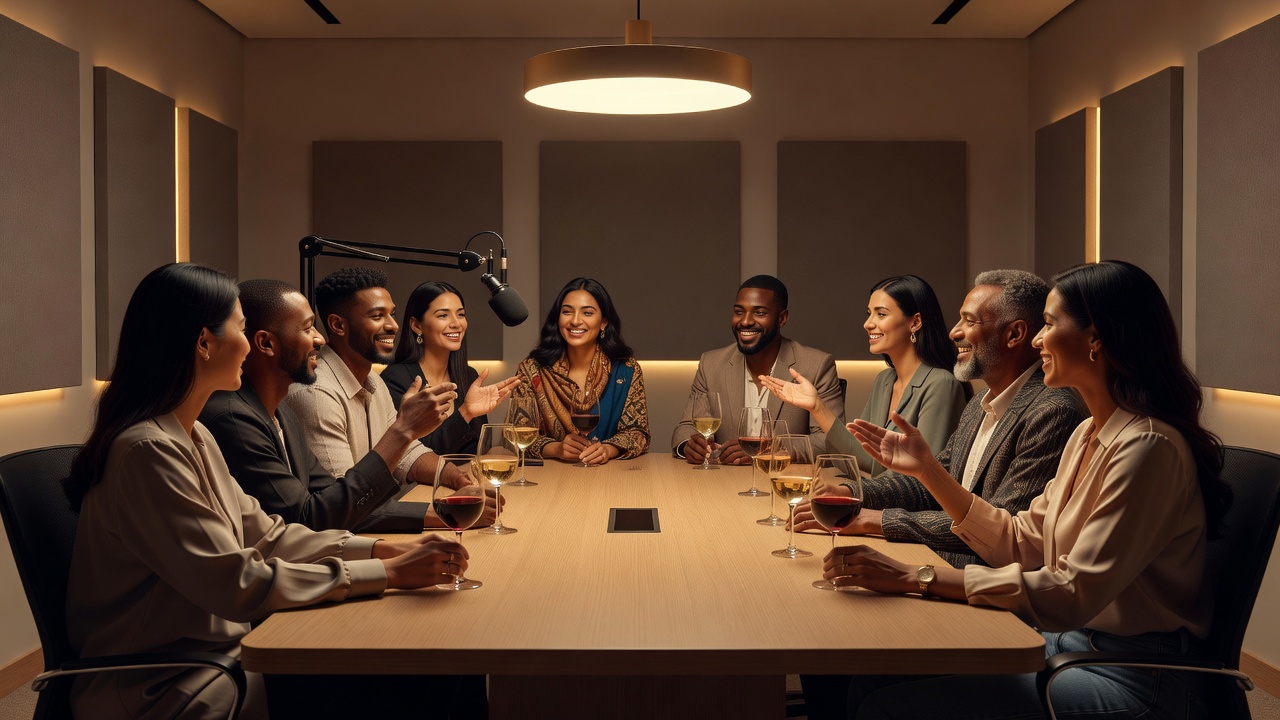
Uncorked Conversations exemplifies how podcasts can profoundly shape modern wine culture by blending education, community, and innovation. By leveraging its lessons through the frameworks and steps outlined above, listeners position themselves not just as consumers but as active participants in an ever-evolving dialogue. As the industry advances into 2026 and beyond, this approach ensures wine remains a vibrant, inclusive cultural force that adapts to new challenges while honoring its rich heritage.
No comments yet. Be the first!