 Uncorked Conversations
Introduction to Biodynamic Winemaking
Biodynamic winemaking represents one of the most holistic approaches in viticulture, treating the vineyard as a self-sustaining ecosystem. Drawing directly from discussions in the Uncorked Conversations podcast, this article delves into the core principles that set biodynamic wines apart. Listeners of the show have heard experts explain how these methods enhance both environmental health and wine quality. The philosophy originates from Rudolf Steiner’s lectures in the 1920s, emphasizing cosmic rhythms and natural preparations. Uncorked Conversations episodes frequently contrast these ideas with mainstream practices, offering practical takeaways for wine enthusiasts seeking deeper knowledge tied to the podcast content.
Enthusiasts often turn to the podcast for insights on how biodynamic techniques influence everything from grape ripening to final bottle aging. By exploring real episodes and expert interviews, readers can gain actionable understanding of why these wines stand out in flavor, sustainability, and character.
Core Principles: Lunar Cycles in the Vineyard
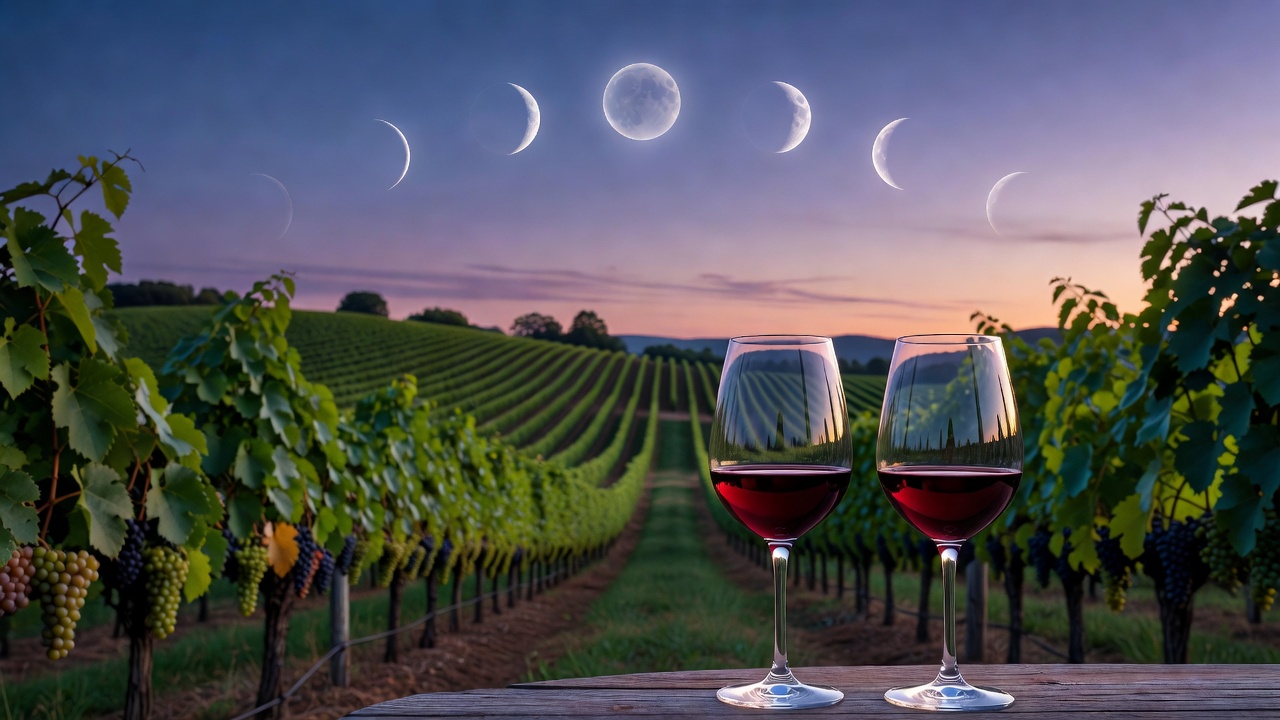
One recurring theme across Uncorked Conversations vino talks is the influence of lunar cycles on vineyard activities. Biodynamic practitioners time pruning, planting, and harvesting according to the moon’s phases. For example, root days align with the waning moon for tasks involving soil work, while fruit days during the waxing moon favor harvesting grapes destined for exceptional bottles. Flower days and leaf days further guide canopy management and irrigation decisions.
Experts on the podcast note that these timings are believed to optimize vine energy and flavor development. While scientific consensus varies, many producers report more vibrant wines when following these calendars. Listeners learn practical applications such as consulting biodynamic calendars available through certification bodies before scheduling vineyard visits or home tastings.
Soil Vitality and Natural Preparations
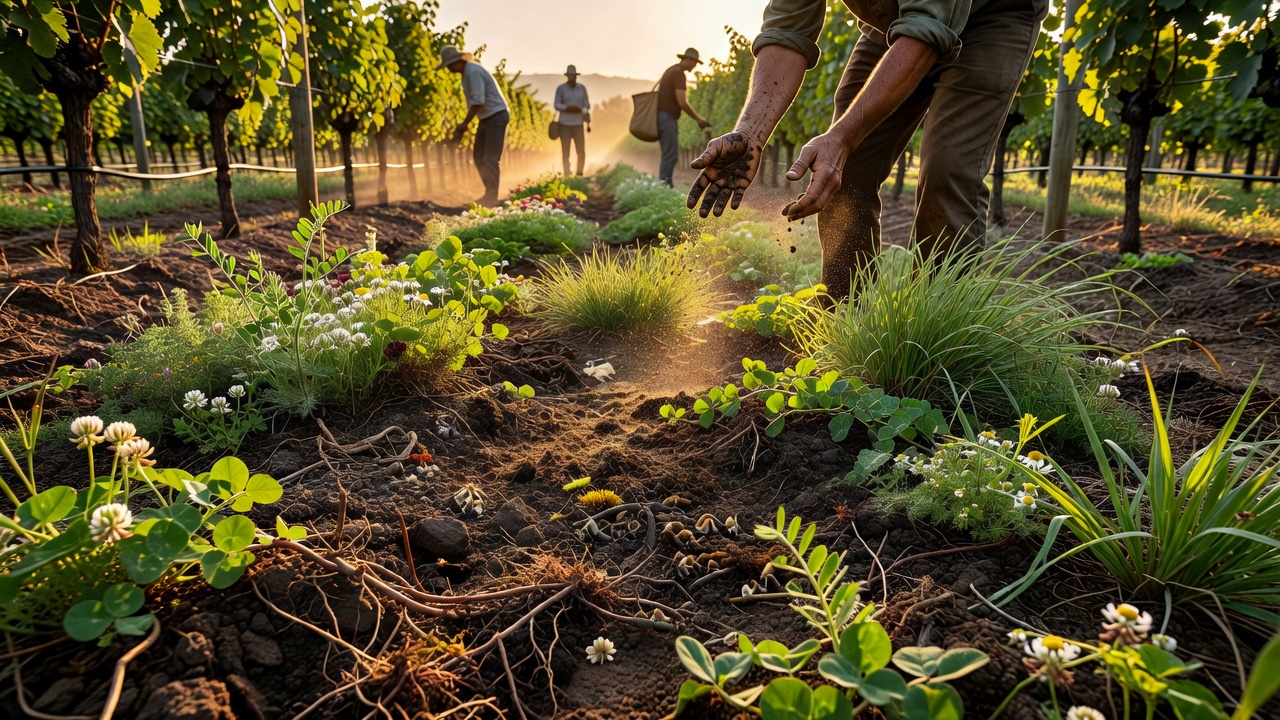
Soil health forms the foundation of biodynamic practice. Instead of synthetic fertilizers, winemakers use specially prepared composts and herbal sprays. Common preparations include horn manure (Preparation 500) buried in cow horns over winter and stirred into water before application. Other preparations like Preparation 501 use silica-rich quartz to enhance photosynthesis and grape quality.
Uncorked Conversations guests have described how these methods foster microbial diversity, leading to resilient vines. Real-world examples include estates in the Loire Valley that transitioned over multiple seasons, resulting in improved drought resistance and richer soil structure. This approach contrasts sharply with conventional farming that relies on chemical inputs, often depleting long-term vitality.
Biodynamic vs. Organic vs. Conventional Practices
Understanding the differences helps listeners appreciate biodynamic wines. Organic viticulture avoids synthetic chemicals but may still use some external inputs. Conventional methods often include herbicides and irrigation systems that can diminish terroir expression.
- Biodynamic: Closed-loop system with cosmic timing and on-site preparations for maximum vitality; emphasizes biodiversity through companion planting and animal integration.
- Organic: Certified chemical-free but without mandatory biodiversity or lunar considerations; allows certain approved inputs for pest control.
- Conventional: Focuses on yield and consistency, often at the expense of soil life; relies on synthetic fertilizers and mechanized processes.
Podcast comparisons highlight how biodynamic wines frequently display greater complexity and aging potential. Practical steps for enthusiasts include visiting certified estates to observe soil differences firsthand.
Standout Uncorked Conversations Episodes Featuring Biodynamic Experts
Several episodes feature biodynamic experts who share real-world applications. One memorable discussion with a Loire Valley producer detailed successful transitions from conventional to biodynamic farming over five years, including challenges with initial yield drops followed by improved quality. Another episode explored California vineyards using lunar calendars to guide harvest decisions, with tasters noting enhanced aromatic intensity in the resulting wines.
Additional episodes cover German Riesling producers and their use of herbal preparations to combat specific vineyard diseases naturally. These conversations provide listeners with actionable insights, such as starting small by incorporating cover crops before full certification and tracking changes in soil pH over seasons.
Recommended Biodynamic Wines and Flavor Profile Comparisons
Based on podcast recommendations, standout bottles include elegant Pinot Noirs from Burgundy estates that exhibit earthy undertones and bright red fruit notes. Crisp Rieslings from Germany’s biodynamic producers often show pronounced minerality and vibrant acidity. Tasters frequently compare these to organic counterparts, noting deeper layers of spice and floral aromatics that evolve more dynamically in the glass.
Practical comparisons reveal that biodynamic wines can age longer due to balanced phenolic structure. Listeners are encouraged to try side-by-side tastings of the same varietal from different farming methods to experience the differences in mouthfeel and finish.
Practical Applications, Steps, and Mistakes to Avoid for Listeners
Enthusiasts can apply these lessons by seeking Demeter-certified wines at local retailers or visiting biodynamic estates during harvest season. Start by tasting side-by-side flights to discern flavor differences. The podcast encourages experimenting with food pairings that highlight the wines’ natural vibrancy, such as pairing mineral-driven whites with seafood.
Key steps include: 1) Researching certification labels before purchase; 2) Following lunar calendars for personal garden experiments; 3) Joining online communities inspired by Uncorked Conversations discussions. Common mistakes to avoid are rushing full conversion without soil testing or expecting immediate flavor transformations within one vintage.
Sustainability Benefits and Real-World Impact
Biodynamic methods deliver clear sustainability advantages, including enhanced biodiversity, reduced water consumption, and carbon sequestration through healthy soils. Podcast episodes often cite improved ecosystem resilience as a primary benefit for long-term vineyard health. These practices align with broader environmental goals discussed in related agricultural resources.
Frequently Asked Questions
Is biodynamic winemaking the same as organic?
No. While both avoid synthetics, biodynamic adds specific preparations and timing aligned with lunar and cosmic cycles, creating a more integrated farm organism.
Do biodynamic wines taste different?
Many drinkers report enhanced complexity, purity, and minerality, though results vary by producer, vintage, and individual palate sensitivity.
How can I identify authentic biodynamic wines?
Look for Demeter or Biodyvin certifications on labels and cross-reference with producer websites or podcast episodes for verification.
Are there any cost differences?
Biodynamic wines often command premium pricing due to labor-intensive methods, but qualitative value lies in their unique expression and sustainability profile.
Where can I learn more from the podcast?
Listen to Uncorked Conversations episodes dedicated to natural wine topics and visit Demeter International for certification details. Additional resources are available at International Organisation of Vine and Wine.
Conclusion
Biodynamic winemaking offers a profound connection to nature, as illuminated through Uncorked Conversations. By embracing lunar cycles, soil vitality, and natural preparations, producers create wines that reflect both place and philosophy. Whether you’re new to the topic or a dedicated listener, these insights deepen appreciation for every glass and encourage more mindful wine exploration.

No comments yet. Be the first!