 Uncorked Conversations
Introduction to Sustainable Winemaking Through Podcast Insights
Uncorked Conversations has established itself as an essential platform for wine enthusiasts who prioritize environmental stewardship. The podcast delves deeply into the ways innovative winemakers integrate sustainable practices into their operations, producing high-quality wines without compromising the planet. Through candid interviews and vino talks, the show uncovers strategies for organic viticulture, meaningful carbon footprint reduction, and regenerative farming that set these operations apart from traditional methods. Eco-conscious listeners benefit from concrete, actionable takeaways that help them align their wine selections with personal values around sustainability.
The series stands out by moving beyond abstract discussions, instead presenting real stories from vineyard owners and winemakers who share challenges, successes, and measurable outcomes. This approach transforms complex topics into accessible insights, empowering audiences to make informed purchasing decisions that support long-term ecological health in the wine industry.
Featured Winemakers' Approaches to Organic Viticulture
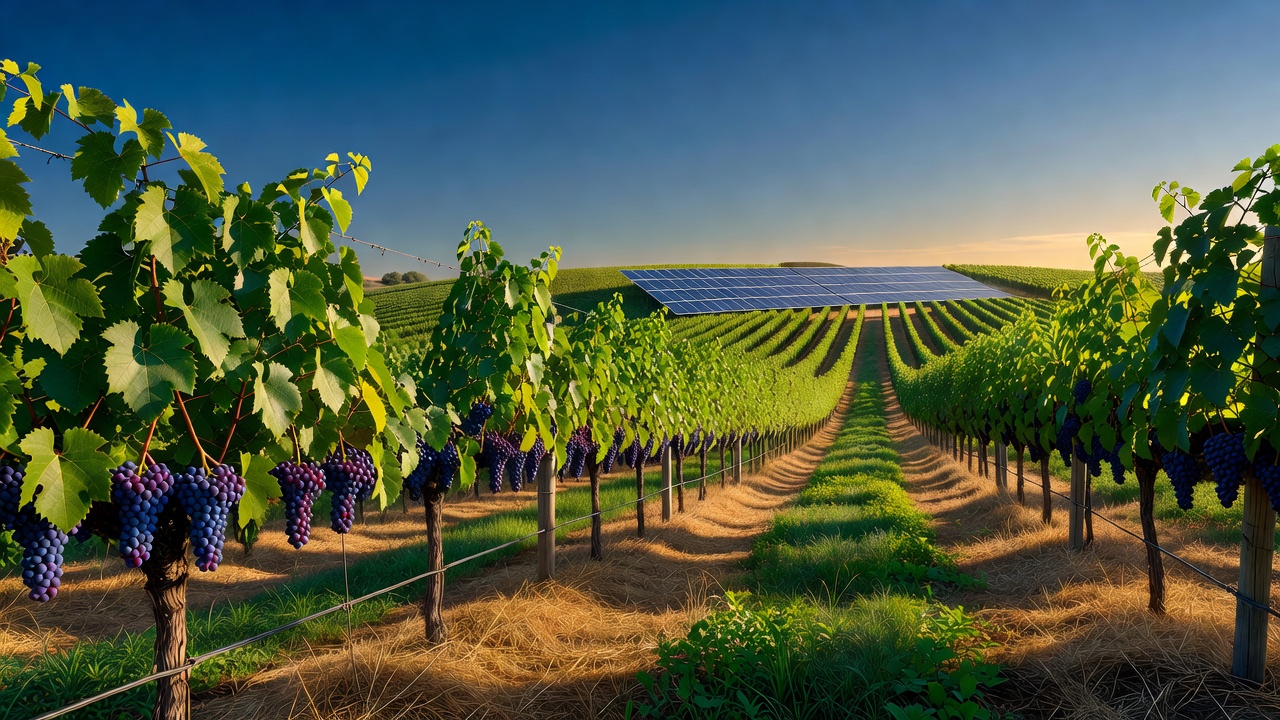
Organic viticulture receives extensive coverage across multiple episodes, with guests detailing their shift away from synthetic chemicals. Producers explain how they implement cover cropping, beneficial insect habitats, and compost applications to maintain soil fertility and grape quality. One California winemaker described a multi-year transition to organic certification that involved planting diverse cover crops between rows, which naturally suppressed weeds and attracted pollinators, ultimately leading to more vibrant and complex fruit flavors in the resulting wines.
In another segment, an Oregon-based guest highlighted the advantages of natural pest management through predatory insects and companion planting. These methods reduced dependency on external inputs while improving vine resistance to disease and drought. Compared to conventional viticulture that often relies on broad-spectrum pesticides and fertilizers, organic approaches foster biodiversity and create more resilient ecosystems. Listeners learn that such practices not only benefit the environment but also enhance the unique terroir expression in each bottle.
Reducing Carbon Footprints in Winemaking
Carbon reduction emerges as a recurring focus, with podcast guests outlining practical steps like installing solar arrays, switching to lighter-weight packaging, and adopting electric tractors. These changes collectively lower emissions from vineyard operations through to bottling and distribution. One episode featured a producer who achieved a 40 percent reduction in energy use by combining renewable power sources with optimized logistics for local distribution.
Direct comparisons to conventional winemaking underscore the differences. Traditional methods frequently depend on diesel-powered machinery, heavy glass bottles, and global shipping networks that generate substantial greenhouse gases. Sustainable producers featured on the show counter these impacts through on-site renewables and regional supply chains. For additional context on climate strategies in agriculture, consult resources from the U.S. Environmental Protection Agency and the U.S. Department of Agriculture.
Regenerative Farming Practices Highlighted
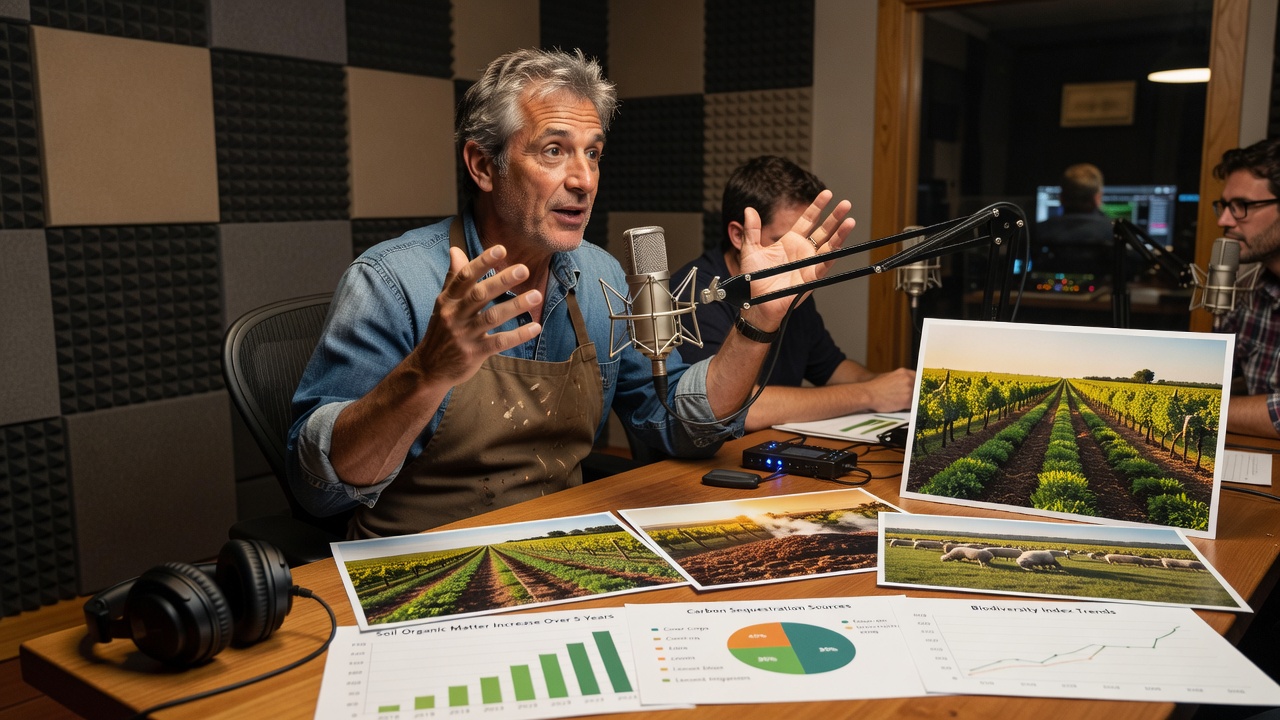
Regenerative techniques take center stage in several episodes, going beyond basic sustainability to actively restore soil and ecosystems. Guests discuss no-till methods, on-site composting, and rotational grazing that build organic matter and improve water infiltration. These practices increase carbon sequestration while supporting greater biodiversity above and below ground.
A notable New Zealand example involved introducing sheep into vineyard rows to manage grass and provide natural fertilization, which decreased mechanical mowing needs and boosted soil health over time. Another guest from Washington state detailed how integrating livestock and cover crops led to improved drought tolerance in vines. Regenerative farming often yields superior grape quality compared to conventional systems that deplete soils through repeated chemical applications and tillage. The podcast illustrates how these methods address climate variability more robustly while producing distinctive wines.
Practical Steps to Support Sustainable Wines
Listeners can translate insights from Uncorked Conversations into everyday actions with the following detailed recommendations:
- Scan labels for recognized certifications such as USDA Organic, Demeter Biodynamic, or LIVE Sustainable, which verify adherence to rigorous environmental standards.
- Follow up on winemakers featured in recent episodes by visiting their websites to review detailed sustainability reports and vineyard practices.
- Choose wines from regions with strong regenerative movements, including California’s Central Coast, Oregon’s Willamette Valley, and parts of New Zealand, where producers openly share their methods.
- Opt for producers using lighter packaging materials or reusable containers to minimize transportation emissions and waste.
- Engage directly with brands through social media or winery visits to ask about water conservation, energy sources, and soil health initiatives.
- Support local retailers and online platforms that highlight sustainable selections and provide educational tasting notes tied to eco-practices.
Implementing these steps consistently rewards producers who invest in environmental responsibility and helps scale demand for better practices across the industry.
Real-World Examples from Recent Episodes
Recent installments of Uncorked Conversations provide vivid case studies. A Washington winemaker explained how precision irrigation combined with regenerative soil building reduced overall water consumption by nearly a third during dry seasons. In Europe, one producer achieved carbon-neutral status through a combination of solar installations and reforestation projects on estate land, demonstrating scalable solutions for larger operations.
These examples offer listeners benchmarks for evaluating other wines. They show how sustainable methods deliver both environmental gains and enhanced wine character, encouraging broader adoption beyond conventional approaches that prioritize short-term yields over ecosystem health.
Conclusion
Uncorked Conversations serves as a valuable bridge between innovative sustainable winemaking and everyday consumers. By exploring organic viticulture, carbon reduction, and regenerative farming in depth alongside clear comparisons and practical guidance, the podcast enables listeners to make choices that protect the environment while savoring exceptional wines. Continued engagement with these topics supports a more resilient future for the wine world.
FAQ: Common Questions About Eco-Friendly Wine Choices
What makes a wine sustainable?
Sustainable wines originate from vineyards and wineries that employ organic or regenerative techniques to reduce harm to air, water, and soil, frequently confirmed through independent third-party audits and certifications that track ongoing improvements.
How do regenerative methods differ from organic?
While organic farming prohibits synthetic chemicals, regenerative practices actively rebuild soil biology and biodiversity using tools like cover crops, composting, and animal integration to restore degraded land and enhance long-term productivity beyond simple avoidance of inputs.
Are sustainable wines more expensive?
Cost varies widely depending on scale, region, and producer philosophy, yet many sustainable options remain competitively priced due to operational efficiencies; the emphasis should remain on quality, transparency, and environmental impact rather than price alone.
Where can I find episodes discussing these topics?
Search major podcast directories for Uncorked Conversations episodes that feature guests from certified organic or regenerative vineyards, where hosts explore specific techniques and real outcomes in detail.


No comments yet. Be the first!