 Uncorked Conversations
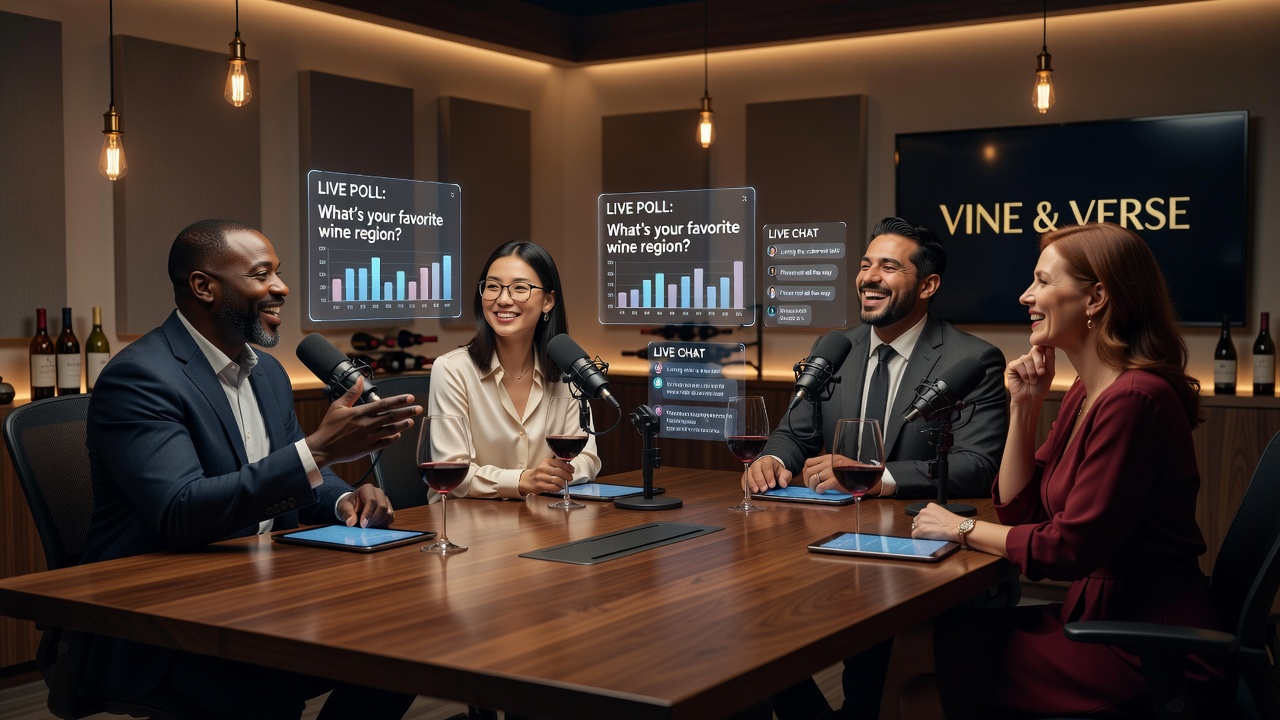
Why Interactive Elements Matter for Wine Podcasts in 2026
Standard wine podcast formats often follow a predictable interview structure that leaves listeners as passive consumers. In contrast, interactive vino talks transform Uncorked Conversations into dynamic community experiences that drive retention and growth. Creators seeking to stand out must move beyond basic episode releases toward participatory models that foster loyalty among wine enthusiasts. This shift aligns with broader trends in audio content where audience involvement directly correlates with higher completion rates and organic sharing across platforms.
Research from leading audio platforms shows that shows incorporating real-time engagement see higher completion rates and shareability. This approach positions Uncorked Conversations as the benchmark for listener participation, appealing directly to creators focused on sustainable podcast growth and authentic community building. By integrating these tactics, hosts can differentiate their series in a crowded market and build lasting relationships that extend beyond individual episodes.
Live Polling During Vino Talks
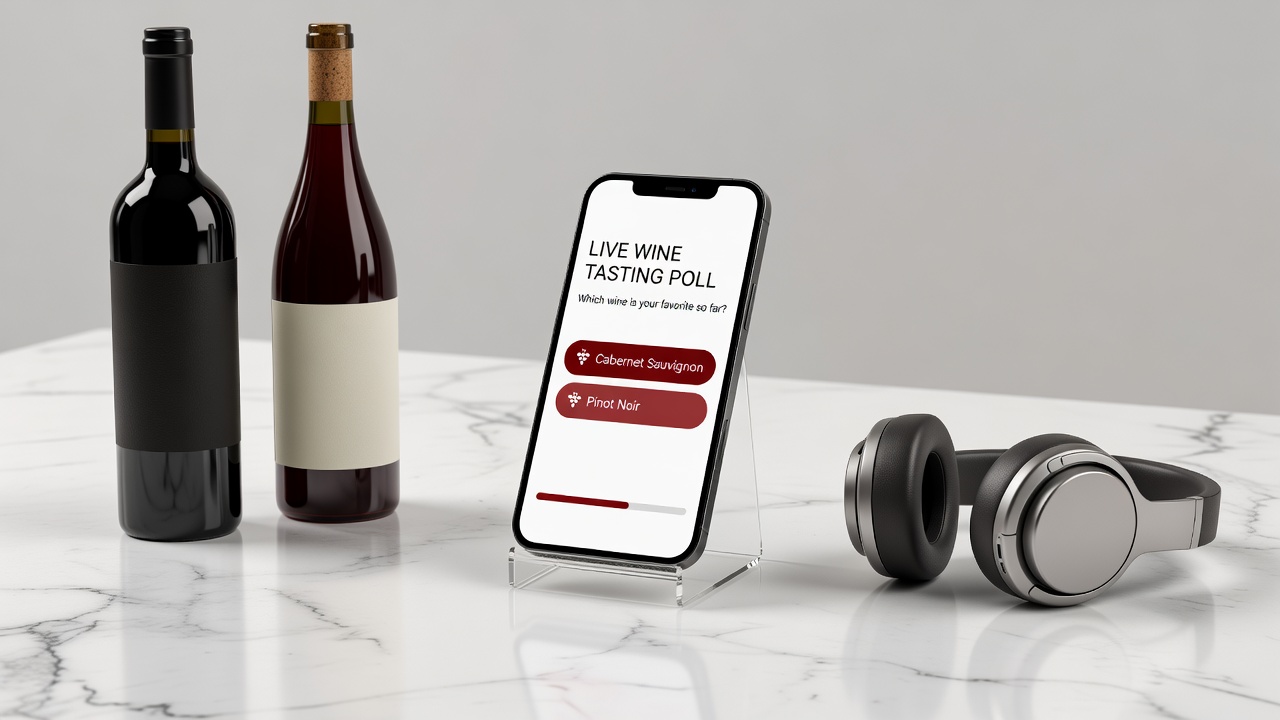
Live polling adds immediacy to wine interviews by letting listeners vote on tasting notes, grape varieties, or food pairings in real time. Tools such as Slido or Mentimeter integrate seamlessly with streaming platforms like Riverside or Zoom. This creates a sense of shared discovery that mirrors the collaborative nature of wine tasting itself.
Step-by-step implementation begins with announcing the poll topic at the episode start to set expectations. Next, share a unique link via show notes and social channels while the discussion unfolds. Display results mid-episode for immediate discussion and analysis by the host and guest. Finally, archive results for follow-up content or social media clips. This method outperforms static Q&A segments by creating instant feedback loops that keep audiences invested throughout the runtime and encourage repeat listens.
Examples include polling on whether a particular vintage leans more toward fruit-forward or earthy profiles, allowing the conversation to adapt dynamically based on majority votes. Such interactivity turns passive listeners into active participants who feel their opinions shape the episode direction.
Listener-Submitted Wine Questions
Inviting audience questions elevates episodes from monologue to dialogue. Collect submissions through dedicated forms on your website or social media polls. Vet and organize them into themed segments that align with guest expertise. This method ensures content remains relevant and directly addresses community curiosities about specific regions, vintages, or pairing challenges.
Compared to traditional wine podcast structures where hosts dominate the narrative, this tactic distributes ownership to listeners. Example workflow: open a submission window seven days before recording, curate the top ten queries, then weave answers throughout the conversation while crediting contributors on air. Over multiple episodes, this builds a recurring sense of involvement that strengthens listener retention and encourages word-of-mouth promotion.
Further depth comes from categorizing questions by theme, such as beginner queries versus advanced technical topics, allowing episodes to serve varied audience segments simultaneously. Hosts can reference past submissions in future shows to demonstrate ongoing responsiveness.
App-Based Virtual Tastings
Virtual tastings bridge the gap between audio and sensory experience. Listeners receive curated wine lists in advance and join synchronized tasting sessions via dedicated apps or integrated video features. This multisensory approach deepens engagement by combining spoken insights with actual tasting notes shared in real time.
Implementation steps include partnering with wine retailers for sample kits, scheduling synchronized tasting timestamps during the episode, and using chat features for live reactions. This elevates Uncorked Conversations above standard interview formats by engaging multiple senses simultaneously. Creators can also incorporate guided prompts, such as describing aroma intensity on a shared scale, to unify the group experience across distances.
Additional practical considerations involve providing detailed tasting guides in advance via email or app notifications, ensuring participants prepare properly. Over time, these sessions foster dedicated sub-communities that discuss episodes in follow-up forums or dedicated social groups.
Real-Time Feedback Loops
Instant feedback mechanisms such as live chat overlays, emoji reactions, and post-episode surveys close the loop between creator and community. Platforms supporting these features allow hosts to adjust pacing or dive deeper into topics based on immediate signals. This responsiveness creates a living conversation rather than a one-way broadcast.
Practical comparison: conventional wine podcasts release episodes and wait weeks for reviews, while real-time loops enable mid-recording course corrections that improve relevance and listener satisfaction. Hosts can monitor sentiment through simple reaction metrics and pivot accordingly without disrupting flow.
To maximize impact, integrate feedback data into post-production notes for refining future episodes. This iterative process supports long-term growth by aligning content closely with evolving audience preferences in the wine podcast space.
SEO Angles for Wine Podcast Growth and Community Building
Optimizing for search involves targeting keywords like wine podcast engagement tactics and interactive tasting experiences. Incorporate listener stories and poll results into episode descriptions and blog tie-ins to boost discoverability. Community building thrives when interactive elements generate user-generated content that can be repurposed across channels, creating a virtuous cycle of visibility and participation.
Track performance through platform analytics to refine approaches, ensuring each tactic contributes to measurable audience expansion. Linking episodes to broader wine education resources further enhances authority and attracts new listeners searching for in-depth conversations.
Common Setup Challenges and Solutions
- Technical glitches during live polls – test platforms 30 minutes prior and have backup links ready.
- Low submission rates for questions – incentivize participation with shoutouts or exclusive digital badges.
- Coordinating virtual tastings across time zones – record separate regional sessions or provide asynchronous tasting guides.
- Moderating real-time chat – assign a co-host or moderator to filter comments.
- Ensuring consistent audio quality during interactive segments – use dedicated microphones and test connections in advance with sample participants.
FAQ
How do I choose the right polling tool for my wine podcast?
Evaluate based on integration ease with your recording software and mobile accessibility for listeners. Start with free tiers of established tools before scaling to paid features that offer advanced analytics.
Are virtual tastings expensive to produce?
Costs vary by scale; many creators begin with partner-supported kits rather than purchasing inventory outright, focusing instead on strong retailer collaborations.
What if live engagement drops off mid-episode?
Monitor analytics in real time and pivot to pre-planned discussion prompts or guest stories to re-engage the audience effectively.
How can I measure the success of these interactive tactics?
Use platform-specific metrics such as listener retention graphs, poll participation percentages, and social shares to quantify impact over time.
What legal considerations apply to listener-submitted content?
Review platform terms for data privacy and obtain consent when featuring submissions to maintain compliance and trust.
Conclusion
By adopting live polling, listener questions, app-based tastings, and real-time feedback, wine podcast creators can transform Uncorked Conversations into vibrant, participatory experiences. These strategies deliver measurable growth in community engagement and position shows for long-term success beyond 2026. Begin with one tactic per episode and iterate based on audience response to build a distinctive, listener-centered brand that stands out in the evolving landscape of wine media. Explore resources from Spotify for hosting best practices and WSET for deepening wine knowledge that enriches interactive discussions.

No comments yet. Be the first!