 Uncorked Conversations
Introduction to Aroma Profiling in Wine Tasting
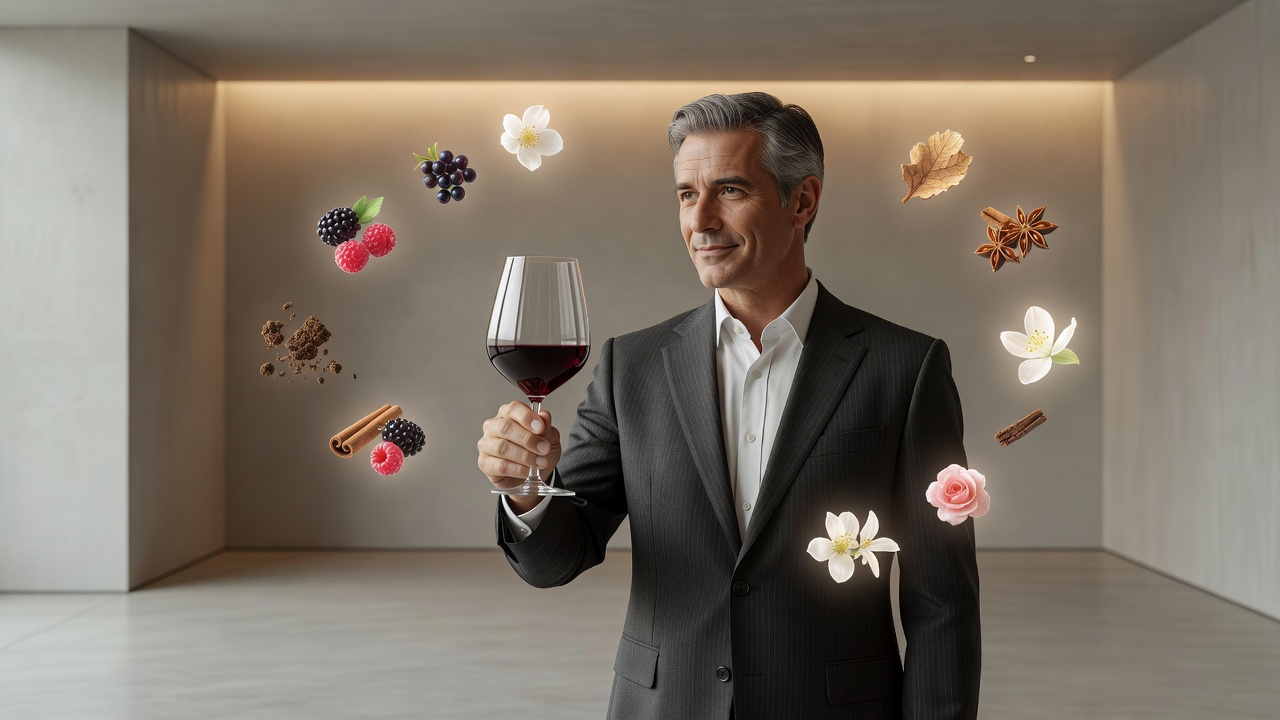
Developing the ability to pinpoint and articulate aromas transforms casual wine enjoyment into precise, memorable tasting notes. In 2026, enthusiasts and professionals alike benefit from refined techniques that capture evolving flavor expressions in popular varietals. This guide provides practical methods to build aroma recognition skills, using structured approaches like aroma wheels and targeted exercises that have been updated for current vintages. Whether you are a beginner seeking to elevate your reviews or an experienced taster refining your palate, mastering aroma profiles leads to more insightful and shareable tasting notes that stand out in wine communities and publications.
Exploring the Wine Aroma Wheel Categories
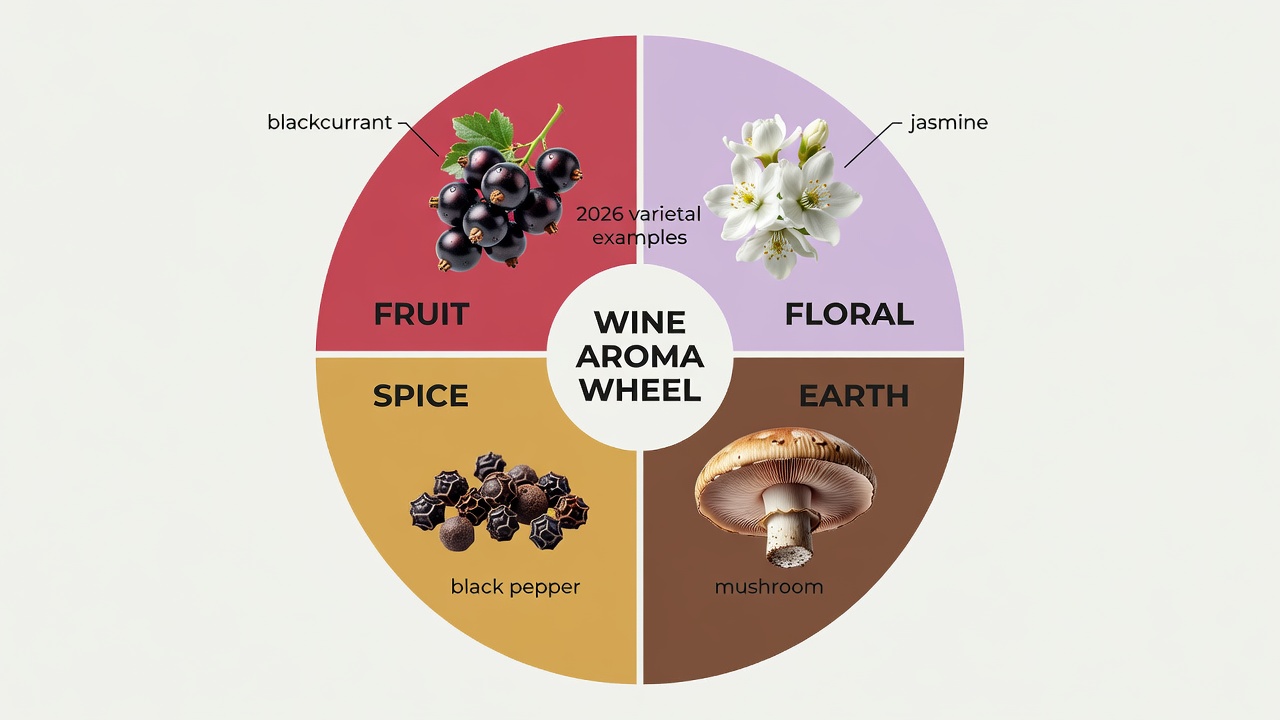
The aroma wheel organizes scents into primary groups including fruit, floral, spice, and earth. Each category contains layered descriptors that help reviewers move beyond vague terms to specific language supported by sensory science. Reference wheels from established sources help standardize descriptions across tasters worldwide.
Fruit Notes
Fruit aromas dominate many wines. In 2026 Cabernet Sauvignon from California, expect blackcurrant and black cherry alongside subtle plum. Chardonnay often shows citrus like lemon zest or tropical mango, while Pinot Noir highlights red cherry and raspberry. These fruit expressions vary by ripeness levels and fermentation techniques, with riper vintages amplifying stone fruit components.
Floral Notes
Floral elements add elegance. Riesling frequently presents jasmine and honeysuckle, whereas Gewürztraminer leans toward rose petal and lychee blossom. These notes intensify in cooler-climate expressions and can be enhanced by specific yeast strains used in modern winemaking.
Spice Notes
Spice profiles range from subtle to bold. Syrah may deliver black pepper and clove, while Zinfandel offers cinnamon and nutmeg. Viognier can reveal ginger and cardamom accents that pair beautifully with food pairings in contemporary tasting events.
Earth Notes
Earthy undertones ground complex wines. Nebbiolo often features leather and mushroom, and older Bordeaux shows forest floor and tobacco leaf. These descriptors emerge more clearly with bottle age and are influenced by soil types such as clay or limestone.
Step-by-Step Palate Training Exercises
Consistent practice sharpens aroma detection. Follow these expanded exercises weekly to build lasting skills:
- Select three wines with overlapping but distinct profiles and smell each glass for 30 seconds with eyes closed, focusing solely on the first impression.
- Reference an aroma wheel while noting initial impressions, then compare against known standards such as fresh berries or dried herbs available at local markets.
- Repeat the process after swirling and aerating to observe how oxygen releases new layers, timing the changes at one-minute intervals.
- Document findings in a tasting journal, focusing on intensity and evolution over five minutes, including any shifts from primary to secondary aromas.
- Retest the same wines after 24 hours to train memory retention and note any development from oxidation.
- Incorporate blind tasting sessions with friends to eliminate visual bias and strengthen pure olfactory memory.
Advanced practitioners often repeat these drills monthly while tracking progress against benchmarks from professional courses.
Side-by-Side Comparisons of Similar Wines
Direct comparisons highlight subtle differences that single tastings often miss. Consider two 2025 Pinot Noirs: one from Oregon’s Willamette Valley versus Burgundy’s Côte de Nuits. The Oregon example may emphasize bright strawberry and violet, while the Burgundy leans toward earthy mushroom and rosehip. Tasting them together clarifies regional signatures and improves descriptive accuracy. Another useful pairing involves 2026 Sauvignon Blanc from New Zealand and the Loire Valley. The New Zealand version typically bursts with passionfruit and grapefruit, contrasting the Loire’s more restrained gooseberry and wet stone character. Adding a third wine, such as a California version, further illustrates how climate shapes aroma intensity. These exercises reveal how vintage conditions in 2026 have produced more pronounced fruit-forward profiles in many regions.
Applying Aromas to Real Scoring Systems
Professional scoring systems such as the 100-point scale reward precise aroma notes. Wines with layered, well-articulated profiles often score higher in categories for complexity. Reviewers should link specific aromas to overall balance when assigning points, ensuring notes support numerical evaluations. For instance, a wine showing evolving spice and earth notes alongside fruit may receive extra points for depth. Many publications now integrate aroma descriptions directly into scores, making detailed language essential for submissions. Wine Magazine regularly publishes examples of high-scoring notes that demonstrate this integration.
Tools and Resources for Consistent Documentation
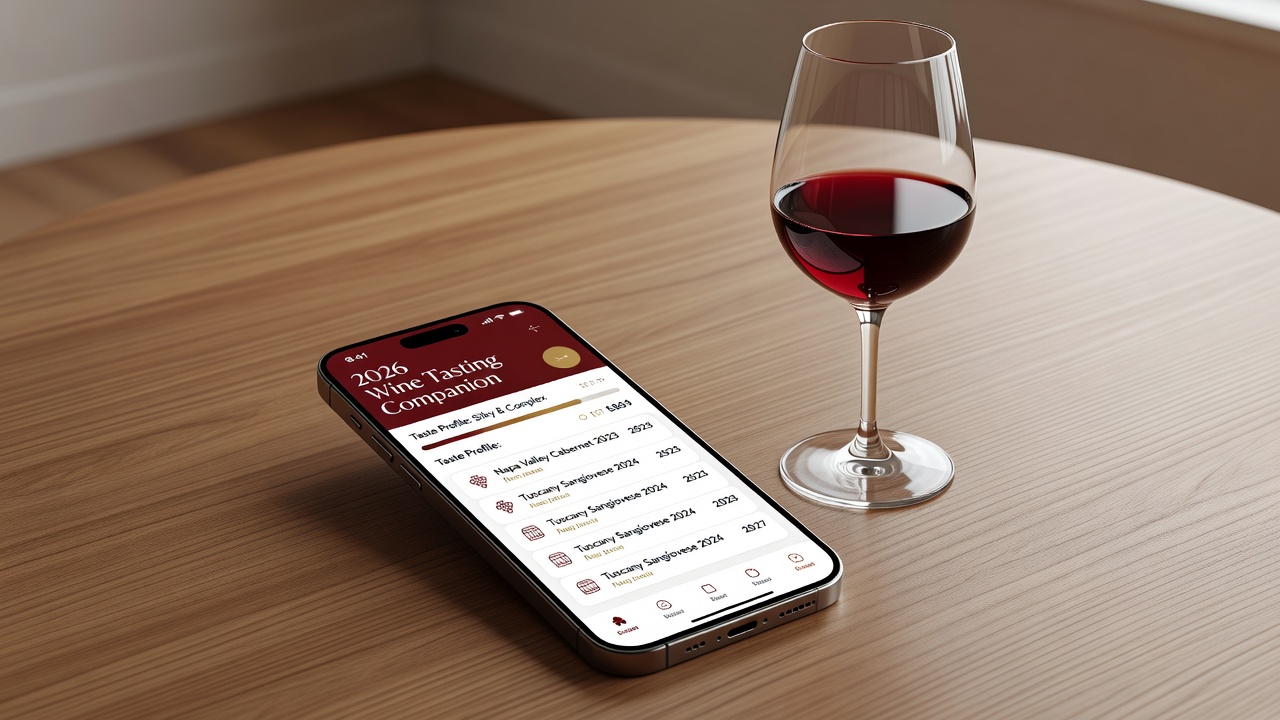
Reliable documentation requires more than memory. Printed aroma wheels, digital apps, and standardized tasting sheets allow tasters to record observations systematically. Cross-referencing with resources from Decanter provides additional context on emerging descriptors used in 2026 reviews. Keeping a digital archive organized by varietal and vintage helps identify personal patterns and improvement areas over time.
Common Mistakes to Avoid
Many beginners rush through the sniffing phase or rely too heavily on visual cues from the wine’s color. Another frequent error involves using overly broad terms without qualifiers such as “ripe” or “underripe.” Avoiding these pitfalls through deliberate practice leads to more professional and credible tasting notes that resonate with wider audiences.
Conclusion
Mastering aroma profiles elevates every tasting session. Regular use of wheels, exercises, and comparisons builds lasting skill that enhances both personal enjoyment and professional reviews. With dedicated effort, any enthusiast can produce tasting notes that capture the full complexity of 2026 wines.
FAQ
What are common pitfalls when describing wine aromas?
Overusing generic terms like “fruity” without specifics and failing to note intensity changes after swirling are frequent issues. Practice with reference standards helps avoid these.
Which tools aid consistent aroma documentation?
Printed or digital aroma wheels, standardized tasting sheets, and apps that catalog descriptors support reliable record-keeping across sessions.
How long does it take to see improvement in aroma recognition?
Most dedicated tasters notice measurable progress within four to six weeks of consistent weekly exercises, with continued refinement over several months.
Can aroma training help with food pairing decisions?
Yes, identifying specific notes such as spice or earth allows more precise matching with dishes, leading to more harmonious dining experiences.
No comments yet. Be the first!