 Uncorked Conversations
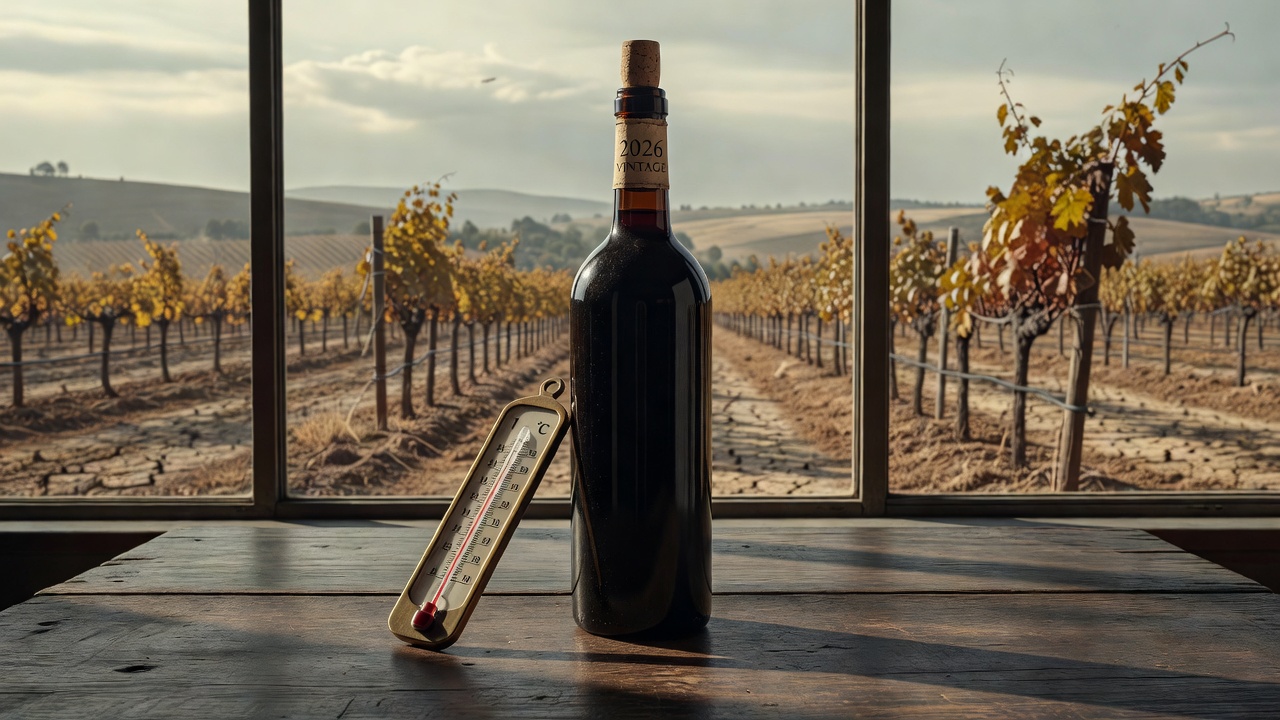
Climate change is fundamentally altering the sensory profiles of wines worldwide, and 2026 vintages reflect these shifts more clearly than ever. Rising temperatures, altered rainfall patterns, and extreme weather events are reshaping grape chemistry, leading to changes in acidity, sugar levels, tannin structure, and aromatic compounds that directly influence tasting notes and numerical scores. Wine enthusiasts and professional critics must adapt their evaluation methods to account for these environmental pressures, ensuring that reviews remain relevant and accurate in an era of accelerating climate variability. This article provides an in-depth exploration of these impacts, offering concrete examples, measurement techniques, and actionable frameworks tailored to the 2026 harvest season.
Understanding Climate-Driven Changes in Wine Chemistry
Higher average temperatures accelerate grape ripening, often resulting in elevated sugar content and reduced natural acidity. This produces wines with riper fruit notes but sometimes flatter mouthfeel. In 2026, many regions report vintages with alcohol levels 0.5–1.5% higher than historical averages, affecting both flavor intensity and perceived balance on critic scorecards. Beyond temperature, irregular precipitation has led to water stress in some vineyards, concentrating phenolic compounds while diminishing delicate floral and herbal aromatics. These chemical shifts manifest in tasting rooms as wines that taste more powerful yet less vibrant, prompting reviewers to reconsider traditional benchmarks for quality. Soil microbiomes are also responding to warmer conditions, subtly influencing terroir expression and adding layers of complexity that were less pronounced in cooler decades.
Expanded Impacts on Key Chemical Components
Acidity, the backbone of many fine wines, declines as malic acid degrades faster under heat. Tannins polymerize differently, yielding softer textures but reduced aging potential. Volatile compounds responsible for aromas such as pyrazines in Cabernet or monoterpenes in Riesling decrease or transform, leading to notes that skew toward cooked or jammy profiles rather than fresh fruit. In 2026 tastings, these alterations are quantifiable through laboratory analysis paired with sensory panels, revealing consistent patterns across hemispheres.
Region-Specific Examples from the 2026 Vintage
In Bordeaux, 2026 Cabernet Sauvignon shows pronounced blackcurrant and graphite notes giving way to more baked plum and cocoa characteristics, with critics noting softer tannins compared to pre-2020 expressions. Burgundy Pinot Noir displays brighter red fruit but diminished earthy complexity, prompting adjustments in scoring rubrics that now weight freshness more heavily. The Loire Valley has seen Chenin Blanc develop unexpected tropical undertones alongside classic apple and honey, while maintaining enough acidity to score well when reviewers adjust for vintage norms.
California’s Napa Valley saw heat spikes that concentrated flavors in Cabernet, yielding intense cassis and dark chocolate aromas alongside higher pH levels that reduce aging potential. Australian Shiraz from Barossa exhibits lifted spice and eucalyptus notes but lower acidity, requiring reviewers to recalibrate expectations around structure scores. In South Africa’s Stellenbosch region, 2026 Pinotage presents riper berry and smoke elements with less vibrant acidity, while New Zealand Sauvignon Blanc from Marlborough shows muted passionfruit and more herbaceous tones due to variable spring rains. These examples illustrate how climate is not uniformly negative; some cooler or well-managed sites are producing unexpectedly expressive wines that reward updated evaluation approaches.
Quantifying Shifts in Tasting Notes and Scores
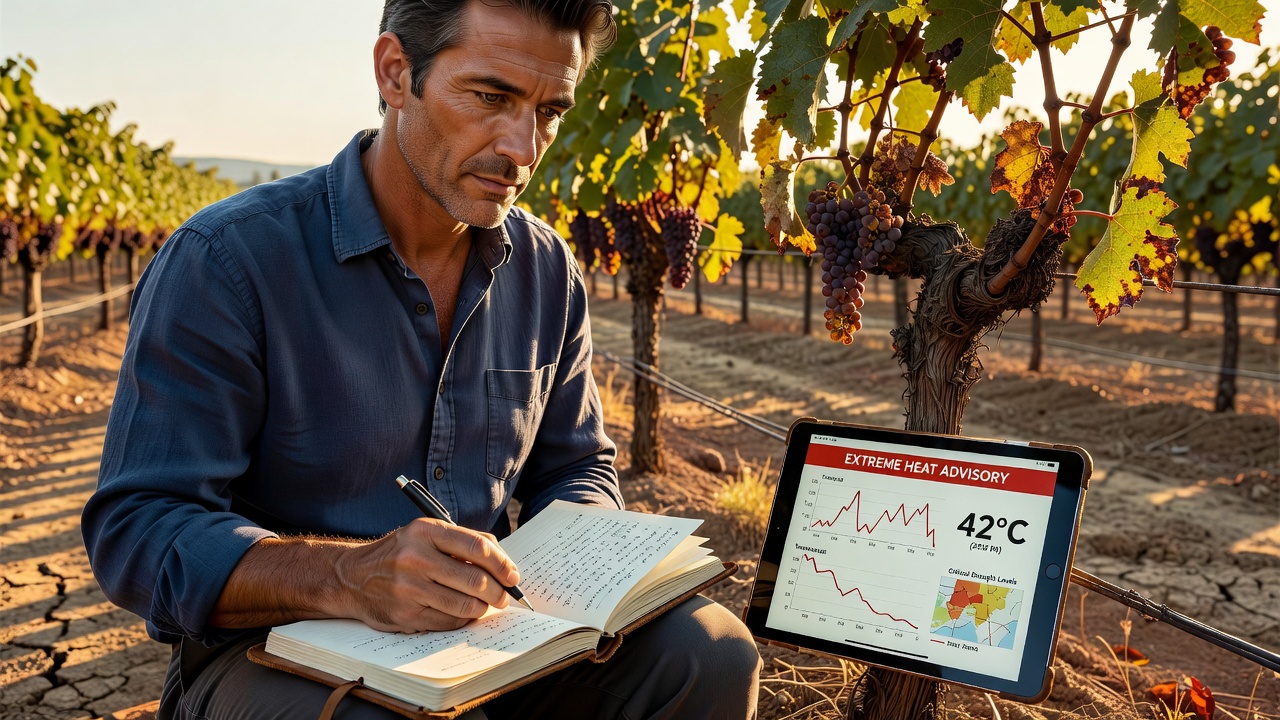
Professional reviewers are increasingly incorporating climate metadata into evaluations. A practical method involves logging vintage-specific weather data alongside sensory descriptors. For instance, comparing 2015 and 2026 scores from the same producer often reveals a 2–4 point drop in acidity-related categories when heat units exceed historical norms by 15%. Advanced techniques include using gas chromatography to measure ester profiles and correlating them with perceived aroma intensity on standard 100-point scales. This allows for statistical models that predict score adjustments based on cumulative degree-days or drought indices. Tools such as the IPCC climate reports and regional harvest data allow quantitative correlation between temperature anomalies and aromatic compound concentrations. Additional resources from the National Oceanic and Atmospheric Administration provide granular vineyard-level weather archives that critics can overlay with tasting grids. This data-driven approach helps critics maintain consistency while acknowledging environmental realities and supports transparent communication with readers about why scores may trend differently in recent vintages.
Step-by-Step Framework for Climate-Informed Tasting Sessions
- Record local vintage weather summaries from official meteorological sources before tasting. Include metrics such as growing degree days, rainfall totals, and heatwave frequency to establish context for each wine.
- Blind taste multiple vintages side-by-side, noting any deviations in primary fruit, secondary development, and tertiary notes. Use a standardized form that flags climate-related descriptors like “heat-kissed” or “drought-concentrated.”
- Adjust scoring weights: increase emphasis on balance and freshness when climate data indicates heat stress. For example, reduce the point allocation for structure if acidity is measurably lower.
- Document expected versus observed aromatic intensity using a standardized lexicon that includes climate qualifiers such as “heat-ripened” or “drought-stressed.” Cross-reference with peer reviews from the same vintage.
- Revisit scores after 6–12 months of bottle aging to assess how climate-influenced chemistry evolves. Track how initial riper fruit notes integrate or fade over time.
- Share findings in tasting groups or publications with explicit climate context to educate the broader community and refine collective scoring norms.
Pre- and Post-Climate Influence Score Comparisons
Classic 2010 Bordeaux often scored 95+ for structure and aging potential. Equivalent 2026 expressions from the same estates frequently land in the 91–93 range under updated rubrics that penalize lower acidity more strictly. Conversely, cooler-climate regions like Germany’s Mosel have seen slight score increases in 2026 Riesling due to retained acidity and enhanced mineral expression. In Tuscany, 2026 Sangiovese shows more consistent ripeness but requires careful scoring to avoid overvaluing power at the expense of elegance. These comparisons highlight the need for dynamic benchmarks rather than static historical ideals.
Common Mistakes to Avoid When Adjusting Scores
- Over-penalizing riper styles without considering stylistic intent or winemaker goals for the vintage.
- Ignoring vintage-specific weather context when comparing across decades, which can lead to unfair legacy score inflation.
- Failing to update personal tasting lexicons to include new descriptors driven by climate shifts, resulting in repetitive or outdated notes.
- Neglecting to factor in viticultural adaptations such as canopy management or irrigation that may mitigate some climate effects.
FAQ: Scoring Adjustments for Climate-Affected Wines
How should acidity scores be adjusted in warmer vintages?
Lower the maximum available points for acidity by 1–2 points when vintage data shows sustained temperatures above regional norms, then score relative to that adjusted scale. Always note the rationale in published reviews.
Do climate changes affect aging predictions in reviews?
Yes. Reduced acidity and higher pH often shorten optimal drinking windows by 3–7 years, which should be reflected in long-term aging commentary and secondary market value discussions.
Should critics publish climate context alongside scores?
Leading publications increasingly include brief vintage climate summaries to help readers interpret numerical scores accurately and understand the environmental story behind each wine.
What role do technological adaptations play in 2026 scores?
Modern techniques such as precision irrigation and shade netting can preserve acidity even in hot years, sometimes resulting in wines that defy broader regional trends and merit higher freshness points.
Tools and Resources for Ongoing Adaptation
Enthusiasts can leverage open-source climate datasets and wine-specific apps that integrate weather history with tasting logs. Cross-referencing with reports from the International Organisation of Vine and Wine ensures access to globally standardized metrics. Regular participation in climate-focused tasting panels helps calibrate personal palates against collective observations.
Conclusion
Adapting tasting practices to 2026 climate realities ensures more accurate and useful wine documentation. By integrating weather data, refining evaluation frameworks, and updating score expectations, enthusiasts and professionals alike can better capture the evolving character of modern vintages. Continued attention to these environmental factors will remain essential for meaningful wine criticism in the years ahead, fostering a more resilient and informed appreciation of wine in a changing world.

No comments yet. Be the first!