 Uncorked Conversations
Introduction to Terroir in 2026 Wine Reviews
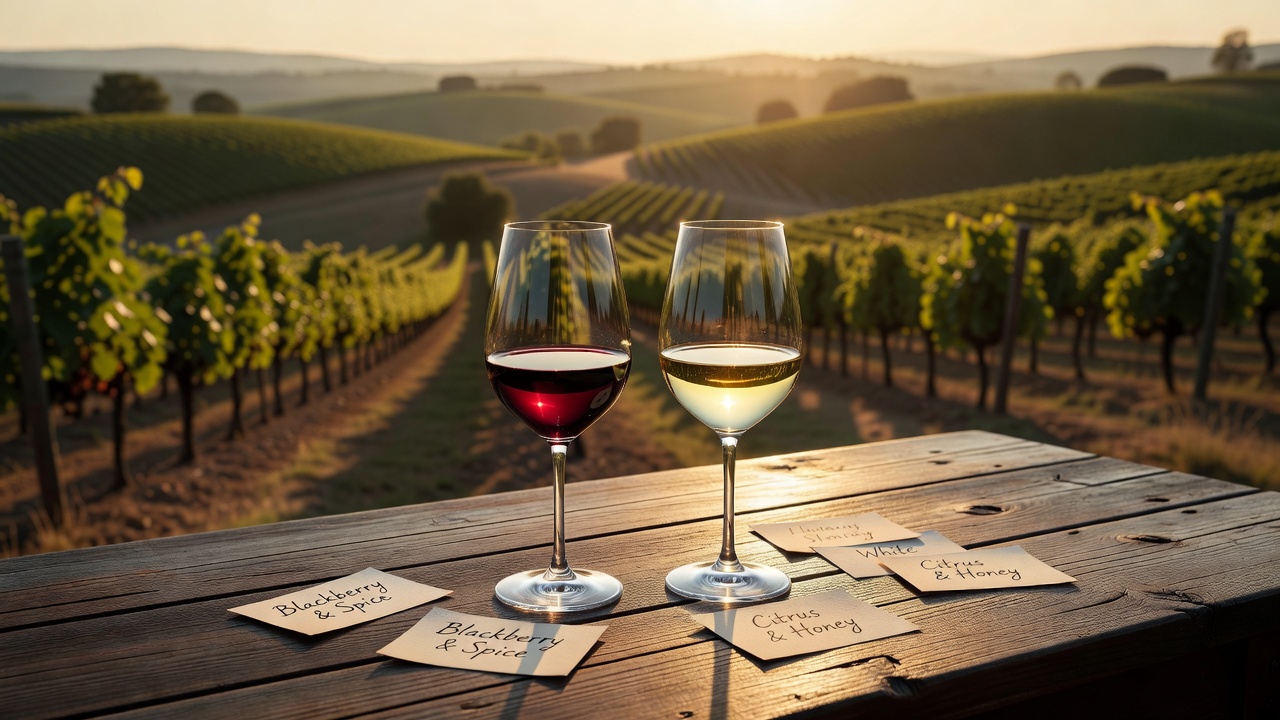
Terroir remains the cornerstone of premium wine evaluation in 2026, shaping everything from aroma profiles to final critic scores. This article examines how soil composition, climate nuances, and regional identity drive tasting notes beyond generic descriptors, offering wine enthusiasts actionable insights for interpreting professional reviews. In today’s market, understanding terroir allows consumers to move past superficial tasting notes and appreciate why two wines made from the same grape can taste dramatically different. Professionals at major publications increasingly highlight terroir-specific attributes when assigning scores, making this knowledge essential for collectors and casual drinkers alike.
Understanding Terroir Components
Soil Types and Their Impact
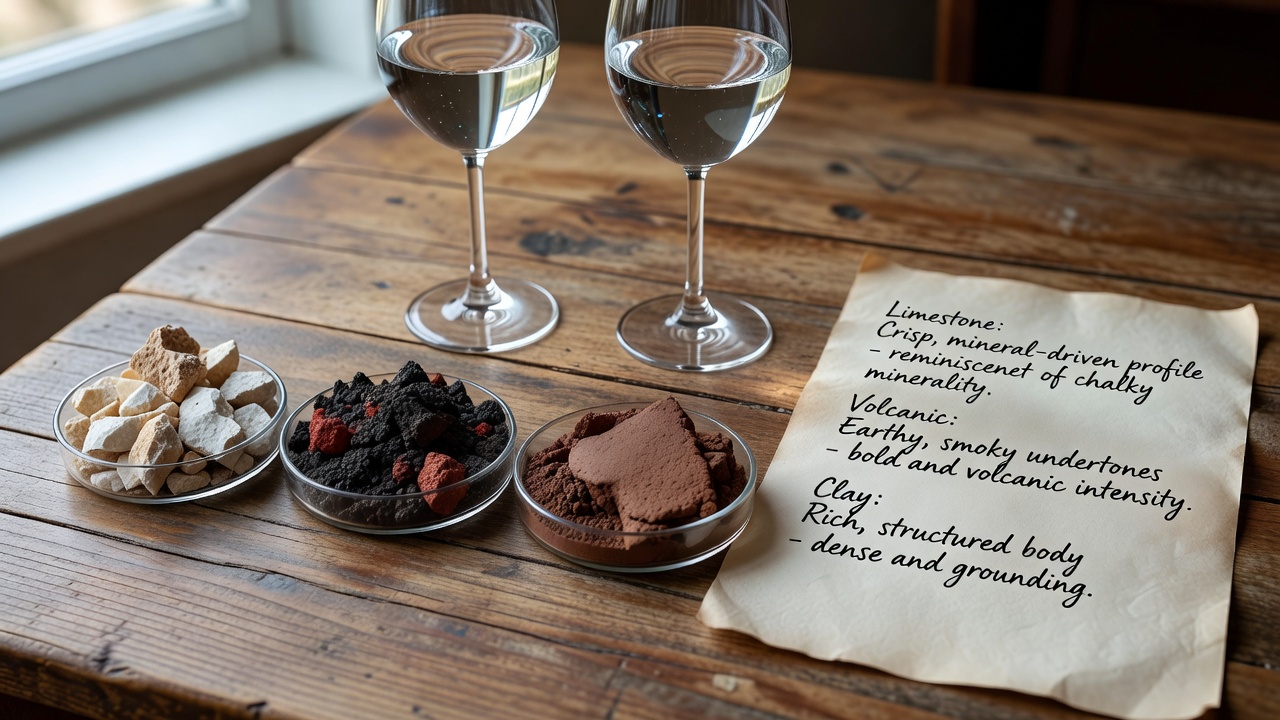
Soil is the foundation of terroir expression. Limestone-rich soils in regions like Burgundy impart mineral-driven notes such as wet stone and chalk, often elevating scores for Chardonnay. Volcanic soils in areas like Sicily contribute earthy, smoky undertones that distinguish Nero d’Avola expressions. Clay-heavy terrains retain moisture, leading to fuller-bodied wines with darker fruit notes, while sandy soils produce lighter, more aromatic profiles. Gravel and schist soils, common in the Loire Valley and parts of South Africa, add structure and salinity that translate into higher scores for Chenin Blanc and Sauvignon Blanc. In 2026, winemakers in emerging regions are experimenting with soil amendments to enhance these natural expressions without altering the fundamental character.
Practical comparison: A Pinot Noir from limestone soils in Oregon typically scores 92+ points for its bright acidity and flinty finish, whereas the same varietal from volcanic soils in the Willamette Valley may highlight savory herbal layers, scoring similarly but with distinct descriptors. These differences become especially evident during blind tastings where tasters must rely solely on sensory cues.
Climate Factors Influencing 2026 Vintages
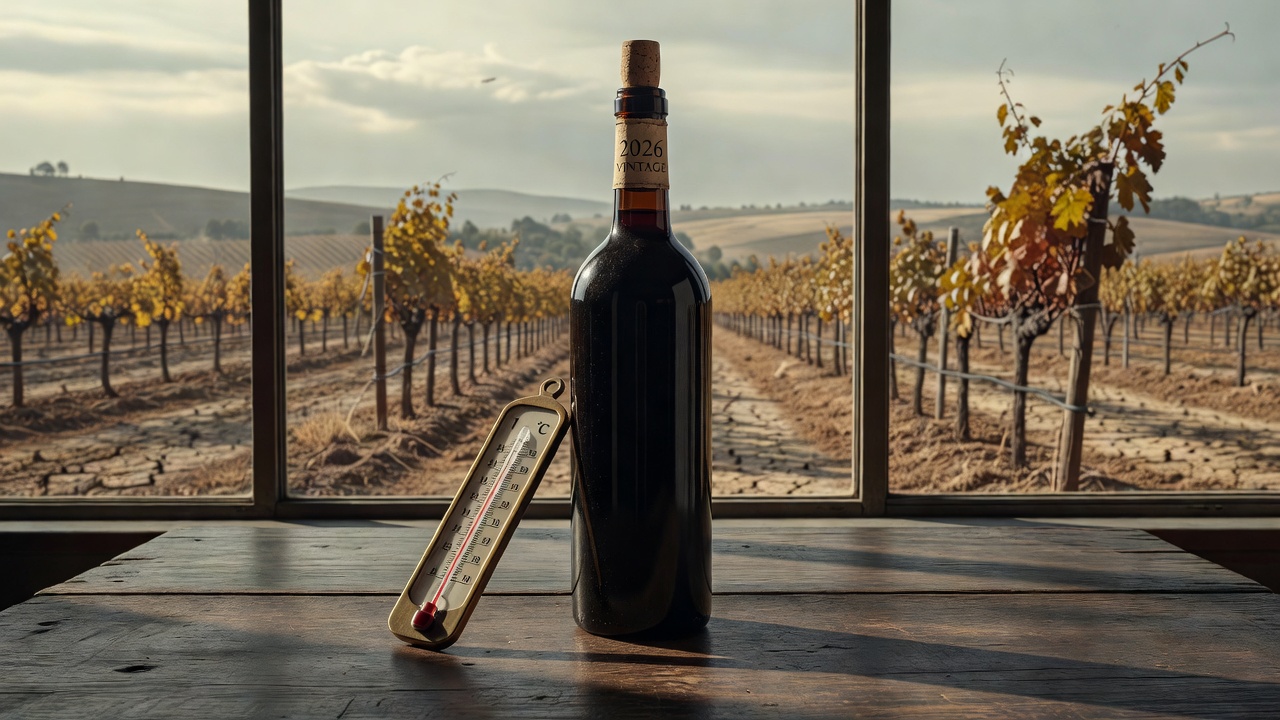
Climate variations, including temperature fluctuations and rainfall patterns, directly affect ripening and aromatic development. Cooler climates preserve acidity and produce green apple or citrus notes in whites, while warmer conditions enhance jammy fruit in reds. Elevation plays an additional role, with higher vineyards experiencing greater diurnal swings that preserve freshness. In 2026, shifting weather patterns have amplified these effects, with experts noting increased herbal complexity in cooler vintages and riper, more concentrated flavors in warmer zones. Water stress, a growing concern due to changing precipitation, can intensify flavor compounds but must be carefully managed to avoid over-extraction.
Regional Examples: Established and Emerging Areas
Established regions like Bordeaux showcase gravel soils yielding structured Cabernet Sauvignon with cassis and graphite notes, frequently earning 95+ scores. Lesser-known areas such as the Canary Islands feature volcanic pumice soils that deliver saline, volcanic ash aromas in Listan Negro wines, providing unique value in blind tastings. Burgundy’s limestone and marl soils continue to define world-class Pinot Noir and Chardonnay, with villages like Puligny-Montrachet producing wines that consistently receive 94–98 point scores for their precision and length. In California’s Napa Valley, volcanic and alluvial soils create powerful Cabernet Sauvignon with black fruit and cocoa notes. Emerging regions in Hungary’s Tokaj and South Africa’s Swartland offer granite and shale soils that produce distinctive Chenin Blanc and Rhône-style blends, often scoring above 90 points from critics seeking new terroir expressions.
Step-by-Step Guide to Identifying Terroir in Blind Tastings
- Assess the wine’s appearance for clues about ripeness influenced by climate, noting color depth and rim variation.
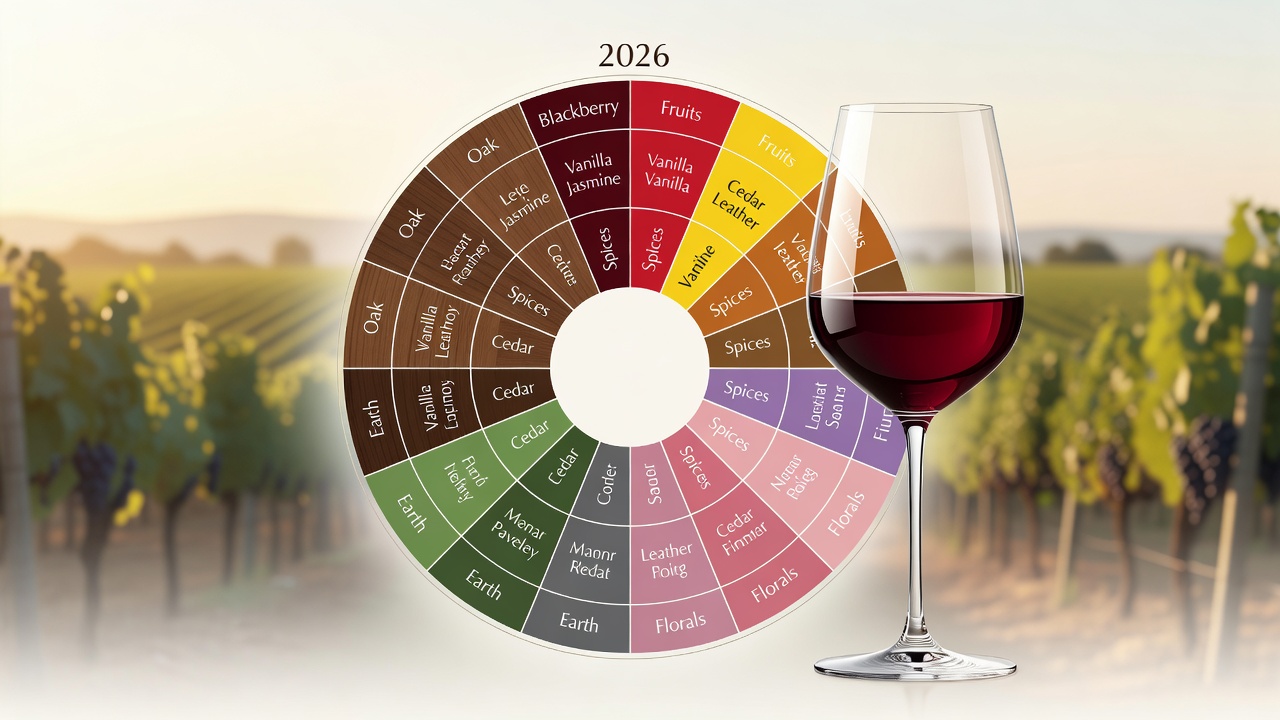
- Swirl and nose systematically, noting primary fruit versus secondary mineral or earthy aromas tied to soil, while considering oak influence separately.
- Palate evaluation: Track acidity, tannin texture, and finish length for climate signatures, paying close attention to how minerality evolves over time.
- Compare against known regional benchmarks to isolate terroir markers, using mental maps of classic examples from each soil type.
- Adjust notes iteratively based on vintage reports for accuracy, cross-referencing weather data and producer practices.
Real-World Score Examples from Professional Reviews
Professional critics consistently reward terroir-driven complexity. For instance, a 2024 Barolo from clay-limestone soils earned 96 points from Wine Spectator for its tar and rose petal notes. Similarly, a lesser-known Greek Assyrtiko from volcanic soils scored 93 points, praised for its citrus zest and saline minerality. A 2025 Oregon Pinot Noir from limestone soils received 94 points from Decanter, noted for its wet stone and red cherry profile. These scores reflect how terroir elevates wines beyond varietal correctness into memorable, site-specific expressions.
Practical Comparisons of Similar Wines
Comparing two Chardonnays—one from Burgundian limestone and another from California granite—reveals how terroir shifts scores. The former often highlights wet stone and citrus zest for higher elegance ratings, while the latter emphasizes tropical fruit with broader appeal. A similar exercise with Cabernet Franc from the Loire’s tuffeau soils versus Washington State’s basalt soils shows striking differences in herbal intensity and finish, helping tasters calibrate expectations when reading reviews.
Building a Personal Terroir-Based Tasting System
Creating a repeatable system starts with documenting soil type, elevation, and vintage conditions for every wine tasted. Maintain a dedicated notebook or digital log that pairs sensory observations with geological data. Over time, patterns emerge that allow faster identification of terroir signatures. Resources from organizations like the International Organisation of Vine and Wine provide standardized terminology that improves consistency across personal and professional evaluations.
FAQ: Adjusting Tasting Notes for Terroir Variations
How do I adjust notes when terroir varies within the same region?
Focus on micro-climate differences by cross-referencing producer data and vintage charts to refine descriptors like minerality or fruit ripeness. Small changes in slope or aspect can dramatically alter acidity and aroma intensity, so always consider exact vineyard location.
What tips help build a personal terroir-based tasting system?
Start with a notebook tracking soil type, climate data, and aroma associations. Use consistent blind tasting protocols and review scores from authoritative sources to calibrate your palate over time. Revisit the same wines across multiple vintages to isolate terroir from vintage effects.
How should I handle vintage variation when terroir is the focus?
Separate vintage-driven ripeness from soil-driven minerality by noting how base aromas persist across years. This approach prevents over-attributing changes to terroir alone.
Conclusion
Mastering terroir in 2026 wine evaluations empowers better purchasing decisions and deeper appreciation. By applying these insights, readers can decode expert scores with greater precision and develop personalized tasting frameworks that celebrate regional uniqueness. Continued practice with structured comparisons and blind tastings will sharpen the ability to recognize terroir signatures across any wine list or cellar.
No comments yet. Be the first!