 Uncorked Conversations
Introduction to Flavor Wheels in Modern Wine Tasting
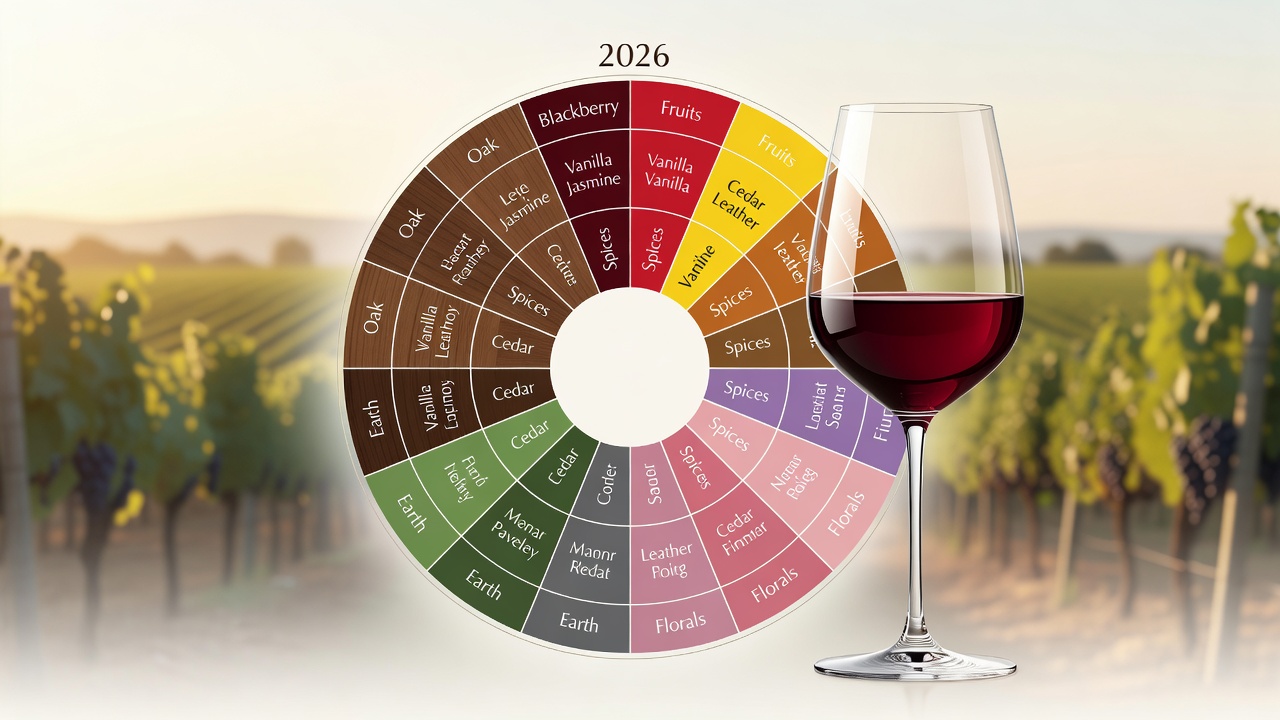
Wine enthusiasts and beginners alike seek structured methods to capture the complexity of aromas and flavors in each bottle. Flavor wheels provide a visual, organized framework that transforms vague impressions into detailed, memorable tasting notes. In 2026, these tools remain essential for refining descriptive skills during home tastings and professional sessions. Rather than relying on memory alone, a well-designed wheel acts as both a reference guide and a training aid, helping tasters identify subtle differences between vintages, regions, and production methods.
By categorizing scents into logical groups such as fruits, spices, and earth notes, tasters develop consistency across multiple vintages. This approach supports integration with numerical scoring systems, helping enthusiasts track progress over time. The result is a personal archive of tasting experiences that grows more valuable with each use, turning casual enjoyment into a disciplined sensory practice.
Understanding Aroma Categorization Basics
Aroma categorization forms the foundation of any effective flavor wheel. Primary categories typically include primary fruit aromas, secondary fermentation notes, and tertiary aging characteristics. Subdivisions allow for precision—for instance, distinguishing between citrus zest and tropical mango within the fruit family. Additional layers can separate vegetal notes like bell pepper from herbal elements such as thyme or mint.
Professional wheels often start with broad umbrellas before branching into specifics like herbal, floral, or mineral descriptors. This hierarchy prevents overlap and encourages tasters to identify layered profiles systematically. For example, a mineral category might further divide into wet stone, flint, and saline expressions, each corresponding to different soil types or winemaking decisions. Building familiarity with these distinctions sharpens the ability to articulate why one wine feels vibrant while another seems muted.
Integrating Flavor Wheels with Wine Scores
Pairing a custom wheel with established scoring methods elevates tasting sessions. Assign points based on aroma intensity detected via the wheel, then cross-reference with balance, finish, and complexity metrics. This creates reproducible results that align personal notes with industry standards. Over several tastings, patterns emerge that reveal personal preferences and blind spots in perception.
Many enthusiasts update scores after revisiting a wheel weeks later, revealing how initial impressions evolve with bottle breathing time. Combining the wheel with a simple spreadsheet or notebook allows for side-by-side comparisons across different evenings, highlighting how factors like temperature or glass shape influence detected aromas. This disciplined integration turns subjective tasting into measurable improvement.
Adapting Wheels for Different Grape Varieties
Customization ensures relevance across varietals. For Cabernet Sauvignon, emphasize dark fruit, tobacco, and cedar sections. Chardonnay wheels benefit from expanded oak, butter, and citrus branches. Pinot Noir adaptations highlight red berry, mushroom, and floral elements. Riesling wheels often require prominent sections for petrol, lime, and honey, while Syrah wheels benefit from expanded spice and smoked meat categories.
Seasonal adjustments for 2026 tastings might incorporate emerging descriptors tied to climate-influenced harvests, keeping wheels dynamic. When exploring lesser-known grapes such as Grüner Veltliner or Aglianico, start with core families and add unique branches for white pepper or leather notes. This flexibility keeps the tool useful whether tasting everyday bottles or rare library vintages.
Step-by-Step Guide to Creating Your Custom Flavor Wheel
- Begin with a blank circle divided into 8–12 main categories based on common wine families.
- Research and list 4–6 specific descriptors under each category using reliable references.
- Color-code sections for quick visual scanning during blind tastings.
- Test the wheel against 3–5 wines and refine missing terms.
- Print multiple copies or digitize for repeated use across sessions.
- Periodically add new descriptors discovered during group tastings or winery visits.
This process yields a personalized tool ready for immediate application. Consider laminating printed versions for durability at the table or using digital drawing tools to create interactive versions that can be updated easily.
Real-World Examples from Home Tastings
One enthusiast documented a 2025 Bordeaux tasting by mapping blackcurrant, graphite, and vanilla notes on a wheel, resulting in clearer comparative notes across three bottles. Another beginner adapted a wheel for New World Sauvignon Blanc, isolating passionfruit and gooseberry to distinguish regional styles accurately. A third taster created a dedicated wheel for aged Barolo, focusing on tar, rose, and dried fruit to track evolution over multiple decanting intervals.
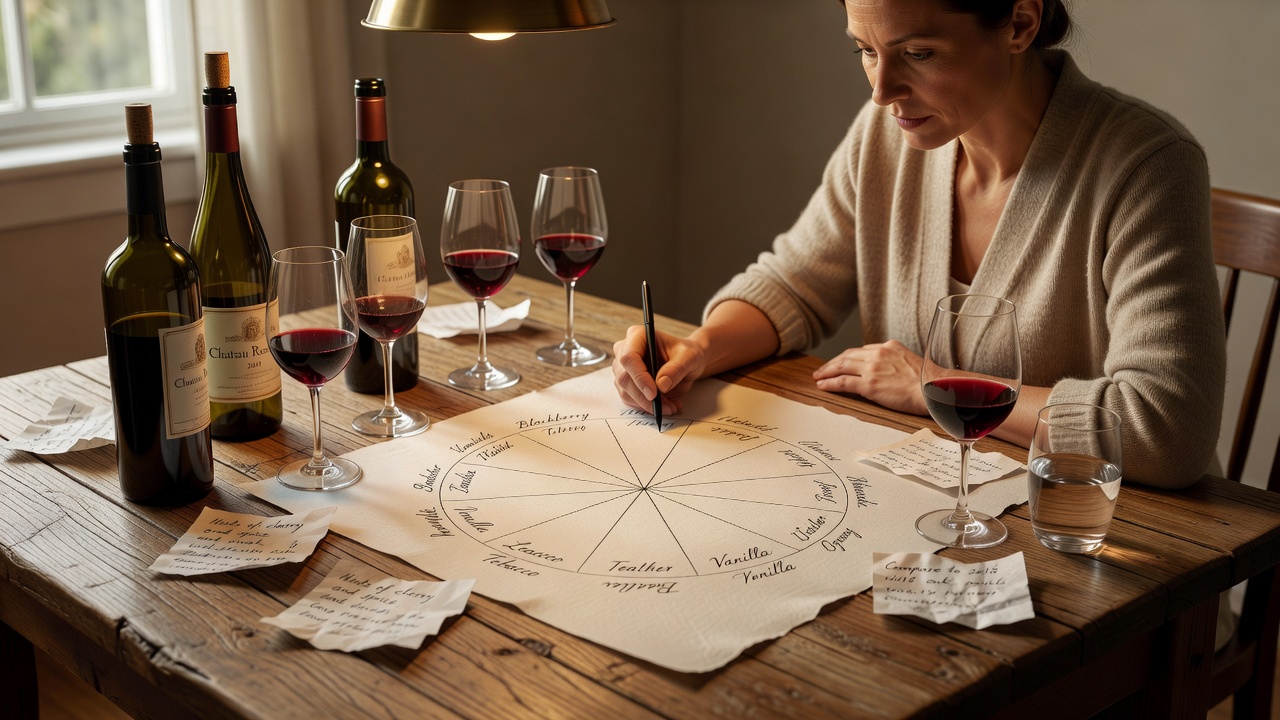
These examples demonstrate how wheels turn casual sipping into insightful analysis, building a personal database of preferences over months. Documenting each session with photos of the marked wheel provides visual progress records that are both motivating and educational.
Advanced Techniques for Memorable 2026 Sessions
Incorporate timed aroma identification exercises using the wheel to sharpen sensory memory. Combine wheels with digital apps for logging entries, or layer multiple wheels for comparative flights. Focus on cross-category connections, such as how oak influences perceived fruit ripeness, to uncover nuanced profiles. Advanced users often create companion wheels for texture and mouthfeel, noting how descriptors like velvety or grippy align with specific aroma clusters.
Regular refinement sessions every few weeks help maintain sharpness as palates adapt. Hosting themed evenings where friends contribute descriptors can rapidly expand a wheel’s vocabulary and introduce unexpected but accurate terms.
Common Mistakes to Avoid When Building Flavor Wheels
Many beginners overcrowd wheels with too many overlapping terms, making quick reference difficult. Others neglect to include negative or neutral descriptors such as “flat” or “astringent,” which are essential for balanced evaluation. Avoid using overly poetic language that cannot be consistently replicated; instead, favor concrete terms that multiple tasters can agree upon. Finally, resist the urge to finalize a wheel after only one or two uses—iterative testing against diverse wines is necessary for lasting utility.
FAQ: Refining Your Tasting Notes Over Time
How often should I update my flavor wheel? Review and expand categories quarterly based on new wines tasted.
Can beginners start without prior knowledge? Yes—start with broad categories and add specifics through repeated practice.
What resources support wheel development? Consult Wine Institute for foundational aroma lists and Decanter for variety-specific guidance. Additional depth is available through Wine Spectator archives.
How do wheels improve score consistency? They provide repeatable reference points that reduce subjective drift in evaluations.
Should I share my wheel with others? Sharing encourages feedback and exposes gaps in your categorization system.
Conclusion
Flavor wheels empower precise, evolving wine tasting notes throughout 2026. By following structured creation and adaptation processes, enthusiasts gain tools for deeper appreciation and clearer communication of each bottle’s unique character. Consistent use transforms every tasting into an opportunity for sensory growth and lasting enjoyment.

No comments yet. Be the first!