 Uncorked Conversations
Introduction: Elevating Your Wine Tasting Experience in 2026
Writing effective wine tasting notes transforms casual sipping into a skill that enhances appreciation and allows you to share memorable experiences. In 2026, with evolving vintages and consumer interest in personalized reviews, mastering this practice helps beginners document flavors accurately and build consistency. This guide provides a complete framework covering appearance, nose, palate, and finish, along with scoring methods and vocabulary to create shareable notes. By investing time in structured tasting, you develop a personal database of preferences that improves future selections and deepens enjoyment during home sessions or social gatherings.
The Core Structure of Professional Tasting Notes
Every strong tasting note follows a logical sequence that mirrors the sensory evaluation process. Start with appearance to note color and clarity, move to the nose for aromas, assess the palate for taste and texture, and end with the finish to describe aftertaste duration. This order ensures comprehensive coverage without overlooking details. Following this structure makes notes more objective and useful for personal records or sharing with others. Professionals emphasize repeating the same order each time to train consistency and reduce bias from initial impressions.
Step-by-Step Tasting Process
Begin by pouring a small amount of wine into a proper glass and observing it against a white background. Swirl gently to release aromas before inhaling deeply. Take a sip, let it coat the tongue, and note initial impressions, mid-palate evolution, and lingering finish. Repeat with small sips to confirm observations. Practice this sequence consistently to develop muscle memory for accurate documentation. Consider environmental factors such as lighting and room temperature, which can influence perception. Many enthusiasts also recommend tasting in the morning when senses are sharpest and avoiding strong foods beforehand.
Appearance: Color, Clarity, and Viscosity
Examine the wine's hue and intensity first. Red wines range from ruby to garnet, while whites vary from pale straw to deep gold. Note any legs or tears on the glass after swirling, which indicate alcohol content and body. Clarity should be bright unless the wine is unfiltered. These visual cues often hint at age, grape variety, and potential quality before tasting begins. For sparkling wines, observe bubble size and persistence as indicators of quality and production method. Recording exact shades, such as "medium ruby with purple rim," adds precision that helps track evolution over time in your cellar notes.
Nose: Identifying Aromas and Bouquet
After swirling, identify primary fruit aromas, secondary notes from oak or fermentation, and tertiary developed scents from aging. Use precise terms like blackcurrant, citrus zest, or toasted almond rather than vague descriptions. Practice smelling everyday items like herbs and spices to expand your recognition skills. The nose often reveals more complexity than the palate alone. Take short, quick sniffs followed by longer inhalations to separate layers. Temperature affects volatility, so allow the wine to warm slightly if needed. Resources like those from Decanter provide additional guidance on aroma families for further study.
Palate: Taste, Texture, and Balance
Assess sweetness, acidity, tannins, alcohol, and body on the tongue. Note how flavors evolve from entry to mid-palate. Balance occurs when no single element dominates. Texture descriptors include silky, grippy, or creamy. Compare multiple wines side-by-side to train your palate for subtle differences in structure and intensity. Pay attention to how the wine interacts with different parts of the mouth: tip for sweetness, sides for acidity, and back for bitterness. This detailed mapping creates richer notes that capture the full sensory journey.
Finish: Length and Aftertaste
The finish describes how long flavors persist after swallowing. A long, complex finish often signals higher quality. Note whether it is clean, bitter, or fruity. Record the duration in seconds for consistency in scoring. This final stage completes the sensory profile and influences overall impressions. Some tasters note secondary flavors that emerge only in the finish, such as lingering spice or earthiness, adding another dimension to the evaluation.
Essential Descriptor Vocabulary
Building a robust vocabulary prevents repetitive or imprecise language. Organize terms into categories for quick reference during tastings.
- Fruit: blackberry, apricot, grapefruit, cherry, raspberry, peach, lemon zest
- Earth and mineral: mushroom, wet stone, forest floor, flint, slate
- Wood and oak influence: vanilla, cedar, smoke, toast, coconut, mocha
- Floral and herbal: violet, rose, thyme, mint, lavender, eucalyptus
- Other: spicy, nutty, creamy, savory, vegetal
Expand your lexicon by associating new words with specific wines tasted. Avoid filler adjectives and focus on vivid, shared references that others can understand. Over months of practice, this vocabulary becomes second nature and elevates the professionalism of your notes.
Techniques for Consistent Wine Scoring
Use a 100-point scale or simplified 20-point system. Award points for appearance (up to 15), nose (up to 30), palate (up to 40), and finish (up to 15). Adjust for balance and typicity. Record scores immediately after tasting to capture fresh impressions. Over time, this builds reliable personal benchmarks for comparing vintages. Consider separate categories for typicity (how well the wine represents its region) and drinkability to add nuance. Many serious tasters calibrate their scales periodically by re-evaluating known benchmark bottles.
Real 2026 Vintage Examples
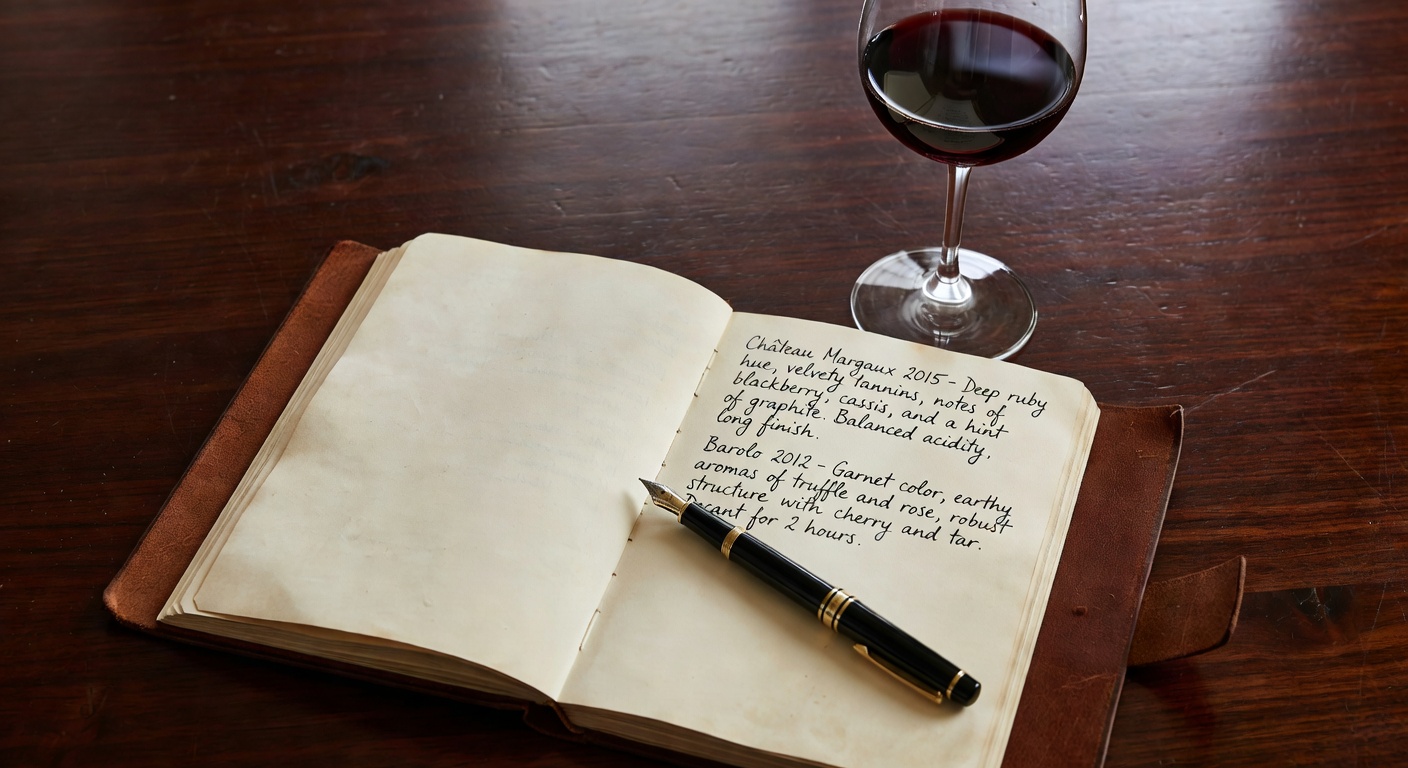
Consider a 2026 Napa Cabernet Sauvignon: deep ruby appearance with purple rim, aromas of cassis and graphite, palate showing firm tannins with black fruit, mocha, and subtle herbal notes, finishing with 45 seconds of spice and earth. A 2026 Loire Valley Sauvignon Blanc might display pale straw color, notes of lime, wet grass, and flint, crisp acidity on the palate with gooseberry and mineral tones, and a long mineral-driven finish. Another example is a 2026 Burgundy Pinot Noir with garnet hues, aromas of red cherry and forest floor, silky texture on the palate, and a persistent floral aftertaste. These detailed examples illustrate how specific descriptors create vivid, repeatable notes that improve with each tasting session.
Side-by-Side Comparison Exercises
Practice with two similar wines, such as 2026 Pinot Noirs from different regions. Note differences in color depth, aroma intensity, tannin texture, and finish length. This exercise sharpens discrimination skills and highlights regional characteristics. Repeat weekly with new pairs to accelerate learning. Document both wines using identical categories to make direct comparisons easier. Over several months, patterns emerge that reveal personal preferences and regional signatures.
Tools and Equipment for Better Notes
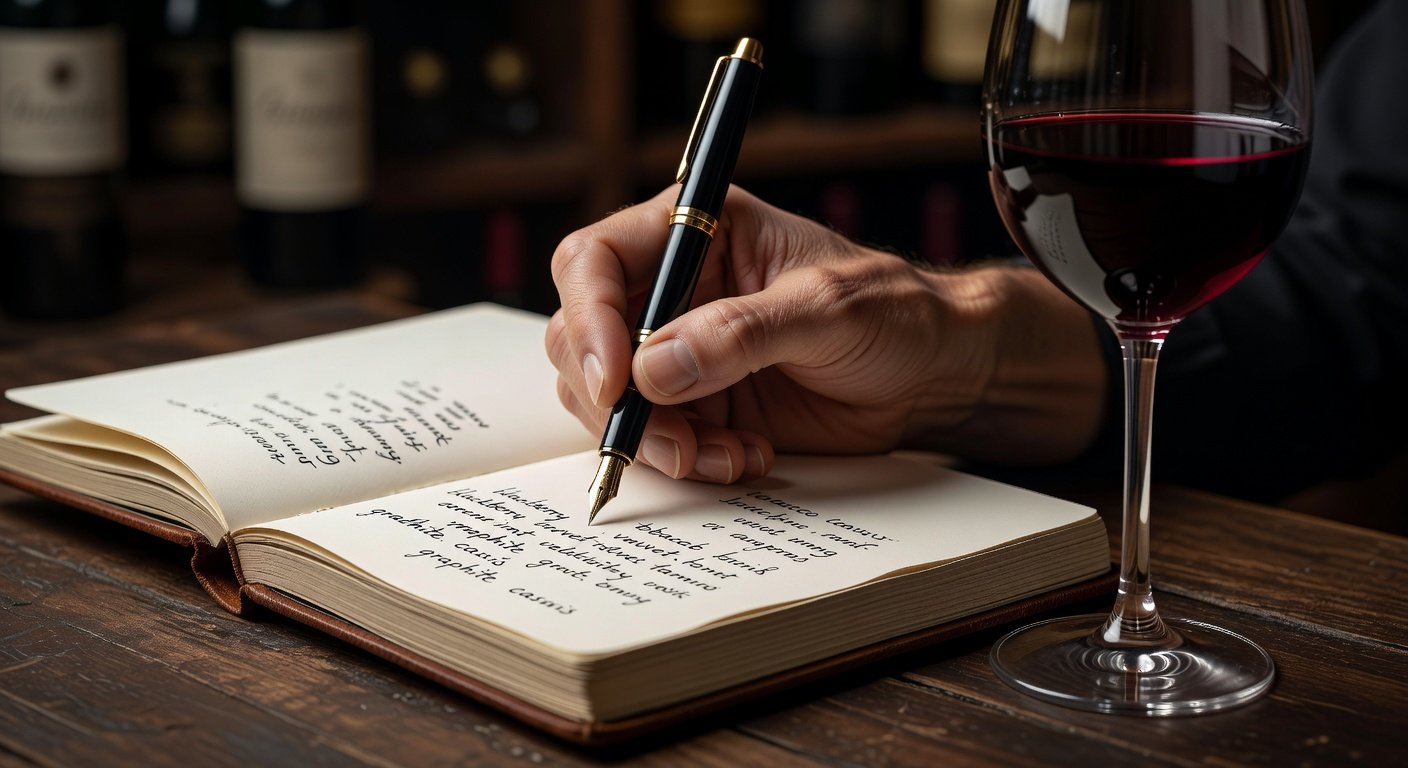
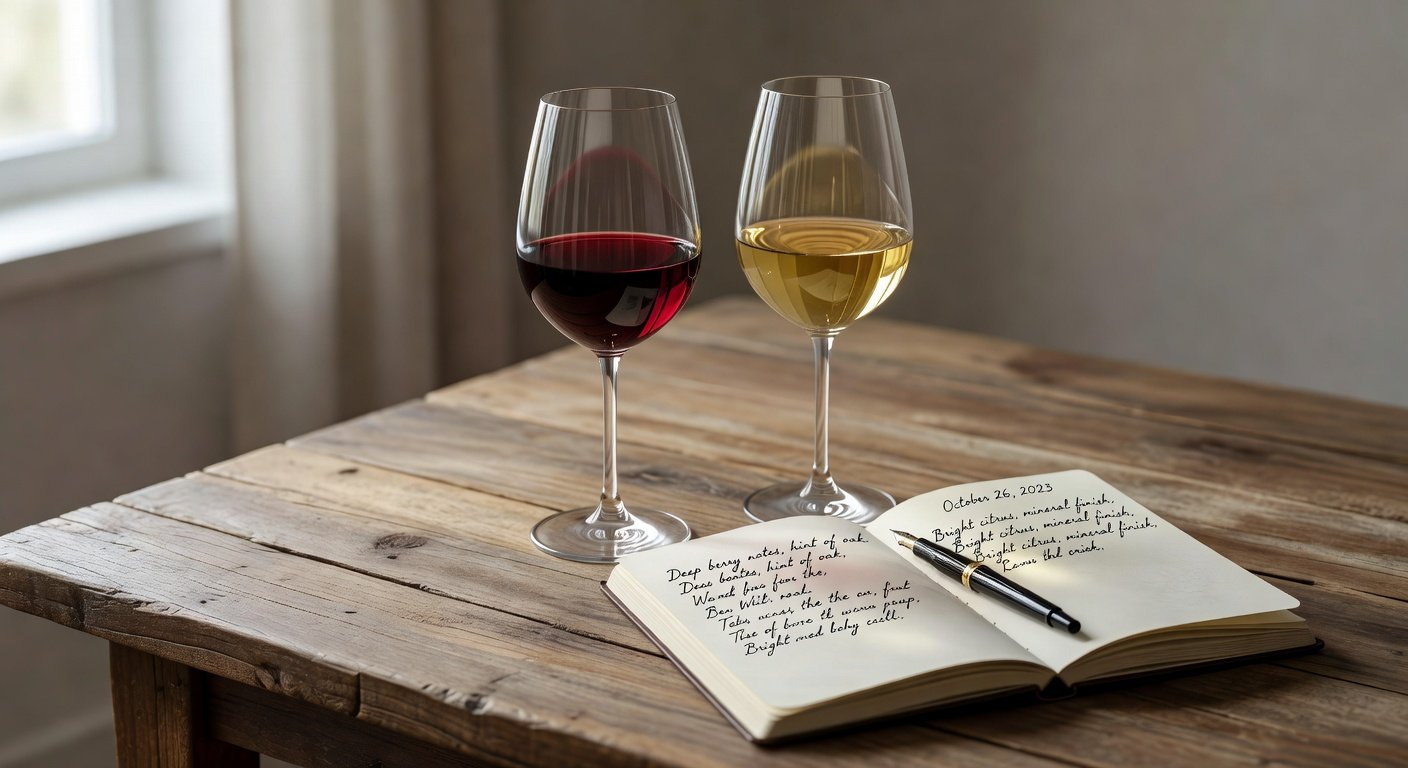
Invest in quality tasting glasses that concentrate aromas, a neutral notebook or digital app for recording, and good lighting. Some enthusiasts use aroma kits with essential oils to train their noses. Keeping a dedicated tasting journal allows tracking progress across years and vintages. Digital tools can help organize notes but handwritten entries often improve memory retention during the learning phase.
FAQ: Common Pitfalls and How to Avoid Them
How do I avoid generic notes? Replace vague terms like "nice" with specific descriptors like "ripe plum" or "fresh thyme."
Should I taste on an empty stomach? Light snacks help maintain focus without overwhelming the palate.
How many wines can I evaluate in one session? Limit to four to six for optimal concentration and avoid palate fatigue.
What if my notes differ from critics? Personal taste is valid; focus on consistency rather than matching others. Cross-reference with sites such as Jancis Robinson for perspective.
How can I improve memory of flavors? Review notes after 24 hours and compare with new tastings of the same wine if possible.
Is there a best time to write notes? Immediately after tasting while impressions remain vivid, followed by a second review the next day.
Conclusion
Mastering wine tasting notes in 2026 requires deliberate practice with a structured approach. By following the appearance-nose-palate-finish sequence, expanding vocabulary, and applying consistent scoring, beginners quickly develop professional-level skills. Regular comparison exercises, attention to real vintages, and use of reliable references such as those from Master Sommeliers will make your reviews more insightful and enjoyable to create and share. Continued refinement turns this practice into a lifelong rewarding habit.
No comments yet. Be the first!